
NEWS
Nigeria’s Health Sector Relies On External Funding For 16% Of Budgets, Report Reveals

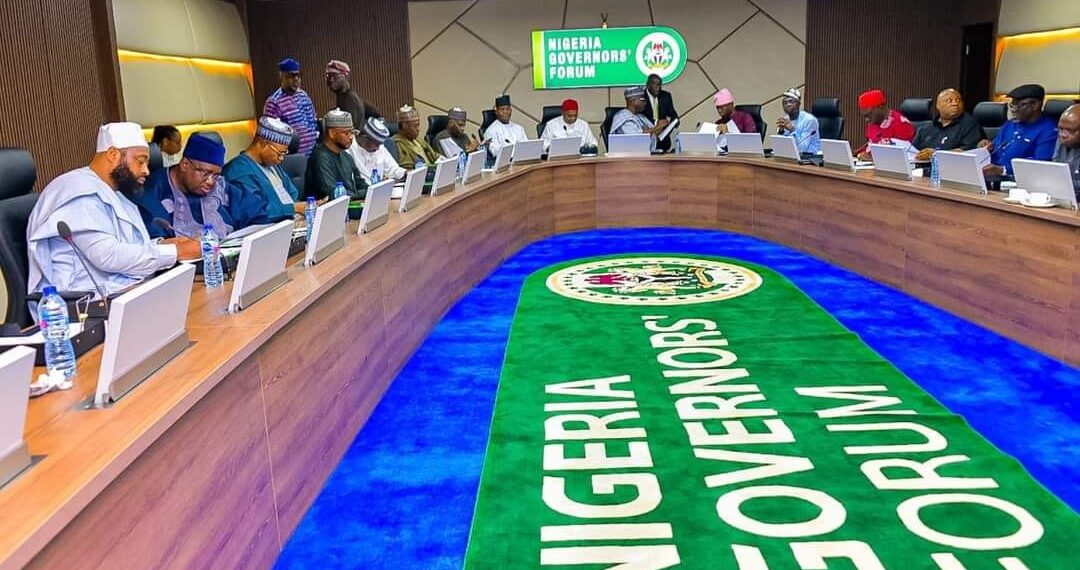
A recent report from the Nigeria Governors’ Forum highlights that 36 Nigerian states depend on external funding sources for 16% of their health sector budgets.
The funding, which includes aid, grants and loans, is crucial for many state governments to finance their health programs.
The report, obtained on Monday, reveals that grant and international aid programs are the primary sources of non-discretionary capital funding for most states.
READ MORE: Presidency Fires Back At Gov Bala Mohammed Over Criticism Of Tinubu’s Leadership
However, less than a quarter of them are exploring loans to finance capital projects due to challenges in securing loans and a general lack of interest in pursuing such options.
In terms of overall health expenditure, the 36 states spent a combined total of N505 billion in 2022, accounting for 7% of their total budgets, a slight increase from the N484 billion spent in 2021.
For 2023, the states have budgeted N923.31 billion for the health sector, reflecting an 83% increase from 2022. Despite this ambitious budget, the report notes that the average budget performance across states is around 63%, indicating that actual spending may fall significantly short of the N923.31 billion target.
The report also reveals disparities in health spending across states, with the average annual health expenditure standing at N14 billion.
Only 15 states have a medium-term health sector strategy (MTSS) for at least the 2024 budget year, with others relying on alternative planning documents developed by state health ministries.
In terms of healthcare priorities, the report indicates that 61.83% of the health budgets from 2021 to 2023 were allocated to public health services and health administration.
The remaining 38.17% went towards hospital services, outpatient services, medical products, and health research.
A key challenge highlighted in the report is the inability of states to present detailed health expenditure by specific services and disease categories.
This issue stems from the National Chart of Accounts (NCOA), which follows a global standard classification system that does not account for these specific classifications.
Full implementation of the NCOA’s program segment in the future could address this gap, according to the report.







The Nigerian Content Development and Monitoring Board (NCDMB) has launched a 5-day Hands-on Oracle Primavera P6 Training in Rivers State, targeting 50 participants.
The training, being executed by Mathnebi Nig. Ltd, commenced today, March 16th and will run until Friday, March 20th.
The intensive hands-on program aims to equip participants with practical skills in project management using Oracle Primavera P6, enhancing their capabilities in the energy and construction sectors.
The NCDMB’s sponsorship of the training underscores its commitment to boosting local capacity and driving Nigeria’s economic growth through skills development.
ALSO READ: Senate Approves Abe as Chairman, NUPRC Board
The training is expected to benefit participants and contribute to the development of Nigeria’s project management landscape.

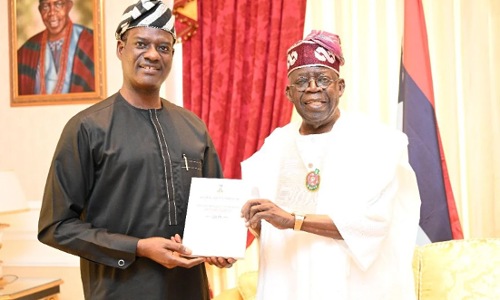
President Bola Ahmed Tinubu has sworn in Mr. Taiwo Oyedele as Nigeria’s new Minister of State for Finance at the Aso Rock Presidential Villa.
The swearing-in ceremony took place shortly after the Senate confirmed Oyedele’s nomination last Wednesday.
Oyedele, 50, from Ikaram, Akoko in Ondo State, brings over two decades of experience in fiscal policy and tax administration.
ALSO READ: SERAP Asks Tinubu To Probe N5.9bn Spent On NNPC Rebranding
He previously chaired the Presidential Committee on Fiscal Policy and Tax Reforms, which overhauled Nigeria’s tax system, introducing zero income tax for Nigerians earning N800,000 or less and exemptions for small businesses with turnovers below N50 million.
During his Senate screening, Oyedele described his appointment as “a call to serve at a critical time when Nigeria faces significant fiscal challenges and remarkable opportunities.”
He replaces Dr. Doris Uzoka-Anite, who has been redeployed to the Ministry of Budget and National Planning.
Oyedele also spent 22 years at PricewaterhouseCoopers, held executive programs at top global institutions including the London School of Economics and Harvard Kennedy School, and currently serves as a professor at Babcock University.
The minister’s appointment signals a continued focus on implementing the Tax Reform Acts, which took effect on January 1, 2026, and aim to simplify Nigeria’s tax system while boosting economic growth.
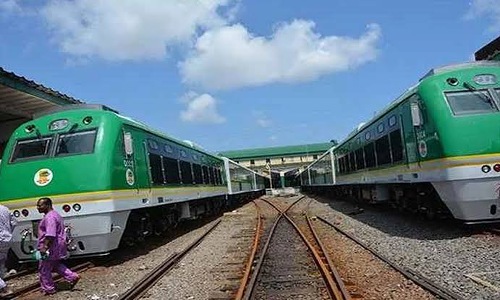
Passengers were thrown into panic on Monday after a train operating along the Abuja–Kaduna rail corridor derailed, leaving several passengers injured and disrupting services on the busy route.
The train, which was travelling from Kaduna to Abuja, reportedly failed to reach its destination as scheduled after the incident occurred along the rail line linking both cities.
According to passengers on board, the incident happened suddenly, sending shock through the coaches as the train came to an abrupt halt.
SEE MORE: Value Creation: NCDMB to train Six Young Engineers in Electrification Interdependency
Some passengers said they heard a loud bang before the train jolted violently, throwing several occupants off their seats.
Eyewitnesses said the sudden impact caused confusion inside the train compartments, with some passengers sustaining cuts and bruises after hitting seats and metal fittings.
Initial reports suggested that the Abuja-bound train might have collided with another train along the corridor, forcing rail operations to pause temporarily while authorities assessed the situation.
A source within the Nigerian Railway Corporation confirmed the incident but declined to give full details, noting that he was not authorised to speak publicly on the matter.
One of the passengers, Sada Malumfashi, shared his experience on social media shortly after leaving the train.
He described the moment as frightening, stating that the loud sound and sudden stop caused many passengers to be flung from their seats.
He said the train remained stationary for about 30 minutes before the journey resumed slowly toward Kubwa, located on the outskirts of Abuja.
When contacted, the spokesperson for the Nigerian Railway Corporation, Callistus Unyimadu, confirmed the development and said an official statement would be issued.
Authorities are yet to disclose the exact cause of the derailment or the full extent of injuries as investigations continue.





NCDMB, Renaissance Africa Train Pipeline Engineers

NLNG Inducts 103 Trainees Into Empowerment Scheme
NCDMB Sponsored Oracle Primavera P6 Training Underway In Rivers State

Senate Approves Abe as Chairman, NUPRC Board

Tinubu Swears in Taiwo Oyedele as Finance Minister

Burna Boy Breaks Record as Africa’s Top-Grossing Concert Artist

Trump’s Family Unveils New Cryptocurrency Platform

Reps Recommend 3-year Jail Term For Aviation minister

Dangote Cement Lights Up Benue Host Communities With CSR Initiatives

Senate Denies Receiving Petitions Against Tinubu’s Ambassadorial Nominees

Tems Sets New Record On Billboard Hot 100 Chart
