
Other News
Benin Unveils Pandemic and Disaster Preparedness Plan at AFRICOM sponsored event

COTONOU – The Government of Benin unveiled its final draft of the Pandemic Influenza Preparedness and Response Plan, and the Military Support to Civil Authorities (MSCA) Disaster Contingency Plan during a ceremony held in Cotonou, Benin, March 17, 2014.
Todd Whatley, U.S. Deputy Chief of Mission to Benin, and Francois Houessou, Benin’s Minister of Interior for Public Security and Religion, presided over the unveiling of the plans.
The ceremony marked the commencement of a five-day tabletop exercise to validate the plans and enhance current capacities to save lives during a disaster in Benin and in neighboring countries within the Economic Community of West African States (ECOWAS) region.
Houessou thanked all the participants for being part of the event, and he also expressed his gratitude to U.S. Africa Command for sponsoring this effort.
“The plan and the exercise will assist our preparedness and response capabilities,” Houessou said. “It will also help the national authorities and other actors to clarify and coordinate their roles and responsibilities in case of a complex pandemic emergency.”
The event represented a successful collaboration among international and interagency organizations, with the Government of Benin hosting an event sponsored by U.S. Africa Command and executed by the U.S. Center for Disaster and Humanitarian Assistance Medicine (CDHAM).
According to Whatley, U.S. Africa Command’s engagements in disaster preparedness with Benin have strengthened partnerships and friendships, which in turn have enhanced regional collaboration in national pandemic preparedness and disaster response.
More than 150 representatives from Benin’s government, military, national media, African partner nations and international organizations participated in the event.
“This exercise will assist Benin in reviewing the country’s current capabilities and capacities. It will further assist in identifying areas where we could work together when preparing for and mitigating a complex humanitarian emergency, such as in severe pandemic disaster, flood or other catastrophic situation,” said Michael Hryshchyshyn, Chief of Humanitarian and Health Activities, U.S. Africa Command.
“U.S. Africa Command is prepared to continue assisting African nations with a multi-hazard pandemic response planning as well as building response capacity for other disasters and hazards.”
Subject matter experts from partner nations Burkina Faso, Nigeria, Ghana, Senegal, Kenya and Togo participated in the exercise as observers, mentors and facilitators.
Improved regional collaboration in the event of a complex humanitarian emergency is very crucial. According to Hryshchyshyn, it is absolutely necessary to work closely with neighboring countries as many times these challenges know no borders.
“This tabletop [exercise] and conference is very important for the people of Benin. For the last ten years, Benin has been affected by flooding, and catastrophes in the country have multiplied,” said Agbossaga Cesar, Benin’s Director General for National Agency for Civil Protection.
“Benin is a country limited in financial resources, but now with our great partnership with the U.S. Government and its assistance in drafting the plans, we will be able to combat these catastrophes and save lives. This is why we are very happy for these plans and for the opportunity that the U.S. Government has offered. We hope this partnership will continue for a long time; we hope it will grow,” said Cesar.
Throughout the exercise, participants were grouped into teams representing health, security, logistics, communications and operations.
“This exercise is very import because it is helping our government to be better prepared for disaster management,” said retired Col. Segla Davito of the Benin Army.
“The exercise is also helping key players and stakeholders in Benin’s disaster management system to know their roles in case of a pandemic or other disaster situation. By learning how to properly play their roles now, it helps them to save lives and alleviate suffering; they will be able to respond on time during a real world emergency situation,” said Davito.
The five-day exercise will involve validating the roles and responsibilities of civil and military authorities during pandemics and all hazard disasters, identifying the strengths, weaknesses and gaps, and developing a five-year disaster management strategic work plan.
These plans will help outline how to collaborate internally, with regional partners and international organizations for mitigation and to further support capacity and capability.
“Organizing an event like this takes a lot of time, coordination, patience and perseverance among the stakeholders and others working behind the scenes,” said Hryshchyshyn. “It demonstrates the commitment of the Government of Benin to disaster preparedness and protecting its citizens.”
The Disaster Preparedness Program has its roots as an U.S. Government pandemic-focused initiative, which began in 2009 in collaboration with USAID, the United Nations, and other international partners.
“We are pleased to have Benin as a key partner,” Hryshchyshyn said. “As with many initiatives, it takes time to put plans and tools in place, but we are delighted to see today the tangible results that Benin has achieved.”


The Lagos State Traffic Management Authority (LASTMA) has alerted motorists to traffic delays along Ogunnusi Road towards Ojodu-Berger due to ongoing rehabilitation work.
LASTMA disclosed this in a post on its official X account on Sunday, stating that the road rehabilitation was being carried out by the Lagos State Public Works Corporation (LSPWC).
According to the agency, “The ongoing work is affecting traffic flow, with vehicles moving at a slower pace in both directions.”
ALSO READ: Chaos On Lagos-Ibadan Expressway As LASTMA Shuts Otedola Bridge
To ease the situation, LASTMA said a contraflow arrangement had been introduced for motorists travelling from Omole Junction towards Vis Junction.
“A contraflow arrangement is in place for vehicles coming from Omole Junction towards Vis Junction to facilitate the movement of traffic,” the agency stated.
LASTMA added that its personnel had been deployed to manage traffic and ensure the continuous movement of vehicles around the affected area.
“Our personnel are on ground managing the traffic situation and ensuring the continuous flow of vehicular movement,” the agency said.
The traffic management authority advised motorists to remain patient and exercise caution while the rehabilitation work continues.
“Motorists are advised to exercise patience and drive with caution while the rehabilitation work continues,” LASTMA stated.


Leading economists, financial experts and industry stakeholders have described the Dangote Group’s investments as major drivers of industrialisation and economic transformation across Nigeria and Africa.
The experts cited the Group’s impact on job creation, import substitution, foreign exchange conservation and economic competitiveness.
They voiced their thoughts at the Lagos Economic Summit themed “The Real Deal: Africa’s Greatest Investment Opportunity,” where they urged governments to implement policies that strengthen local industries and accelerate economic diversification.
President and Chief Executive Officer of the Africa Finance Corporation (AFC), Samaila Zubairu, commended the Dangote Group’s sustained investments across Africa, describing them as critical to unlocking the continent’s economic potential.
He noted that while recent economic reforms have improved foreign exchange stability, strengthened reserves and eased inflationary pressures, the focus must now shift to growth in industry, productivity and employment.
READ ALSO: NMDPRA Shares July Domestic Cooking Gas Supply Details
Also speaking, Chief Executive Officer of the Centre for the Promotion of Private Enterprise (CPPE), Muda Yusuf, said industrialisation remains the most effective path to sustainable economic development.
He called for better alignment of trade and industrial policies, stressing that local manufacturers require strategic support to compete effectively and drive broader economic benefits.
Founder and CEO of Nairametrics, Ugodre Obi-Chukwu, said Africa’s growing population presents a significant industrial opportunity, noting that investments such as the Dangote Refinery are helping to retain capital within the continent while strengthening local production capacity.
In his keynote address, Managing Director of Financial Derivatives Company Limited, Bismarck Rewane, said Nigeria is gradually transitioning from a consumption-led economy to one driven by investment and production.
He added that sustained investments in productive sectors will continue to stimulate growth, create jobs and improve living standards.
Participants at the summit also advocated stronger credit infrastructure, improved national identification systems and increased investment in skills development to enhance the productivity and global competitiveness of Africa’s growing youth population.
Photo Caption: From Left – Chief Economist, Dangote Industries Limited, Dr. Hassan Mahmud; Lady Maiden Alex-Ibru; Chairman of Occasion/Special Guest of Honour, Samaila Zubairu; Key Note Speaker Session 1, Bismarck Rewane; during the Real Deal: Africa’s Greatest Investment Opportunity, Sponsored by Dangote Industry Limited in Lagos on Thursday 3, September 2026.
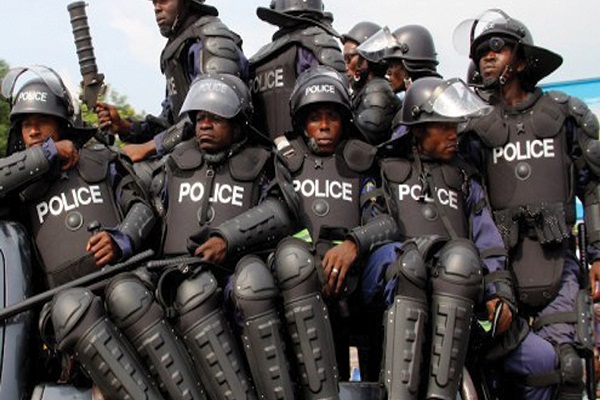
Social media critic Martins Vincent Otse, popularly known as VeryDarkMan (VDM), has released what he described as his first piece of evidence after the Nigeria Police Force challenged him to substantiate his allegations that some police officers allegedly collaborate with kidnappers.
VDM released a video on his Instagram handle on Thursday, August 27, 2026, shortly after the police invited him to provide evidence supporting the claims he made at the 66th Annual General Conference of the Nigerian Bar Association (NBA) in Port Harcourt.
SEE MORE: ‘Provide Evidence’ — Police React to VDM’s Explosive Kidnap Allegation
The activist captioned the video: “My evidence number 1.”
Recalled that VDM, who was a panellist at the NBA conference on Tuesday, had alleged that some police officers manning checkpoints along major highways provide kidnappers and bandits with information about travellers.
According to him, the officers allegedly relay details about the identities and movements of travellers to criminal groups, thereby facilitating abductions for ransom.
The allegation triggered a response from the Nigeria Police Force, which denied the claim and challenged VDM to substantiate his allegations.
The police invitation came as the force sought evidence to support the serious claims made by the social media critic.
In response, VDM released the video, describing it as his “evidence number 1”, signalling that he may provide further material to support his allegations.
The development has continued to attract attention, with the controversy placing renewed focus on allegations of possible collaboration between security personnel and criminal groups involved in kidnapping and banditry.






‘Who Owns NNPC?’ Rufai Grills Olabode Sowunmi Over Fuel Subsidy
JUST IN: Amnesty Volunteer Lawrence Zongo Regains Freedom After 10 Days In Custody

2027: Tinubu Won’t Abandon Governance for Campaigns, Says Aide

Atiku Launches ‘Ask AA’ Portal, Invites Nigerians to Question His Record
Adamawa SSG Identifies Three Priorities for Tackling Nigeria’s Security Challenges

Ebonyi 2027: Gov Nwifuru Jittery Over My Candidacy, Violating Constitution — Odii

Trump’s Family Unveils New Cryptocurrency Platform

Senate Denies Receiving Petitions Against Tinubu’s Ambassadorial Nominees

Dangote Cement Lights Up Benue Host Communities With CSR Initiatives

Reps Recommend 3-year Jail Term For Aviation minister

Tems Sets New Record On Billboard Hot 100 Chart
