
Business
China manufacturing activity cools in November


BEIJING – China’s manufacturing activity expanded in November but at a slower pace than October, a survey from HSBC showed on Thursday.
The HSBC flash Purchasing Managers’ Index (PMI) fell to 50.4 from a seven-month high of 50.9 in October, staying above the key 50-mark which separates expansion from contraction.
“We have seen some recovery in the last 3-6 months because of the mini stimulus earlier this year and that impact is fading,” Kevin Lai, senior economist for China and Hong Kong at Daiwa Capital Markets.
In July, the government unveiled initiatives to support growth including cutting taxes for some small and micro-sized enterprises and measures to stabilize exports and speed up railway investment to bolster economic growth.
 Kevin Lai, senior economist for China and Hong Kong at Daiwa Capital Markets says Chinese growth could decrease if the government doesn’t unveil further policy support.
While the economy has shown stabilization since, with third quarter gross domestic product growth notching the best performance so far this year at 7.8 percent, analysts still see pockets of weakness.
A sub-index in the PMI measuring new export orders fell to a three-month low of 49.4 in November from 51.3 in the previous month, reflecting the sluggish demand from overseas markets.
“We have yet to see a full recovery from exports so going forward, if we don’t see another round of stimulus or policy support then growth will moderate a little bit. But it’s not a huge issue. Next year, if we see some credit issues, that would really undermine growth,” he added.
China has set an annual economic growth target of 7.5 percent for this year, widely seen by economists as an achievable goal, but would still be the country’s slowest pace of growth in 23 years.
Timothy Riddell, Head of Global Markets Research, Asia at ANZ explains the factors behind the dip in China’s HSBC flash PMI survey for November.
The country’s top leadership unveiled late last week a slew of economic and social reforms which are expected to give the world’s second biggest economy fresh drivers for growth.
The Australian dollar fell a quarter of a U.S. cent after the PMI data, while most Asian stock markets extended their losses with the Shanghai Composite stock index down over 1 percent.
According to Timothy Riddell, Head of Global Markets Research, Asia at ANZ, the factory activity pullback isn’t surprising given the rising rates in China over the past few months.
The seven-day report rate, viewed as a key gauge of confidence to lend in the interbank markets, jumped to 5.94 percent earlier this week, its highest level since June when it hit 11.2 percent, sparking concerns about a liquidity crunch.
“We need to realize that this is coming at a period when we’ve been having rising rates domestically in China,” said Riddell. “Remember, the survey isn’t hard data. So against a rising rate profile, it doesn’t really shock me.”

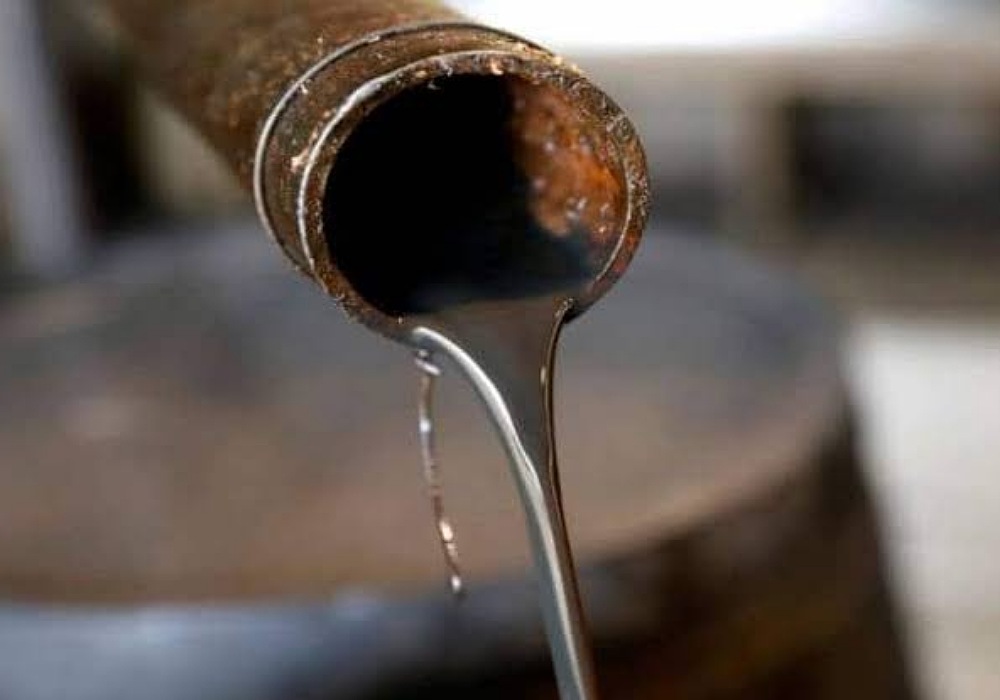
Nigeria faces fresh pressure on petrol and diesel prices following a sharp rally in global crude oil prices to nearly $110 per barrel at the weekend.
Already, industry experts are warning that sustained increases could raise domestic fuel costs despite expanding local refining capacity.
For Nigerian businesses, sustained increases in diesel and petrol prices could raise the cost of running generators, transporting goods and operating equipment. Manufacturers, farmers and transport operators could pass some of the additional expenses to consumers, while higher haulage costs could increase the prices of food and other essential goods.
The development, analysts note, presents a dilemma for Africa’s largest oil producer, which stands to earn more from crude exports but remains vulnerable to rising energy costs that could further squeeze households, manufacturers, transport operators and other businesses.
Brent crude, the international benchmark, rose 3.72 per cent to about $109.90 per barrel, while West Texas Intermediate, the US benchmark, gained 3.51 per cent to $101.40 per barrel. Murban crude also advanced 3.08 per cent to $113.40 per barrel, according to market data published by Oilprice.com.
The rally followed escalating geopolitical tensions and attacks on energy infrastructure, heightening fears of supply disruptions and sustained pressure on global energy markets.
Publicity Secretary of the Crude Oil Refiners Association of Nigeria (CORAN), Mr. Eche Stephen Idoko, while commenting on the development, said the central concern was the contradiction of an oil-producing country potentially earning more from crude exports while its citizens remained exposed to higher energy costs.
“Ordinarily, rising crude prices should be good news for Nigeria’s revenues and foreign exchange position. However, the benefits could be substantially undermined by rising costs of transportation, manufacturing, agriculture and ultimately the general cost of living,” Idoko said.
READ ALSO: NIPCO Gas Licences, NNPC Ltd Management Face Reps Probe
He argued that higher crude prices also increase the cost of feedstock for Nigerian refiners, stressing that domestic refining alone cannot insulate consumers from international oil price movements.
According to him, the naira-for-crude arrangement addresses the currency of settlement but does not necessarily reduce the underlying cost of crude oil.
Idoko called for a commercially sustainable domestic crude supply and pricing framework, arguing that local refiners should not have to bear unnecessary logistics, financing and transactional costs associated with crude supply arrangements.
He also questioned how much of the additional revenue accruing to Nigeria from higher crude prices would translate into reducing the structural cost of supplying energy to Nigerians.
For CORAN, he said, the priority should be to strengthen domestic refining competitiveness rather than rely on further government-administered retail discounts or price ceilings.
Idoko noted that there was a real risk of higher fuel prices if crude oil remained at elevated levels, although the extent of any increase would depend on exchange rates, international petroleum product prices, refining margins and domestic supply conditions.
Executive Secretary and Chief Executive Officer of the Major Energies Marketers Association of Nigeria (MEMAN), Mr. Clement Isong, also identified rising international product prices and distribution expenses as potential sources of additional pressure on domestic fuel prices.
In a webinar presentation titled “Structuring Nigeria’s Domestic Market Distribution Framework” delivered at the weekend, Isong said the final price paid by consumers reflected not only international product prices and foreign exchange movements, but also freight, financing, transportation, regulatory charges and distribution costs.
He further warned that rising diesel prices could compound the cost of distributing petrol because diesel is a critical input in road transport and the movement of petroleum products.
According to the presentation, petrol prices rose by 33 per cent to N1,378 per litre between January and October 2026, while automotive gas oil, commonly known as diesel, increased by 36 per cent to N1,853 per litre.
Isong said higher diesel prices increased the cost of transporting petroleum products, including petrol, adding to distribution expenses and wider economic pressures.
The latest crude oil rally could intensify these pressures if it translates into higher international petroleum product prices and replacement costs for refiners and marketers. Any impact on pump prices, however, would depend on movements in international product prices, exchange rates, refining margins and domestic supply conditions.
The pressure on refined products is also being compounded by tight global diesel supplies. According to the market report published by Oilprice.com on October 16, the International Energy Agency warned that diesel supplies could remain tight into 2027, with inventories unlikely to be rebuilt before the third quarter of next year.
Global diesel production reportedly fell by 1.7 million barrels per day year-on-year to 27.2 million barrels per day, highlighting the pressure on supplies of a fuel widely used in transportation, manufacturing, agriculture and electricity generation.
Isong added that Nigeria also needed a more efficient distribution system to minimise avoidable expenses between refineries and consumers.
He recommended that domestic refineries serve as a major source of supply as production becomes commercially available, with imports used to bridge domestic supply deficits through competitive procurement based on the lowest evaluated price.
He also called for predictable bulk supply arrangements, transparent pricing methodologies and better coordination among suppliers, depot operators, transporters and purchasers to reduce operational delays and logistics costs.
The MEMAN chief executive further advocated supply-chain cost reductions, targeted and temporary relief for essential economic activities, and reduced dependence on petrol and diesel through alternatives such as compressed natural gas, electric vehicles and small-scale solar power.
He maintained that efforts to reduce costs should preserve market-based pricing.
Also commenting, energy policy analyst and partner, Bloomfield Law Practice, Mr. Ayodele Oni, posited that Friday’s $110 is not a new crisis.
“Brent topped $120 in April, and Nigerians have already absorbed much of this shock. The real question is whether $110 becomes the floor,”.
Oni argued that in a deregulated market, there is no subsidy buffer, so a sustained rise will reach the pump, warning that if Brent holds above $105 for a few weeks, the recent easing of gantry prices will reverse.
According to him, domestic refining softens the blow by removing freight, import costs and foreign exchange demand for imported fuel, saying without the Dangote refinery, the pass-through today would be far steeper.
“Price shocks come from abroad. Our vulnerability to them is a choice,”.
Courtesy – The Sun Nigeria
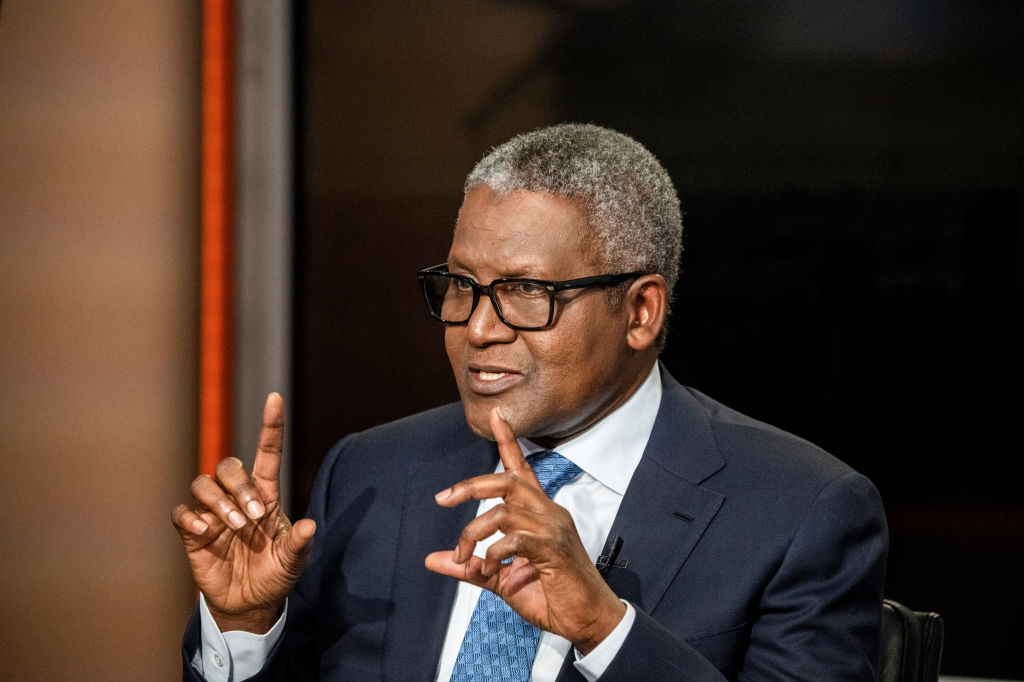
Leading investment research firm Renaissance Capital Africa (RCA) has upgraded its valuation of Dangote Petroleum Refinery and Petrochemicals (DPRP) to N700.41 per share, implying a 33.4 percent upside from the refinery’s IPO offer price of N525 per share.
According to RCA, the valuation increase reflects the refinery’s exceptional earnings performance in the first nine months of 2026, driven by stronger refining margins and better-than-anticipated operational results. Revenue, EBITDA and net profit all exceeded the firm’s expectations during the period.
READ ALSO: Dangote Refinery IPO Elicits Participation in 90 Countries Globally
In its October 16, 2026, update, titled “Stronger Refining Margins Drive Earnings Outperformance,” the investment firm cited robust refining margins and stronger operating results as key drivers of the enhanced valuation.
The remarkable investor interest comes against the backdrop of the refinery’s strong operational and financial performance. For the nine months ended September 30, 2026, the DPRP reported revenue of US22.5 billion and net profit of US4.7 billion, representing one of the strongest financial performances recorded by an African industrial enterprise in recent years.
The results marked a significant turnaround from the corresponding period in 2025, when the company recorded a loss of US117.2 million. Revenue grew by 144 percent from US9.2 billion, while EBITDA increased nearly nine-fold to US5.5billionfromUS627.6 million. Operating cash flow rose more than ten-fold to US$3.68 billion, underscoring the refinery’s growing ability to generate substantial earnings and cash flow from its operations.
The company also strengthened its balance sheet considerably, moving from a net debt position of US1.73 billion as of September 2025 to a net cash position of US651 million by September 2026, reflecting improved liquidity and financial resilience.
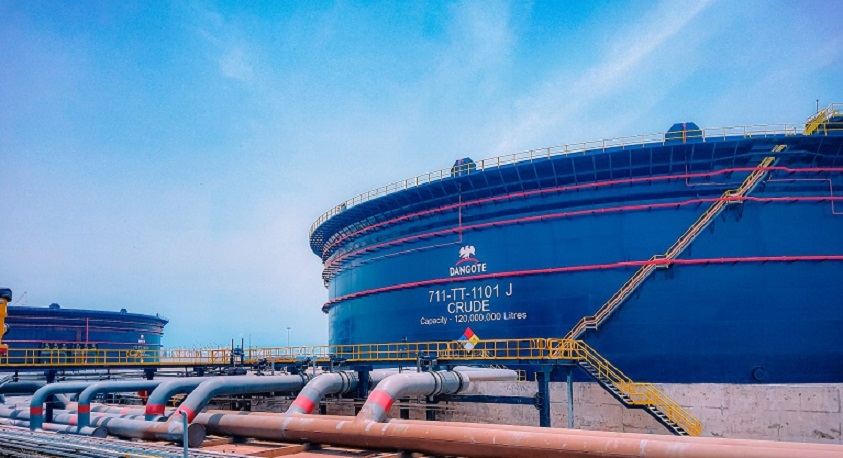
The Dangote Petroleum Refinery & Petrochemicals (DPDP) has revealed that its ongoing Initial Public Offering (IPO) has attracted exceptional participation from investors across Africa and around the world, with subscriptions received from more than 90 countries, including investors from 51 of Africa’s 54 nations.
The unprecedented level of participation positions the transaction as Africa’s first truly pan-African public offering, reflecting strong investor confidence in African-led industrialization and a growing desire among Africans to own strategic assets built on the continent.
The company noted that the IPO has already set new benchmarks in the capital markets, breaking the Nigerian market record on its opening day and surpassing the previous African record within its first ten days, driven by robust demand from retail investors, pension funds, institutional investors, asset managers, and members of the investing public.
On the milestone, Chief Financial Officer of Dangote Group, Murat Erden, said: “This offering represents far more than a capital-raising exercise. It is a landmark opportunity for Africans and global investors alike to participate in the ownership of one of the continent’s most transformative industrial assets. The extraordinary participation from individuals and institutions across Africa demonstrates a shared conviction that Africans should not only benefit from industrial development but also own and create wealth from it.”
The remarkable investor interest comes against the backdrop of the refinery’s strong operational and financial performance. For the nine months ended September 30, 2026, the DPRP reported revenue of US22.5billion and net profit of US4.7 billion, representing one of the strongest financial performances recorded by an African industrial enterprise in recent years.
READ ALSO: Makinde Fires Back at Presidency, Insists on ₦9tn NLNG Dividend Shortfall
The results marked a significant turnaround from the corresponding period in 2025, when the company recorded a loss of US117.2 million. Revenue grew by 144 percent from US9.2 billion, while EBITDA increased nearly nine-fold to US5.5 billion from US627.6 million. Operating cash flow rose more than ten-fold to US$3.68 billion, underscoring the refinery’s growing ability to generate substantial earnings and cash flow from its operations.
The company also strengthened its balance sheet considerably, moving from a net debt position of US1.73 billion as of September 2025 to a net cash position of US651 million by September 2026, reflecting improved liquidity and financial resilience.
According to Erden, the refinery’s current performance significantly exceeds the assumptions underpinning the IPO valuation. “Our financial performance has already advanced well beyond the baseline assumptions used in determining the IPO valuation. The refinery’s operational momentum, scale and efficiency continue to create substantial shareholder value and reinforce our confidence in its long-term growth prospects.”
In a major boost to African capital-market integration, the transaction has also benefited from pioneering cross-border market collaborations involving Botswana, Egypt, Ethiopia and Kenya, helping to broaden access and reduce barriers to participation for investors across the continent.
The DPDP described the IPO as a powerful demonstration of the increasing sophistication, depth and interconnectedness of African financial markets, providing a blueprint for future continent-wide investment offerings.
The company reiterated that the IPO provides a unique opportunity for investors to become shareholders in one of Africa’s largest and fastest-growing industrial enterprises, with the potential for USD-linked dividends, subject to the company’s dividend policy and applicable regulatory approvals.
With the offer scheduled to close on 27 October 2026, the company has intensified investor education and engagement activities across key markets to ensure broader inclusion and participation. The refinery emphasized that no further extension of the offer period is currently planned.
On the significance of the transaction, Erden added: “We are witnessing the emergence of a new chapter in African industrial ownership and capital-market development. The overwhelming response from investors across 51 African countries and more than 90 countries globally is a resounding vote of confidence in Africa’s future and in the ability of world-class African enterprises to deliver sustainable value for shareholders.”
The company expressed appreciation to regulators, stockbrokers, issuing houses, financial institutions, fintech partners, community leaders, investor associations and the investing public for their support and participation throughout the offer period.





Petrol Price Hike Looms as Oil Hits $110/barrel

NIPCO Gas Licences, NNPC Ltd Management Face Reps Probe
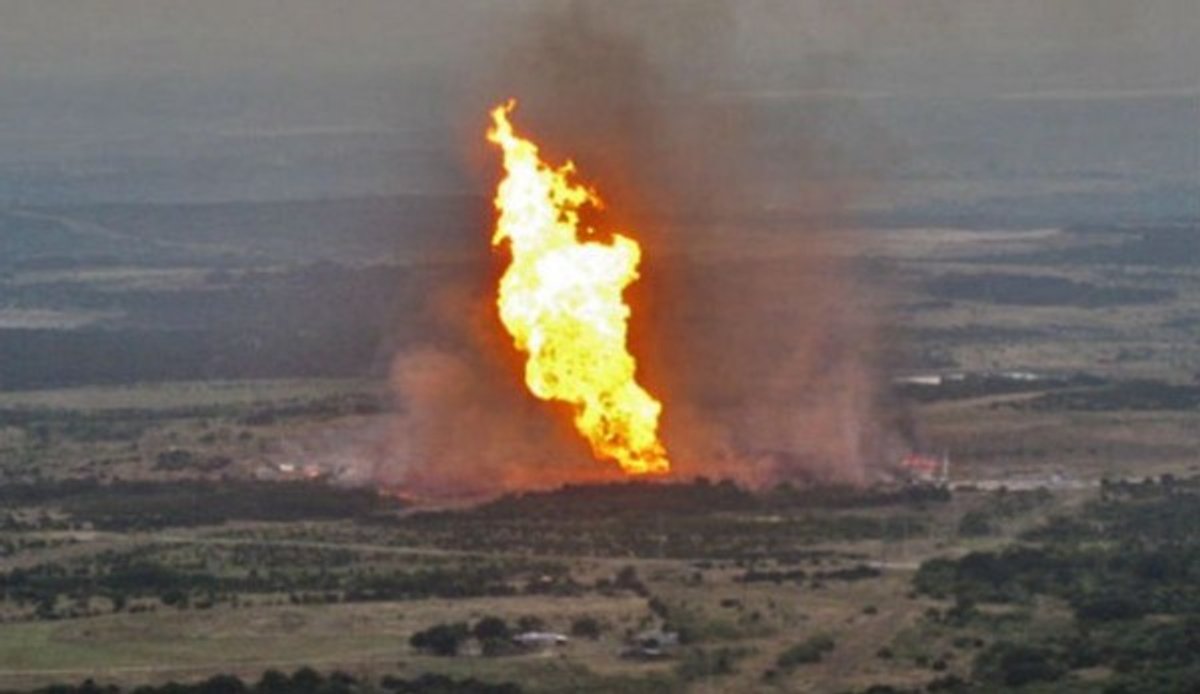
UNDC Assures on Readiness to Protect Oil, Gas Pipelines

JUST IN: Ex-Delta Governor Emmanuel Uduaghan Is Dead

Delta Begins ₦5bn Empowerment Scheme for 100,000 Beneficiaries
Alausa Hails Dangote Foundation’s Plan to Give Four Million Students IPO Shares

Trump’s Family Unveils New Cryptocurrency Platform

Senate Denies Receiving Petitions Against Tinubu’s Ambassadorial Nominees

Dangote Cement Lights Up Benue Host Communities With CSR Initiatives

Reps Recommend 3-year Jail Term For Aviation minister

Tems Sets New Record On Billboard Hot 100 Chart
