
Health
Don’t Ignore These Hidden Health Clues In Your Urine

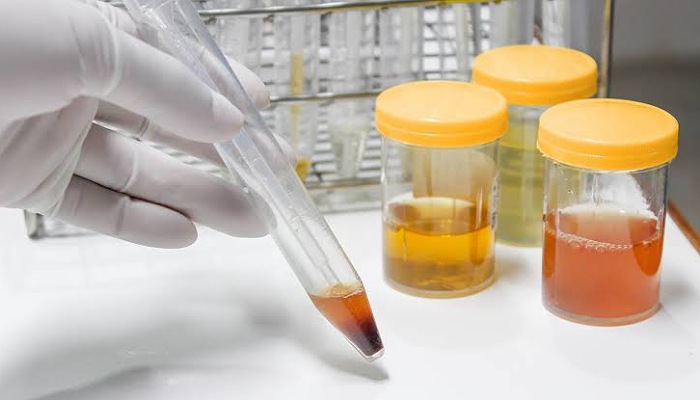
Your body has subtle ways of communicating essential information about your health—and sometimes, one of the simplest clues is the color of your urine.
Urine, which is about 95% water, forms when your kidneys filter out waste and excess water from your blood. Normally ranging from light yellow to amber, it provides insights into your hydration and more.
Changes in urine color, smell, or frequency can serve as early indicators of potential health conditions.
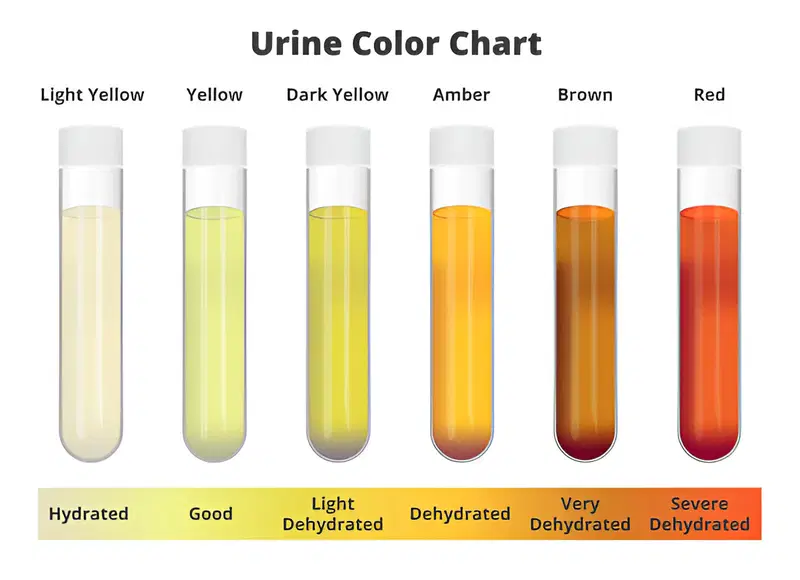
While most color shifts are harmless and temporary, persistent changes could suggest a more significant issue.
“Tracking these signs can be a simple way to monitor hydration and potentially catch health issues early,” says Dr. Jenna Lewis, a nephrologist at Healthline Clinic.
Here’s a guide to what different urine colors might mean for your health:
Clear or Very Light Yellow
This typically shows you’re well-hydrated. While generally a positive sign, consistently clear urine could indicate overhydration, which may lower salt levels in your body.
Light to Medium Yellow
Often considered the “healthy” zone, this shade reflects good hydration without excess water intake.
Dark Yellow to Amber
A darker shade often indicates a need for more water. This is common in the morning or after exercise and can usually be resolved by drinking more fluids.
Orange
Dehydration may lead to orange urine, but other factors can also contribute. High levels of beta-carotene (found in foods like carrots) or certain medications can turn urine orange.
Persistent orange urine might signal liver or bile duct issues, so consult a doctor if it persists.
Pink or Red
While foods like beets or berries can cause pinkish urine, this color can also indicate the presence of blood, possibly signaling kidney problems, infections, or kidney stones. If diet isn’t the cause, seek medical advice.
Brown or Cola-Colored
This shade may suggest dehydration or, in some cases, a more severe issue. Brown urine can indicate liver or kidney problems, or a condition called rhabdomyolysis, where muscle tissue breaks down. Persistent brown urine warrants a visit to the doctor.
Blue or Green
Rarely, certain medications, dyes, or health conditions can produce blue or green urine. While often harmless, persistent blue or green urine should be evaluated by a healthcare provider.
Cloudy or Milky
Cloudy urine may indicate an infection or excess minerals. It could be a sign of a urinary tract infection, kidney stones, or mild dehydration. Sometimes, excess proteins or fats may also cause this cloudiness.
Most changes in urine color are temporary, especially when related to hydration, diet, or harmless compounds. However, experts agree that if unusual colors or symptoms persist, a consultation with a healthcare provider is wise.
“Listening to your body’s signals, even through something as simple as urine color, can offer valuable insights into your overall health,” adds Dr. Lewis.
By keeping an eye on these colors, you can stay on top of hydration and potentially catch health issues early.

Access to quality healthcare remains one of the defining challenges in Nigeria’s health sector.
While advances in medical science continue to improve diagnosis and treatment worldwide, millions of Nigerians still face obstacles ranging from distance to healthcare facilities and affordability to delays in obtaining reliable diagnostic services.
Recognising that timely and accurate diagnosis is fundamental to effective healthcare, SYNLAB Nigeria has continued to invest in expanding access to quality medical laboratory services, ensuring that more Nigerians can obtain dependable diagnostic information regardless of where they live.
Today, with 43 centres strategically located across Nigeria, the company is steadily bringing internationally recognized laboratory services closer to individuals, families, healthcare providers and corporate organizations. This expansion reflects a deliberate commitment to making quality diagnostics more accessible while maintaining consistent standards across every location.
ALSO READ: Shell Boosts Nigerian Content with $518m Contracts in 2025
Medical diagnosis often determines the quality of healthcare a patient ultimately receives.
Delayed or inaccurate laboratory results can significantly affect treatment outcomes. SYNLAB Nigeria’s nationwide expansion strategy is designed to reduce the distance between patients and reliable diagnostic services. Each centre operates under the same quality management systems, laboratory protocols and customer care standards, ensuring that patients receive the same high-quality experience irrespective of which SYNLAB location they visit.
In addition to investing in multiple physical centres across the country, SYNLAB Nigeria’s digital innovation is also making healthcare more convenient. Patients can conveniently schedule appointments online, reducing waiting times and improving the overall healthcare experience.
The digital booking system enables individuals to select preferred dates and times for sample collection, making laboratory testing more predictable and efficient.
SYNLAB Nigeria also offers home sample collection services, allowing trained healthcare professionals to collect laboratory samples from patients in the comfort of their homes or workplaces. This service extends access to older adults, busy professionals, pregnant women, people living with disabilities and others who may find it difficult to visit a centre.
SYNLAB Nigeria works closely with public hospitals across the country, supporting clinicians with reliable diagnostic services that contribute to informed medical decision-making. The company also partners with Health Management Organizations (HMOs), helping to reduce financial barriers that often prevent patients from seeking timely diagnostic testing. Through these collaborations, more Nigerians can access quality laboratory services through their health insurance coverage.
At the heart of SYNLAB Nigeria’s operations is its mission of providing actionable diagnostic information for a healthier life through a customer-centric approach. Whether a patient visits a physical centre, books an appointment online or requests home sample collection, every touchpoint; digital and physical, is designed to reflect professionalism, empathy, efficiency and care.
The organization continues to invest in modern laboratory infrastructure, advanced diagnostic technologies, skilled medical laboratory professionals and internationally aligned quality systems that support dependable testing across its growing network.
By expanding its network of centres, embracing digital innovation, providing home sample collection services and strengthening collaborations with hospitals and HMOs, SYNLAB Nigeria continues to make quality medical laboratory services more accessible to Nigerians.
As the country’s healthcare needs continue to evolve, the organization remains committed to ensuring that more people can obtain accurate diagnostic information when they need it most; helping Nigerians live healthier lives through trusted, customer-centred diagnostic care.
About SYNLAB
• SYNLAB Nigeria is a member of the SYNLAB group, with presence in 27 countries in four continents. The organization has over 35 active locations across Nigeria and has been ISO 15189 certified since 2006.
• SYNLAB Group is the leader in medical diagnostic services and specialty testing in Europe. The Group offers a full range of innovative and reliable medical diagnostics to patients, practicing doctors, hospitals and clinics, governments and corporates.
• Providing the leading level of service within the industry, SYNLAB is the partner of choice for routine and specialty diagnostics in human and veterinary medicine. The Group continuously innovates medical diagnostic services for the benefit of patients and customers.
• SYNLAB holds leading positions in most markets, regularly reinforcing the strength of its network through a proven acquisition strategy.
• More information can be found on www.synlab.com, www.synlab.com.ng

Modupe ASUDO
Sahara Group has launched M.A.D with Football 5.0, the latest edition of its flagship internal engagement initiative, reinforcing its commitment to building a connected, inclusive workforce across geographies.
The initiative gives Sahara employees the opportunity to attend live football matches at iconic stadiums including Old Trafford in Manchester and Emirates Stadium in London, using shared experiences to strengthen collaboration and a unified One-Sahara culture.
Speaking on the initiative, Bethel Obioma, Head, Corporate Communications, said the fifth edition of the M.A.D with Football initiative reinforces the energy and infrastructure conglomerate’s commitment to entrenching diversity and inclusion across its locations in Africa, Asia, Europe, and the Middle East.
Obioma said that over the past three decades, Sahara Group has consistently prioritized people as a central pillar of its growth journey, recognizing that culture and connection are critical to long term success.
“M.A.D with Football 5.0 aligns strongly with the Sahara Beyond XXX narrative, reflecting the Group’s belief that sustainable success is driven by operational performance, meaningful experiences that inspire, energise, and connect people. Sahara continues to invest deliberately in initiatives that recognize effort, reward commitment, and strengthen organisational culture,” he added.
The 5.0 edition builds on this legacy, reaffirming Sahara Group’s commitment to a people centred culture that goes beyond the workplace and beyond geography. By offering Saharians (the term used to describe Sahara employees) the chance to witness world class football in legendary venues, the initiative celebrates excellence, teamwork, and the spirit of belonging that defines the Sahara ecosystem.
Employees who have participated in previous editions have also shared enthusiastic reflections on internal platforms. Juliet Basemera of Asharami Uganda, described the experience as “a dream come true,” expressing gratitude for the opportunity to be in Manchester. Arnaud Ritz, Sahara Energy Geneva, noted that the trip made it possible to “finally put faces to the names” he previously only knew from emails, and to meet Saharians “from all around the world.”
Oriyomi Adewale, Asharami Energy, Rwanda, called the initiative evidence of Sahara’s commitment to work life balance and employee wellbeing, describing it as “delightful” to be part of a company that invests in employee welfare and memorable moments.
Participation in M.A.D with Football 5.0 is open to Sahara employees in line with internal guidelines, with selected participants earning the opportunity to represent Sahara Group at live matches at Old Trafford and Emirates Stadium, experiencing firsthand the passion, energy, and global community that football embodies.


Medical experts have warned expectant mothers against self-medication during pregnancy, stressing that the practice poses serious risks to both the mother and the unborn child.
According to health professionals, no drug is completely safe for use during pregnancy, especially without proper medical supervision.
They explained that medicines commonly taken for ailments such as cough, malaria, headaches or fever may interfere with foetal development when used without a doctor’s prescription.
ALSO READ: Pregnancy Dispute Turns Deadly As UNIPORT Student Burns Lover To Death
A family physician, Dr John Ovuoraye, noted that some medications regarded as safe before conception could become harmful once a woman becomes pregnant.
He explained that self-medication increases the risk of congenital abnormalities, some of which may not be detected until after birth.
“Pregnancy changes how drugs affect the body. That is why women should not assume that medicines they have used before are still safe once they are pregnant,” he said.
Experts also cautioned against the use of over-the-counter drugs obtained from chemists or unlicensed drug vendors, warning that some sellers lack the professional training to recommend pregnancy-safe medicines.
International research has further raised concerns about drug use during pregnancy.
A study conducted by the University of Iowa College of Public Health found a possible link between the use of certain cough medications in pregnancy and specific birth defects, highlighting the need for caution.
Dr Ovuoraye advised pregnant women to seek medical care in hospitals rather than treating themselves, even for minor illnesses.
He added that herbal medicines and alcohol should also be avoided, as their toxic effects could harm the developing baby.
Health experts stressed that birth defects linked to inappropriate drug use may include physical deformities, congenital heart conditions and abnormalities affecting vital organs.
They urged expectant mothers to attend regular antenatal clinics, report any health concerns to qualified medical personnel and follow prescribed treatments based on their stage of pregnancy.
Medical professionals continue to emphasise that avoiding self-medication and seeking proper medical advice remain key to ensuring a healthy pregnancy and safe delivery.





‘Oseni Rufai Helped Me, Not NiDCOM’ — Ekene Chukwuma on Return to Nigeria

‘Who Owns NNPC?’ Rufai Grills Olabode Sowunmi Over Fuel Subsidy

JUST IN: Amnesty Volunteer Lawrence Zongo Regains Freedom After 10 Days In Custody

2027: Tinubu Won’t Abandon Governance for Campaigns, Says Aide

Atiku Launches ‘Ask AA’ Portal, Invites Nigerians to Question His Record
Adamawa SSG Identifies Three Priorities for Tackling Nigeria’s Security Challenges

Trump’s Family Unveils New Cryptocurrency Platform

Senate Denies Receiving Petitions Against Tinubu’s Ambassadorial Nominees

Dangote Cement Lights Up Benue Host Communities With CSR Initiatives

Reps Recommend 3-year Jail Term For Aviation minister

Tems Sets New Record On Billboard Hot 100 Chart
