
Crime
Dutch Journalist Exposes Heineken’s Corruption In Nigeria, Others


Dutch investigative journalist, Oliver Beerman has once again turned the spotlight on Heineken’s controversial business operations across Africa, alleging a history of corruption, unethical marketing, and exploitation in his 2019 book The Dark Side of Heineken’s African Beer Empire.
During a book reading event in Abuja on Saturday, Beerman shared insights from his six-year investigation into the brewing giant’s activities in 13 African countries, including Nigeria.
The book paints a damning picture of Heineken’s conduct in the region, with Beerman accusing the company of engaging in practices that undermine local brewers, collaborating with authoritarian regimes, and exploiting weak governance to bypass ethical standards.
READ ALSO: American Woman Shares Her Experience With Nigerian Romance Scams
“Unlike in Western markets, where regulations are stricter, Heineken has operated with far more freedom in Africa,” Beerman stated.
He pointed to the company’s use of marketing tactics disguised as Corporate Social Responsibility (CSR), such as funding schools in Nigeria’s Enugu state, where the buildings are emblazoned with the Heineken logo and painted in the company’s colors.
“This should be CSR, but in this case, it is another form of advertisement,” Beerman explained.
Beerman also revealed that many African consumers are unaware that brands they consider local—such as Gulder, Star Radler, and Primus—are actually brewed by Heineken.
He highlighted the company’s strategy of creating the illusion of local identity, such as printing the Congolese flag on bottles sold in the Democratic Republic of Congo, while the profits ultimately flow to Heineken’s shareholders abroad.
“They make the product look national, but in the end, the profits go to Heineken outside the country,” Beerman added.
Nigeria, according to Beerman, is by far Heineken’s most important market in Africa, contributing nearly half of the company’s turnover on the continent.
“Nigeria represents half of Heineken’s total turnover in Africa,” Beerman stated. “Lagos, the economic capital, is the heart of a conurbation that 20 million people call home. Nigeria as a whole is more than 200 million strong.”
But the journalist’s findings also expose a darker side to Heineken’s operations. Beerman uncovered a marketing campaign orchestrated by Heineken Nigeria’s CEO, Festus Odimegwu, that allegedly involved the use of sex workers to promote Heineken products.
“In Nigeria, the upper and middle classes drink in clubs without prostitution, but poor people go to bars where you pay 2,000 naira (around $10 at the time) to sleep with a woman,” Beerman recounted.
“So it came to pass that the company designated 500 well-frequented bars as so-called hot spots, where young women had to promote the beer.
“When I ask if they were also encouraged to sleep with the clients, Odimegwu’s eyes grow large as he looks at me, ‘What kind of question is that? Of course, they are prostitutes.’”
When Beerman reached out to Heineken for comment, executives defended the company’s past actions, stating that ethical concerns were not a priority at the time.
“You are looking at the past with eyes of now. Back then, ethical questions were not as important as the present,” Beerman quoted the executives as saying.
However, Beerman countered, “I show in the book that already in the 1990s, people who were already thinking of business ethics had begun asking Heineken questions about some of its practices.”
Beerman’s findings have sparked renewed calls for greater corporate accountability in Africa, where multinational companies are often able to operate with little oversight.











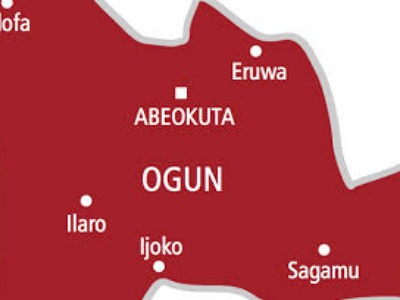
The Ogun State Police Command has taken a 56-year-old man, Madarikan Emehinola, into custody in connection with a suspected arson incident that claimed the life of his 40-year-old wife, Igbagbo Erobe, in the Igbo-Edu area of Ogun Waterside Local Government Area.
The incident was reported at the Abigi Divisional Police Headquarters on Sunday, October 18, 2026, following information that a house had been set ablaze, resulting in the woman’s death.
SEE ALSO: Tinubu vs Obi: Omokri Fires Back at Peter Okoye Over Call to Retire Older Politicians
The Ogun State Police Command disclosed the development in a press release issued on Sunday, stating that the husband was in custody in connection with the incident.
The deceased’s body has been deposited at a mortuary for post-mortem examination to establish further details surrounding her death.
The police also disclosed that the case was being processed for transfer to the State Criminal Investigation Department (SCID), Eleweran, Abeokuta, for further investigation.
The Commissioner of Police in Ogun State, CP Bode Ojajuni, psc, FCSS, MNIPR, assured the public that the matter would be investigated diligently and professionally in accordance with the law.
According to the statement, the commissioner assured the public that “the matter will be investigated diligently and professionally in accordance with the law.”
Ojajuni reiterated the command’s commitment to protecting lives and property, stressing that allegations of serious crimes would receive appropriate investigative attention.
The command also called on members of the public to report suspicious activities promptly and provide credible information that could assist crime prevention and ongoing investigations.
“The Command urges members of the public to report suspicious activities promptly and provide credible information that may assist crime prevention and ongoing investigations,” the statement read.
The circumstances surrounding the fire and the alleged involvement of the husband remain subject to investigation.
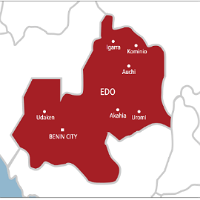
The National Drug Law Enforcement Agency (NDLEA) has arrested an 85-year-old woman, Grace Ehimeka, after recovering 179 kilogrammes of skunk from her during anti-drug operations in Owan East Local Government Area of Edo State.
Ehimeka was among six suspects arrested during raids conducted by NDLEA operatives in the area as part of a series of nationwide operations targeting illicit drugs.
The operations in Edo State also led to the recovery of another 220.8 kilogrammes of skunk, alongside smaller quantities of cannabis and other controlled substances.
ALSO READ: Edo Police Probe Officer Seen Firing Rifle During Clash With Traffic Officials
The arrest was one of several recorded during the agency’s nationwide operations, which resulted in major drug seizures across multiple states.
In Lagos, the NDLEA seized 8,725 kilogrammes of tramadol hydrochloride powder worth over ₦6.98 billion at Apapa Port. The shipment, which originated from India, had been declared as maize starch.
The agency also intercepted cannabis concealed in palm oil at the Mallam Aminu Kano International Airport. The consignment was allegedly intended for Saudi Arabia, while two suspects were arrested in connection with the case.
In Ondo State, operatives destroyed an estimated 7,500 kilogrammes of skunk cultivated on three hectares of farmland and arrested five suspects.
Other seizures were recorded in Bauchi, Kano, Kaduna and the Federal Capital Territory, including large quantities of tramadol, Exol-5 tablets and cannabis.
The operations formed part of the NDLEA’s ongoing efforts to disrupt the trafficking and distribution of illicit drugs across the country.

A 70-year-old man, Alhaji Saleh Kasim, has been killed during a bandit attack on Gamji Village in Sabuwa Local Government Area of Katsina State, while 27 abducted residents have been rescued by security forces.
The Katsina State Government disclosed this in a press release issued on Saturday by the Commissioner for Internal Security and Home Affairs, Dr Nasir Mu’azu.
According to the statement, about 40 armed bandits, led by a suspected gang leader identified as Kachalla Alhaji Bawa Kabir, invaded the community in the early hours of October 16, 2026.
SEE ALSO: Two Suspected Bandits in Police Net in Katsina
The attackers reportedly arrived on 20 motorcycles, abducted 27 residents, mostly women, children and elderly people, and rustled six cows.
The government said Kasim was shot dead during the attack.
Following credible intelligence, troops of the 17 Brigade, working with local hunters and the Community Watch Corps, moved to block the attackers’ escape routes towards the Madaci forest enclave.
At about 6 p.m. on the same day, the troops engaged the bandits at Tashar Bawa forest and successfully rescued all 27 abducted residents.
The rescued victims were subsequently taken to the Machika Military Forward Operating Base for medical attention.
The statement added that joint security teams had commenced clearance operations to flush out the remaining members of the gang and prevent possible reprisal attacks on the community.
The Katsina State Government, under Governor Dikko Umaru Radda, reaffirmed its commitment to protecting residents across the state.
Mu’azu commended the troops and community-based security groups for their swift response to the incident.






Renaissance, Sterling Bank Back Indigenous Oil and Gas Contractors Financially
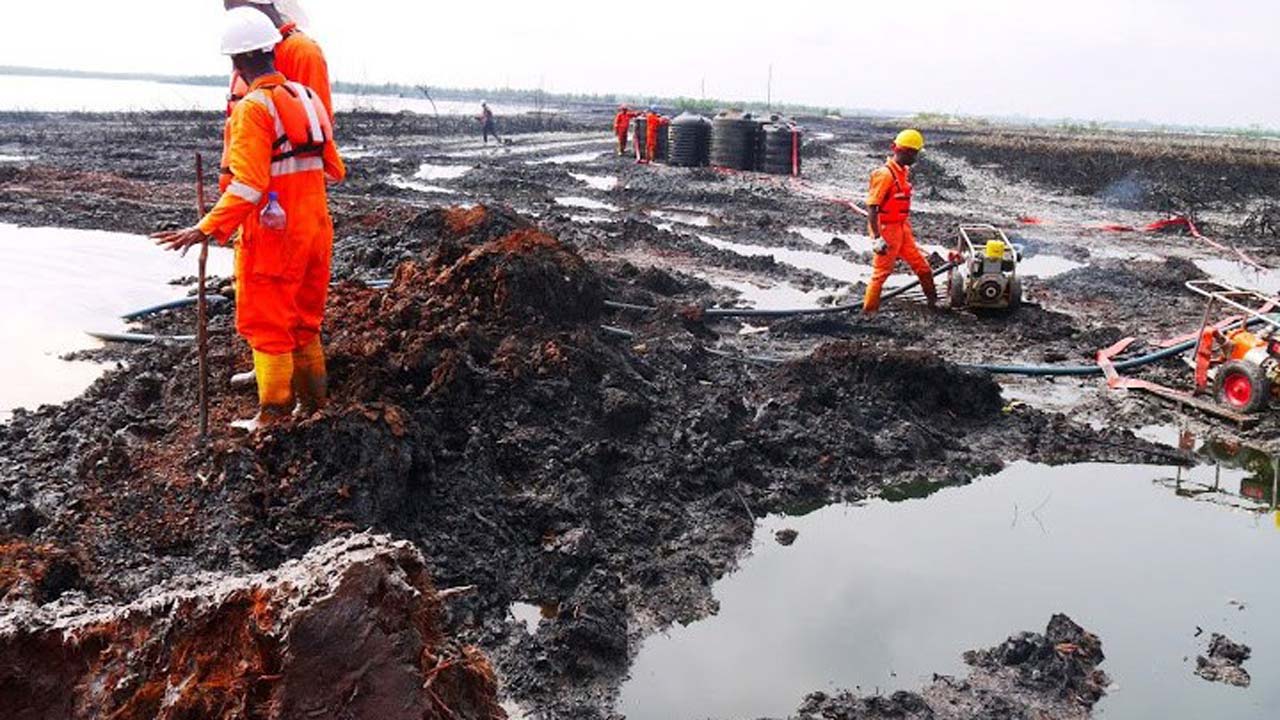
Group Demands Fair Share of NNPC Jobs for Ogoni Oil Exploration

NNPC Ltd Exploration Spending Down 87%

200 Imo Teachers Benefit from NCDMB’s Effective Curriculum Training
FG to Launch National Lead Poisoning Prevention Plan Wednesday

EndSARS Memorial: ‘Nigerians Still Deserve Answers’ – Atiku

Trump’s Family Unveils New Cryptocurrency Platform

Senate Denies Receiving Petitions Against Tinubu’s Ambassadorial Nominees

Dangote Cement Lights Up Benue Host Communities With CSR Initiatives

Reps Recommend 3-year Jail Term For Aviation minister

Tems Sets New Record On Billboard Hot 100 Chart
