
Crime
Emefiele’s Naira Redesign Did Not Match Presidential Approval, Says Witness

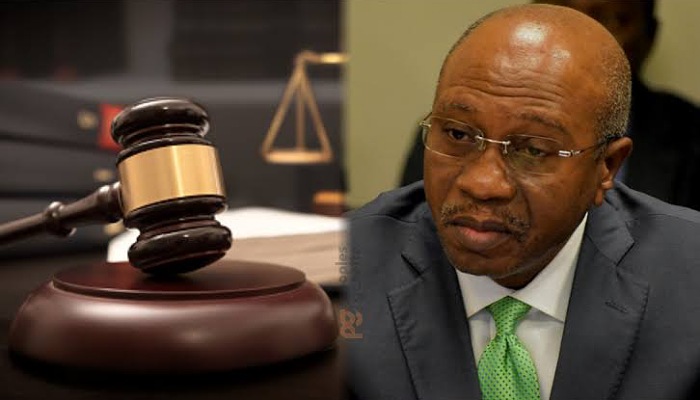
The trial of former Central Bank of Nigeria (CBN) Governor Godwin Emefiele continued in the Federal Capital Territory High Court on Thursday, November 14, 2024, with explosive testimony from Kingsley Obiora, the former Deputy Governor in charge of Policy at the CBN.
Obiora, who served under Emefiele, told the court that the new naira notes issued during Emefiele’s tenure did not match the version approved by President Muhammadu Buhari.
READ ALSO: Vandals Wreak Havoc On Obajana Substation – TCN
Appearing virtually before Justice Maryann Anenih, Obiora explained that he noticed a discrepancy between the President’s original approval and the currency that was eventually produced and circulated.
His testimony followed a presentation of evidence by prosecution counsel, Rotimi Oyedepo SAN, which highlighted the differences between the two versions.
Obiora, who worked at the CBN for over seven years, further described his role within the CBN’s Committee of Governors (COG), a key decision-making body led by Emefiele.
According to Obiora, the committee, which included the governor, deputy governors, and the director of corporate services, met weekly to discuss critical bank policies.
During his testimony, Obiora recounted the events leading up to the controversial currency redesign.
He explained that on October 25, 2022, Emefiele informed the deputy governors of the plan during an event in Lagos marking the anniversary of the e-naira.
Obiora voiced concerns about announcing such a major policy at the event but was overruled when the redesign proposal was formally presented the following day in a COG meeting.
Emefiele reportedly told the committee that the President had already approved the redesign.
The policy was subsequently discussed and approved by the COG, and a public announcement was made by Emefiele and other senior CBN officials.
However, Obiora noted that the CBN Board was only formally informed about the redesign in December 2022, months after the policy had been set in motion.
He clarified that the board’s involvement was limited to endorsing the decisions made by the COG.
Under cross-examination by defence counsel Olalekan Ojo SAN, Obiora confirmed that the December 2022 Board meeting aligned with the notes eventually released into circulation, but reiterated that the board did not play a role in initiating the redesign.
He also stated that there had been no complaints from President Buhari about the policy.
Reflecting on his past involvement with currency redesigns, Obiora noted his participation in the 2014 N100 note redesign but emphasized that he had not been directly involved in that process.
After hearing his testimony, Justice Anenih adjourned the case until December 4, 2024, with further hearings scheduled for January 21, 2025.











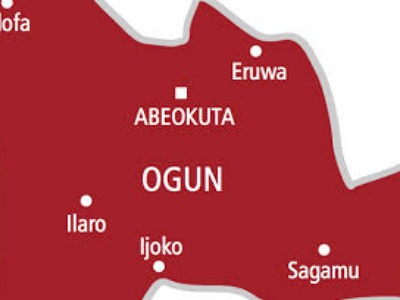
The Ogun State Police Command has taken a 56-year-old man, Madarikan Emehinola, into custody in connection with a suspected arson incident that claimed the life of his 40-year-old wife, Igbagbo Erobe, in the Igbo-Edu area of Ogun Waterside Local Government Area.
The incident was reported at the Abigi Divisional Police Headquarters on Sunday, October 18, 2026, following information that a house had been set ablaze, resulting in the woman’s death.
SEE ALSO: Tinubu vs Obi: Omokri Fires Back at Peter Okoye Over Call to Retire Older Politicians
The Ogun State Police Command disclosed the development in a press release issued on Sunday, stating that the husband was in custody in connection with the incident.
The deceased’s body has been deposited at a mortuary for post-mortem examination to establish further details surrounding her death.
The police also disclosed that the case was being processed for transfer to the State Criminal Investigation Department (SCID), Eleweran, Abeokuta, for further investigation.
The Commissioner of Police in Ogun State, CP Bode Ojajuni, psc, FCSS, MNIPR, assured the public that the matter would be investigated diligently and professionally in accordance with the law.
According to the statement, the commissioner assured the public that “the matter will be investigated diligently and professionally in accordance with the law.”
Ojajuni reiterated the command’s commitment to protecting lives and property, stressing that allegations of serious crimes would receive appropriate investigative attention.
The command also called on members of the public to report suspicious activities promptly and provide credible information that could assist crime prevention and ongoing investigations.
“The Command urges members of the public to report suspicious activities promptly and provide credible information that may assist crime prevention and ongoing investigations,” the statement read.
The circumstances surrounding the fire and the alleged involvement of the husband remain subject to investigation.
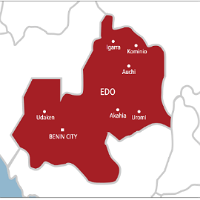
The National Drug Law Enforcement Agency (NDLEA) has arrested an 85-year-old woman, Grace Ehimeka, after recovering 179 kilogrammes of skunk from her during anti-drug operations in Owan East Local Government Area of Edo State.
Ehimeka was among six suspects arrested during raids conducted by NDLEA operatives in the area as part of a series of nationwide operations targeting illicit drugs.
The operations in Edo State also led to the recovery of another 220.8 kilogrammes of skunk, alongside smaller quantities of cannabis and other controlled substances.
ALSO READ: Edo Police Probe Officer Seen Firing Rifle During Clash With Traffic Officials
The arrest was one of several recorded during the agency’s nationwide operations, which resulted in major drug seizures across multiple states.
In Lagos, the NDLEA seized 8,725 kilogrammes of tramadol hydrochloride powder worth over ₦6.98 billion at Apapa Port. The shipment, which originated from India, had been declared as maize starch.
The agency also intercepted cannabis concealed in palm oil at the Mallam Aminu Kano International Airport. The consignment was allegedly intended for Saudi Arabia, while two suspects were arrested in connection with the case.
In Ondo State, operatives destroyed an estimated 7,500 kilogrammes of skunk cultivated on three hectares of farmland and arrested five suspects.
Other seizures were recorded in Bauchi, Kano, Kaduna and the Federal Capital Territory, including large quantities of tramadol, Exol-5 tablets and cannabis.
The operations formed part of the NDLEA’s ongoing efforts to disrupt the trafficking and distribution of illicit drugs across the country.

A 70-year-old man, Alhaji Saleh Kasim, has been killed during a bandit attack on Gamji Village in Sabuwa Local Government Area of Katsina State, while 27 abducted residents have been rescued by security forces.
The Katsina State Government disclosed this in a press release issued on Saturday by the Commissioner for Internal Security and Home Affairs, Dr Nasir Mu’azu.
According to the statement, about 40 armed bandits, led by a suspected gang leader identified as Kachalla Alhaji Bawa Kabir, invaded the community in the early hours of October 16, 2026.
SEE ALSO: Two Suspected Bandits in Police Net in Katsina
The attackers reportedly arrived on 20 motorcycles, abducted 27 residents, mostly women, children and elderly people, and rustled six cows.
The government said Kasim was shot dead during the attack.
Following credible intelligence, troops of the 17 Brigade, working with local hunters and the Community Watch Corps, moved to block the attackers’ escape routes towards the Madaci forest enclave.
At about 6 p.m. on the same day, the troops engaged the bandits at Tashar Bawa forest and successfully rescued all 27 abducted residents.
The rescued victims were subsequently taken to the Machika Military Forward Operating Base for medical attention.
The statement added that joint security teams had commenced clearance operations to flush out the remaining members of the gang and prevent possible reprisal attacks on the community.
The Katsina State Government, under Governor Dikko Umaru Radda, reaffirmed its commitment to protecting residents across the state.
Mu’azu commended the troops and community-based security groups for their swift response to the incident.






With Crude at $111, IEA Sees Prolonged Crisis

NCDMB Joins Hand with Manufacturers to Boost Local Oil, Gas Components Production

Dangote Preaches Ambition, Africa First to Nigerian Creatives

Protest Against Oil Company’s Vessel in Rivers Takes 10 Lives

FRSC Warns Drivers After Brake Failure Kills Two in Kano Crash

AAC Seeks Tinubu’s Approval, Logistical Support for 5,000 at Campaign Event

Trump’s Family Unveils New Cryptocurrency Platform

Senate Denies Receiving Petitions Against Tinubu’s Ambassadorial Nominees

Dangote Cement Lights Up Benue Host Communities With CSR Initiatives

Reps Recommend 3-year Jail Term For Aviation minister

Tems Sets New Record On Billboard Hot 100 Chart
