
NEWS
FAAC Distributes March Revenue To States

The Federation Account Allocation Committee (FAAC) has allocated revenue to state governments for March 2024, with disbursements shared in April.
The total allocation reflects the economic activities and federal revenue distribution, ensuring each state receives funds necessary for governance and development.
Leading the recipients, Delta State received the highest allocation of N37.9 billion, closely followed by Rivers State with N33.3 billion and Lagos State with N29.3 billion.
These states continue to benefit significantly from their robust economic activities and contributions to the national economy.
In the oil-rich regions, Akwa Ibom and Bayelsa states were allocated N25.9 billion and N25.6 billion respectively, reflecting their substantial roles in Nigeria’s petroleum industry. The substantial allocations underscore the importance of these states in the nation’s revenue generation.
Other notable allocations include Anambra with N10.9 billion, Borno with N10.6 billion, and Edo also with N10.6 billion. Oyo State received N11.5 billion, highlighting its economic relevance in the south-western region.
Kano State, a major commercial hub in the north, was allocated N14.5 billion, signifying its significant population and economic activities. Kaduna and Jigawa received N7.9 billion and N10.2 billion respectively, while Katsina was allocated N10.4 billion, reflecting their strategic importance in the northern region.
In the south-east, Abia received N9.2 billion, while Imo and Enugu were allocated N9.4 billion and N8.8 billion respectively. Ebonyi received N7.6 billion, which aligns with the revenue distribution trend within the region.
States such as Ekiti and Osun in the south-west received N7.2 billion and N7.3 billion respectively. Ogun, despite being a significant economic player, was allocated N6.7 billion, similar to Cross River State in the south-south region.
Gombe and Kwara were both allocated N7.3 billion, while Kogi and Plateau received N7.7 billion and N7.6 billion respectively, highlighting the balanced distribution across states with varying economic capabilities.
The FAAC allocation aims to ensure equitable distribution of national revenue, enabling states to meet their developmental goals and address local needs. This distribution underscores the federal commitment to supporting states in their socio-economic responsibilities.
Full Breakdown of Allocations:
Abia: N9.2 billion
Adamawa: N8.6 billion
Akwa Ibom: N25.9 billion
Anambra: N10.9 billion
Bauchi: N8.3 billion
Bayelsa: N25.6 billion
Benue: N10.4 billion
Borno: N10.6 billion
Cross River: N6.7 billion
Delta: N37.9 billion
Ebonyi: N7.6 billion
Edo: N10.6 billion
Ekiti: N7.2 billion
Enugu: N8.8 billion
Gombe: N7.3 billion
Imo: N9.4 billion
Jigawa: N10.2 billion
Kaduna: N7.9 billion
Kano: N14.5 billion
Katsina: N10.4 billion
Kebbi: N9.1 billion
Kogi: N7.7 billion
Kwara: N7.7 billion
Lagos: N29.3 billion
Nasarawa: N7.8 billion
Niger: N9.1 billion
Ogun: N6.7 billion
Ondo: N10.5 billion
Osun: N7.3 billion
Oyo: N11.5 billion
Plateau: N7.6 billion
Rivers: N33.3 billion
Sokoto: N8.8 billion
Taraba: N7.9 billion
Yobe: N7.9 billion
Zamfara: N8.1 billion
This equitable distribution is crucial for addressing local development needs and fostering balanced growth across Nigeria’s diverse regions.






The Transmission Company of Nigeria (TCN) has commenced the final phase of restoration works on the 330kV Kainji–Birnin Kebbi Transmission Line following the recent collapse of Tower T367 along the line corridor.
TCN, in an update issued on Wednesday, said significant progress had been recorded at the affected location in Yauri, where restoration activities are ongoing.
ALSO READ: TCN Restores 330kV Shiroro–Mando Line, Strengthens Power Supply to Kaduna
According to the company, the collapsed transmission tower has now been completely dismantled and decommissioned, while the conductors and skywire have been properly aligned and prepared for the next stage of the restoration process.
TCN also disclosed that an Emergency Restoration System (ERS) tower has been moved to the site and is ready for installation.
The company said the installation would be followed by cable stringing and other associated works towards the restoration of the affected transmission line.
“Our engineers and technical personnel remain actively engaged at the site and are working hard to ensure a quick completion and restoration of the line.”
TCN said it remained committed to restoring normal bulk transmission as soon as possible and appealed to electricity consumers and other stakeholders affected by the incident for patience and understanding.
“TCN appreciates the patience and understanding of electricity consumers and other stakeholders affected by the incident and assures the public that every effort is being made to restore the line and consequently, normal bulk transmission as soon as possible.”

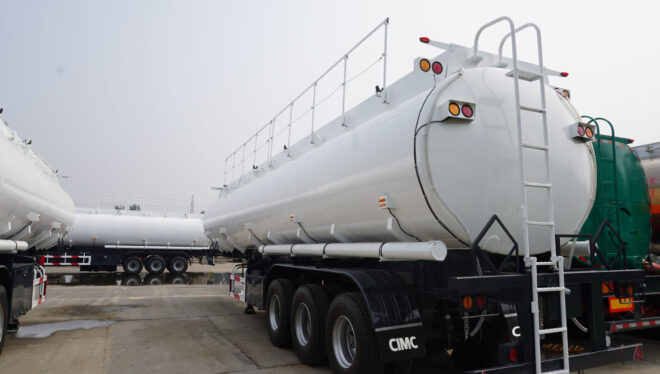
The National Union of Edible Oil Tanker Drivers of Nigeria (NUEOTDN) has suspended its planned nationwide strike scheduled to begin Wednesday following Federal Government intervention in its dispute with operators in the edible oil industry.
The last-minute suspension averted a potential disruption in the transportation and distribution of edible oil across the country, with the union directing members to maintain normal operations while negotiations continue.
READ ALSO: Tinubu Applauds $800m FID on Ima Gas Project
NUEOTDN President, Ilias Aperun, announced the decision in a statement dated September 22, saying interventions by President Bola Tinubu and the Department of State Services (DSS) had opened discussions towards resolving the issues that prompted the planned industrial action.
“The planned industrial action scheduled to commence today, 23rd September 2026, has been suspended.”
Aperun said the union decided to give the government intervention time to produce results in the interest of economic stability and protection of the edible oil supply chain.
“In the interest of peace, national economic stability and the protection of the edible oil supply chain, the Union has decided to suspend the planned action and give room for the ongoing government intervention,” he said.
The union consequently directed its members and other stakeholders to halt preparations for the strike and continue normal operations pending further directives.
Aperun said discussions aimed at resolving the dispute were already underway, adding that the union remained committed to protecting the welfare and legitimate interests of its members without jeopardising the supply of edible oil.
“The NUEOTDN remains committed to the protection of the public health of the masses, welfare and legitimate interests of its comrades, while also supporting a peaceful and sustainable resolution of the issues at stake,” he said.
He urged stakeholders in the industry to cooperate with the ongoing negotiations, saying constructive engagement remained necessary to resolve the issues raised by the tanker drivers.
The union expressed appreciation to the Federal Government for its intervention and urged members to remain calm while awaiting the outcome of the discussions.
Aperun said further developments would be communicated as negotiations progressed.
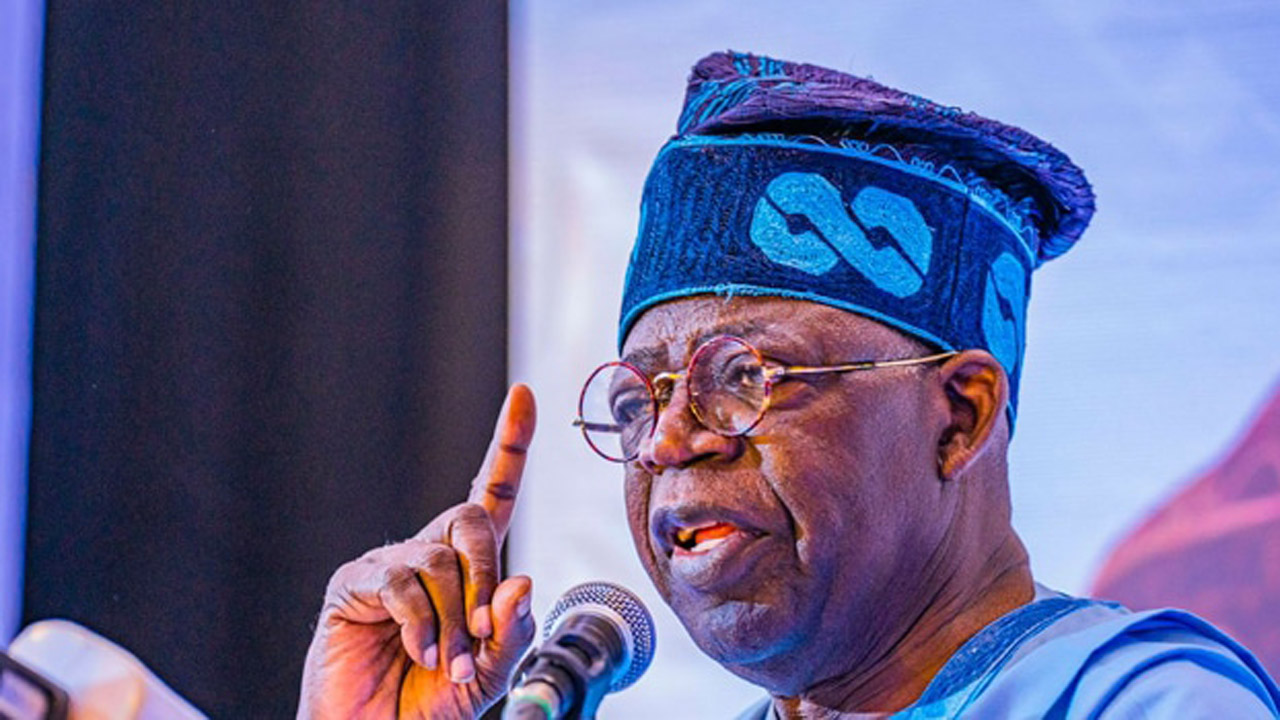
President Bola Ahmed Tinubu has welcomed the construction of a $12 million Abuja Centre for Entrepreneurship, saying the facility will strengthen Nigeria’s Micro, Small and Medium Enterprises (MSME) ecosystem and create more opportunities for businesses to grow and generate jobs.
The President made this known in a statement issued on Wednesday by his Special Adviser on Information and Strategy, Bayo Onanuga.
The Abuja Centre for Entrepreneurship (ACE) is being developed at the SMEDAN Industrial Development Centre in Idu, Abuja, with funding from the Republic of Korea through the Korea International Cooperation Agency (KOICA).
SEE ALSO: Tinubu Applauds $800m FID on Ima Gas Project
The project is being implemented in partnership with the Federal Government through the Small and Medium Enterprises Development Agency of Nigeria (SMEDAN) and the United Nations Development Programme (UNDP).
The centre will provide workspaces, digital facilities, training, incubation and enterprise support for aspiring entrepreneurs, start-ups and existing businesses.
According to the statement, the facility has an initial target of supporting 500 entrepreneurs, 400 start-ups and 1,500 MSMEs.
About $5.9 million of the investment will be allocated to construction, while $6.1 million will fund equipment and programmes designed to support entrepreneurs and businesses.
Tinubu said the centre would help establish, strengthen and grow businesses.
“Small businesses are an important part of our economy. They employ people, support families and create activity in communities across the country.
“Many entrepreneurs already have the ideas and the determination to succeed. What they often need is better access to facilities, technology, training and the support that can help their businesses grow.
“This Centre will provide more of that support and strengthen the ecosystem around them,” he said.
The centre is expected to serve businesses in Abuja and surrounding cities, including Kaduna, Jos, Keffi, Lafia, Minna, Makurdi and Lokoja.
It is also expected to contribute to strengthening the wider entrepreneurship and MSME ecosystem across Northern Nigeria.
The President said the Federal Government would continue to expand the conditions that allow small businesses to grow and compete.
“We want more Nigerians to be able to start businesses, grow them and employ others.
“We also want existing small businesses to have better access to the tools and support they need to become stronger and more productive.
“That is important for jobs, incomes and the wider economy,” Tinubu said.
He added that the project complements the administration’s wider investments in digital skills, entrepreneurship, enterprise development and support for MSMEs.
The centre has also been designed to accommodate women and persons with disabilities. It will include accessible facilities and crèche services for women with young children.
While construction is ongoing, SMEDAN, KOICA and UNDP will work with universities, incubators, financial institutions, private-sector organisations and entrepreneur networks to build a wider support system around the centre.
The partners will also identify businesses that can benefit from the centre’s programmes.
Tinubu thanked the South Korean government for the $12 million investment and commended KOICA, UNDP and SMEDAN for advancing the project to the construction stage.
He said Nigeria would continue to welcome investments and partnerships that strengthen local businesses, deepen enterprise development and create more jobs.
“Our economy will be stronger when more Nigerian businesses can start, survive and grow.
“We must keep building the support around them and opening more opportunities for enterprise across the country,” the President said.






FCT Generates More IGR Than Six North Central States Combined in Three Years

Dangote to Support Two Million Women with Refinery IPO Share Ownership

NGX Invest Expands Primary Market Access with WhatsApp Subscription Channel
Kainji–Birnin Kebbi Power Line: TCN Begins Final Phase of Restoration

2027 Polls: ‘Poor Funding Could Undermine Election Security, Logistics’ — INEC Chairman Warns

N4bn Compensation Dispute Threatens Ikot Abasi Power Project

Trump’s Family Unveils New Cryptocurrency Platform

Senate Denies Receiving Petitions Against Tinubu’s Ambassadorial Nominees

Dangote Cement Lights Up Benue Host Communities With CSR Initiatives

Reps Recommend 3-year Jail Term For Aviation minister

Tems Sets New Record On Billboard Hot 100 Chart
