
NEWS
JUST IN: PSC Approves Appointment of New DIGs, Others


The appointment of Assistant Inspectors General of Police (AIGs) Frank Mba and Bala Ciroma as Deputy Inspectors General of Police (DIGs) has been approved by the Police Service Commission (PSC).
The spokesperson of the Police Service Commission (PSC), Ikechukwu Ani, released a statement confirming the development on Friday.
The statement also revealed that DIG Ciroma will be assuming the position previously held by DIG Ali Janga, who has retired from service. DIG Janga had represented the North-East geopolitical zone in the Police Management Team.
The statement reads “DIG Ciroma, the most senior Officer from the zone will henceforth represent the zone. DIG Mba will represent the South East zone and replace retired DIG John Amadi who before his retirement represented the zone,”
Additionally, the Police Service Commission (PSC) also gave its approval for the promotion of 14 Commissioners of Police to the rank of Assistant Inspectors General of Police and 22 Deputy Commissioners of Police (DCPs) to the rank of Commissioners.
The Police Service Commission (PSC) stated that these decisions were the key highlights of the 21st Plenary Meeting of the Commission.
The meeting was chaired by Solomon Arase, a former Inspector General of Police, and was attended by all members of the commission, including Dr. (Mrs) Ifeoma Adaora Anyanwutaku, the Permanent Secretary/Secretary to the commission.
The newly appointed Assistant Inspectors General of Police (AIGs) include CP Abubakar Lawal, CP Alhassan Aminu, CP Abdul Umar, CP Shettima Zannah, CP Ebong Eyibio Ebong, CP Adepoju Ayiinde Ilori, CP Okon Okon Effiong, CP Echeng Eworo Echeng, CP Susan Ukpanukiema Horsfall, CP Bankole Lanre Sikiru, CP Oladimeji Yomi Olarewaju, CP Sani Gwarzo, and CP Odama Paul Ojeka.
Among the 22 Deputy Commissioners of Police (DCPs) who have been promoted to the rank of Commissioners are DCP Abibo Deinma Reuben, DCP Thomas Abraham Nabhoni, DCP Wakil Abdul Salamai, DCP Enyinnaya Inonachi, DCP Ronke Nurat Okunade, and DCP Adekunle Ismail Olusokan.
In addition to the mentioned officers, the other Deputy Commissioners of Police (DCPs) who were promoted to the rank of Commissioners include DCP Hassan Abdu Yabnet, DCP Festus Chinedu Oko, DCP Aminu Baba Raji, DCP Omolara Ibidun Oluntola, DCP Akoh Benedict Gabriel, DCP Alamutu Abiodun Mustapha, DCP Bafda Magaji Jahun, DCP Ahmadu Tijani Abdullahi, DCP Mohamned Mu’azu, DCP Bretet Emmanuel Simon, DCP Ihebom M Chukuma, DCP Shettima Mohammed Qurtu, DCP Olatokunbo Maxwell Olabisi, DCP Yusuf Mohammed Lawal, DCP Monica Leo, and DCP Abaniwonda Surajudeen Olufemi.
Furthermore, the Police Service Commission (PSC) also approved the promotion of 24 Assistant Commissioners of Police to the rank of Deputy Commissioners.
They include ACP Ezekiel Ibrahim, Project Monitoring Unit, Force Headquarters, Abuja; Mohammed Shamsudeen, Assistant Director, OPS, Kaduna (NCCSALW); ACP Khan Salihu Usman, Networking Admin ICT FHQ, Abuja; ACP Wan Mantu Chongs, Commander PMF 19 Portharcourt; and Baba Lawan Audu, Area Commander, Exeter Akwa-Ibom State Command.
Furthermore, the appointed individuals also include Okon Etim Asuquo from the Department of Operations, Benue State Command, and Louis Chike Nwabuwa from the Department of Operations, Plateau State Command. ACP Samuel Osman Onoja from the Police College Oji River, ACP Sa’ad Yahaya, and ACP Ibrahim Jibrin serving as Commanders of 76 PMF (Police Mobile Force), Nsukka and 56 PMF Ogoni, respectively, were also granted the appointments.
Additionally, the Police Service Commission (PSC) approved the promotion of 39 Chief Superintendents of Police (CSPs) to the rank of Assistant Commissioners of Police (ACPs). This includes CSPs Joseph Udoh, Nze Helen Omeba, Uduaku Isaac Udom, Anthony Francis Etim, Benjamin Kelembus Bello, Abdullahi Idris Abubakar, Ogbonnaya Nwota, Daiyabu Mohammed Ahmed, and several others.
The PSC also granted the acting appointment of CSP Akande Bamidele as Acting Assistant Commissioner of Police.
During the Plenary Meeting, the two newly appointed Assistant Inspectors General of Police (AIGs), 14 Commissioners of Police (CPs), and 22 Deputy Commissioners of Police (DCPs) were required to appear before the Commission for an interactive session as part of the process for their new ranks.
In addition to the promotions, the plenary meeting also approved a new Instrument of Delegation that grants delegated powers to the Inspector General of Police.
Chairman Solomon Arase extended his congratulations to the newly promoted officers and urged them to reciprocate the goodwill shown by the commission by rededicating themselves to the service of their country.
Arase further assured that police promotions would be conducted regularly, aiming to prevent officers from experiencing stagnation in any rank.
He commended the commitment and sacrifices made by the other members of the commission, emphasizing that a new and brighter future awaits the Nigeria Police Force.
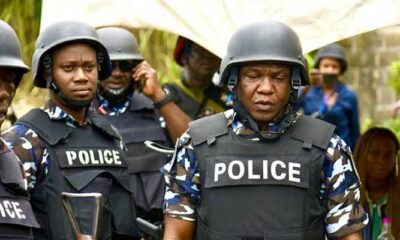










The Nigeria Police Force has rescued an abducted farmer, Nafi’u Abubakar Sarki, as security operatives continue efforts to locate 10 other farmers abducted by armed bandits in Maru Local Government Area of Zamfara State.
The rescue operation followed the abduction of 11 farmers at Kamfanin Madam Village, according to the police operational update issued on Sunday, October 18, 2026.
The police said tactical teams, working alongside local vigilantes, traced the escape route used by the suspected bandits in an effort to locate the victims.
SEE ALSO: Two Suspected Bandits in Police Net in Katsina
“Police Tactical Teams and local vigilantes successfully traced the escape route of armed bandits who abducted 11 farmers at Kamfanin Madam Village, Maru LGA,” the statement said.
It added that “one of the abducted victims, Nafi’u Abubakar Sarki, was safely rescued unharmed, while operations continue for the rescue of the remaining victims.”
The police identified the State Criminal Investigation Department (SCID) in Gusau as the unit investigating the incident.
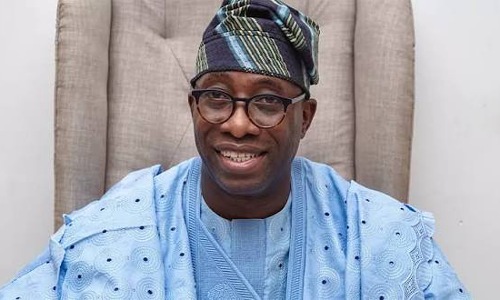
Otunba Segun Showunmi, a member of the Tinubu/Shettima Presidential Campaign Council (PCC) for 2027, has urged the South-East to assess President Bola Tinubu’s administration based on verifiable projects and measurable results rather than political propaganda.
Showunmi made the call in a statement posted on X on Saturday, urging Nigerians to evaluate the government’s performance based on infrastructure delivery, funds committed to projects and their impact on communities.
He said federal infrastructure initiatives targeting the South-East under Tinubu’s administration deserved serious scrutiny and factual assessment, adding that unfulfilled promises should continue to be pursued until the expected results were delivered.
SEE ALSO: 2027 Election: ‘Look Beyond the Noise’ – Showunmi Urges Nigerians to Give Tinubu More Time
“Our message is clear: We will not trade facts for propaganda, nor accountability for political loyalty!” he said.
The political figure challenged critics of the administration to provide evidence to support their claims, while urging those defending the government to present the projects and demonstrate their impact.
He also called on government officials to publish relevant figures, disclose project timelines and provide measurable results, insisting that no public official should be exempt from scrutiny.
According to Showunmi, the South-East deserves infrastructure that supports economic growth, including roads that connect markets, investments that create jobs and policies that expand economic opportunities.
He maintained that political representation must translate into tangible benefits for citizens, stressing that public office should deliver value to the people.
As part of his call to action, Showunmi urged Nigerians to scrutinise government records, challenge misinformation with evidence and demand the completion of outstanding projects.
He further called for public commitments to be matched by measurable delivery, arguing that leadership should be assessed by facts and results rather than political rhetoric.
Ending his statement with the slogan, “Asiwaju is a goal,” Showunmi called for accountability and greater inclusion of the South-East in Nigeria’s development.
Showunmi is associated with The Alternative and is a member of the Tinubu/Shettima Presidential Campaign Council for the 2027 elections.

The Lagos State Traffic Management Authority (LASTMA) on Saturday announced a temporary road closure near Apostolic Church, inward Toll Gate, to allow engineers to install a beam on a height-restriction structure.
The agency said the installation was aimed at preventing high-rise trailers from accessing the newly constructed pedestrian bridge.
ALSO READ: LASTMA Alerts Motorists to Traffic Delays on Ogunnusi Road
“Currently, one lane has been occupied to facilitate the ongoing construction work, while the remaining two lanes are available to motorists,” LASTMA stated.
The agency advised road users to approach the affected corridor with caution and follow the directions of its personnel deployed to the area.
“Road users are advised to approach the affected corridor with caution and follow the directions of our personnel who are on ground to ensure the smooth flow of vehicular movement,” the statement added.
LASTMA also urged motorists to remain patient while the installation work continued.
“Motorists are encouraged to exercise patience while the installation work is in progress,” the agency stated.






Zamfara: Farmer rescued as search for 10 others continues

Showunmi Urges South-East to Judge Tinubu by Projects, Not Propaganda

2027: ‘North Has No Reason to Break Agreement’ — Gov Yusuf Backs Tinubu

Aircraft Averts Crash, After Losing Door Mid-Air in Abuja

Bandits Kill 70-Year-Old Man in Katsina, 27 Victims Rescued

‘Nigeria Is Doomed Under Tinubu’ — Kenneth Okonkwo Backs Atiku for 2027

Trump’s Family Unveils New Cryptocurrency Platform

Senate Denies Receiving Petitions Against Tinubu’s Ambassadorial Nominees

Dangote Cement Lights Up Benue Host Communities With CSR Initiatives

Reps Recommend 3-year Jail Term For Aviation minister

Tems Sets New Record On Billboard Hot 100 Chart
