
NEWS
Kwara Families In Despair As Bandits Demand ₦500m For Five Abducted Workers

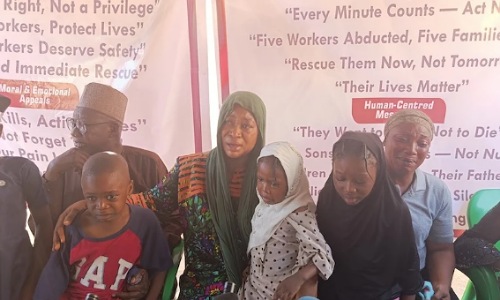
Families of five road construction workers abducted in Kwara State are pleading for urgent government intervention after the kidnappers demanded ₦500 million for their release.
The victims—Ademola Afolabi, Abdullahi Lade, Emmanuel Okuwadare Kayode, Fatai Akin, and their driver, Yusuf—were kidnapped on December 15, 2025, at a Kwara State Government road construction site along the Sabaja/Owa-Onire Road in Isin Local Government Area.
At a press briefing in Ilorin on Monday, Mr. Dare Boyinbogun, representing the victims’ families, accused the government of neglect and described the ransom demand as “a huge burden for ordinary families.”
SEE ALSO: Bar, Bench Back Okpebholo’s Anti-Cultism, Kidnapping War
“Since the abduction, our lives have been suspended between hope and despair. They demanded the sum of 500 million from us. How are we going to raise that?” Boyinbogun lamented, describing the workers as “innocent men contributing to the development of Kwara State and Nigeria.”
He highlighted the emotional and financial strain on the families, many of whom rely solely on the abducted men for survival.
“Every passing hour deepens the trauma of wives, children, and elderly parents. Beyond fear for their lives, there is now hunger, psychological distress, and total uncertainty,” he added.
One of the victims’ wives, Idayat Lade, tearfully appealed for her husband’s release, revealing that the stress caused by the abduction had led to the loss of her baby.
The families called on the Kwara State Government and security agencies to intensify rescue efforts, provide welfare support and counselling, and strengthen security along rural roads and construction corridors to prevent further attacks.
Meanwhile, Governor AbdulRahman AbdulRazaq has directed the police to fish out hoodlums who attacked women protesting near the under-construction Government House in Ilorin during the Christmas holiday.
The governor condemned the assault, describing it as unacceptable, and reaffirmed his administration’s commitment to security, including deploying armed forest guards to combat kidnappers and terrorists in the state.




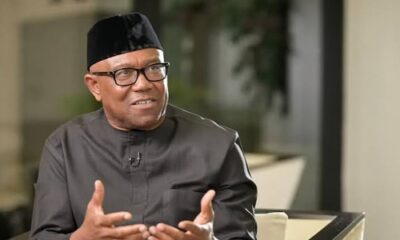

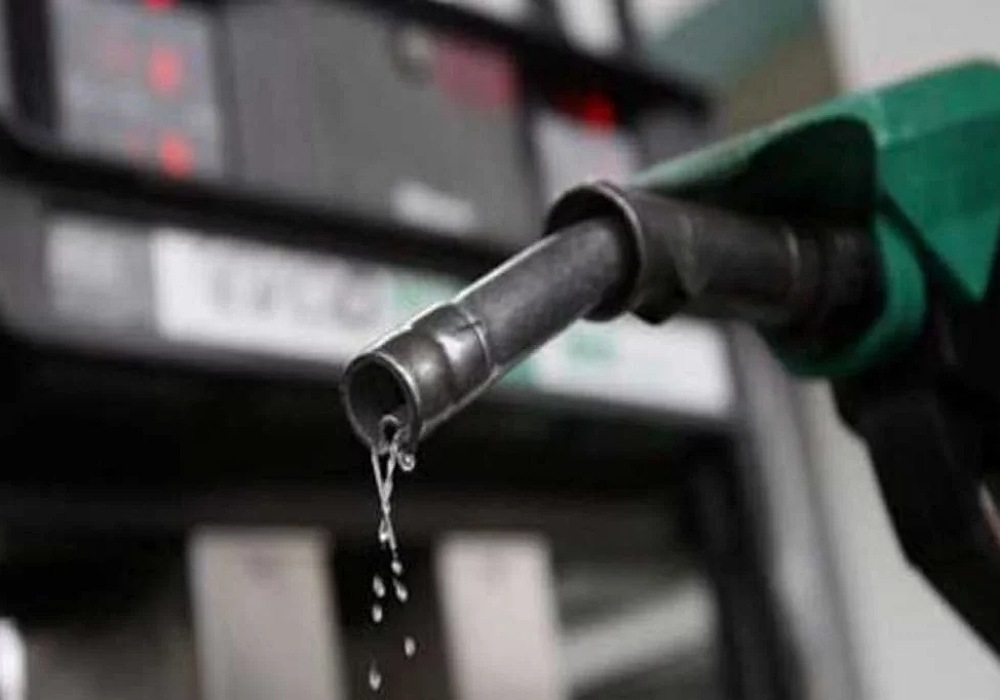
Oil and gas expert, Olabode Sowunmi, has described the Nigerian National Petroleum Company Limited (NNPC) Retail’s 30-day petrol discount as a business decision rather than a government policy.
Sowunmi argued that the initiative was a commercial move by a single market player designed to achieve specific business objectives, rather than a government policy intended to affect all participants in the petroleum industry.
ALSO READ: NNPC Petrol Discount: Oyedele Explains How Lower Margins Could Boost Profits
The energy expert made the remarks during an appearance on The Morning Show on Monday, where he questioned whether the petrol discount should be classified as a policy.
“I’m not sure it’s a policy. I think it was a business decision,” Sowunmi said.
He explained that government policy typically involves a deliberate process designed to influence or regulate the activities of multiple players within a sector.
According to him, the petrol discount differs from such policies because it represents a decision by one company to achieve its own objectives.
“A policy, by definition and by what it is, is a government thought-out process that affects all players. But this is a decision by one single player, calculated to achieve something within their own goals,” he stated.
Sowunmi Cites Telecoms Promotional Offers
To illustrate his argument, Sowunmi compared the petrol discount to promotional offers previously introduced by telecommunications companies to attract customers and strengthen their market positions.
He cited Econet and Vmobile, which operated in Nigeria’s telecommunications market before the emergence of the current industry landscape, as examples of companies that offered promotions such as “buy one, get one free.”
According to him, such offers were commercial decisions made by individual companies and were not intended to change the business strategies of their competitors.
He noted that the promotions were not designed to alter the plans of rival operator MTN but were calculated efforts by the companies to advance their own business interests.
“Businesses do those kind of things as calculated efforts to grow their businesses,” he said.
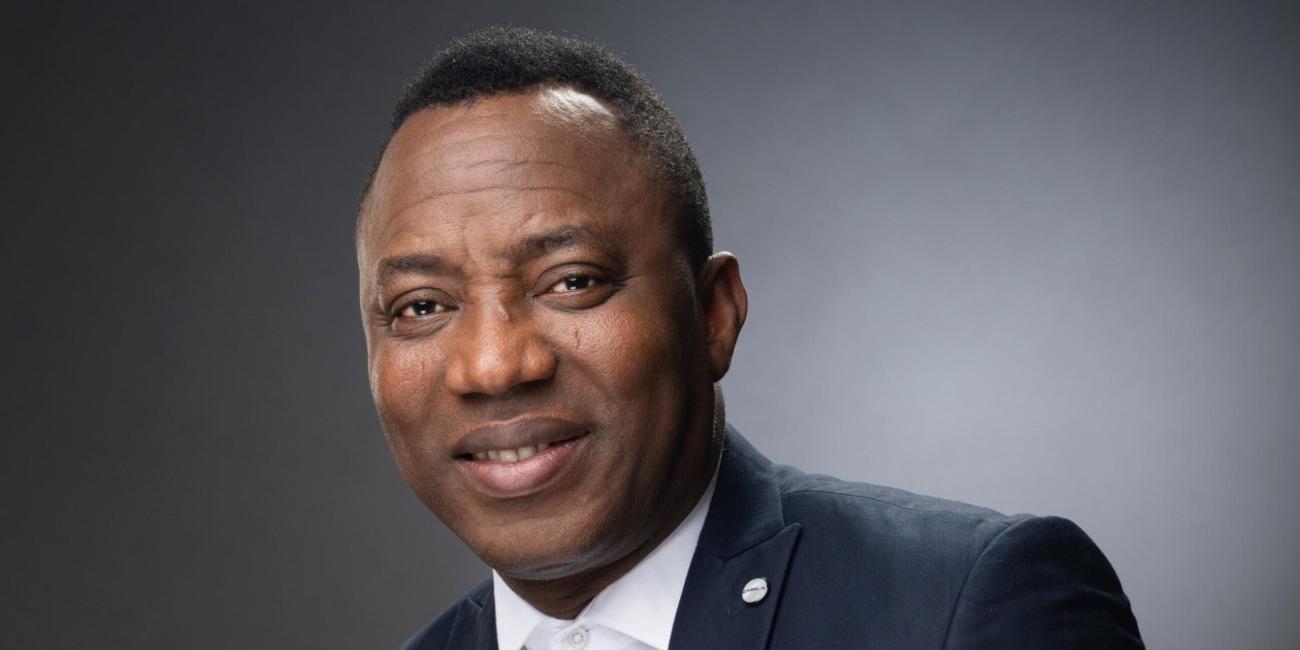
Omoyele Sowore, presidential candidate of the African Action Congress (AAC) for the 2027 presidential election, has declared that his proposed administration would not introduce new taxes if he becomes Nigeria’s president.
Sowore made the clarification following reactions to his interview on African Independent Television (AIT) on Saturday, October 10, 2026, during which he discussed expanding Nigeria’s tax base and bringing more economic activities into the tax system.
In a statement shared on his X account on Monday, the activist said the headline of the interview had created a misleading impression about his position on taxation.
READ ALSO: Nigeria@66: ‘You Wrecked Livelihoods’ — Sowore Fires Back at Tinubu
“Contrary to the misleading impression created by the headline of my recent @AIT_Online interview, let me state categorically that a #Sowore2027 administration has NO plans to introduce new taxes!” he said.
He added, “Nigerians are already overburdened by economic hardship. Our agenda is to create prosperity, not impose additional tax burdens on struggling citizens.”
Sowore also urged Nigerians to watch the video clip of his interview to understand his position directly.
During the interview, the AAC presidential candidate explained that his proposed approach would involve expanding the tax base rather than introducing new taxes.
“We are not going to introduce new taxes, but we would expand the tax base relative to GDP ratio,” he said.
He argued that Nigeria’s tax collection remained relatively low compared with some other African countries.
“Nigeria is probably a poor tax country,” Sowore said, citing Ghana and South Africa as examples in his discussion of tax-to-GDP ratios.
Clarifying his position on taxation, he said, “No. But you see, no, no, no. I’m not taxing Nigerians. We’re expanding the tax base. Are you getting it?”
He explained that the proposed expansion would cover economic activities that were not adequately captured by the existing tax system, including informal businesses and traders operating in markets and on the streets.
“Yeah, as long as they’re making money, all right? And you are supposed to pay tax and ensure that government can do what it say it would deliver to you,” he said.
The AAC presidential candidate also argued that Nigeria could generate additional revenue by recovering money allegedly owed to the government rather than placing additional tax burdens on citizens.
He questioned the recurring concern over how the government would raise funds to provide public services.
“How do you get money? Because that’s always been the, that’s always been, you know, the question thrown at Nigerians. ‘Ah, where are we going to get the money?’” he said.
Sowore claimed that more than $62 billion in royalties was owed to the Nigerian state by oil operators.
“There are, as I speak to you today, over $62 billion in unpaid royalties to the Nigerian state from people that we gave free oil blocks and are making billions from it. They don’t pay royalties,” he said.
He further argued that royalties should be considered part of the broader system of government revenue collection.
“All these revenues we are talking about, they fall under the category of tax. Are you getting my point? Royalties are taxes too,” he said.
He maintained that the government should ensure that those owing the money are assessed and held accountable.
Sowore maintained that recovering the alleged outstanding royalties could provide resources for public infrastructure and social services.
He proposed using the revenue to fund development projects, including roads and schools, while reducing government expenditure.
“We use it to do what we know, the roads we need to construct, the schools we need to build. And we cut down the cost of governance,” he said.

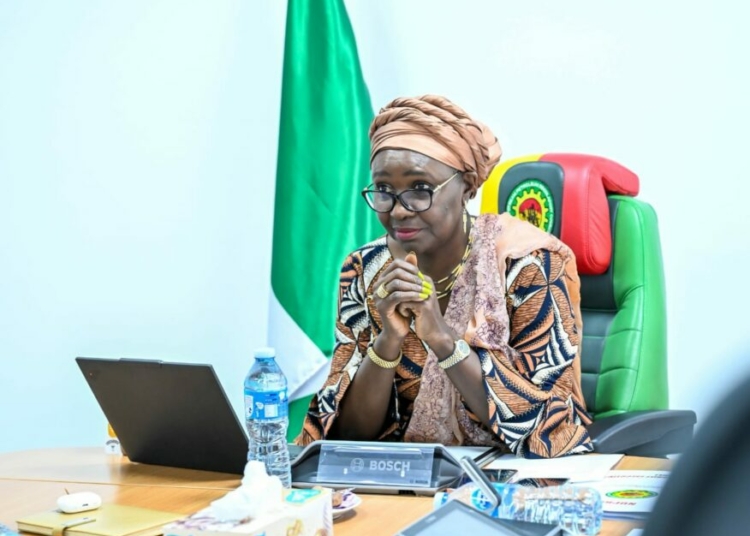
Licensed Oil and gas operators now have until October 31 to demonstrate compliance with their licence obligations or risk losing their acreages.
The Chief Executive of the Nigerian Upstream Petroleum Regulatory Commission (NUPRC), Oritsemeyiwa Eyesan, made the disclosure at an energy conference organised by the Harvard Business School Association of Nigeria in Lagos on Friday.
She cautioned that the regulator would enforce the drill-or-drop provisions of the Petroleum Industry Act (PIA) against operators that failed to develop their assets.
“Now the PIA has instituted the drill-or-drop mechanism. So, before you take the block, you know whether it’s a gas asset, you know whether it’s an oil and gas asset, and you must come up with concrete plans to unlock your resources,” Eyesan said.
READ ALSO: FG Lacks Capacity to Meet Dangote Refinery Crude Demand
She said the commission had issued a circular directing affected operators to respond before the deadline, warning that those who failed to do so would face regulatory action.
“And as a matter of fact, we’ve issued a circular, and we say by 31st of this month, for those who are not responsive, you can be rest assured that I am coming after you,” she threatened.
Eyesan also explained that operators holding onshore assets were expected to undertake the required work within the stipulated three-year period, warning that the commission would call up assets where companies failed to develop their acreages.
“For those onshore, you have three years. Within three years in the first instance, if you do nothing about those assets, we will call it up,” she said.
The commission’s warning comes as it moves to enforce work commitments attached to licences awarded through recent licensing exercises, with affected operators required to explain delays in executing their approved work programmes and show how they intend to address the challenges.






NNPC’s 30-Day Petrol Discount Is Not a Policy – Sowunmi
2027 Elections: INEC Debunks Fake Notice on Governorship Candidates in Six States

2027: No New Taxes Under My Gov’t If Elected – Sowore Clarifies
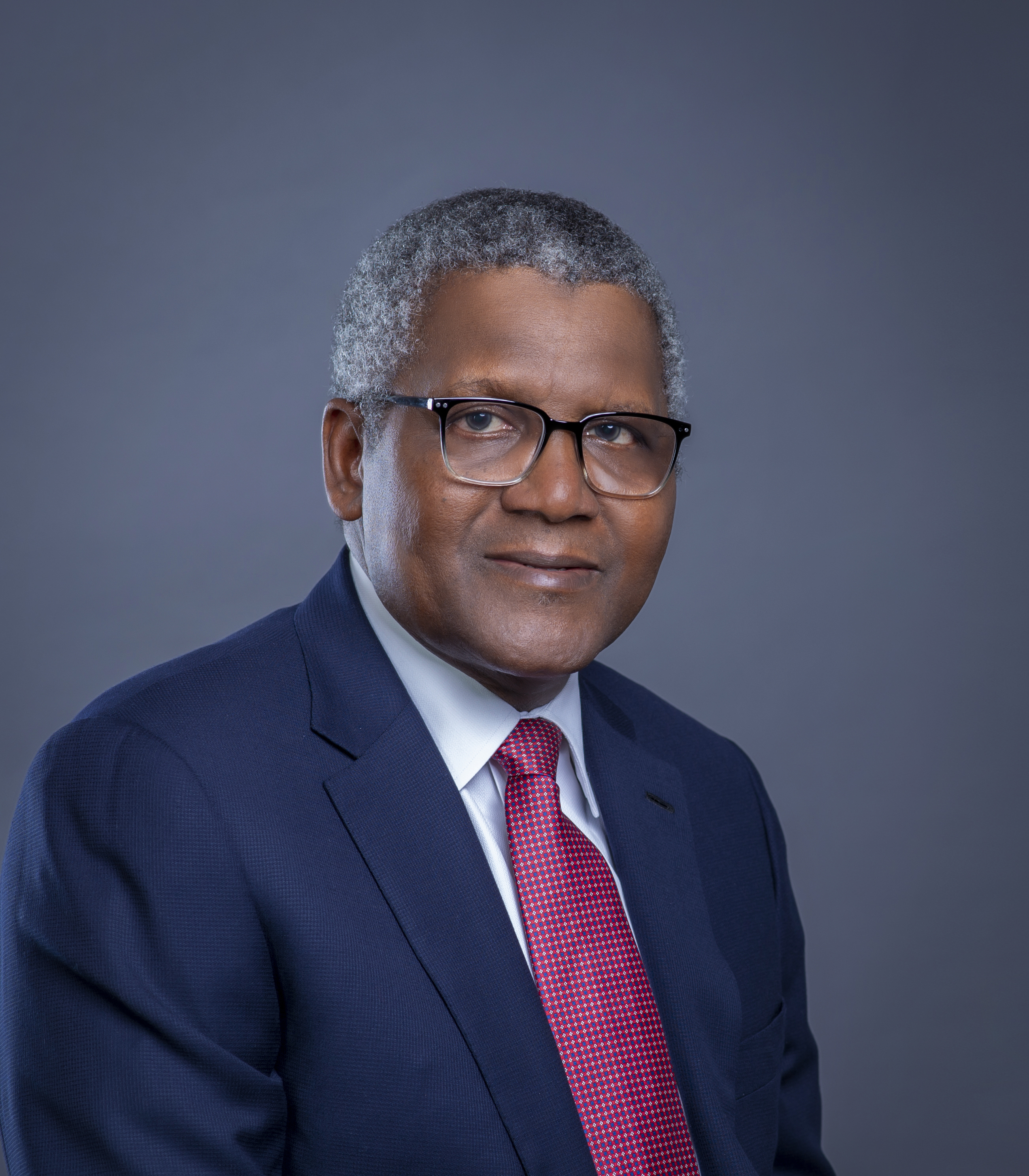
ADF Targets 5 Million Students, 2 Million Vulnerable Women

NUPRC Sets Revocation Date for Undeveloped Oil Licences

FG Lacks Capacity to Meet Dangote Refinery Crude Demand

Trump’s Family Unveils New Cryptocurrency Platform

Senate Denies Receiving Petitions Against Tinubu’s Ambassadorial Nominees

Dangote Cement Lights Up Benue Host Communities With CSR Initiatives

Reps Recommend 3-year Jail Term For Aviation minister

Tems Sets New Record On Billboard Hot 100 Chart
