
NEWS
Lagos Begins 2027 Budget Talks, Asks Residents to Name Their Needs

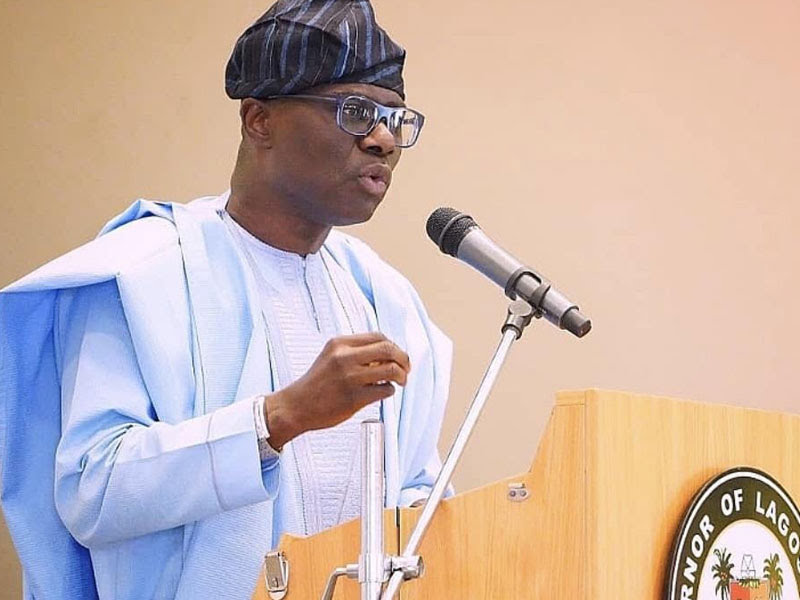
The Lagos State Government has commenced consultations with residents across the state’s five divisions as it begins preparations for the 2027 budget.
The consultation exercise kicked off with the Ikeja Division forum held at the Multipurpose Hall, Radio Lagos, Agidingbi, Ikeja, where residents and community leaders outlined their priorities and assessed the implementation of requests made during previous engagements.
Speaking at the forum, the Commissioner for Economic Planning and Budget, Ope George, said the annual consultations were designed to give residents an opportunity to influence government priorities and communicate their needs directly to the state government.
SEE ALSO: SFU, Lagos Investigates Mega Fraud in Nigeria’s Oil Industry
George said the government visits the various divisions every year to hear from residents about what they want to see reflected in the upcoming budget.
“Every year, we go around our IBILE Divisions to listen to our citizens and hear what they want to see in their upcoming budget,” George said.
He explained that the consultation also provides an opportunity for the government to report back to residents on the implementation of demands raised during the previous year’s engagement.
“This year, we’ve come in; we’ve given an account of what they asked us for last year. And we’ve shown them what we’ve done. And they’ve given us what they want for the new budget going on,” he said.
The commissioner’s remarks highlight the state government’s approach of combining feedback from previous consultations with fresh demands from residents as it develops its spending priorities for 2027.
The consultation is expected to extend to the other divisions of Lagos State, allowing residents and community stakeholders to identify projects and areas they want the government to prioritise in the coming fiscal year.
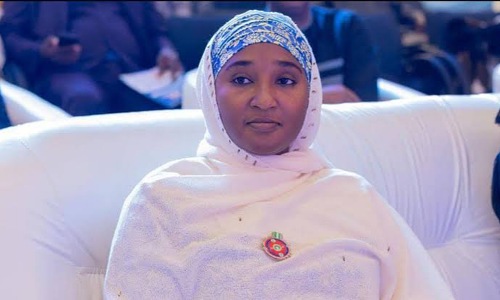
The Minister of State for Education, Prof. Suwaiba Said Ahmad, has said the Nigeria Education Loan Fund (NELFUND) now has a clear schedule for student loan payments based on submissions from institutions.
Ahmad made the disclosure while responding to concerns over alleged delays in the payment of student loans.
The minister acknowledged that there were challenges when the scheme initially commenced but said NELFUND and institutions have become more familiar with the process.
SEE ALSO: NELFUND: ‘Have You Given Students ₦5,000 Scholarship?’ — NANS President Replies Dino Melaye
“I wouldn’t say there is much delay in the payment because as I said, NELFUND now has a clear schedule for payment based on submission from the institutions,” she said.
“When it started, I said we had issues, but now we are used to the system now. The universities are familiar with the system, NELFUND itself is more familiar with the institutions and how it works.”
Ahmad also explained that complaints about delays may sometimes arise from individual cases or misunderstandings of the payment process.
She further clarified that students are required to apply for the NELFUND loan every academic year and are not automatically covered for the duration of their programmes after their initial application.
“You need to apply every year because we don’t know whether you are still interested in getting that loan,” the minister said.
According to her, students’ financial circumstances can change, meaning that a student who required the loan in one academic year may no longer need it in another.
Ahmad stressed that students are not compelled to take the NELFUND loan, adding that those who wish to benefit must apply before they can be paid.
She disclosed that more than 1.6 million students have so far keyed into the NELFUND scheme.
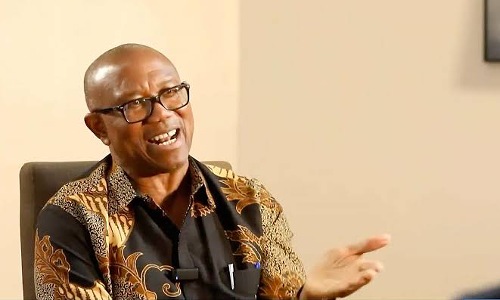
Former Anambra State Governor and presidential candidate of the Nigeria Democratic Congress (NDC), Peter Obi, has raised concerns over the plight of Nigerians displaced from their communities by insecurity and forced to live in Internally Displaced Persons (IDP) camps.
Obi made the remarks in an Independence Day post shared on his official X account as Nigeria marks its 66th anniversary.
READ MORE: Nigeria@66: Tinubu Has Plunged Nigeria Into Its Worst Cost-of-Living Crisis – Atiku Slams Tinubu
The NDC presidential candidate said he recently visited Sokoto State alongside Senator Rabiu Kwankwaso, where they held consultations on insecurity, out-of-school children, poverty, youth unemployment, drug abuse and other challenges confronting residents.
According to Obi, their visit to the Internally Displaced Persons camp at Ramin Kura within Sokoto metropolis was particularly troubling.
He said thousands of women and children were living in deplorable conditions after being displaced from their homes and deprived of basic necessities.
“Many of the children have no access to education. Mothers and children have limited access to basic healthcare,” Obi said.
He questioned why Nigerians who should be living in their communities, attending school, farming their land, running businesses and contributing to the economy are instead living in displacement camps.
“These are Nigerians who should be living in their communities, going to school, farming their land, conducting their businesses and contributing to the economy. Instead, they live as displaced persons in their own country,” he said.
Obi said the situation reflects some of the broader challenges confronting Nigeria, including insecurity, poverty, lack of access to education and inadequate healthcare.
He argued that Independence Day should provide an opportunity for honest national reflection and for Nigerians to examine whether the country is moving in the direction envisioned by its founding fathers.
The former Anambra governor said Nigeria remains richly endowed with human and natural resources, but stressed that the country must convert those resources into human development, security, productivity and shared prosperity.
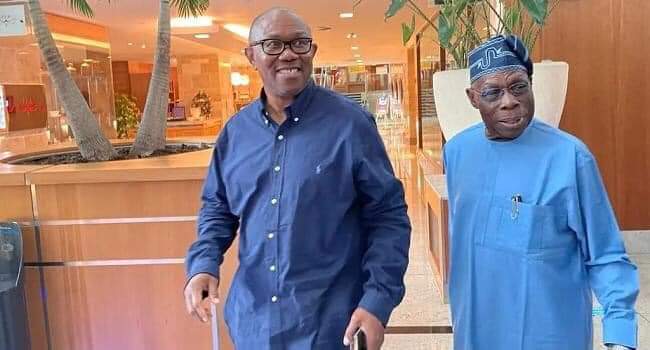
Former Anambra State Governor and presidential candidate of the Nigeria Democratic Congress (NDC), Peter Obi, has asked Nigerians to reflect on the country’s challenges as Nigeria marks its 66th Independence anniversary.
Obi raised the question in an Independence Day post shared on his official X account on Thursday, October 1, 2026.
He said the anniversary should not be reduced to celebration, but should also serve as an opportunity for Nigerians to examine the country’s progress and consider whether it is moving in the direction envisioned by its founding fathers.
SEE ALSO: ‘After Three Years of Your Treatment, Why Is It Harder to Buy Food?’ — Atiku to Tinubu
According to Obi, every serious nation must continually ask three questions: “Where are we today? Where do we want to be? How do we get from where we are to where we want to be?”
He argued that despite the promises made by the APC-led government in 2023, Nigeria continues to face serious challenges across critical sectors, including poverty, insecurity, education, unemployment, food security and healthcare.
Obi cited figures which he said showed that more than 140 million Nigerians are living in poverty and severe hardship, while more than 18 million children are out of school.
He also highlighted insecurity, youth unemployment, drug abuse, food insecurity, maternal and infant mortality and low life expectancy as major concerns confronting the country.
Reflecting on the situation, Obi asked: “Are we cursed, or have we become the curse through the choices we have made and the failures we have tolerated?”
He rejected the suggestion that Nigeria is cursed, stressing that the country remains richly endowed with human and natural resources.
“The answer cannot be that Nigeria is cursed. We are a nation immensely endowed and blessed,” he wrote.
According to Obi, Nigeria’s major challenge is not a lack of resources but the failure to convert its resources into human development, productivity, security and shared prosperity.
He also referenced his recent visit to Sokoto State with Senator Rabiu Kwankwaso, where they consulted with residents on insecurity, poverty, out-of-school children, youth unemployment and drug abuse.
Obi said their visit to an Internally Displaced Persons camp at Ramin Kura in Sokoto metropolis was particularly troubling, noting the difficult conditions faced by displaced women and children.
“These are Nigerians who should be living in their communities, going to school, farming their land, conducting their businesses and contributing to the economy. Instead, they live as displaced persons in their own country,” he said.






NELFUND Payments: ‘We Now Have A Clear Schedule’ — Education Minister

Dangote Blames Marketers, IOCs for Lamu Refinery Protests

Lagos 2027: Doherty Promises Free Education, Books, Exam Fees Within 100 Days If Elected

NMDPRA Sets Digital Gas Distribution Licence Auction Date

2027: ‘Lagos Is Inhospitable To Youth’ — Doherty

Carlos Queiroz Parts Ways With Ghana Again After AFCON Qualifying Setbacks

Trump’s Family Unveils New Cryptocurrency Platform

Senate Denies Receiving Petitions Against Tinubu’s Ambassadorial Nominees

Dangote Cement Lights Up Benue Host Communities With CSR Initiatives

Reps Recommend 3-year Jail Term For Aviation minister

Tems Sets New Record On Billboard Hot 100 Chart
