
Other News
Medical Care Under Fire in South Sudan – MSF

JUBA – As entire towns in South Sudan suffer devastating attacks, medical care has also come under fire, with patients shot in their beds, wards burned to the ground, medical equipment looted, and, in one case, an entire hospital destroyed, the international medical humanitarian organisation Médecins Sans Frontières (MSF) announced today. Hundreds of thousands of people have been effectively denied life-saving assistance.
MSF staff witnessed the gruesome aftermath of recent armed attacks and clashes in Malakal in Upper Nile State, discovering patients murdered inside the town’s Teaching Hospital. In another disturbing violation of medical structures since conflict erupted in mid-December 2013, an MSF team returned to Leer, in Unity State, and discovered the hospital thoroughly looted, burned and vandalised. Vast parts of the town appear to have been razed to the ground.
“Assaults on medical facilities and patients are part of a broader backdrop of brutal attacks on towns, markets and public facilities,” said Raphael Gorgeu, MSF head of mission. “These attacks show a complete lack of respect for medical care and deprive the most vulnerable of life-saving assistance just when they need it most.”
Scenes of horror in Malakal
On February 22, MSF teams discovered at least 14 dead bodies throughout the Malakal Teaching Hospital compound, scattered among 50 to 75 patients who remained in the facility, too weak or elderly to flee for safety. Several patients showed signs they had been shot dead while lying in their beds. Many of the hospital wards, including the therapeutic feeding center for malnourished children, had been burned, and general looting had clearly taken place throughout the hospital. MSF has evacuated several of the most severely ill patients to the United Nations Mission in South Sudan (UNMISS) base in Malakal for treatment, 13 of whom were gunshot victims.
“Malakal is deserted, with houses burned throughout and countless dead bodies strewn in the streets,” said Carlos Francisco, MSF’s emergency coordinator in Malakal. “I can find no words to describe the brutality in Malakal, which has left in its wake a ransacked city and a thoroughly traumatised people.”
Some of the patients MSF evacuated to the UNMISS base recounted that armed groups entered the hospital on February 19 and shot dead people who had no money or mobile phones to hand over. Later that afternoon, armed men returned and killed patients in their beds and others who had fled to the operating theatre for safety, according to survivor testimonies. They also reportedly raped women and young girls.
Hundreds of thousands deprived of care in Leer
Hundreds of thousands of people have been cut off from critical, lifesaving medical care after Leer Hospital was ransacked and destroyed between the final days of January and early February.
When MSF staff were able to assess Leer Hospital following weeks of insecurity in the area, they discovered a horrific scene of equipment and buildings reduced to ash, drug vials smashed and strewn throughout the grounds, and sterilized surgical equipment broken and discarded everywhere. Drugs, patient beds, and other supplies were thoroughly looted. Not a hospital bed remains in the facility compound (see interactive guide displaying hospital destruction – email Heather Pagano for a copy).
“The people of Leer and throughout southern Unity State knew they could count upon MSF for critical medical care, and now that assurance is simply gone,” said Gorgeu. “The trust that is essential for us to carry out our work has been shattered, and the ultimate victims are the countless people who will suffer—and likely die—for want of medical care.”
The hospital in Leer, opened 25 years ago, was the only secondary healthcare facility in the region, constituting a critical lifeline for nearly 300,000 people in the surrounding area. In 2013 alone, more than 68,000 medical consultations were carried out, nearly 400 people underwent surgical care and 2,100 children were treated for malnutrition. Since December 15, when fighting erupted in South Sudan, and up to January 15, 2014, more than 4,000 consultations were carried out and nearly 170 surgeries were performed until the forced closure in late January.
“Leer is now empty of civilians who have fled continued insecurity and are living in terrible conditions in the bush, too terrified to return home,” said Sarah Maynard, MSF project coordinator for Leer. “But even if they were to come back tomorrow, or a month from now, they would return to ruins of their former home and no healthcare. This is catastrophic for the population.”
MSF’s 240 locally-hired staff remain hidden in the bush, struggling to treat patients with rapidly dwindling supplies. The staff report they are reusing wound dressings and trying desperately to assist the displaced who have grown more ill from drinking dirty river water and from eating water lilies for lack of food. MSF is exploring every avenue to provide healthcare to the displaced and resupply its staff.
“We must seriously consider if we can return to work in Leer Hospital,” said Gorgeu. “That will not only require significant investment of resources, but it will depend upon on unconditional respect from all parties for our medical facilities, staff, and patients, not only in southern Unity State but everywhere in the country.”
Disturbing pattern of medical care under fire in South Sudan
The atrocities in the hospital in Malakal and the destruction of Leer Hospital take place amidst a disturbing pattern of incidents affecting medical staff, patients, and MSF-supported facilities in South Sudan:
• In mid-January, armed men robbed and threatened staff at the MSF compound in Malakal, leading to a temporary suspension of MSF’s medical activities in the town.
• In mid January, the MSF compound in Bentiu, capital of Unity State, was looted amidst chaotic fighting in the town, which forced MSF staff to vacate Bentiu State Hospital and leave drugs and supplies with patients and their caretakers. Thousands of people had no access to healthcare for weeks in Bentiu town.
• Patients were reportedly killed in their beds in the hospital in Bor, capital of Jonglei State, during fighting in December 2013. In early February, MSF staff visited the hospital and discovered the decomposed corpses of a mother and child dumped in the facility’s water tank. While the hospital is today functional and well supplied, there are few patients in the wards since most of the town is empty.
“Medical care has come under fire in South Sudan,” said Gorgeu. “Rather than safe havens for treatment, hospitals are now targets of attack and brutality. They are places to fear rather than trust, a complete inversion of their purpose and role. Hundreds of thousands of people are in desperate need of shelter, food, water, and healthcare in South Sudan. The question is, how can effective, neutral aid be provided in a climate of utter disrespect and fear?”

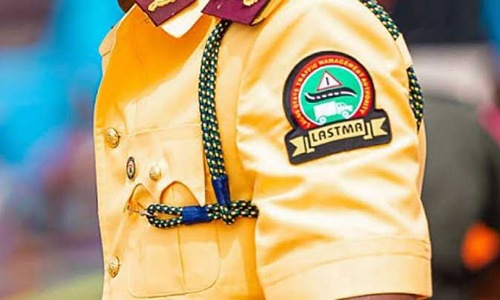
The Lagos State Traffic Management Authority (LASTMA) has alerted motorists to traffic delays along Ogunnusi Road towards Ojodu-Berger due to ongoing rehabilitation work.
LASTMA disclosed this in a post on its official X account on Sunday, stating that the road rehabilitation was being carried out by the Lagos State Public Works Corporation (LSPWC).
According to the agency, “The ongoing work is affecting traffic flow, with vehicles moving at a slower pace in both directions.”
ALSO READ: Chaos On Lagos-Ibadan Expressway As LASTMA Shuts Otedola Bridge
To ease the situation, LASTMA said a contraflow arrangement had been introduced for motorists travelling from Omole Junction towards Vis Junction.
“A contraflow arrangement is in place for vehicles coming from Omole Junction towards Vis Junction to facilitate the movement of traffic,” the agency stated.
LASTMA added that its personnel had been deployed to manage traffic and ensure the continuous movement of vehicles around the affected area.
“Our personnel are on ground managing the traffic situation and ensuring the continuous flow of vehicular movement,” the agency said.
The traffic management authority advised motorists to remain patient and exercise caution while the rehabilitation work continues.
“Motorists are advised to exercise patience and drive with caution while the rehabilitation work continues,” LASTMA stated.


Leading economists, financial experts and industry stakeholders have described the Dangote Group’s investments as major drivers of industrialisation and economic transformation across Nigeria and Africa.
The experts cited the Group’s impact on job creation, import substitution, foreign exchange conservation and economic competitiveness.
They voiced their thoughts at the Lagos Economic Summit themed “The Real Deal: Africa’s Greatest Investment Opportunity,” where they urged governments to implement policies that strengthen local industries and accelerate economic diversification.
President and Chief Executive Officer of the Africa Finance Corporation (AFC), Samaila Zubairu, commended the Dangote Group’s sustained investments across Africa, describing them as critical to unlocking the continent’s economic potential.
He noted that while recent economic reforms have improved foreign exchange stability, strengthened reserves and eased inflationary pressures, the focus must now shift to growth in industry, productivity and employment.
READ ALSO: NMDPRA Shares July Domestic Cooking Gas Supply Details
Also speaking, Chief Executive Officer of the Centre for the Promotion of Private Enterprise (CPPE), Muda Yusuf, said industrialisation remains the most effective path to sustainable economic development.
He called for better alignment of trade and industrial policies, stressing that local manufacturers require strategic support to compete effectively and drive broader economic benefits.
Founder and CEO of Nairametrics, Ugodre Obi-Chukwu, said Africa’s growing population presents a significant industrial opportunity, noting that investments such as the Dangote Refinery are helping to retain capital within the continent while strengthening local production capacity.
In his keynote address, Managing Director of Financial Derivatives Company Limited, Bismarck Rewane, said Nigeria is gradually transitioning from a consumption-led economy to one driven by investment and production.
He added that sustained investments in productive sectors will continue to stimulate growth, create jobs and improve living standards.
Participants at the summit also advocated stronger credit infrastructure, improved national identification systems and increased investment in skills development to enhance the productivity and global competitiveness of Africa’s growing youth population.
Photo Caption: From Left – Chief Economist, Dangote Industries Limited, Dr. Hassan Mahmud; Lady Maiden Alex-Ibru; Chairman of Occasion/Special Guest of Honour, Samaila Zubairu; Key Note Speaker Session 1, Bismarck Rewane; during the Real Deal: Africa’s Greatest Investment Opportunity, Sponsored by Dangote Industry Limited in Lagos on Thursday 3, September 2026.
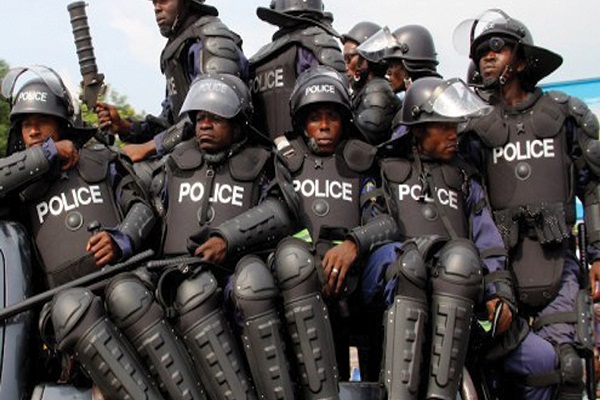
Social media critic Martins Vincent Otse, popularly known as VeryDarkMan (VDM), has released what he described as his first piece of evidence after the Nigeria Police Force challenged him to substantiate his allegations that some police officers allegedly collaborate with kidnappers.
VDM released a video on his Instagram handle on Thursday, August 27, 2026, shortly after the police invited him to provide evidence supporting the claims he made at the 66th Annual General Conference of the Nigerian Bar Association (NBA) in Port Harcourt.
SEE MORE: ‘Provide Evidence’ — Police React to VDM’s Explosive Kidnap Allegation
The activist captioned the video: “My evidence number 1.”
Recalled that VDM, who was a panellist at the NBA conference on Tuesday, had alleged that some police officers manning checkpoints along major highways provide kidnappers and bandits with information about travellers.
According to him, the officers allegedly relay details about the identities and movements of travellers to criminal groups, thereby facilitating abductions for ransom.
The allegation triggered a response from the Nigeria Police Force, which denied the claim and challenged VDM to substantiate his allegations.
The police invitation came as the force sought evidence to support the serious claims made by the social media critic.
In response, VDM released the video, describing it as his “evidence number 1”, signalling that he may provide further material to support his allegations.
The development has continued to attract attention, with the controversy placing renewed focus on allegations of possible collaboration between security personnel and criminal groups involved in kidnapping and banditry.






2027 Election: ‘Your Future Is More Valuable’ — IGP Warn Youths Against Political Violence

Tinubu Charges PCC Members to Deliver Wards

Marketers Eye Portion of FG’s Petrol Discount

Tanzania Nears Completion of $42bn Equinor, Shell-Led LNG Project

IEA Puts UAE’s Oil Output at 5.3mbpd for September

Africa’s Energy Security Conversations Pull Industry Executives Together

Trump’s Family Unveils New Cryptocurrency Platform

Senate Denies Receiving Petitions Against Tinubu’s Ambassadorial Nominees

Dangote Cement Lights Up Benue Host Communities With CSR Initiatives

Reps Recommend 3-year Jail Term For Aviation minister

Tems Sets New Record On Billboard Hot 100 Chart

874953 869915Excellent post, nicely put together. Thanks. I will probably be back soon to have a look at for updates. Cheers 905185
444863 592365I likewise believe thus, perfectly pent post! . 814601
694795 552192This constantly amazes me exactly how weblog owners for example yourself can find the time and also the commitment to maintain on composing great weblog posts. Your site isexcellent and 1 of my own ought to read blogs. I simply want to thank you. 945329
525048 271738Hello there, just became alert to your weblog through Google, and identified that it is actually informative. Im going to watch out for brussels. I will appreciate in the event you continue this in future. Several men and women will probably be benefited from your writing. Cheers! 455622