
NEWS
MOJEC, EKEDC Take Mobile Map to Ibeju-Lekki

By Edozie Obasi-Eze
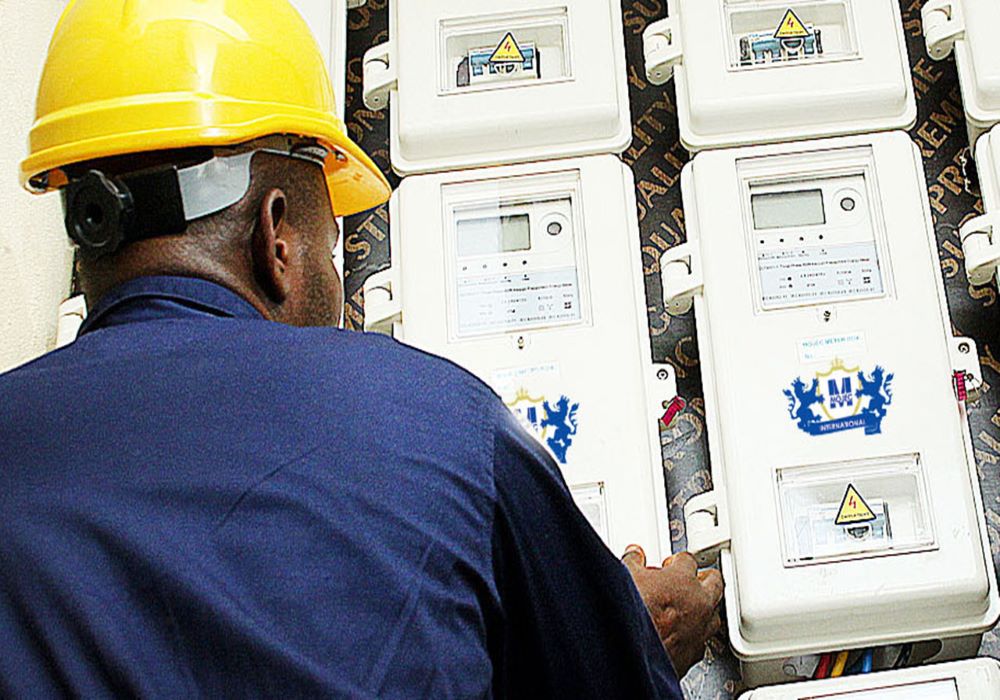
A cross section of Nigerian power consumers plagued with estimated billing menace lauded the efforts of the MOJEC Meter Asset Management Company (M3AC) as it intensified efforts to reduce the country’s metering gap with the extension of the Mobile Meter Access Provider (MAP) programme to the Ibeju Lekki axis in partnership with the Eko Electricity Distribution Company (EKEDC).
They expressed this view on Monday at the MOJEC/Eko Electricity Distribution Company (EKEDC) Mobile MAP activation in Bashorun Town, Ibeju Lekki, where they noted that delivery of prepaid meters to their doorsteps confers on them complete control of their energy usage.
In a clear indication of their warm embrace of the initiative, the residents trooped out in their numbers, as early as 8am, with officials of MOJEC and EKEDC on hand to guide them through the process of getting metered within 72 hours.
Project Manager, MOJEC International Limited, Engineer Lekan Bashiru, indicated that extending the Mobile MAP activation to Ibeju-Lekki was a result of the company’s determination to address the country’s metering gap, which was quickly becoming a bane of both the DisCos and their customers.
The novelty of prepaid meters is that they assist users in managing and conserving energy.
According to him, if more consumers are metered, it has the ability to quell estimated billings, which is in line with the metering agenda of the Nigeria Electricity Regulatory Commission (NERC), which authorized the MAP programme.
In his words, “I want to appeal to everyone in this community to key into this initiative to get their meters. Under this Mobile MAP, we want to deploy over 5,000 meters for consumers. Once we receive your application from EKEDC, we will send it to our installers, who will validate your payment. Following confirmation, they would proceed to your home to inspect your connections, and if it is confirmed okay, we would send you an invoice and proceed to install your meter in less than 72 hours.”
He further stated, “Let me also add that meter installation is free. You are not supposed to pay any of the installers as you have paid for everything online. Their job is to come and install it for you. If you have any complaint, it will be resolved in less than 24 hours.”
The Managing Director and Chief Executive Officer of EKEDC, Dr. Tinuade Sanda, pointed out that the activation was to reiterate to their customers that they hear them and understand that they want to measure the energy they consume.
Dr. Sanda encouraged the customers to use the opportunity to get metered under the Mobile MAP to enable the control of energy usage, similar to the way they control their mobile communication data usage.
“MAP is an advance payment opportunity for customers to get metered. We are here to extend the Mobile MAP in our DisCo and want customers to use this opportunity to be metered”, she affirmed.
A customer, who simply identified himself as Mr. Adebayo, expressed delight at the activation.
According to him, with the acquisition of a meter under the Mobile MAP scheme, he can be confident of paying for consumed electricity as against estimated usage.
Another enthusiastic customer, a civil servant, Mr. Benson Iroko, stated that he is well-versed with MOJEC meters, which he describes as of high quality and long-lasting.
“This is not my first time using meters from MOJEC; they are one of Nigeria’s leading manufacturers of power meters. Their meters are good and last a long time if used properly. The meter will undoubtedly serve you well if you utilize it for the required load capacity. However, when you use a one-phased meter for a building that is supposed to carry a three-phased meter, there would be a problem”, he said.
READ ALSO: Blackout looms as electricity workers begin strike Wednesday
In a similar vein, a customer named Mrs. Tayo Olasekan revealed that she had previously applied for meters without success, but her experience today was different.
“I have applied for meters over the years and it has taken forever to receive them.
“So I contacted customer service, and they informed me that if I came here today, I would be able to obtain my meter in less than two to three days. When I arrived, I was attended to instantly and was overjoyed. I asked myself if it was true that I could acquire my meter in less than three days.
“I’m looking forward to getting my meters and being rid of excessive bills.”
It was gathered that the extension of the Mobile MAP scheme with EKEDC’s Ibeju-Lekki office was in continuation of the activations which kicked-off in Abuja with the Abuja Electricity Distribution Company (AEDC). It has also touched down at Shomolu, Lagos, under Ikeja Electric; Sango, under the Ibadan Electric Distribution Company (IBEDC); Jos Electricity Distribution Company; and the Enugu Electricity Distribution Company.
It should be recalled that the Mobile MAP phase 1, which was launched in 2019, recorded over 270,000 meters that were deployed in a few months. The ongoing Phase 2 was launched in April 2022.



Former Delta State Governor, Dr Emmanuel Uduaghan, has reportedly died, according to sources said to be close to his family.
The sources confirmed the development on Monday, October 19, 2026, although details surrounding the circumstances of his death remained unclear as of the time of filing this report.
“Uduaghan is no more; he is dead,” one of the sources reportedly said.
SEE ALSO: Document reveals Akpoti-Uduaghan demanded N10b damages from husband before marriage, firm reacts
The reported death comes months after claims that the former governor had died circulated on social media before being dismissed by his media aide, Henry Unini.
In June, reports of Uduaghan’s alleged death spread across Facebook and WhatsApp, prompting Unini to publicly debunk the claims and assure the public that the former governor was alive.
“I can tell you for a fact that Dr. Emmanuel Uduaghan is alive,” Unini said at the time.
“Frankly, I don’t know where the writer got his information from. The death of someone is not something you take and write about casually,” he added.
Unini acknowledged at the time that Uduaghan had been experiencing health challenges but maintained that he was receiving medical attention.
“It is now common knowledge that Dr. Emmanuel Uduaghan has been sick, but he is receiving proper medical care,” the media aide said.
He also stated that the former governor was recuperating, assuring the public that there was no immediate cause for concern.
“There is no cause for alarm whatsoever,” Unini said.
The media aide thanked friends, well-wishers and residents of Delta State who contacted the family to verify the former governor’s condition. He also urged the public to avoid spreading unverified information.
“The rumour was uncalled for,” he said while addressing the earlier reports.
As of the time of filing this report, further details about the circumstances surrounding Uduaghan’s reported death had yet to emerge.
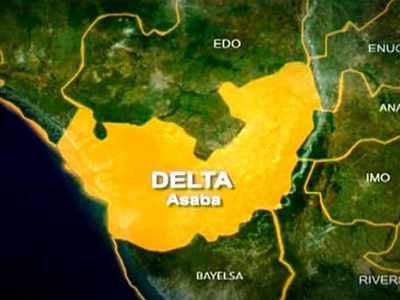
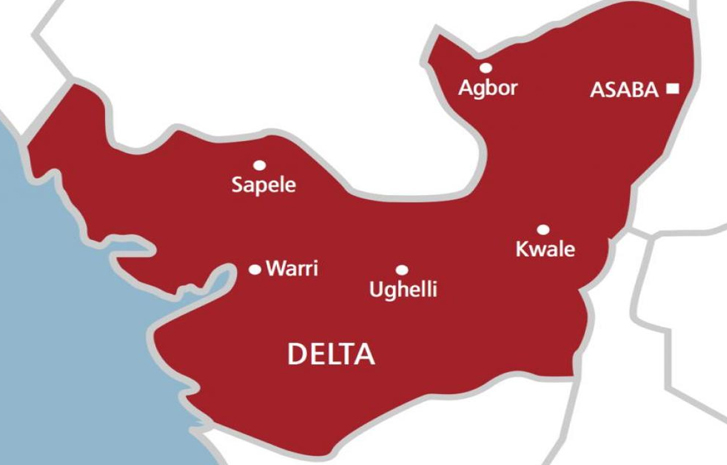
The Delta State Government has commenced a ₦5 billion grassroots empowerment programme targeting 100,000 small-scale business owners and other beneficiaries across the state’s 500 wards.
The initiative, announced on Monday, will see each beneficiary receive ₦50,000 to support small businesses, strengthen household finances and stimulate economic activities across the state.
SEE ALSO: Two Arrested as Delta Police Uncover Cache of Illegal Weapons
The Executive Assistant to the Governor on Public Enlightenment (Projects and Policies), Mr Olisa Ifeajika, disclosed this while speaking with journalists in Asaba.
Ifeajika explained that the programme was designed to complement the state government’s investments in critical infrastructure with direct financial assistance to residents.
According to him, Governor Sheriff Oborevwori directed local government councillors to facilitate the distribution of the funds, with each of the 500 wards expected to reach at least 200 beneficiaries.
He added that the initiative reflects the administration’s commitment to improving livelihoods and expanding economic opportunities for Deltans, in line with the people-centred objectives of the MORE Agenda.
The Minister of Education, Dr Maruf Tunji Alausa, has commended Alhaji Aliko Dangote and the Aliko Dangote Foundation for plans to acquire Initial Public Offering (IPO) shares of Dangote Refinery on behalf of eligible Nigerian tertiary institution students.
Alausa described the initiative as an innovative approach to promoting financial literacy, youth empowerment and wealth creation among young Nigerians.
According to a press release issued by the Federal Ministry of Education on Monday, October 19, 2026, the initiative is expected to benefit up to four million students aged 18 and above, with each eligible student expected to receive 10 IPO shares without requiring prior investment or share purchase.
The minister said the programme would expose students to capital markets, responsible investing and long-term financial planning, preparing them for greater economic participation and financial independence.
He noted that the initiative aligns with the Nigeria Education Sector Renewal Initiative (NESRI) and President Bola Ahmed Tinubu’s Renewed Hope Agenda by connecting education with enterprise, human capital development and inclusive economic growth.
According to Alausa, the initiative reflects the importance of partnerships between the education sector and private organisations in equipping young Nigerians with the knowledge and skills needed to participate in the economy.
He said the Federal Ministry of Education remained committed to strengthening private-sector partnerships to improve educational quality, relevance, equity and efficiency while preparing learners for a changing economy.
While appreciating the foundation’s contribution to youth development, the minister clarified that the ministry’s commendation was based on the initiative’s educational and developmental value.
He stressed that the ministry’s position “does not constitute an endorsement of any particular investment decision.”
Alausa also encouraged other corporate organisations to support similar initiatives that promote financial awareness, economic productivity and entrepreneurship among young Nigerians.
He urged businesses to support NESRI and the Renewed Hope Agenda in building a financially informed and economically productive generation.





Petrol Price Hike Looms as Oil Hits $110/barrel

NIPCO Gas Licences, NNPC Ltd Management Face Reps Probe
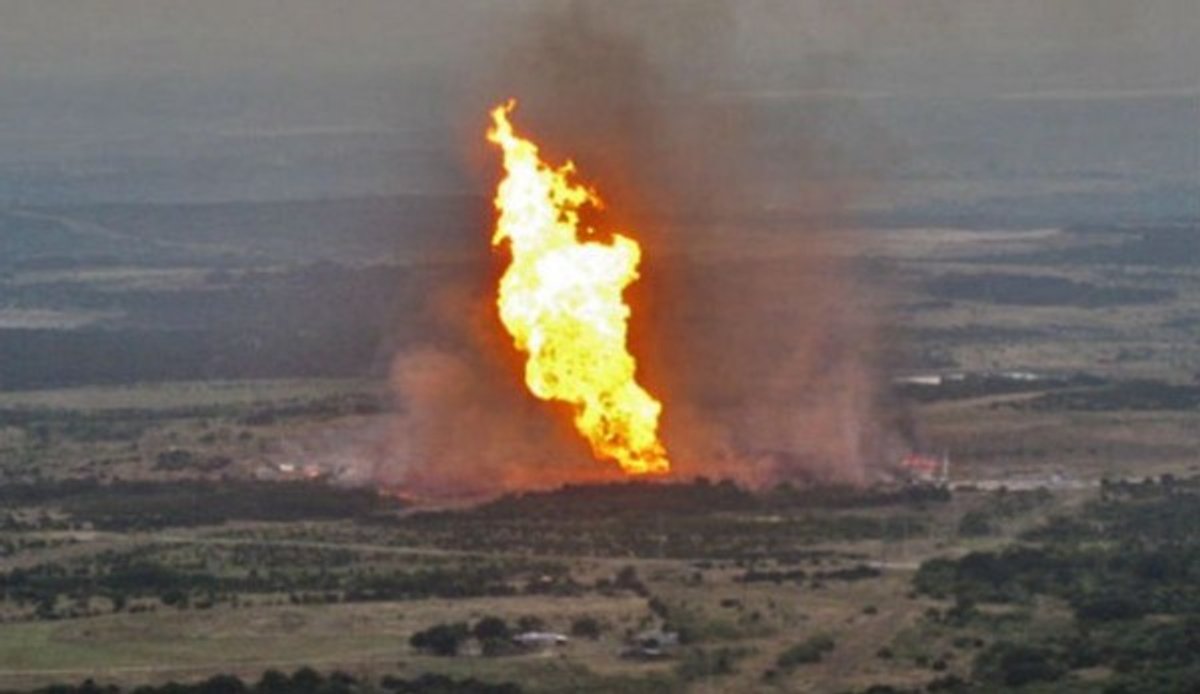
UNDC Assures on Readiness to Protect Oil, Gas Pipelines

JUST IN: Ex-Delta Governor Emmanuel Uduaghan Is Dead

Delta Begins ₦5bn Empowerment Scheme for 100,000 Beneficiaries
Alausa Hails Dangote Foundation’s Plan to Give Four Million Students IPO Shares

Trump’s Family Unveils New Cryptocurrency Platform

Senate Denies Receiving Petitions Against Tinubu’s Ambassadorial Nominees

Dangote Cement Lights Up Benue Host Communities With CSR Initiatives

Reps Recommend 3-year Jail Term For Aviation minister

Tems Sets New Record On Billboard Hot 100 Chart
