
Business
NCDMB Partners Women Engineers on STEM Education For Girls


Precious Adelola
The Nigerian Content Development and Monitoring Board (NCDMB) has partnered the Association of Professional Women Engineers of Nigeria (APWEN) towards promoting Science, Technology, Engineering and Mathematics (STEM) curricula in secondary schools across the country, with special targets for the girl child.
The partnership with the association was launched recently at St. Jude’s Girls Secondary School in Yenagoa, Bayelsa State, with the “STEMitout4girls” campaign, with the theme: Interest and Proficiency in STEM.
In his keynote address, the Executive Secretary, NCDMB, Engr. Simbi Kesiye Wabote, represented by the Deputy Manager, Capacity Building Division, Engr. Mofe Megbele expressed the Board’s readiness to collaborate with the association in accomplishing programmes and policies geared to promote capacity development for the female gender.

He quoted Section 70 (n) of the Nigerian Oil and Gas Industry Content Development (NOGICD) Act, which provides for the Board to conduct workshops and trainings aimed at advancing the development of Nigerian Content. He emphasized that “there is no local content without Human Capacity Development and there has been significant growth achieved through the implementation of the 10-year strategic roadmaps for the oil and gas industry to accelerate the attainment of 70 percent Nigerian Content by 2027.
He also stated that the importance of educating girls in the society cannot be overemphasized, noting that the country can only advance based on the quality of well-educated young girls. He added that an educated girl child can confront the issues facing humanities in the 21st century such as peace and security, climate change, sustainable development, food production, environmental issues.
While commending the Association, the Executive Secretary assured that the Board will continue to support, monitor, and evaluate the growth and performances of the female students benefitting from the STEM programme and competition. “I expect the students to fully apply the knowledge gained from this training to improve their performances in future examinations and competitions”.
“One short way to underpin sustainable development is to entrench quality STEM education in our girls, armed with a quality education, these girls can aspire to be whatever they want to be in the near future”, he added.
Also speaking, the President, APWEN, Engr. Elizabeth Jumoke Eterigho disclosed that the training is targeted at increasing awareness on engineering as a suitable career for girls, to improve the numerical strength of female engineers in Nigeria, adding that it also provides the girl child with the knowledge and skills needed to succeed in the rapidly changing world.
She admitted that there are difficulties in accessing quality learning opportunities in STEM subjects, which is why the engineering and science sectors seem to be dominated by the male gender. “Our educational system has allowed gender divides to be perpetuated and to disproportionally affect the most marginalized girls,” she regretted.
She commended the NCDMB for the partnership and presented the “Diversity Champion Award” to the Executive Secretary for his untiring efforts to promote and empower the girl child.

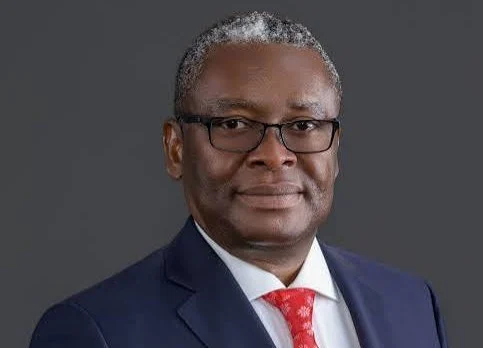
Indigenous oil and gas company, Ingentia Energies Limited, has appointed a former Shell executive, Engr Victor Agbaroji, as its new Managing Director/Chief Executive Officer.
It was gathered that Agbaroji assumed office on 1 September 2026, following the completion of the tenure of the company’s interim managing director, Engr Charles Odita, who led the firm between March and August 2026.
The company disclosed this in a statement on Tuesday, after a leadership transition ceremony held in Lagos.
READ ALSO: Dangote Credits Tinubu’s Economic Reforms with Driving Nigeria’s Economic Recovery
Speaking during the event, Odita said his six-month tenure was productive and expressed confidence in Agbaroji’s ability to accelerate the company’s growth.
“It is my privilege today to hand over the affairs of Ingentia Energies Limited to the incoming managing director, Engr Victor Agbaroji. The company has achieved a lot within the last six months; it is our desire that the new Managing Director will take us to the next level, and I am confident that as an industry veteran, he would hit the ground running and accelerate the company’s growth trajectory,” Odita stated.
In his acceptance remarks, Agbaroji said he would consolidate the gains made under the outgoing management while focusing on safety, talent development, innovation and cost competitiveness.
“Our immediate focus is to consolidate and sustain the gains we have made. Ingentia Energies has set the pace among its peers in growing the company since the acquisition of its licence, and we intend to maintain that momentum, holding in high esteem our company’s greatest assets – people – and taking into recognition the importance of safety, talent development, innovation and cost-competitiveness. IEL will ensure that our people work safely and return home to their loved ones every day. At the same time, we will continue to develop talents, improve efficiency, embrace innovative ways of creating value, and deliver strong returns to our shareholders and stakeholders while affirming our commitment to supporting Nigeria’s energy aspirations, including the national target of increasing crude oil production to 3 million barrels per day,” the new MD said.
According to the statement, Agbaroji brings more than 31 years of experience across the oil and gas value chain to the new position.
He began his professional career as a well-test engineer, gaining experience across several fields before moving to Shell as a reservoir engineer.
During his career at Shell, he held various positions covering operations engineering, corporate petroleum engineering, corporate planning and economics.
The company said he contributed to portfolio optimisation initiatives that supported the emergence of Nigeria’s indigenous marginal field operators.
Agbaroji also served as front-end development manager for major gas projects, including gas supply initiatives for fertiliser production.
At the global level, he was global operations manager for reserves reporting across the Shell Group, overseeing activities spanning Asia, Europe, Australia and North America.
He subsequently moved into Nigeria’s independent oil sector, where he brought international industry practices into indigenous operations.
Before joining Ingentia Energies, Agbaroji led technical advisory, risk management and project delivery support services for emerging energy companies.
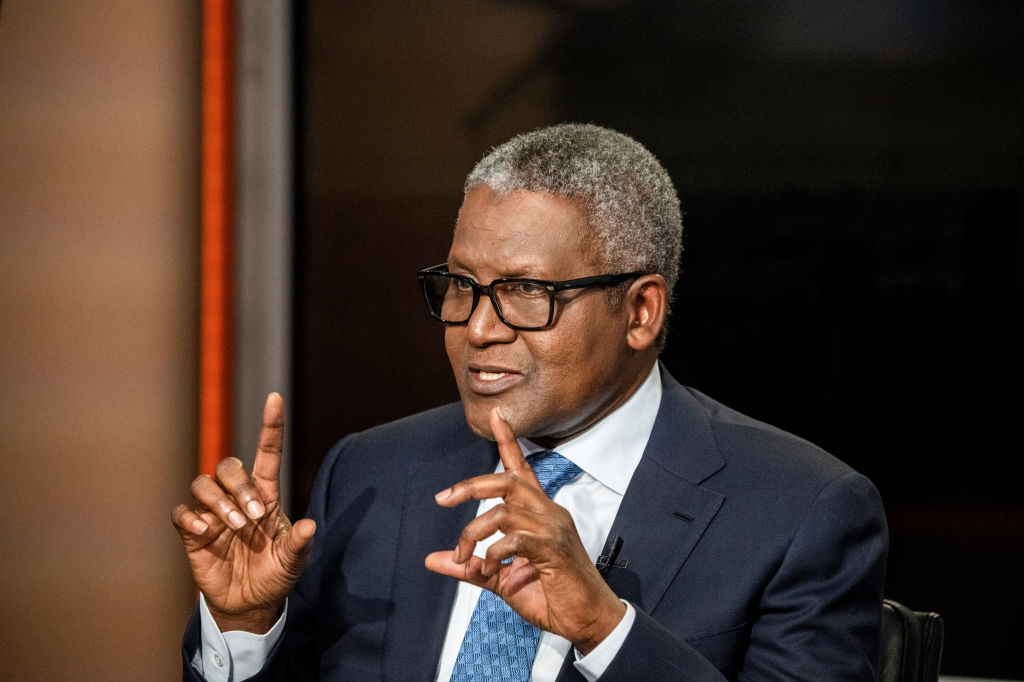
President and Chief Executive of Dangote Industries Limited (DIL), Aliko Dangote, has commended the Federal Government for implementing bold and transformative economic reforms repositioning Nigeria for sustainable growth, strengthening investor confidence, and accelerating the country’s economic recovery.
According to Dangote, the ongoing fiscal, monetary, and regulatory reforms have contributed significantly to improving macroeconomic stability, enhancing productivity across key sectors, increasing Nigeria’s attractiveness as an investment destination, and fostering a more resilient business environment. He noted that the positive outcomes emerging from the reform agenda underscore the importance of consistent, market-driven policies in advancing national development and economic prosperity.
“The economic reforms being implemented by the Federal Government are beginning to yield tangible results. We are witnessing improved economic activity, stronger investor confidence, increased industrial productivity, and a more resilient business environment. These measures are laying a solid foundation for sustainable economic growth and long-term prosperity for Nigeria,” Dangote stated
READ ALSO: US-Iran Conflict Sees Oil Exceed $94
He explained that the reforms have created a more enabling operating environment for businesses, particularly large-scale manufacturing and industrial enterprises that are critical to economic diversification, job creation, foreign exchange generation, and national competitiveness. He added that government initiatives aimed at improving efficiency, promoting investment, enhancing transparency, and supporting domestic production are providing a solid framework for industrial expansion.
“We commend the Federal Government for its courage and determination in implementing reforms that are essential for economic transformation. While every reform process comes with initial challenges, the benefits are increasingly evident in stronger economic indicators, improved business confidence, and renewed investor interest in Nigeria,” he said.
Dangote further observed that the government’s favourable policy environment has supported the continued growth and efficient operation of the Dangote Petroleum Refinery and Petrochemicals complex, Africa’s largest integrated refining and petrochemical facility. He noted that policy measures designed to strengthen local refining capacity, reduce import dependence, improve energy security, and encourage value addition have contributed meaningfully to the refinery’s success and Nigeria’s broader economic development objectives.
“The progress being recorded at the Dangote Petroleum Refinery and Petrochemicals complex is closely linked to a policy environment that encourages investment, supports domestic industrialisation, and promotes self-sufficiency. These reforms are helping Nigerian businesses to plan with greater certainty, invest with confidence, and compete effectively on the global stage,” he added.
He stated that the refinery’s increasing production capacity and expanding export footprint are contributing significantly to Nigeria’s economic resurgence by generating foreign exchange earnings, creating employment opportunities, strengthening local supply chains, and positioning the country as a leading energy and manufacturing hub
Reaffirming the Group’s commitment to supporting the Federal Government’s economic agenda, Dangote said Dangote Industries Limited would continue to invest in strategic sectors, drive innovation, promote industrial development, and create sustainable employment opportunities.
“Our vision has always been to support Nigeria’s economic development through transformative investments. Today, we are witnessing how the combination of private-sector commitment and decisive government policies can unlock unprecedented opportunities for national growth. The refinery, petrochemical operations, fertiliser production, and our other industrial investments are helping to build a more self-reliant, competitive, and prosperous economy,” he said.
He expressed confidence that sustained reforms, policy consistency, and stronger collaboration between the public and private sectors would further stimulate economic growth, attract increased foreign direct investment, and reinforce Nigeria’s position as one of Africa’s most attractive investment destinations.
“Nigeria is on the path to becoming one of the world’s leading industrial and economic powers. With continued policy consistency, robust private-sector participation, and investment-led growth, the future of our economy is exceptionally bright,” Dangote concluded.
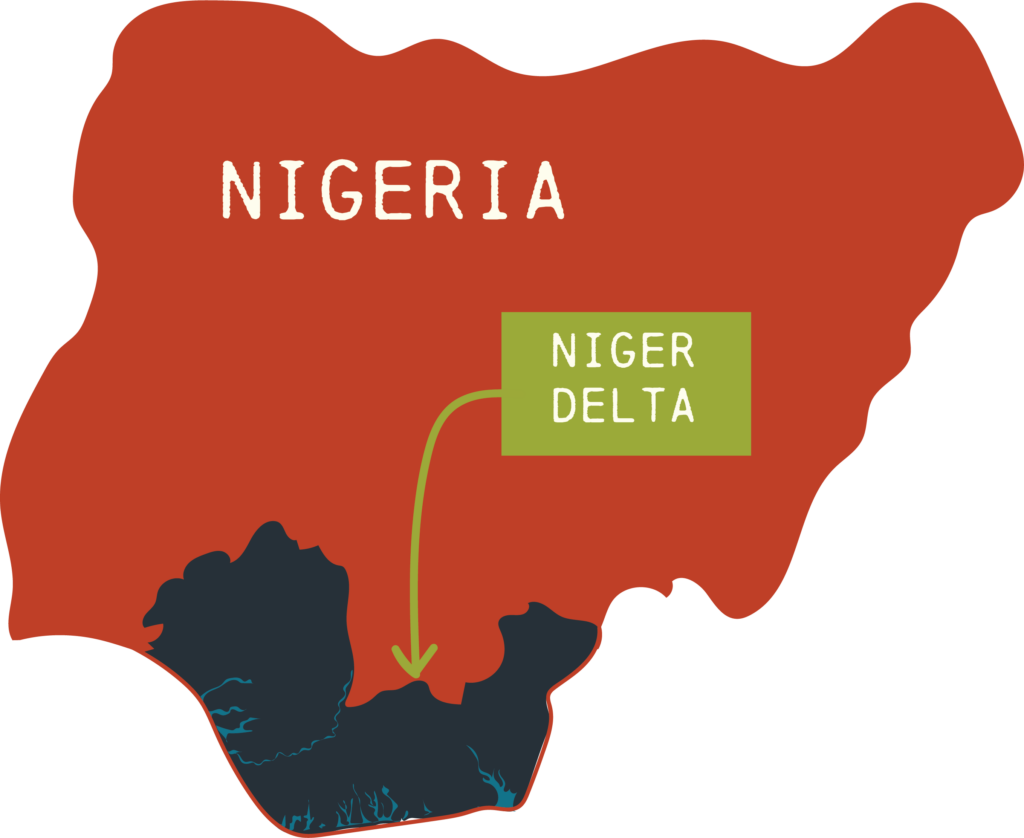
A group has given kudos to the Pipeline Infrastructure Nigeria Limited (PINL) for effective pipeline surveillance and community interventions during the recent flooding in parts of the Niger Delta.
The Niger Delta Progressive Alliance (NDPA) in a statement signed by its Convener, Nse Victor Udoh, noted that the PINL’s operational efficiency and sustained maintenance of pipeline corridors helped prevent additional environmental damage, preserve farmlands and protect aquatic ecosystems from threats associated with pipeline failures and oil spills.
According to the NDPA, annual flooding in the Niger Delta poses serious environmental risks, particularly when floodwaters come into contact with damaged pipelines, oil spills and illegal activities around oil and gas infrastructure.
The organisation noted that the recent flood season was different, as there were no reported cases of widespread oil contamination of floodwaters, dead fish or the spread of oil into farms and residential areas attributable to pipeline failures.
READ ALSO: DPRP Decries Rising Fuel Imports, Despite Strong Local Supply Capacity
It said the development underscored the importance of preventive pipeline management, stressing that effective infrastructure protection was often measured by disasters that were prevented rather than emergencies that attracted public attention.
According to the group, regular patrols, monitoring and right-of-way surveillance enabled PINL to identify and address potential threats before they escalated into major incidents.
It added that inspection, maintenance and repair activities had also contributed to maintaining the integrity of critical pipelines, especially during periods of heavy rainfall and flooding.
The NDPA further commended PINL for its interventions in flood-affected communities in Rivers, Bayelsa and Imo States.
It cited the company’s restoration efforts in areas previously affected by illegal refining, as well as empowerment programmes targeting women and youths in host communities.
Udoh said the initiatives showed that corporate social responsibility should go beyond occasional charitable gestures and become part of a sustained commitment to community welfare and development.
“We commend Pipeline Infrastructure Nigeria Limited, therefore, on two counts that this season has made inseparable: the efficiency of its service, tested by a flood and found equal to it, and the seriousness of its social responsibility,” he said.
He added that the group had observed that farms remained protected and waterways retained their ecological value despite the flooding.
“This season, our farms still stand where the water reached them. Our creeks still hold their life,” Udoh said.
The alliance maintained that infrastructure security and community welfare were closely linked in the Niger Delta, where pipelines pass through several communities and environmentally sensitive areas.
It urged PINL to sustain the standard, stressing that protection of critical national infrastructure, environmental preservation and improved host-community welfare should remain mutually reinforcing objectives.
The NDPA described PINL’s performance during the flood season as an example of how operational efficiency and responsible community engagement could combine to protect energy infrastructure and the environment.






Navy Cracks Down on Crude Theft, Illegal Refining in Rivers, Delta

Queiroz Makes Shock Return as Ghana Coach After World Cup Exit

Drama in Court as Ex-Benue Councillor Faces Assault, Attempted Homicide Charges

Plateau Govt Backs BBNaija Housemate Sheba, Urges Massive Votes

NMDPRA Shares July Domestic Cooking Gas Supply Details

OB3 Pipeline Set for First Gas, AKK Hits 95% – NNPC Ltd

Trump’s Family Unveils New Cryptocurrency Platform

Senate Denies Receiving Petitions Against Tinubu’s Ambassadorial Nominees

Dangote Cement Lights Up Benue Host Communities With CSR Initiatives

Reps Recommend 3-year Jail Term For Aviation minister

Tems Sets New Record On Billboard Hot 100 Chart

16171 845809Howdy! Do you know if they make any plugins to safeguard against hackers? Im kinda paranoid about losing everything Ive worked hard on. Any recommendations? 347323
440129 821850A thoughtful opinion and ideas Ill use on my internet page. Youve clearly spent some time on this. Well carried out! 565455
170833 612742Man you legend. return see my internet site, you must get pleasure from it. 914302
71620 822417Outstanding post. I was checking constantly this blog and Im impressed! Really beneficial details specially the last part I care for such information significantly. I was seeking this specific data for a long time. Thank you and finest of luck. 741171
755484 552142I was curious if you ever thought of changing the layout of your site? Its very well written; I love what youve got to say. But maybe you could a little more in the way of content so people could connect with it better. Youve got an awful lot of text for only having 1 or two pictures. Maybe you could space it out better? 143405