
Politics
#NigeriaDecides2023: 28 State Governors, 993 Lawmakers To Be Elected Today


Today, voters in Nigeria are casting their ballots for the governorship and state houses of assembly elections.
In addition to these elections, two others are also taking place in the Esan Central/Esan West/Igueben Federal Constituency election which was previously halted during the 25 February Presidential and National Assembly polls due to the omission of the Labour Party logo.
The Enugu East Senatorial District election was also postponed following the killing of the party’s candidate, Oyibo Chukwu, on 22 February.
The second phase of the 2023 General Elections, which was originally planned for March 11, was postponed for one week following a Court of Appeal order granting the independent National Electoral Commission (INEC) permission to reconfigure the Bimodal Voter Accreditation System (BVAS) for the exercise.
The delay came after some political parties challenged the results of the presidential poll and were granted an ex-parte order by the court to inspect the materials used for the election.
In contrast to the previous month’s elections which took place in 470 constituencies covering 109 senatorial districts, 360 federal constituencies, and one presidential district, the current election will be conducted in 1,021 state constituencies.
This includes 28 governorship seats and 993 assembly seats. The governorship elections will be held in 28 of the 36 states of the federation.
Elections will not take place in Anambra, Bayelsa, Edo, Ekiti, Imo, Kogi, Ondo, and Osun state. This is because these states hold off-cycle polls at different times, and their electoral calendars have been altered due to judicial rulings.
It’s worth noting that the Independent National Electoral Commission (INEC) has already scheduled elections in Kogi, Bayelsa, and Imo for November.
Additionally, the election will not take place in the Federal Capital Territory (FCT) of Abuja, as it has neither a governor nor an assembly. Instead, the territory is administered by the federal government through a ministry and is represented in the National Assembly by a senator and two members in the House of Representatives.
All 18 registered political parties are participating in the upcoming election, with over 400 governorship candidates fielded across 28 states.
The states with the highest number of candidates are Abia, Akwa Ibom, Plateau, and Taraba, with 18 candidates each. Following closely behind are Delta, Enugu, Kano, Rivers, and Sokoto, with 17 candidates each. On the other hand, Cross River and Yobe have the lowest number of candidates with only 11 each.
The governorship candidates participating in the election were chosen through primary elections held by their respective parties last year, and the court also confirmed or replaced disputed candidates following legal challenges to their primaries.
Uche Ikonne, the PDP candidate in Abia, passed away in January and was subsequently replaced.
However, some of the candidates running for governor are seeking their second and final term of four years in office.
In total, there are 11 states where incumbent governors are seeking re-election, namely Adamawa, Bauchi, Borno, Gombe, Kwara, Lagos, Nasarawa, Ogun, Oyo, Yobe, and Zamfara.
In addition to the 11 states where incumbent governors are seeking re-election, the governors of the other 17 states will be completing their tenures on 29 May.
As a result, new governors must emerge from the current election, and these states include Abia, Akwa Ibom, Benue, Cross River, Delta, Ebonyi, Enugu, Jigawa, Kaduna, Kano, Katsina, Kebbi, Niger, Plateau, Rivers, Sokoto, and Taraba.
Assuming there are no significant issues or legal challenges, the winners of today’s governorship elections, whether they are incumbents or new candidates, will be inaugurated on 29 May.
Politics
2027 Elections: NEIS Unveils Operational Timetable, Sets November 28 for Mock Election Simulation

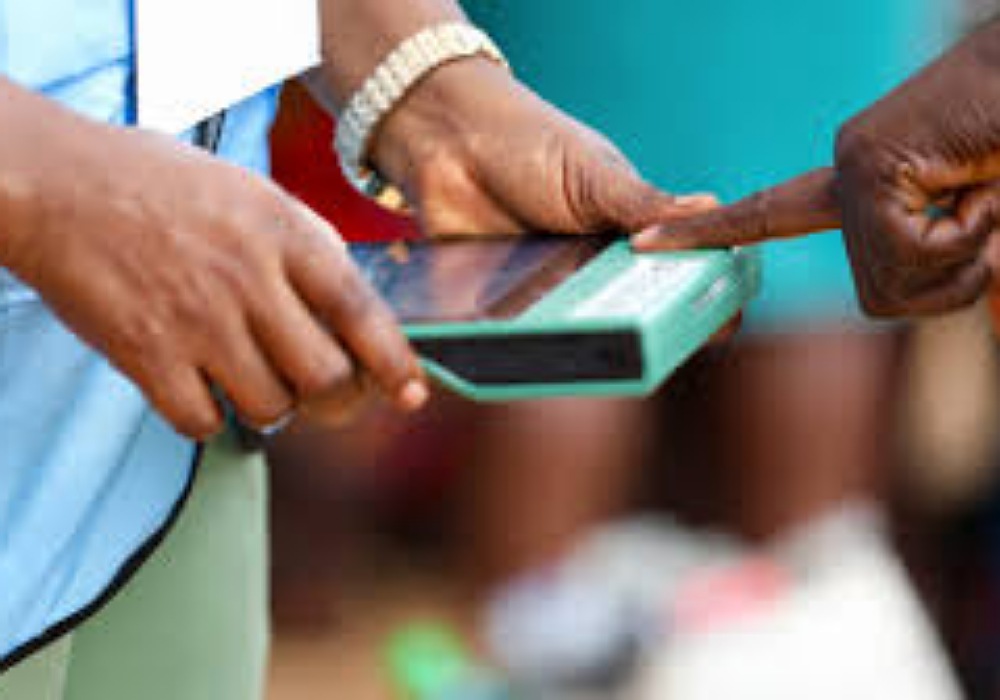
The Nigeria Election Intelligence System (NEIS) has unveiled a tentative operational timetable for its preparations ahead of the 2027 presidential and National Assembly elections, with its first public mock election night simulation scheduled for November 28.
According to the timetable released on Monday, the organisation will commence civic agent training on November 30, while the launch of its ward and local government collation features is scheduled for December 2.
NEIS also listed December 16 as the deadline for commissioning its last general election opinion poll ahead of the polls.
SEE MORE: NEIS Offers 9,583 Agents to Monitor 2027 Election Results
The organisation described the schedule as tentative, noting that the dates and activities could be adjusted.
The development comes as preparations for the 2027 general elections gather momentum, with growing attention on electoral technology, result management and transparency.
The November 28 simulation is expected to provide an opportunity to demonstrate aspects of the organisation’s election-night operations ahead of the general elections.
The latest timetable follows an earlier announcement by NEIS that it was prepared to deploy 9,583 collation agents across Nigeria to independently monitor results during the 2027 general elections.
In a previous report, Biztellers reported that the organisation proposed deploying 8,809 ward collation agents and 774 Local Government Area (LGA) collation agents as part of efforts to strengthen transparency in the result collation process.
NEIS also pledged to make images of collation sheets publicly available to enable Nigerians independently examine results as they move through the collation process.
“We will publish images of the Collation sheets publicly for all Nigerians,” the organisation stated.
It added: “We have the Technology and the Manpower.”
The proposal followed concerns surrounding the Independent National Electoral Commission’s (INEC) position that it would not upload results from ward, local government and state collation levels to its Result Viewing Portal (IReV) during the 2027 elections.
INEC’s Director of Information and Communication Technology, Lawrence Bayode, had earlier disclosed at a stakeholder roundtable in Abuja that the commission had neither developed nor tested the technological infrastructure required to upload results from those collation levels.
“We have not built the system; we have not tested the system,” Bayode said.
NEIS’s proposed deployment of collation agents is aimed at providing an independent monitoring mechanism that would allow citizens to follow results beyond the polling unit level.
The organisation describes itself as an independent and non-partisan election intelligence platform, with INEC retaining the statutory responsibility for conducting elections and officially declaring results.
The Nigeria Election Intelligence System (NEIS) has offered to deploy 9,583 collation agents across the country to monitor election results at ward and local government levels, following the Independent National Electoral Commission’s (INEC) position that it would not upload results from the collation levels to its Result Viewing Portal (IReV) during the 2027 general elections.
NEIS said it was prepared to deploy 8,809 ward collation agents and 774 Local Government Area (LGA) collation agents as part of efforts to promote transparency and public access to election results.
The organisation also pledged to publish images of the collation sheets publicly, giving Nigerians an opportunity to examine the documents and independently monitor the collation process.
SEE MORE: INEC Debunks Amupitan Resignation Rumour After London Protest, Voter Register Controversy
“We will publish images of the Collation sheets publicly for all Nigerians,” NEIS stated.
It added: “We have the Technology and the Manpower.”
The organisation called on Nigerians to demand that INEC either upload the collation sheets to IReV or grant its collation agents access to obtain images of the documents directly from collation centres.
The proposal comes amid concerns over INEC’s decision not to extend electronic publication of results on IReV beyond polling unit-level results ahead of the 2027 elections.
On November 18, INEC’s Director of Information and Communication Technology, Lawrence Bayode, disclosed that the commission had not developed or tested the technological infrastructure required to upload results from ward, local government and state collation centres to IReV.
Bayode made the disclosure during a stakeholder roundtable on election results tabulation organised by Yiaga Africa in Abuja.
Responding to questions about why the commission could not upload Forms EC8B, EC8C and EC8D, which contain results from ward, local government and state collation centres, respectively, he said: “We have not built the system; we have not tested the system.”
He explained that the commission’s existing arrangement provides for the upload of polling unit results recorded on Form EC8A, while the infrastructure required to publish results from subsequent collation stages was not yet in place.
The disclosure generated renewed debate over electoral transparency, particularly the availability of results at different stages of the collation process.
INEC’s position also raised questions about how Nigerians would independently verify results as they move from polling units through ward and local government collation centres.
NEIS’s offer seeks to address part of that concern through an independent monitoring arrangement involving thousands of agents and the public release of collation sheet images.
However, the organisation’s request for access to collation centres would require appropriate arrangements with the electoral commission.
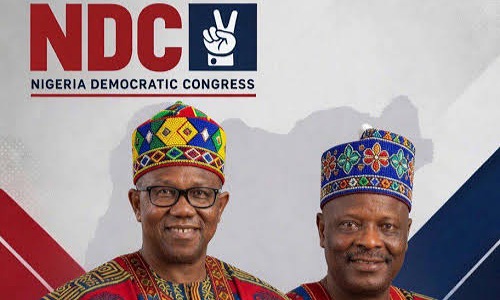
The Vice-Presidential Candidate of the Nigeria Democratic Congress (NDC), Senator Rabiu Musa Kwankwaso, has declared that reported attacks on his campaign entourage will not stop the party’s political activities in Kano State, following the commissioning of campaign headquarters in seven local government areas.
Kwankwaso made the declaration on Monday, November 16, while reflecting on the party’s mobilisation activities across the state, which he said demonstrated growing public acceptance of the NDC’s message of unity and restoration.
The former Kano State governor alleged that thugs sponsored by the ruling All Progressives Congress (APC) had mounted attacks on his entourage but insisted that the incidents had not prevented the party from expanding its political presence.
SEE ALSO: NDC Condemns Attack on Kwankwaso in Kano, Demands Arrest of Perpetrators
“Despite mounting attacks by ruling party-sponsored thugs on our entourage, we successfully commissioned NDC campaign headquarters in seven local government areas of Kano,” he stated.
According to him, the growing support for the NDC in areas considered political strongholds of its opponents was making certain political elements increasingly uncomfortable.
“Yesterday’s event is another clear demonstration of how the people have embraced our message of unity and restoration. It is also why certain elements in Kano are growing increasingly jittery over our rising support in areas they regard as their strongholds,” Kwankwaso added.
He reaffirmed his commitment to working with the party’s presidential candidate, Peter Obi, and other stakeholders to secure victory in the 2027 general elections.
“We shall continue to work together until an Obi/Kwankwaso and NDC victory is achieved,” he declared.
Kwankwaso’s remarks came a day after his campaign convoy and that of the NDC governorship candidate in Kano State, Comrade Aminu Abdussalam Gwarzo, were reportedly attacked by suspected political thugs in Bichi Local Government Area.
The incident occurred on Sunday, November 15, during the party’s political mobilisation tour across Kano.
According to Ibrahim Garba Shu’aibu, spokesperson for Gwarzo’s campaign, the delegation had earlier visited Tofa, Rimin Gado, Kabo, Gwarzo, Shanono and Bagwai local government areas without disruption before proceeding to Bichi.
He alleged that the campaign team received information that some individuals had blocked the road leading into Bichi to prevent the planned rally.
Shu’aibu said the delegation encountered stone-throwing upon arriving in the town, while another group of youths armed with dangerous weapons allegedly emerged after the convoy passed the local government secretariat and attacked the vehicles.
He disclosed that several members of the campaign team sustained injuries, while about seven vehicles suffered damage, including smashed windscreens.
NDC Condemns Attack, Accuses APC Supporters
Reacting to the incident, the NDC condemned what it described as a cowardly attack on its vice-presidential candidate, accusing thugs loyal to the ruling APC of being responsible.
In a statement issued on Monday and signed by its National Publicity Secretary, Osa Director, the party described the incident as more than a mere disruption.
The NDC said political intimidation and violence must not be allowed to undermine democratic participation, warning that candidates and their supporters must be able to campaign freely without fear.
The party called on security agencies to investigate the incident, identify those responsible and ensure that anyone found culpable, including alleged sponsors, is brought to justice.
Peter Obi Demands Investigation, Arrest of Perpetrators
The NDC presidential candidate, Peter Obi, also condemned the reported attack, expressing sadness over the incident involving his running mate and members of his entourage.
In a statement posted on his X account on Monday, Obi disclosed that several members of the delegation sustained injuries, while about seven vehicles were vandalised.
“I strongly condemn this unfortunate incident. Reports indicate that several members of the entourage sustained injuries, while about seven vehicles were vandalised. This is unacceptable and must not be allowed to become part of our political culture,” Obi said.
He warned against the use of violence to settle political disagreements, insisting that every Nigerian has the constitutional right to participate in the democratic process without fear of intimidation or attack.
“Democracy is not warfare. Political differences should never be a reason to resort to violence, intimidation or the destruction of property,” he stated.
Obi called on the Nigeria Police Force and other relevant security agencies to immediately investigate the incident, identify those responsible, including anyone suspected of sponsoring the attack, and ensure they are brought to justice.
He also expressed solidarity with Kwankwaso, the Kano State NDC leadership and others affected, while wishing those injured a speedy recovery.
Kano Government Dismisses Attack Claims
However, the Kano State Government disputed reports of the incident, with the Commissioner for Information, Sanusi Bature Dawakin Tofa, describing the alleged attack as fictitious.
In a Facebook post, the commissioner accused the Kwankwasiyya movement of fabricating the incident to generate public sympathy, questioning the absence of pictures and videos.
The conflicting accounts have added to political tension in Kano as political parties intensify preparations ahead of the 2027 general elections.


2027 Elections: NEIS Unveils Operational Timetable, Sets November 28 for Mock Election Simulation

2026 Licensing Round: NUPRC Opens Portal for 40 Oil, Gas Blocks

Indian Firms to Supply DPRP with $38.94m Pumping Systems
Osun SEC Approves Draft 2027 Budget

Dangote Cement Honours Outstanding Drivers for Safety Excellence, Records 60% Reduction in Road Traffic Accidents

APPO Lauds Nigeria on Energy Bank Initiative

Trump’s Family Unveils New Cryptocurrency Platform
Senate Denies Receiving Petitions Against Tinubu’s Ambassadorial Nominees

Dangote Cement Lights Up Benue Host Communities With CSR Initiatives

Reps Recommend 3-year Jail Term For Aviation minister

Tems Sets New Record On Billboard Hot 100 Chart