
NEWS
NLNG Unveils New Visual Identities for the Nigeria Prizes

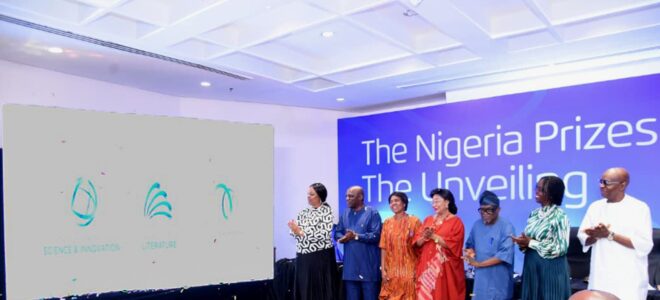
To mark a new phase in the evolution of Nigeria’s foremost platforms for intellectual and creative excellence, the NLNG has unveiled the new visual brand elements for The Nigeria Prize for Literature, The Nigeria Prize for Science, and the newly introduced The Nigeria Prize for Creative Arts.
During the unveiling, in Lagos, on Thursday, General Manager, External Relations and Sustainable Development at NLNG, Sophia Horsfall, described the new visual identities as a strategic repositioning of the prizes to ensure sustained relevance and global resonance. She noted that the refreshed logos reinforce NLNG’s commitment to the promotion of intellectual and creative capital as critical drivers of sustainable development.
“For over two decades, The Nigeria Prizes have stood as independent symbols of excellence and national aspiration. This redesign is deliberate and forward-looking. It protects the legacy of the prizes while positioning them to be more visible, more iconic, and aligned with global standards of distinction into the future,” Horsfall said.
ALSO READ: Osun LG Crisis: Adeleke Calls Out Tinubu Over Court-Sacked APC Chairmen
She added that novel ideas remain central to national progress, “Ideas shape societies, and societies that invest in ideas secure their future. These new identities reaffirm our belief that literature, science, and innovation are not optional; they are foundational to Nigeria’s development.”
The logo for The Nigeria Prize for Literature draws inspiration from the turning pages of a book. Rendered in layered green forms, it symbolises imagination in motion, stories unfolding, voices rising, and ideas taking flight. The fluid curves reflect storytelling in all its forms, including fiction, poetry, drama, and prose, while the green palette represents renewal, learning, and the fertile landscape of Nigerian literature. The gradient suggests growth, tracing the journey of ideas from seed to story, with a sense of calm dynamism that speaks to reflection, dialogue, and the enduring vitality of the written word.
Commenting on the symbolism, Chairperson of the Advisory Board for The Nigeria Prize for Literature, Prof. Akachi Adimora-Ezeigbo said the logo captures the enduring power of Nigerian storytelling.
“The turning pages remind us that our stories are continuous, rooted in history yet constantly renewed. Nigerian literature has never been static, and this identity affirms its role as a dynamic force shaping thoughts, conscience, and cultural memory,” she said.
She added that the design sends a strong message to writers and thinkers that their voices matter and that imagination remains central to our collective destiny.
The Nigeria Prize for Science and Innovation logo is formed from intersecting blue orbits, evoking atomic energy, electron pathways, and celestial motion. Its circular composition conveys continuity and the boundless nature of scientific inquiry, while the blue-lime palette reflects curiosity, intelligence, and the pursuit of truth. The identity celebrates Nigeria’s commitment to evidence-based inquiry and innovation, honouring those who push beyond the known to build a future powered by knowledge and imagination.
The Chairman of the Advisory Board for The Nigerian Prize for Science and Innovation, Prof. Barth Nnaji, described the Science and Innovation logo as a reflection of the discipline, rigour, and ambition required for national transformation.
“Science is about movement, questioning, testing, and pushing boundaries. The energy captured in this identity reflects the spirit Nigeria must embrace to industrialise, compete, and solve complex challenges. The Prize remains a vital platform for recognising continuous and purposeful innovation,” he said.
Completing the trio, the Nigerian Prize for Creative Arts logo is anchored by a lime-green spiral that represents innovation, continuity, and creative momentum. Its fluid form reflects the breadth of artistic disciplines encompassed by the Prize and the dynamic nature of the creative process. The spiral’s motion conveys rhythm, progress, and interconnectedness, while the lime-green palette signals freshness, optimism, and originality.
The redesign follows NLNG’s recent corporate brand refresh and the alignment of its visual assets with a modern design approach. Collectively, the redesigned logos articulate a unified vision that celebrates intellectual rigour, creative excellence, and the transformative power of ideas, positioning The Nigeria Prizes for the future, while reinforcing their role as beacons of thought leadership, cultural relevance, and national pride.
Since the inception of The Nigeria Prize for Literature and The Nigeria Prize for Science in 2004, they have maintained a consistent visual identity that helped establish strong brand equity. Building on this strong legacy, the refreshed identities reflect a deliberate evolution that strengthens the Prizes’ role as leading drivers of intellectual, creative, and national impact.
Photo Caption:
From Left: Dr. Sophia Horsfall, GM, External Relations & Sustainable Development, NLNG; Prof. Barth Nnaji, Advisory Board Chairman, The Nigerian Prize for Science & Innovation; Prof. Akachi Adimora-Ezeigbo, Advisory Board Chairman, The Nigeria Prize for Literature, other Prizes’ Advisory Board members and NLNG management staff at The Nigeria Prizes refreshed logos unveiling held in Lagos on Thursday.





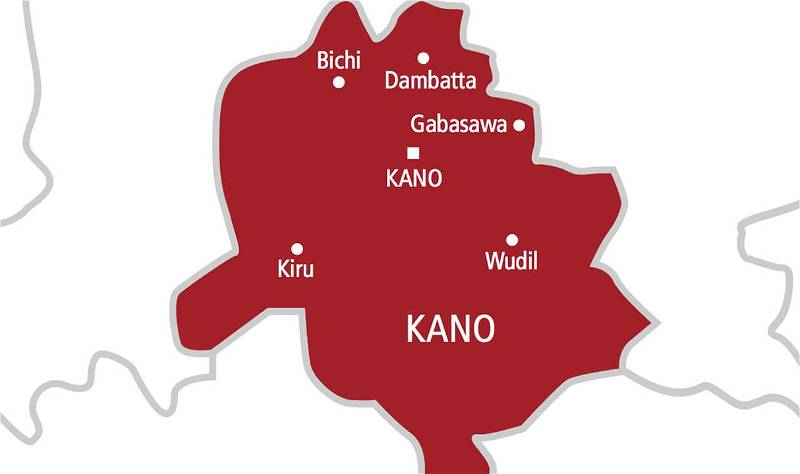
The Federal Road Safety Corps (FRSC), Kano Sector Command, has confirmed the death of two persons in a road crash involving a fully loaded tipper truck and a Mercedes-Benz car along the Kano-Zaria Road at Dangi Underpass.
The fatal crash occurred on Tuesday, October 20, 2026, and involved a Howo tipper truck with registration number RMG 332 XA, loaded with bitumen, and a Mercedes-Benz C180 with registration number ABJ 783 GB.
According to a statement signed by the FRSC Kano Sector Public Education Officer, Abdullahi Labaran, four male adults were involved in the crash, with two confirmed dead.
SEE ALSO: DPRP’s Free Fuel Delivery Expands to Kano, Imo, Nearly 10 More States
Preliminary reports indicated that the crash was caused by brake failure in the loaded tipper truck, resulting in the driver losing control of the vehicle.
The truck reportedly slid backwards and collided with the Mercedes-Benz behind it, leading to the fatal incident.
FRSC rescue personnel and other emergency responders evacuated the victims to Aminu Kano Teaching Hospital for medical attention.
Reacting to the incident, the Kano Sector Commander, Corps Commander Idris Mohammed Lawal, expressed condolences to the families of the deceased and prayed for the repose of their souls.
Lawal also urged the affected families to find the strength to bear the loss.
The Sector Commander warned motorists, transport unions, construction companies and fleet operators against neglecting regular vehicle maintenance, particularly the inspection and servicing of critical components such as braking systems and tyres.
He emphasised the importance of defensive driving, urging motorists to maintain safe following distances, remain alert to changing road conditions and ensure their vehicles are roadworthy before embarking on journeys.
Lawal stressed that regular vehicle maintenance, responsible driving and strict compliance with road safety regulations remain essential to preventing avoidable road crashes and saving lives.
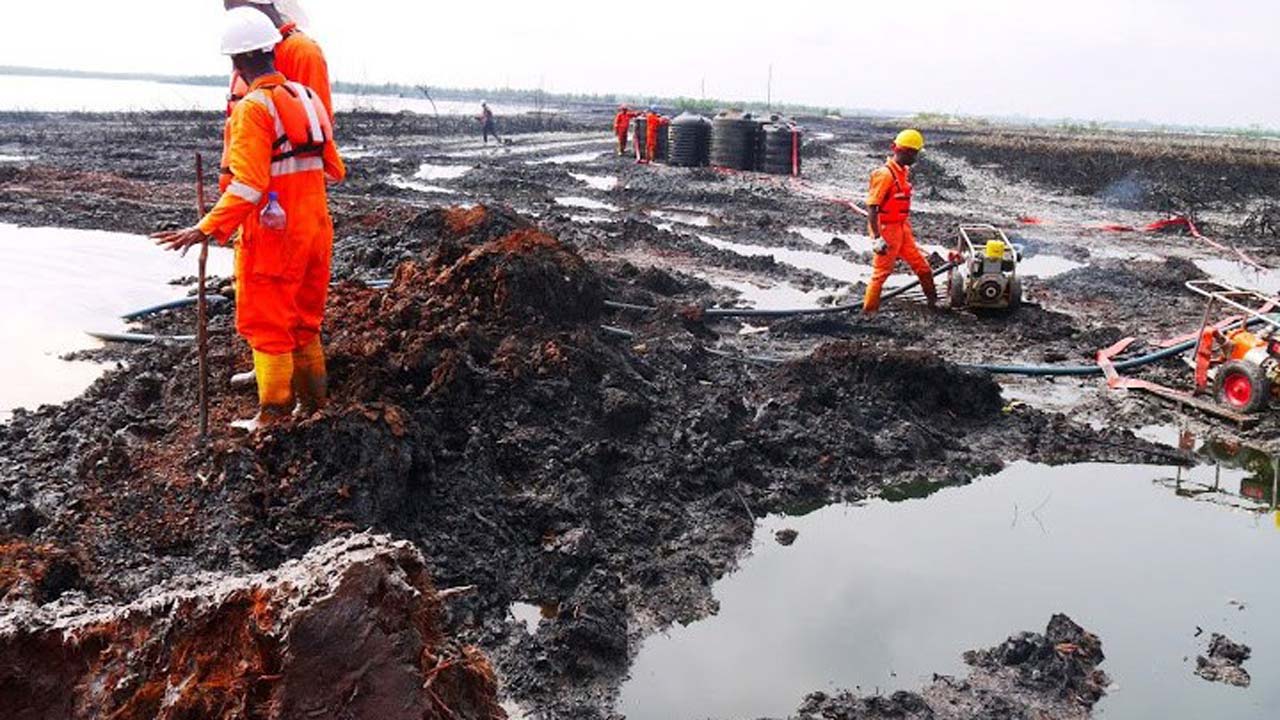
A call has gone to President Bola Tinubu, the Federal Government, the Ogoni Dialogue and Consultation (ODC) and the Nigerian National Petroleum Company Limited (NNPC Ltd) to ensure the inclusion of persons with disabilities in ongoing discussions on the future of Ogoniland.
While making the call, the Ogoni Association of Persons Living with Disabilities (OGAPWD) also demanded disability-inclusive employment opportunities and greater participation in development programmes linked to the proposed resumption of oil production in the area.
Speaking during a press briefing in Port Harcourt, OGAPWD President-General, Baridapdoo Ngo, said dialogue on Ogoniland’s future would be incomplete without the representation of persons with disabilities.
“We are not opposed to dialogue. We are not opposed to development. We oppose exclusion, discrimination and decisions that determine our future without our participation,” he said.
READ ALSO: NIPCO Gas Licences, NNPC Ltd Management Face Reps Probe
Ngo urged the ODC leadership to include nominated representatives of the association in its dialogue structures and relevant committees, stressing the need for accessible meeting venues and communication support.
He said persons with disabilities should participate meaningfully in discussions on environmental remediation, employment, security and community development rather than being invited merely for ceremonial purposes.
He pointed out that “Inclusion is not charity. Representation is not a favour. Accessibility is not a privilege. These are matters of rights, dignity and equal citizenship”.
On employment, OGAPWD expressed concern over reports that NNPC Ltd was offering 40 positions connected with Ogoni engagement under the Confidence Building Measures (CBM).
The association called on the national oil company to clarify the recruitment criteria and explain how qualified applicants with disabilities were being considered.
It demanded that at least five per cent of the 40 positions be allocated to qualified Ogoni applicants with disabilities, citing Section 29 of the Discrimination Against Persons with Disabilities (Prohibition) Act, 2018.
OGAPWD also requested a formal meeting with NNPC Ltd and asked the company to respond to its concerns within 15 days.
The association said it supported a responsible and lawful resumption of oil production, provided the process prioritised environmental protection, transparency, public health and the rights of affected communities.
It further urged the Federal Government to address the demand for Bori State through the appropriate constitutional process, describing the issue as central to its position on Ogoni self-determination.
OGAPWD appealed to traditional rulers, political leaders, youth organisations and community stakeholders to ensure that persons with disabilities benefited from employment, skills acquisition, business support and other development initiatives.
The association urged the Federal Government, ODC and NNPC Ltd to take concrete steps to ensure that persons with disabilities were represented in decisions affecting Ogoniland’s political, economic and environmental future.
“Our message is simple: no exclusion in dialogue, no discrimination in employment, no development without inclusion,” Ngo said.
The Nigerian Content Development and Monitoring Board (NCDMB), has flagged off a five-day capacity building programme for 200 primary and secondary school teachers drawn from all local government areas of the state.
Themed “Empowering Teachers for Effective Curriculum Delivery through Digital Innovation, Modern Pedagogy and Professional Excellence,” the training is centred on four pillars, namely, “Digital Literacy, ICT Skills and Digital Teaching Tools” (Pillar 1); Interactive Lesson Preparation, Presentation, and Learner Engagement” (Pillar 2); “NERDC [National Educational Research and Development Council] Curriculum Alignment and Competency-based Lesson” (Pillar 3), and “Positive Classroom Management, Discipline and Learner Support” (Pillar 4).
In his opening remarks at the event, the Executive Secretary of the NCDMB, Engr. Felix Omatsola Ogbe, represented by Assistant Manager, Institutional Relations and Entrepreneurship Development (IRED), in the Capacity Building Directorate (CBD) of the Board, Ms. Khadijah Jekhine, said the programme reflects NCDMB’s firm belief that sustainable Nigerian Content development begins with quality education and skilled human capital.
He described teachers as “the primary multipliers of knowledge,” adding, “When we invest in you – equipping you with digital tools, modern teaching methods, and professional excellence – we invest in thousands of young Nigerians who will become the engineers, technicians, innovators, and professionals our oil and gas industry and national economy urgently needed.”
The NCDMB boss explained that the goal of the Board is to strengthen the capacity of the teachers for effective curriculum delivery so that classroom learning becomes more practical, engaging, and aligned with the demands of the future of work. He enjoined the teachers to ensure that what they gained from the training cascades to their students, pupils and colleagues, thus raising the quality of education and building the foundation for greater indigenous participation in the oil and gas industry.
He expressed appreciation to the Imo State Government, the State Ministry of Primary and Secondary Education and all collaborating partners for the strong partnership that has made the programme possible.
The programme facilitator, Dr. Anayo Nzeribe, General Manager, R&M Networks Limited, said the intervention of the NCDMB in the educational system in the State was of inestimable value as it complements the Government’s efforts to improve access to quality education and provides essential facilities for learning and teaching.
He announced that the Board has made available digital tools and other teaching aids for distribution, that each of the 200 participants would receive a laptop and accessories, among other things. In addition, each of them would receive what he termed “a handsome stipend” at the end of the training programme on Saturday (17th October).
Dr. Nzeribe, on behalf of his company and the joyous teachers, expressed profound gratitude to the NCDMB for the initiative and assured that the tools donated would be put into adequate use to enhance teaching in the State.
READ ALSO: Showunmi Urges South-East to Judge Tinubu by Projects, Not Propaganda
The State Commissioner for Primary and Secondary Education, Professor Bernard-Thompson Ikegwuoha, represented by an official of the Ministry, Dr. (Mrs.) Benedicta Chinonye Okorie, was similarly appreciative of the contributions of the NCDMB to educational advancement in the State.
The Owerri capacity building initiative is following close on the heels of a Train-the-Trainer programme organised by the Board in Yenagoa, Bayelsa State, last month, for 88 teachers of vocational and technical schools. That programme centred on industry-relevant technical skills, digital technologies, and competency-based teaching methodologies.
On the NCDMB team at the Owerri event were the Zonal Coordinator for Imo and Abia States, Dr. Emma Ohaere, and other staff of the Owerri Liaison Office, as well as Ms. Salamatu Ibrahim, Assistant Manager, Corporate Communications Division (CCD), among others.






FRSC Warns Drivers After Brake Failure Kills Two in Kano Crash

AAC Seeks Tinubu’s Approval, Logistical Support for 5,000 at Campaign Event

Renaissance, Sterling Bank Back Indigenous Oil and Gas Contractors Financially
Group Demands Fair Share of NNPC Jobs for Ogoni Oil Exploration

NNPC Ltd Exploration Spending Down 87%
200 Imo Teachers Benefit from NCDMB’s Effective Curriculum Training

Trump’s Family Unveils New Cryptocurrency Platform

Senate Denies Receiving Petitions Against Tinubu’s Ambassadorial Nominees

Dangote Cement Lights Up Benue Host Communities With CSR Initiatives

Reps Recommend 3-year Jail Term For Aviation minister

Tems Sets New Record On Billboard Hot 100 Chart
