
Energy
NUPRC Earns N28bn From Oil Licensing

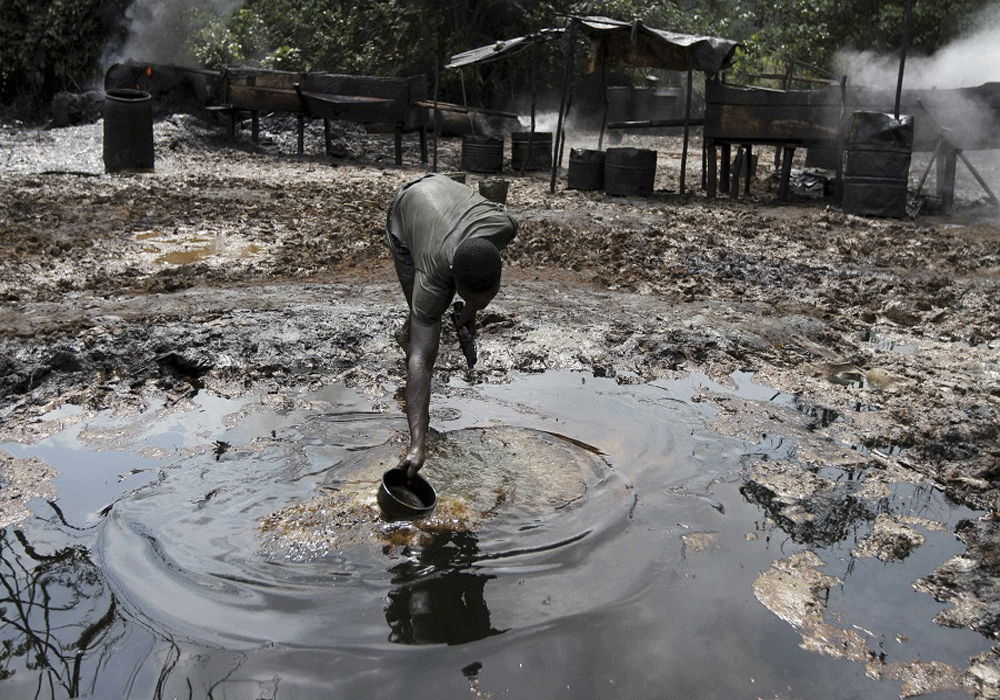
The Nigerian Upstream Petroleum Regulatory Commission (NUPRC) has generated a total sum of N28.11bn in miscellaneous oil revenue tied to licensing fees and renewals within the first five months of 2025.
The fund collected by the commission between January and May 2025 was remitted fully to government coffers. This comes amidst the scramble by over 40 Petroleum Prospecting Licence holders to renew their exploration permits.
An analysis of data from the monthly revenue submission by the regulatory commission to the Federal Accounts Allocation Committee between January and June, showed that the commission recorded a cumulative N28.11bn in “Miscellaneous Oil Revenue” between January and May.
The commission described this category of income as revenue generated from granting approvals for various types of licences and permits. Still, it did not disclose the specific amounts earned from each source.
ALSO READ: Edo Students Get N1bn Largesse From Okpebholo
A breakdown of the figures reveals that the highest earnings came in April, when the regulator collected N10.04bn. This was followed by N9.19bn in January, N3.64bn in February, N2.18bn in March, and N3.04bn in May.
The spike in non-royalty income comes amid new licensing and renewal policies rolled out by the NUPRC, including a requirement for oil producers to pay a $5,000 processing fee and submit 13 key documents for licence extension.
In the letter titled, ’Notification of PPL Tenure Expiration And Conditions For Extension’, the Chief Executive of the NUPRC, Gbenga Komolafe, said, “Further to the award of a Petroleum Prospecting License to your company during the 2020 Marginal Field Bid Round, a review of our records indicate that the PPL will expire on 27th June 2025 which is in line with the terms of award of the licence.”
By the provisions of Section 77 of the Petroleum Industry Act 2021 and 2022 Regulation on Extension of Licence, Komolafe said the letter served as a formal reminder that the PPL holders were required to either apply for an optional additional three years exploration period based on fulfilment of Minimum Work Programme/Minimum Financial Commitment attached to the licence at the time of the award and other obligations.
The law provides for an optional extension of three or five years; however, the extension would depend on the company’s performance. The commission is expected to rake in more revenue if all licensee make an application to renew their contract.
Nonetheless, the Federal Government appears pleased with the commission’s performance. Between January and May 2025, total revenue from the upstream sector, covering royalties, gas flaring penalties, concession rentals, and miscellaneous oil income, stood at over N3tn.
The commission has said it is targeting N15tn revenue this year. A breakdown of the FAAC document further revealed that revenue was generated from key streams, including oil royalties, gas flaring penalties, concession rentals, and miscellaneous oil income.
Oil royalties alone contributed a staggering N2.56tn to the Federation Account within the five-month period. Gas flaring penalties added N201bn, while concession rentals and miscellaneous oil revenue contributed N29.1bn and N28.1bn respectively.
Despite Nigeria’s 2030 net-zero pledge and previous deadlines to end routine flaring, the figures indicate the persistent environmental cost of flaring by oil producers.
The monthly breakdown shows N36.6bn in January, N36.5bn in February, N55.1bn in March, N30.4bn in April, and N42.9bn in May, making gas flaring one of the top five income streams for the regulator.








From January to September 2026, the domestic refineries in Nigeria received 156.52 million barrels of crude oil.
Of the volume, 125.85million barrels (80.4 percent) were sourced from in-country while 30.66 million barrels (19.6 percent) were imported.
This was contained in the Nigerian Midstream and Downstream Petroleum Regulatory Authority (NMDPRA) Factsheet September 2026 released on Thursday.
The Factsheet specifically revealed that in September 2026, 38.7 million litres of the Premium Motor Spirit PMS (petrol) were received per day, crashing from the 50.5million litres per day received in August by 23 percent.
READ ALSO: Thor Empowers Host Communities with 10 Cassava, Palm Oil Processing Plants
Stock sufficiency in September was 23.9 days, declining below the 30-day threshold.
The NMDPRA stressed that while 28.7million litres were supplied per day from domestic sources, declining by 21 percent from the previous month, 10.2 million litres were imported, reducing imported petrol by 30 percent in the period under review.
According to the Factsheet, “Domestic refining contributed about 65 percent of the national petrol requirement (consumption) in September 2026, and about 74 percent of receipts, supplemented by 26 percent of imports”.
The Dangote Refinery and Petrochemicals Company (DPRP) is the only domestic refinery which currently produces petrol in Nigeria.
The report added that the DPRP produced 47.22 million litres per day of PMS in September, supplying 28.50 million litres per day to the domestic market and exporting (35.2 percent) 15.47 million litres per day.
On capacity utilization, the refinery recorded 105.98 percent of its 650,000 barrels per day capacity in the period under review.
The Factsheet disclosed that 8.7million litres of diesel were consumed in the month under review.
The NMDPRA revealed that modular refineries supplied 4.3 percent of domestic diesel consumption in September.
Aradel and OPAC, said the Factsheet, operated below optimal capacity due to feedstock challenges and maintenance shutdowns.
September diesel receipts, according to the NMDPRA, were the lowest of the 13 months, driven by low imports and low domestic evacuation amid high prices.
The Factsheet said, “Nigeria’s energy-sector transformation is progressing. Domestic refining contributed about 65 percent of the national petrol requirement (consumption) in September 2026, and about 74 percent of receipts, supplemented by 26 percent of imports.
“Priority gas projects have reached significant mileage, with the AKK pipeline at 84 percent completion as of September 2026,” the Factsheet pointed out.

The appetite for improving access to capital for indigenous oil and gas contractors, strengthening the capacity of Nigerian businesses to execute critical energy projects and contribute to the country’s production ambitions, has seen the Renaissance Africa Energy Company Limited (‘Renaissance’) go into a strategic financing partnership with Sterling Bank Limited.
The partnership, formalised through a Memorandum of Understanding (MoU), brings Sterling Bank into the renewed Renaissance Vendor Financing Scheme (RVFS), a structured financing programme designed to address one of the longstanding challenges confronting indigenous service providers in Nigeria’s oil and gas industry: access to timely and affordable funding for contract execution.
READ ALSO: Group Demands Fair Share of NNPC Jobs for Ogoni Oil Exploration
The expanded programme brings together 13 financial institutions with combined financing commitments of $4.1 billion and ₦435 billion, creating a substantial pool of capital to support eligible contractors delivering projects for Renaissance, operator of the former Shell Petroleum Development Company (SPDC) joint venture assets.
Speaking on its participation, Dele Faseemo, Group Executive, Corporate and Investment Banking at Sterling Bank, described the partnership as an important opportunity to connect financial capacity with productive enterprise in one of Nigeria’s most strategically important sectors.
“At Sterling Bank, we believe financing should enable capable businesses to deliver, grow and compete. Our participation in the Renaissance Vendor Financing Scheme reflects that conviction. By providing structured funding to qualified contractors, we are supporting the businesses that keep the energy value chain moving, strengthening Nigerian content participation and contributing to the broader objective of increasing the country’s productive capacity,” Faseemo said.
For many indigenous contractors, securing a major contract represents only the first step towards business growth. The ability to mobilise equipment, procure materials, retain skilled personnel and meet demanding project timelines often depends on access to adequate working capital. Financing constraints can therefore limit the capacity of otherwise qualified businesses to execute contracts, scale their operations and participate more meaningfully in the energy value chain.
Through the RVFS, participating financial institutions will provide structured financing to eligible contractors against confirmed contracts awarded by Renaissance, subject to applicable credit assessment and approval processes. The arrangement is intended to ease funding pressures, improve project execution and strengthen the financial capacity of indigenous service providers.
Tony Attah, Managing Director and Chief Executive Officer of Renaissance Africa Energy Company Limited, highlighted the importance of the financing arrangement to the company’s growth ambitions.
“What we’ve been able to achieve as Renaissance is to go into that partnership with these incredible 13 banks who have come up to support this vendor scheme at over $4 billion and over ₦435 billion funds available for the vendors to be able to support us in our growth agenda,” Attah said.
He further emphasised the financial advantage the scheme offers participating contractors, noting that, “The interest rate that the banks are offering to the contractors is very competitive, and it is certainly better than the vendors going out to the respective banks on their own.”
The Renaissance Vendor Financing Scheme builds on a contractor financing programme established in 2010, which has evolved over the years to support local service providers executing projects across the oil and gas value chain. Its latest expansion comes as Renaissance pursues an ambitious growth strategy, including its aspiration to achieve production of one million barrels of oil equivalent per day by 2030.
Delivering on this ambition will require sustained investment not only in upstream production assets but also in the network of engineering firms, equipment suppliers, logistics providers, technical specialists and other indigenous businesses whose services are essential to operational performance.
With an established presence in corporate banking and energy sector financing, Sterling Bank continues to support businesses operating across critical segments of the Nigerian economy through tailored financial solutions, strategic partnerships and sector-specific expertise.
The collaboration reinforces the Bank’s commitment to supporting indigenous enterprise development, strengthening local capacity and financing productive economic activity, while contributing to efforts to improve Nigeria’s energy security and long-term industrial competitiveness.
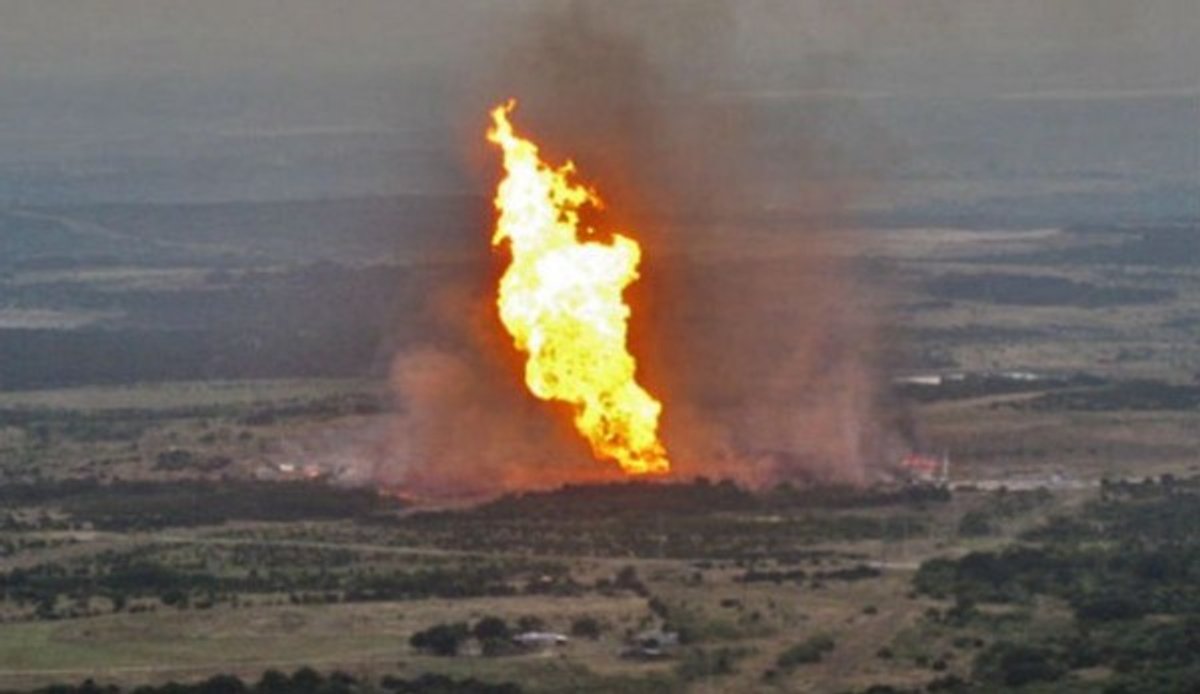
The Niger Delta Youths are primed to assume national responsibilities in critical areas of the economy by protecting vital oil and gas assets in the region.
The United Niger Delta Congress (UNDC) gave the assurance at a media briefing in Abuja, over the weekend, adding that the youths of Niger Delta were ready to work with the federal government in this regard.
The group maintained that youths in the region have shown that such responsibilities, including the security of pipelines, can be entrusted to them.
Speaking at the news conference, Niger Delta Youth activist, Mallam Julius Obi, said the Niger Delta is safer while the nation’s crude is flowing based on the fact that youths in the region are doing the job.
He said that being a youth should not be a disqualification from strategic national assignments but when matched with preparation and character, a national asset.
“We are calling on the federal government to note that Nigeria is full of young men and women who are prepared, disciplined and ready to carry out national responsibilities.
“We urge the federal government to keep opening the doors of strategic national service to young Nigerians who have earned trust the only way it can be earned, by delivery,” Obi said.
READ ALSO: JUST IN: Ex-Delta Governor Emmanuel Uduaghan Is Dead
The group commended President Bola Tinubu for sustaining the security reforms in the oil and gas industry and the the National Security Adviser (NSA), Mallam Nuhu Ribadu, for coordinating the protection of the nation’s pipelines, and the management of NNPCL for providing the enabling environment.






₦2.3tn Kaduna Rally Claim: APC Accuses Atiku, ADC of Fake News Plot

Dangote Identifies Power, Financing as Possible Keys to Africa’s Industrial Revolution

Dangote Calls for Stronger Protection of Local Industries, Unveils Pan-African Energy Distribution Network

NMDPRA Issues Updates on Q3 Crude Supplies to Domestic Refineries

FCT Motorists, Commuters Divided over NNPC Petrol Discount

Two Suspected Political Thugs Killed After Attacking NDC Candidate’s Convoy in Ebonyi

Trump’s Family Unveils New Cryptocurrency Platform

Senate Denies Receiving Petitions Against Tinubu’s Ambassadorial Nominees

Dangote Cement Lights Up Benue Host Communities With CSR Initiatives

Reps Recommend 3-year Jail Term For Aviation minister

Tems Sets New Record On Billboard Hot 100 Chart

l4xzpo
9vt4g1
i94z77
ktr740
Youre so cool! I dont suppose Ive learn something like this before. So good to seek out somebody with some original thoughts on this subject. realy thank you for starting this up. this website is one thing that’s needed on the web, someone with somewhat originality. useful job for bringing something new to the internet!
I conceive this internet site contains some real excellent info for everyone : D.
Its like you read my mind! You seem to know a lot about this, like you wrote the book in it or something. I think that you could do with some pics to drive the message home a bit, but instead of that, this is wonderful blog. A great read. I will certainly be back.
I like this site very much, Its a real nice place to read and obtain information. “‘Taint’t worthwhile to wear a day all out before it comes.” by Sarah Orne Jewett.
Hi my friend! I wish to say that this article is awesome, nice written and include approximately all significant infos. I’d like to see more posts like this .
F*ckin’ remarkable things here. I’m very happy to see your post. Thanks so much and i am having a look ahead to touch you. Will you kindly drop me a e-mail?
I got what you intend, thanks for putting up.Woh I am pleased to find this website through google. “Being intelligent is not a felony, but most societies evaluate it as at least a misdemeanor.” by Lazarus Long.
Wow, incredible weblog structure! How long have you ever been blogging for? you make blogging glance easy. The whole glance of your site is wonderful, as neatly as the content!
It’s really a great and useful piece of information. I’m glad that you shared this useful information with us. Please keep us informed like this. Thanks for sharing.
I got what you mean , regards for posting.Woh I am thankful to find this website through google. “Money is the most egalitarian force in society. It confers power on whoever holds it.” by Roger Starr.
Pretty! This was a really wonderful post. Thank you for your provided information.
I got what you intend, thanks for posting.Woh I am thankful to find this website through google.
Together with almost everything that seems to be building throughout this specific area, all your perspectives are fairly radical. On the other hand, I beg your pardon, because I do not give credence to your whole strategy, all be it exciting none the less. It looks to us that your comments are not completely rationalized and in fact you are your self not completely certain of your assertion. In any event I did take pleasure in reading through it.
I have been absent for a while, but now I remember why I used to love this site. Thank you, I’ll try and check back more frequently. How frequently you update your web site?
Somebody necessarily assist to make severely posts I’d state. That is the first time I frequented your web page and up to now? I surprised with the research you made to create this actual submit incredible. Magnificent job!
magnificent points altogether, you just gained a new reader. What would you suggest in regards to your post that you made some days ago? Any positive?
Just a smiling visitor here to share the love (:, btw great design and style.
Thanks for the marvelous posting! I definitely enjoyed reading it, you could be a great author.I will make sure to bookmark your blog and may come back very soon. I want to encourage continue your great work, have a nice morning!