
Politics
Osun 2022: INEC Assures of Equity to All

By Edozie Obasi-Eze
The Independent National Electoral Commission (INEC) in Osun State has assured of equity in the July 16 governorship election.
Resident Electoral Commissioner, INEC, Osun State, Prof. Abdulganiy Raji, gave the assurance on Friday in Osogbo.
He was speaking at the opening session of two-day capacity building for Civil Society Organisations/Non-Governmental Organisations, and People With Disabilities.
Prof. Raji, revealed that the Commission had engaged various stakeholders, including royal fathers as part of measures to ensure a free and fair poll.
Read Also >> Tinubu Unveils Agenda – To Decentralise Police, Create Jobs, Ensure 12% GDP Growth !!!!
In his words, “I want to reassure you that INEC will ensure that votes count during the forthcoming governorship election as a level-playing ground would be provided for all candidates and political parties contesting this election.”
He also revealed that security agencies have also been very supportive of the Commission in the state under the umbrella of the Inter-Agency Consultative Committee on Election Security.
Prof. Raji added that the Commission had also formed a strategic alliance and partnership with CSOs found credible to interface and engage with, with a view to generating new ideas and ideal ways to carry out her activities.
On the rationale for the workshop, he explained that the Commission thought to use it to acquaint the CSOs, NGOs, and PWDs with the best ways of conducting effective voters’ education and public mobilisation, especially at the grassroots.
He, however, charged the participants to assist the Commission to conduct voter education in every part of the state for the peaceful conduct of the governorship poll.




The African Democratic Congress (ADC) has challenged President Bola Tinubu’s administration to account for the ₦10 billion reportedly earmarked for Ebola emergency preparedness, demanding explanations over claims that the funds remain untouched despite a confirmed Ebola case in Abuja.
The party also questioned the government’s response to the reported case, calling for the publication of financial records and a detailed timeline of the emergency response.
In a press statement issued on Friday, October 23, 2026, Phrank Shaibu, Director of Strategic Communication of the ADC Presidential Campaign Council, criticised the All Progressives Congress (APC) for focusing on defending Tinubu against criticism by former Vice President Atiku Abubakar rather than addressing questions about the emergency fund.
ALSO READ: Why Ebola Outbreaks Keep Returning to Africa, Dr Jean Kaseya Explains
The statement recalled that the Presidency announced on June 9 that Tinubu had ordered the immediate release of ₦10 billion for Ebola emergency preparedness.
However, the ADC said the APC had subsequently described the fund as “untouched”, raising questions about whether the money was released and why it had not been utilised.
“Was the money released or was it not? If it was released, where is it held, who controls it, and why has it not been used for the preparedness President Tinubu announced?” the statement asked.
The party called on the government to publish the release documents, account records and expenditure reports of the task force responsible for the emergency response.
It maintained that the administration should provide documentary evidence to clarify the status of the funds.
ADC Questions Ebola Response Timeline
The ADC also questioned the timeline of the government’s response to the reported Ebola case, seeking clarification on when the disease was first suspected and when public health authorities were alerted.
Citing the World Health Organization’s account, the statement said the patient developed symptoms on October 7, sought treatment at a private health facility on October 11, and received laboratory confirmation on October 20.
Shaibu asked the government to explain when Ebola was first suspected, when testing was ordered, when public health authorities were notified and when contact tracing began.
The party also challenged the APC’s claim that surveillance systems alerted the government to the case, demanding details of the agency responsible and the actions taken following the alert.
“The APC claims surveillance ‘tipped off’ the government. Then publish the timeline. Name the agency that raised the alert, give the date and explain the action taken,” the statement said.
The ADC further noted that the 44 identified contacts mentioned in the response required adequate health protection and monitoring.
Party Calls for Protection of Health Workers
The opposition party emphasised the need to provide health workers involved in treating the patient and tracing contacts with adequate protective equipment and resources.
It said demands for accountability over the government’s preparedness should not be interpreted as criticism of the health workers carrying out their duties.
“Health workers treating the patient and tracing contacts deserve protection, equipment and every resource needed to act quickly,” the statement said.
The party also urged the Tinubu administration to ensure that public health measures were not used to interfere with political campaigns or voting.
It called for the publication of any proposed restrictions, their medical justification and the advice of relevant health authorities.
According to the ADC, public health guidelines should prioritise the protection of citizens and should not become political instruments.
ADC Demands Accountability Over ₦10bn Fund
The ADC maintained that the government and the APC owed Nigerians an explanation over the apparent contradiction between the Presidency’s June announcement and the subsequent claim that the funds remained untouched.
It urged the administration to provide records showing whether the money was released, where it was held and how it had been managed.
“President Tinubu ordered ₦10 billion released in June. His party now says it is untouched. That contradiction came from the Presidency and the APC. They should resolve it with records,” the statement said.
The party concluded by demanding transparency over the emergency fund, a clear account of the government’s response timeline and adequate protection for health workers and identified contacts.
“Show Nigerians where the money is. Explain the response timeline. Protect health workers. Trace every contact,” Shaibu said.
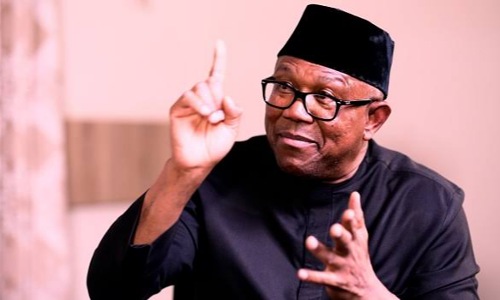
The presidential candidate of the Nigeria Democratic Congress (NDC), Peter Obi, has called for collective efforts to rebuild Nigeria, tackle corruption and end bad leadership, saying the country must work for everyone rather than a privileged few.
Obi made the call on in a statement titled “Rebuilding Nigeria” following his arrival in London from Basel, Switzerland, at 7 a.m. on Wednesday, October 21, 2026.
He disclosed that his busy schedule included several engagements and meetings with stakeholders in the United Kingdom, including British government officials and members of the Nigerian diaspora.
SEE ALSO: Peter Obi Slams Tinubu Over ₦7.7tn Debt Interest Against ₦6.2tn Revenue
According to him, he rounded off the day with an evening meeting organised by the COPDEM Chief and the NDC Director of Diaspora Affairs, which brought together other stakeholders in London.
Obi said the discussions centred on the collective responsibility of Nigerians to free the country from bad leadership, corruption and a lack of accountability, which he identified as challenges undermining national development.
He noted that these challenges had deprived millions of Nigerians of access to basic necessities, including quality healthcare, education and decent employment.
The former Anambra State governor stressed that Nigerians deserved a country where every life mattered, hard work was rewarded and citizens had a fair opportunity to succeed regardless of their backgrounds or connections.
“We must build a Nigeria where the child of nobody can become somebody without knowing anybody. A country that works for everyone, not just a privileged few,” he said.
Obi expressed optimism about the country’s future, declaring that “A New Nigeria is POssible.”
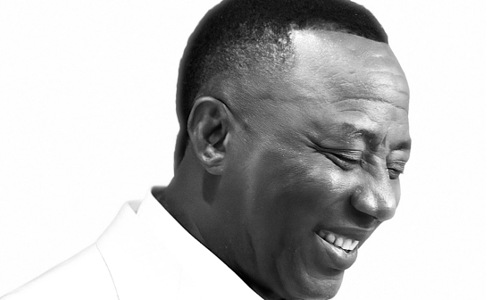
The African Action Congress (AAC) has asked President Bola Tinubu to approve the inauguration of its Presidential Campaign Council at the Presidential Villa, Aso Rock, Abuja, ahead of the 2027 general elections.
The party also requested food, drinks and other logistical support for 5,000 participants expected to attend the event from within and outside Nigeria.
The requests were contained in a letter dated October 21, 2026, and addressed to the President at the Presidential Villa. The party proposed November 11, 2026, for the inauguration ceremony.
SEE ALSO: 2027: Sowore Unveils Sweeping Agenda, Says AAC Will Transform Nigeria
In the letter, the AAC said its requests were based on the principles of multiparty democracy, political inclusiveness and equal treatment of political parties.
The party also referred to arrangements reportedly extended to the All Progressives Congress (APC) for a similar political engagement, arguing that its request should receive equal consideration.
The AAC said approving the requests would demonstrate the Presidency’s commitment to fairness and equal access to public institutions, regardless of political affiliation.
“We believe that granting this request would demonstrate the Presidency’s commitment to fairness, equal access, and the principle that public institutions must serve all Nigerians without partisan discrimination,” the letter stated.
The party further requested information on the applicable procedures and conditions for approval.
The letter was signed by the AAC National Secretary, Oshiokhue Philip Ikpeminoghena, on behalf of the party.
The proposed inauguration is part of the party’s preparations for the 2027 general elections.






Dangote Identifies Power, Financing as Possible Keys to Africa’s Industrial Revolution

Dangote Calls for Stronger Protection of Local Industries, Unveils Pan-African Energy Distribution Network

NMDPRA Issues Updates on Q3 Crude Supplies to Domestic Refineries

FCT Motorists, Commuters Divided over NNPC Petrol Discount

Two Suspected Political Thugs Killed After Attacking NDC Candidate’s Convoy in Ebonyi

Shettima Arrives Maiduguri to Commission Hospital, Schools, 104 Housing Units

Trump’s Family Unveils New Cryptocurrency Platform

Senate Denies Receiving Petitions Against Tinubu’s Ambassadorial Nominees

Dangote Cement Lights Up Benue Host Communities With CSR Initiatives

Reps Recommend 3-year Jail Term For Aviation minister

Tems Sets New Record On Billboard Hot 100 Chart
