
NEWS
Renaissance Boss Backs Domestic Refining, Against Crude Exports


It has come to the fore that the continued export of crude oil while refined petroleum products are imported contradicts Nigeria’s local content goals and limits value creation within the country.
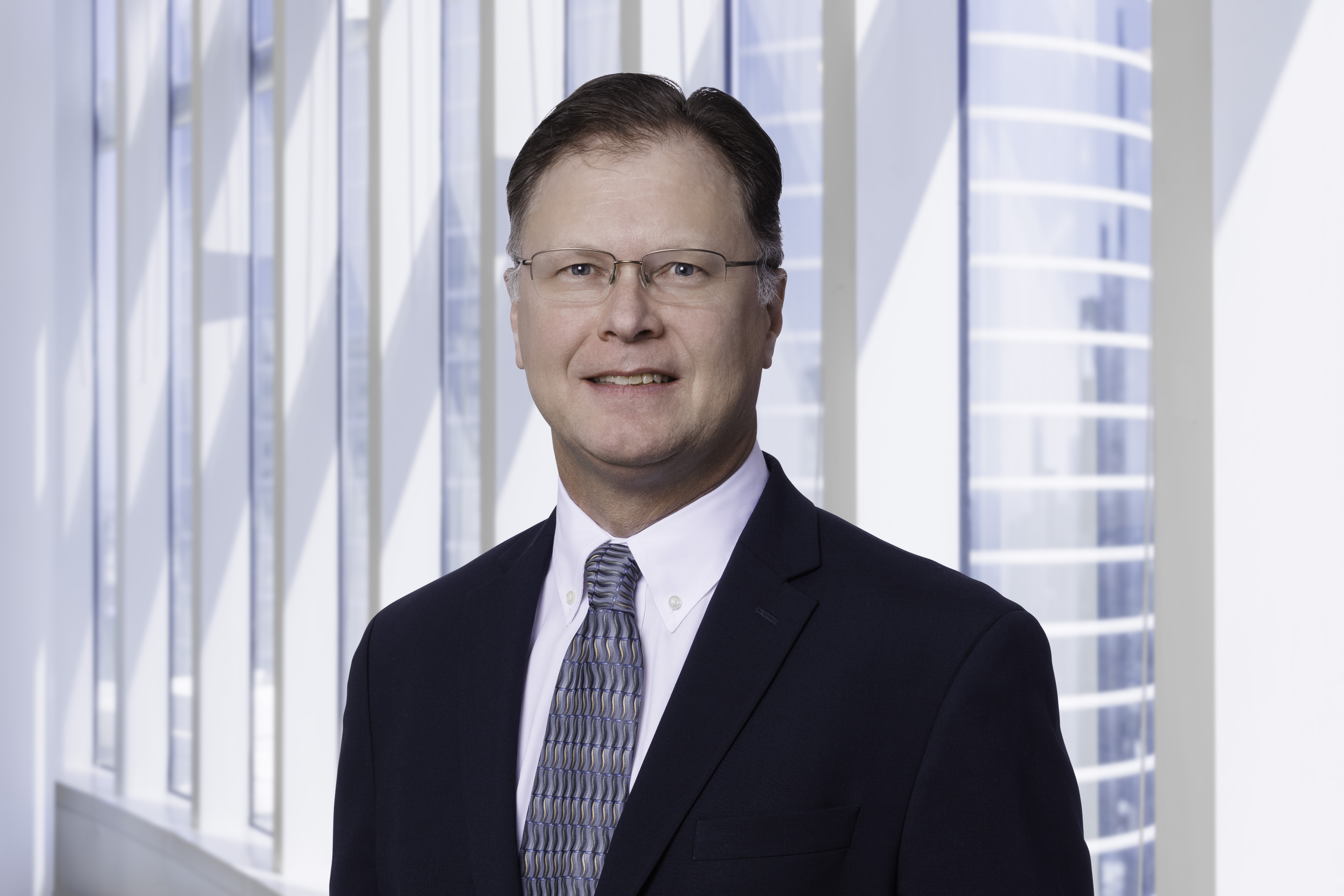
This view was shared on Thursday at an online lecture organised by the Nigerian Content Academy of the Nigerian Content Development and Monitoring Board on, ‘Finding Funds For Effective & Efficient Local Content Initiatives – IPPG Perspective’, by the Managing Director/Chief Executive Officer of Renaissance Africa Energy, Tony Attah.
He frowned at the traditional model adopted by international oil companies, noting that crude oil is produced in Nigeria and exported, while the value from refining is created in other countries.
ALSO READ: Channel Oil Windfall to Domestic Refineries – TUC to Tinubu
According to him, the prevailing system reflects the characteristics of an extractive industry, where resources are taken out without building domestic capacity for processing and industrial development.
“But what do we do today with the business model that the IOC has had? They produce and take the crude out. That’s why it’s called an extractive industry. But they take the crude out and create value in their respective countries,” he said.
Attah said the adoption of a similar model by independent oil producers undermines local content policy. Attah explained that the practice of exporting crude for foreign refineries to process is inconsistent with the objectives of Nigerian content development, which seeks to build capacity and encourage in-country value addition.
Attah said there is a transformation as local firms gradually take over the nation’s energy sector. He recalled how Renaissance Africa lowered Shell’s flag to fly its own after the divestment that took place in 2024. He also commended the Dangote refinery, saying the plant has led to the shutdown of various refineries in Europe.
“So, to expect the transformation that I referred to with Nigerian independence taking over, to continue with that model of — ‘produce and take the barrels out for someone else to create value’ — is not consistent with the Nigerian content where we are looking to create capacity and domestication in-country. That is why I feel very proud of Aradel and Waltersmith refineries and, in fact, even more so with the one Dangote has built.
“The Dangote refinery has disrupted the entire world. If you Google it, you will see how many refineries are shut down in Europe just because of one man’s dream, one man’s ambition, which, when you speak to him, he tells you about the belief. But he will tell you that there were several times in the course of pushing that ambition that he doubted himself, but he just had the courage to keep going,” he said.
He noted that local refining offers a more sustainable path for economic growth, as it enables Nigeria to capture greater value from its resources and strengthens domestic industrial capabilities.
Attah also expressed pride in emerging local refining initiatives, which he said demonstrate the benefits of processing crude domestically rather than exporting it in raw form.
Beyond refining, he emphasised the need for a balanced energy mix, stating that while renewable energy is important, it cannot alone meet Africa’s growing energy demand. He noted that global events, including geopolitical conflicts, have exposed the fragility of energy systems and highlighted the continued relevance of fossil fuels in ensuring energy security.
Attah said energy has always been in transition, evolving from manpower to kerosene, crude oil, gas, and now renewables, stressing that Africa must adopt a pragmatic approach that incorporates multiple energy sources.
He warned that Nigeria’s rapidly growing population would significantly increase energy demand, noting that the country’s population is projected to rise from over 200 million to more than 400 million by 2050.
The Renaissance Africa Energy chief also highlighted the gap between Nigeria’s population and power generation, observing that more than 200 million people rely on roughly 5,000 megawatts of electricity. He suggested that distributed energy solutions such as solar panels, batteries and inverters at the household level could help bridge supply gaps over time.
On financing local content initiatives, Attah stressed that investors prioritise governance structure, clarity of business model, and risk management. He explained that financiers typically require equity contributions, strong collateral, and credible project structures before committing funds.
According to him, Africa must also develop its own financing capacity, as reliance on external funding often leaves projects vulnerable during global economic shocks. He pointed to the creation of an African energy financing institution as a step towards addressing funding challenges on the continent.
Attah added that companies seeking investment must demonstrate bankability, cost efficiency, and strong governance to attract capital. He also urged African countries to strengthen intra-continental trade, noting that the continent often does more business with external markets than within itself.
Attah said building domestic refining capacity and strengthening local content initiatives would help Africa retain value, create jobs, and enhance energy security.



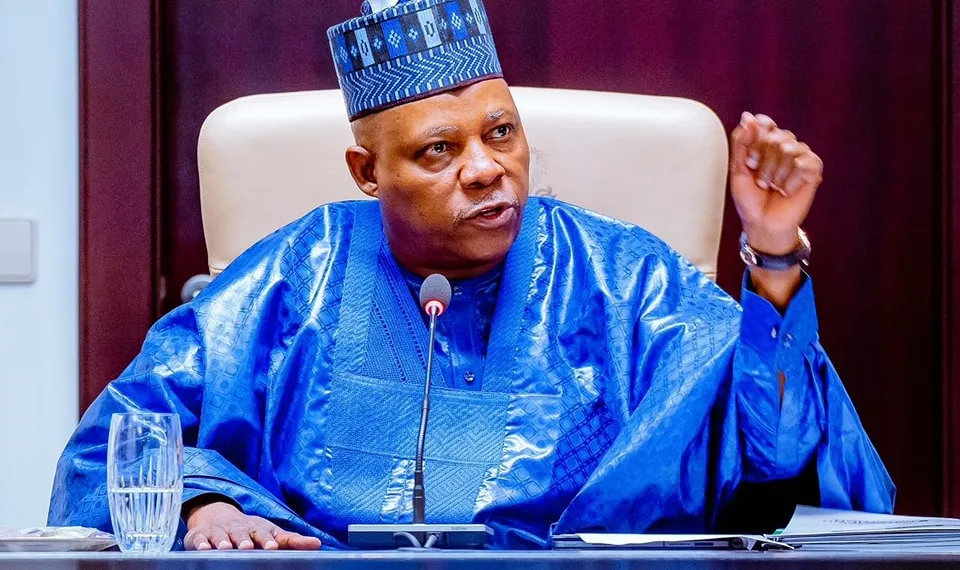
Vice President Kashim Shettima has urged Nigerians to celebrate President Bola Tinubu, saying his leadership saved the country from a potential implosion.
Shettima said Nigeria’s economy had been teetering on the edge of collapse before Tinubu’s intervention, adding that the country could have faced a different situation.
“The economy was teetering on the edge of collapse, we were on a cliff edge,” the Vice President said.
ALSO READ: Subsidy Removal, FX Reforms Driving Fresh Oil Sector Investment – Shettima
“So he literally saved the nation from an implosion. That could have been the scenario. So, instead of demonizing him, Nigerians ought to celebrate this poor man.”
Shettima also called for a return to the drawing board, expressing confidence in the leadership’s commitment and the prospects for the 2027 elections.
“I believe on the bottom of my heart that with this presentation I have seen, and with the commitment of our leadership, by the grace of God, we are going to win,” he said.
Speaking about the 2027 elections, the Vice President reminded his audience that social media platforms should not be mistaken for actual polling stations.
“There are no polling stations on Facebook or Instagram,” he said.
Shettima also expressed gratitude for the efforts made towards promoting the cause of the 2027 elections.
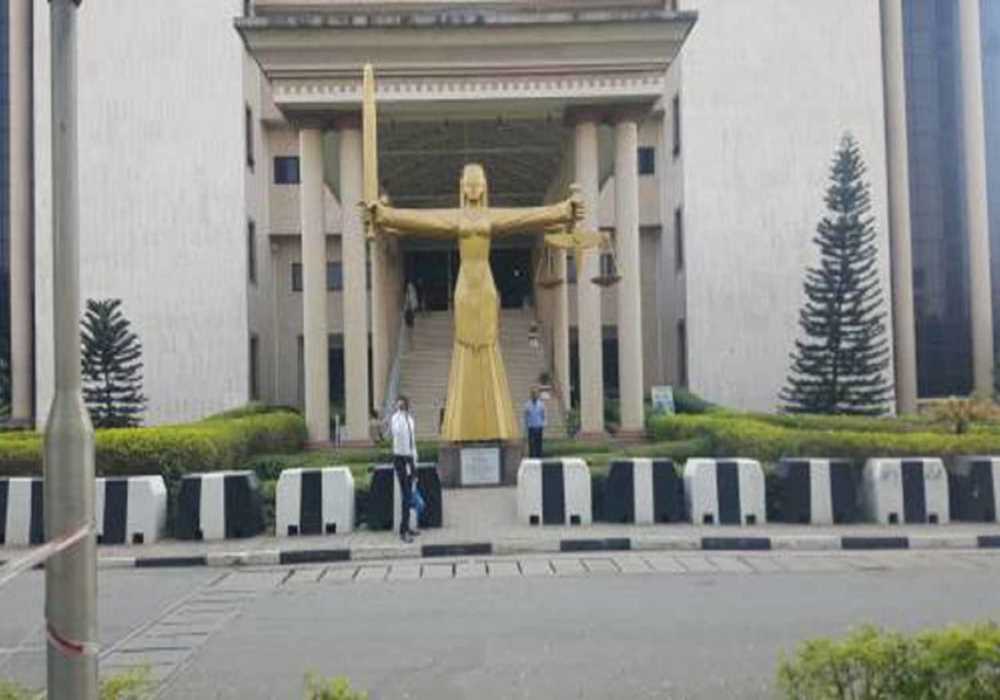
Following observed mis-steps, the Federal Government of Nigeria has withdrawn the eight-count criminal charge brought against the alleged fake Director General (DG) of the Presidential Foreign Intervention Promotion Council (PFIPC), Adeniyi Adeyemi.
Biztellers reports that the matter, in accordance with the counsel of the Attorney General of the Federation (AGF) and Minister of Justice, Prince Lateef Olasunkanmi Fagbemi, (SAN), the matter will be filed at the High Court of the Federal Capital Territory (FCT), instead of the Federal High Court (FHC).
Consequently, upon an unopposed application for termination by the prosecution counsel and Director of the Public Prosecution of the Federation (DPPF), Rotimi Oyedepo (SAN), on Monday, Justice Mohammed Umar of a Federal High Court, Abuja on Monday, struck out the matter.
READ ALSO: Shell Identifies Keys to Nigeria’s Energy Future
In a motion for the termination of the charges, Oyedepo informed the court that the Attorney General of the Federation (AGF) and Minister of Justice has carried out a review of the case file of Adeyemi and the charge filed by the Inspector General of Police (IGP) and found some loopholes.
The DPPF added that the documents allegedly forged by Adeyemi during his operations of the fake agency are those that can be prosecuted by the High Court of the Federal Capital Territory (FCT).
He also informed the court that a new charge has been filed at the High Court of the FCT and that Adeyemi would be expeditiously arraigned afresh.
He therefore urged the judge to strike out the charge as required by law.
Following no objections from Ibrahim Angulu (SAN), who stood in for Adeyemi, Justice Umar subsequently terminated the charge.
Adeniyi, 38, was being tried alongside two others whose whereabouts are unknown, on charges bordering on conspiracy and forgery.
The two others said to be at large were identified as Femi (surname unknown) and Anu (surname unknown).
The charge marked: FHC/ABJ/CR/25/2025, was entered against the defendant by the DPPF.

To secure a bright energy for her teeming population, Nigeria must sustain the momentum of reform, accelerate investment, and deepen partnerships.
This view was expressed by Managing Director, Shell Nigeria Exploration and Production Company of Nigeria Limited (SNEPCo) Ronald Adams in Lagos at the weekend.
Delivering a keynote address at the Africa Energy Conference (AEC) of the Lagos Business School (LBS), Adams called for regulatory certainty through efficient execution of reforms, sustained investment appeal to enable projects to move more swiftly from opportunity to production and partnership by operators, regulators, NNPC Limited and communities to unlock the full value of Nigeria’s resources.
Adams cited Nigeria’s huge oil and gas resources as an advantage but pointed out: “Resources alone do not guarantee prosperity. Prosperity comes when resources are matched with investment, technology, sound policy and disciplined execution. Success will be determined not by the size of our resources, but by our ability to convert them into investment and economic growth.”
Adams pledged the support of Shell towards a bright energy future of Nigerians. He said: “For more than six decades, Shell has been part of Nigeria’s energy journey. Together with our partners, we have helped develop major energy infrastructure, supported Nigerian businesses, invested in talent, and contributed to economic development. Bonga remains a powerful example of what technology, partnership and Nigerian capability can achieve in deepwater operations. Today, that story continues through Bonga North.”
READ ALSO: ADF Targets 5 Million Students, 2 Million Vulnerable Women
Issuing a clarion call for action by all stakeholders, he added: “The world is not standing still. Capital is moving, technology is advancing and competition is intensifying. The countries that attract investment tomorrow are those that improve competitiveness today. Nigeria has begun that journey. Our task is to sustain the momentum and translate reform into projects, projects into growth, and growth into shared prosperity.”
The conference, the 4th in the series had at its theme; “Securing Nigeria’s Energy Future: Policy Reform, Capital Mobilisation, and Pathways to a Sustainable Power and Energy Market” and was attended by top government officials, industry captains, energy professionals, and students.
Lagos State Deputy Governor Obafemi Hamzat represented Lagos State Governor Babajide Sanwo-Olu as the guest of honour. SNEPCo was a principal sponsor of the Africa Energy Conference (AEC) and mounted a well-received exhibition on its deepwater operations and social investments across Nigeria.






State Govs, Wike Endorse One-Party State, Join APC Campaign Council

2027: ‘Tinubu Has Done Well’ – Wike Tells Opposition to Speak the Truth

‘Celebrate This Poor Man’ – Shettima Defends Tinubu Over Economic Crisis
FG Withdraws Charges Against ‘Fake Agency’ DG, Adeniyi Adeyemi

Shell Identifies Keys to Nigeria’s Energy Future

Nigeria Records Biggest Rise in Multidimensional Poverty Among Five Countries – UN

Trump’s Family Unveils New Cryptocurrency Platform

Senate Denies Receiving Petitions Against Tinubu’s Ambassadorial Nominees

Dangote Cement Lights Up Benue Host Communities With CSR Initiatives

Reps Recommend 3-year Jail Term For Aviation minister

Tems Sets New Record On Billboard Hot 100 Chart
