
Politics
Senator Kingibe Commends #EndBadGovernance Protesters, Condemns Police Brutality

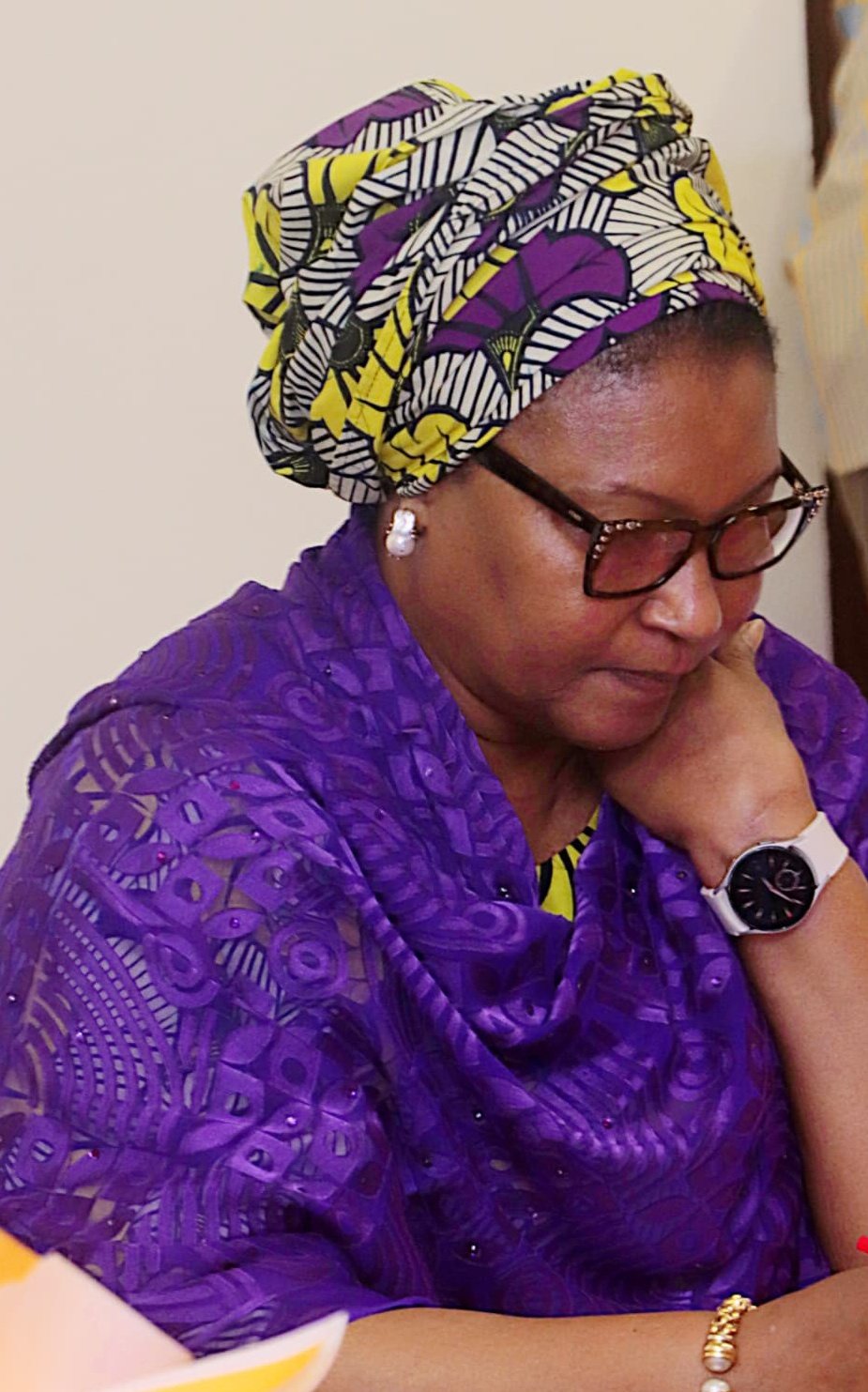
The Senator representing the Federal Capital Territory (FCT) at the 10th Senate, Ireti Kingibe has commended the peaceful conducts of the #EndBadGovernance2024 protesters.
She gave the kudos in a statement on her verified handle on micro-blogging site, X, on Sunday, where she strongly condemned “the excessive use of force by the police and other security agencies against peaceful protesters”.
Sen Kingibe reminded the political class that they were there to represent the people, who must be engaged with and listened to address their genuine concerns.
She urged the Nigerian Government to switch to “a more empathetic and dialogue-driven approach to sensitive matters”.
ALSO READ: Kingibe Restates Commitment To Constituents’ Welfare
Biztellers reports that the 10-day nationwide #EndBadGovernance and #EndHunger, which started on August 1 drew to a close on Saturday.
It was highlighted with the brutality of law enforcement agents, which led to several unnecessary deaths across the country, with protesters themselves, resorting to looting and damaging public property in some locations.
Sen Kingibe wrote, “In light of the recent protests across Nigeria, including in our capital, Abuja, under the banners of #EndBadGovernance and #EndHunger, I, wish to address the concerns raised by the people.
“I extend my heartfelt condolences to those who have lost loved ones during these demonstrations.
“My thoughts are with the families affected by this tragedy, and I wish a quick and full recovery to those who have been injured.
“The loss of life and suffering are deeply saddening, and it is crucial that we acknowledge and address these painful realities.
“I am deeply concerned about the excessive use of force by the police and other security agencies against peaceful protesters.
“Such actions are counterproductive and do not contribute to resolving the issues at hand.
“It is imperative that the federal government adopts a more empathetic and dialogue-driven approach to sensitive matters.
“The demands of the protesters, including a call for a corruption-free fuel subsidy and improved leadership, among others, are both urgent and important.
“These demands reflect the widespread frustration felt by many Nigerians, including myself.
“It is essential for President Bola Tinubu and the federal government to engage meaningfully with representatives of the protesters, civil society organizations, and other stakeholders to address these concerns.
“We must remember that it is the people who put us in office, and it is our duty as public servants to listen and act on their concerns.
“The voice of the people is indeed the voice of God, and their demands deserve serious consideration.
“I want to assure the residents of the Federal Capital Territory that I will remain a steadfast advocate for your needs and concerns in the Senate.
“I commend you for the peaceful manner in which you have conducted yourselves during these protests and thank you for your resilience and civility.
“Together, let us work towards solutions that address the issues at hand and bring about the positive change we all seek.”











The Chairman of the Independent National Electoral Commission (INEC), Prof. Joash O. Amupitan, SAN, has declared that algorithms will not determine the outcome of Nigeria’s 2027 General Elections, insisting that the sovereign will of the Nigerian people must remain the basis for choosing their leaders.
Amupitan made the declaration while speaking at the Artificial Intelligence and Democracy Forum 2026 in Abuja, themed “Safeguarding the 2027 General Elections in the Age of Artificial Intelligence.”
“Algorithms will not, and must never, decide the 2027 vote,” he said.
ALSO READ: 2027 Elections: INEC Debunks Fake Notice on Governorship Candidates in Six States
“The choice of who leads Nigeria belongs exclusively to the Nigerian people. Algorithms may predict patterns; they may optimise routes, and they may even suggest preferences. But they do not have a conscience, they do not have a country, and they do not have a vote.”
The forum, co-convened by INEC and Yiaga Africa, brought together electoral officials, members of the diplomatic corps, political party leaders, civil society organisations, media executives, security agencies, technology companies, international development partners and members of the academic community.
Participants also included the Chairperson of the ECOWAS Network of Electoral Commissions and Chairman of Senegal’s Electoral Commission, Mr Abdoulaye Sylla, alongside heads of electoral management bodies across Africa.
Amupitan acknowledged that artificial intelligence would significantly influence the information environment ahead of the 2027 elections, as well as electoral logistics and the strategies employed by democratic actors and those seeking to disrupt the electoral process.
“While algorithms will not decide the vote, AI will undeniably shape the information environment in which citizens form their choices, influence the speed and security of electoral logistics, and alter the tactics of both democratic actors and anti-democratic disruptors,” he said.
The INEC chairman described the 2027 General Election as the largest democratic exercise on the African continent and one of the most complex administrative undertakings in the world.
According to him, the election will involve more than 103 million registered voters and 176,846 polling units spread across 774 local government areas, with elections covering the presidential, National Assembly, governorship and state assembly positions.
He disclosed that INEC had completed 10 of the 14 major operational milestones stipulated by the Electoral Act 2026.
The commission has also procured additional Bimodal Voter Accreditation System (BVAS) units, digitised candidate nominations through the INEC Candidates Nomination Portal (ICNP), which is processing more than 15,000 nominations across 22 political parties, and introduced online voter registration for the first time in Nigeria.
Amupitan identified several areas where artificial intelligence could improve election administration, including predictive logistics and route optimisation, automated assistance with result audits, biometric database management, multilingual voter engagement through Natural Language Processing, and AI-driven cybersecurity defence.
However, he stressed that the adoption of AI would not replace human responsibility in critical electoral processes.
According to him, no critical electoral decision, result collation, voter accreditation or candidate qualification would be fully automated or delegated to an autonomous system.
“Human accountability, statutory oversight, and judicial review will remain paramount at every stage of the electoral chain,” he said.

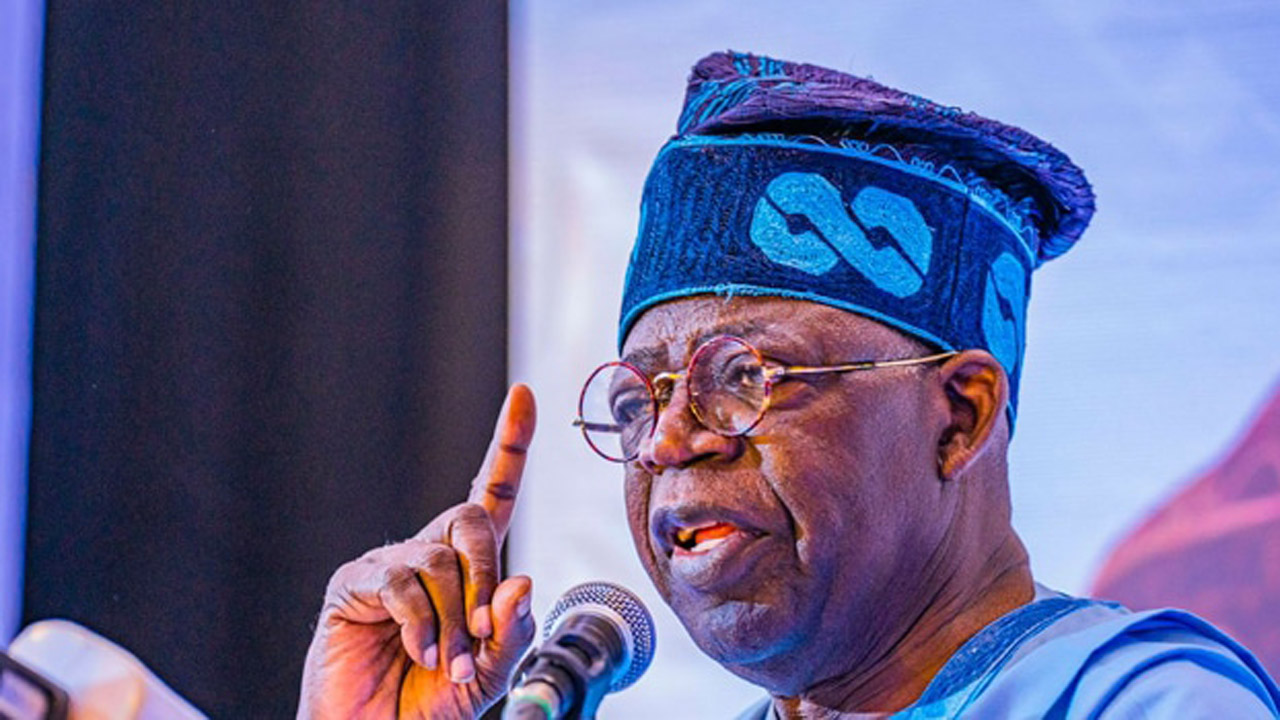
Two sitting state governors of other political parties and an influential minister, also of an opposition party have teamed up with the ruling All Progressives Congress (APC) in the push to help President Bola Ahmned Tinubu retain his seat come 2027.
Biztellers reports that Osun State Governor, Senator Ademola Adeleke (Accord Party) and his Anambra State counterpart, Prof Charles Soludu (All Progressives Grand Alliance (APGA)) have joined the Minister of Federal Capital Territory (FCT), Nyesom Wike (Peoples Democratic Party, (PDP)) in backing Tinubu’s re-election bid and would be serving in the revised Presidential Campaign Council (PCC).
Tinubu is the presidential candidate of the ruling APC.
According to a notice signed by the National Secretary of the APC, Senator Ajibola Basiru, the inauguration of the Council is scheduled for Wednesday at the Banquet Hall, Presidential Villa, Abuja by 11:00 a.m.
In a move signifying that politics is ticker than blood-relationship, Adeleke, a member of the Accord Party in Osun state was preferred to the President’s cousin and the Minister of Marine and Blue Economy, Gboyega Oyetola, who is the leader of the APC in the state.
With the Presidential candidate of the African Democratic Congress (ADC), Atiku Abubbakar, and Candidate of the National Democratic Congress (NDC) giving APC and Tinubu a good fight, the ruling party is leaving nothing to chance, hence, its decision to leverage on the popularity of friendly governors in opposition parties such as Adeleke to garner more support for Tinubu in Osun.
READ ALSO: 2027: Tinubu Will Beat Atiku, Obi by Wide Margin, Says Bwala
Also, Soludo, a member of the APGA has never hidden his desire to work for the re-election of President Tinubu in the January 16, 2027 presidential election. Soludo is Obi’s home state Governor.
Even before the ruling party released the revised campaign list, Wike, a member of the PDP had named himself the campaign coordinator for the FCT. So, it was no surprise that he was drafted into the campaign council of the APC.
Vice President Kashim Shettima would serve as Vice Chairman I, while the National Chairman of the APC, Prof. Nentawe Goshwe Yilwatda is Vice Chairman II. Senate President Godswill Akpabio, House Speaker Tajudeen Abbas and Kwara Governor AbdulRahman AbdulRazaq are Deputy Vice Chairmen.
Former Zamfara State Governor, Senator Abdulaziz Yari remains the Director General of the Campaign Council.
The Deputy Director-Generals of the PCC are: Yobe State Governor, Mai Mala Buni (North I), Senator Opeyemi Bamidele (South I), Deputy Senate President Barau Jibrin (North II), Deputy Speaker Benjamin Kalu (South II), while Senator Adams Oshiomhole will head Mobilization.
Also on the list is the Chief of Staff to the President, Hon. Femi Gbajabiamila who will serve as the Head of Administration, Hon. James Faleke is Deputy Director General in charge of Election Planning, Hon. Ibrahim Masari is in charge of Logistics and Operations, Hon. Aminu Masari heads Parliamentary Mobilisation, and Minister of Works, Engr. David Umahi heads Infrastructure Mobilization and Sensitization.
Imo State Governor, Hope Uzodimma is Secretary of the Council, while Basiru is Deputy Secretary and Hadiza Bala Usman is Assistant Secretary.
The Zonal Campaign Coordinators include Governor Babajide Sanwo-Olu for South-West, Governor Peter Mbah for South-East, Senator Bassey Otu for South-South, Governor Umar Bago for North-Central, Governor Uba Sani for North-West and Senator Ali Modu Sheriff for North-East.
The list also shows state coordinators made up of serving APC governors, past governors, National and State Assembly members and other critical stakeholders.
Key directorates in the council are: Finance/Treasury to be led by Delta State Governor, Sheriff Oborevwori, Fund Raising by Ogun State Governor, Dapo Abiodun, Policy and Manifesto by Minister of Budget and Economic Planning, Atiku Bagudu, and Legal Directorate by Muiz Banire, SAN.
The Directorate of Media and Strategic Communications has Minister of Information, Idris Malagi as Coordinating Director I, while Dele Alake is Presidential Campaign Spokesperson I. Other spokespersons include; Bayo Onanuga, Lere Olayinka, Ajuri Ngelale, Ayobami Oyalowo, Kemi Asekun-Shitu, Bala Ibrahim, Hon. Adamu Fanda and Mohammed Garba.
The Directorate of Security and Intelligence would be headed by Gen. Sarki Yaki, Data Management by Dr. Bisoye Coker, while the Directorate of Support Groups is headed by H.E. Silas Agara.
The party said all members are expected to be present at the inauguration.
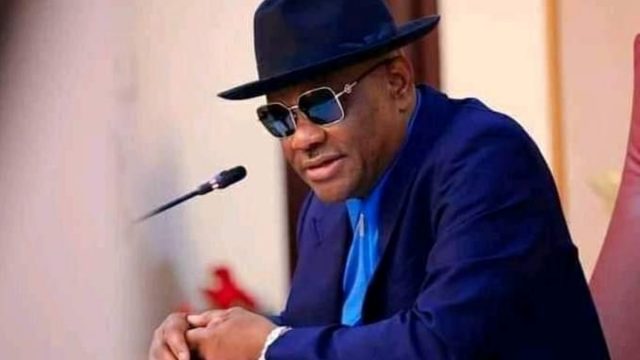
Minister of the Federal Capital Territory, Nyesom Wike, has urged opposition politicians to acknowledge President Bola Tinubu’s performance, insisting that political differences should not prevent them from recognising what he described as the President’s achievements.
Wike made the remarks during his media chat on Tuesday while speaking about the political atmosphere ahead of the 2027 general elections and criticism of the Tinubu administration.
ALSO READ: 2027 Election: Wike Sets Resignation Date If Tinubu Loses Rivers, FCT
He said some politicians publicly support the President at the national level but take a different position at the sub-national level because of their desire to maintain control of their states.
“I know that sometimes, some people will come out publicly, will support you at the national level, but at the sub-national level, forget it,” Wike said.
He added that such politicians believe the President should win at the national level while they retain control of their respective states.
“But this time around I came out open because of the period we are in,” he said.
According to Wike, several politicians have been making statements about the 2027 general elections, with some claiming that Tinubu has done nothing since assuming office.
He argued that opposition parties should not dismiss the President’s performance simply because they want to take over power.
“You have to check the governor of Bauchi, who is a member of PDP, who has a presidential candidate, came out to say, ‘Look at television, that Mr. President has done well,’” he said.
Wike also urged Nigerians to consider the state of the economy before and after Tinubu assumed office.
“See what I was telling you about Bauchi. See what he has done. See what our economy is before, see what it is now,” he said.
The FCT minister maintained that political opposition should not prevent politicians from acknowledging what they consider positive developments in the country.
“You know, time has come, not because you’re an opposition party, and then you just say the man who is the chief of affairs of the country has done nothing either for the sake of, I mean, opposition, that is not fair,” he said.
He further argued that politics should not be treated as a do-or-die affair, adding that the desire to win elections should not prevent political actors from recognising the performance of their opponents.
“For us, and whether anybody likes us or not, Mr. President has done well,” Wike said.
He accused the opposition of focusing on its ambition to take over power while failing to acknowledge the administration’s performance.
“That’s something, it’s just that the opposition wants to take over power,” he said.
Wike added that opposition parties would continue to criticise the administration even if it achieved results, because they wanted to replace it.
“But the way the opposition is going now, it’s a bit of concern to us, who are saying, ‘No, no, no, no, these people are not telling Nigerians the truth,’” he said.
He called on politicians in other parties who believe the opposition is misrepresenting the situation to speak out and offer their own account of events.
“Let those of us who are also in other political parties tell Nigerians, ‘No, this is not truth, this is what is happening, and that what is, you know, going on,’” he said.
Addressing the issue of political loyalties and godfatherism, Wike said people should be willing to acknowledge good work regardless of their party affiliations.
“So, the issue of godson, the issue of whatever you may call it, I don’t, I’m not a, I’m not a party to, to read, but when you see something that will help your country, when you see somebody who is doing good, come out and say it,” he said.
He added: “It doesn’t matter whether you’re in opposition or not.”






2027: ‘Algorithms Will Not Decide Election Results’, INEC Chairman Declares

Navy Recovers 98,000 Litres of Suspected Stolen Crude in Rivers

DPRP’s Appeal Against Fuel Import Licence Ruling Earns Stakeholder Backing

State Govs, Wike Endorse One-Party State, Join APC Campaign Council

2027: ‘Tinubu Has Done Well’ – Wike Tells Opposition to Speak the Truth

‘Celebrate This Poor Man’ – Shettima Defends Tinubu Over Economic Crisis

Trump’s Family Unveils New Cryptocurrency Platform

Senate Denies Receiving Petitions Against Tinubu’s Ambassadorial Nominees

Dangote Cement Lights Up Benue Host Communities With CSR Initiatives

Reps Recommend 3-year Jail Term For Aviation minister

Tems Sets New Record On Billboard Hot 100 Chart

768119 575194Hey man, .This was an superb page for such a hard subject to talk about. I look forward to reading several more fantastic posts like these. Thanks 246919
23627 548791There some fascinating points in time in this post but I dont know if I see these center to heart. There might be some validity but Ill take hold opinion until I explore it further. Superb article , thanks and then we want a whole lot more! Put into FeedBurner too 800484
253371 703455If you are nonetheless on the fence: grab your favorite earphones, head down to a Finest Buy and ask to plug them into a Zune then an iPod and see which 1 sounds better to you, and which interface makes you smile much more. Then youll know which is correct for you. 903126
317241 150681not everyone would need to have a nose job but my girlfriend actually needs some rhinoplasty coz her nose is kind of crooked- 111235
349325 503942I undoubtedly didnt comprehend that. Learnt some thing new nowadays! Thanks for that. 450978