
NEWS
Three Narrowly Avoid Fatalities In Lagos-Ibadan Expressway Crash

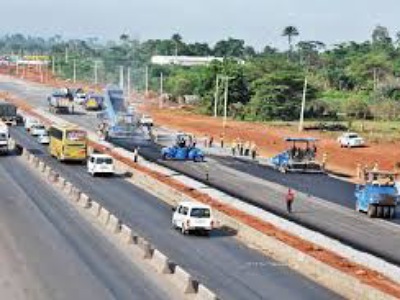
In a recent incident on the Lagos-Ibadan Expressway, three individuals managed to evade death in a two-vehicle accident. The crash, which took place around 6:30 pm on Monday, occurred near the Magboro area and caused significant chaos on the busy roadway.
Initial investigations obtained by Biztellers revealed that a high-speed Opel car with the license plate KJA758HL experienced a sudden tyre burst, causing the driver to lose control of the vehicle. According to eyewitness reports, the car flipped over twice before coming to a standstill.
Raji, an eyewitness at the scene, shared details of the incident. He recounted that as the Opel car swerved out of control, it impacted a Toyota Camry bearing the license plate AAA716DZ, forcing it off the road and into a nearby ditch.
Local authorities responded to the accident, managing traffic flow and ensuring the safety of all parties involved. Further details regarding the aftermath of the crash, including potential injuries and damages, are yet to be disclosed.
He said, “The Opel car was driving inward Lagos and was loaded with bags of cassava when its tyre burst due to speeding. It lost control and tumbled twice. The two occupants, including the driver, came out unhurt while the cassava spilt on the road. A Toyota Camry that was coming behind while trying not to ram into the car swerved and also lost control before plunging into a ditch.”
Another eyewitness who craved not to be mentioned said the incident would have been fatal if the driver of the Toyota Camry had not swerved into the ditch.
“The incident would have been fatal if the driver of the Toyota had not swerved. Just like the occupants of the Opel, the driver also came out unhurt but some parts of the vehicle were badly damaged.”
Our correspondent who visited the spot saw the content of the cassava littered on the road while some passersby were also seen controlling the traffic.
Both drivers were also seen examining the extent of damage done to their vehicles as a result of the accident.
In the aftermath of the crash on the Lagos-Ibadan Expressway, a minor altercation between the two drivers involved ensued. The driver of the Toyota Camry, whose vehicle was forced into a ditch, claimed that the Opel car’s driver was at fault for the incident and demanded compensation for the damages incurred.
As tempers flared, the presence of officials from the Federal Road Safety Corps (FRSC) Ogun State Sector proved crucial in de-escalating the situation. Responding promptly to the scene, FRSC personnel took control of the traffic flow and managed the aftermath of the accident, ensuring the safety of all individuals involved.
Additional details regarding potential resolutions between the two drivers, as well as the condition of the vehicles involved, remain unclear at this time.
However, the swift response by FRSC officials highlights their commitment to managing road incidents and maintaining safety on the Lagos-Ibadan Expressway.

The Nigerian Content Development and Monitoring Board (NCDMB), has flagged off a five-day capacity building programme for 200 primary and secondary school teachers drawn from all local government areas of the state.
Themed “Empowering Teachers for Effective Curriculum Delivery through Digital Innovation, Modern Pedagogy and Professional Excellence,” the training is centred on four pillars, namely, “Digital Literacy, ICT Skills and Digital Teaching Tools” (Pillar 1); Interactive Lesson Preparation, Presentation, and Learner Engagement” (Pillar 2); “NERDC [National Educational Research and Development Council] Curriculum Alignment and Competency-based Lesson” (Pillar 3), and “Positive Classroom Management, Discipline and Learner Support” (Pillar 4).
In his opening remarks at the event, the Executive Secretary of the NCDMB, Engr. Felix Omatsola Ogbe, represented by Assistant Manager, Institutional Relations and Entrepreneurship Development (IRED), in the Capacity Building Directorate (CBD) of the Board, Ms. Khadijah Jekhine, said the programme reflects NCDMB’s firm belief that sustainable Nigerian Content development begins with quality education and skilled human capital.
He described teachers as “the primary multipliers of knowledge,” adding, “When we invest in you – equipping you with digital tools, modern teaching methods, and professional excellence – we invest in thousands of young Nigerians who will become the engineers, technicians, innovators, and professionals our oil and gas industry and national economy urgently needed.”
The NCDMB boss explained that the goal of the Board is to strengthen the capacity of the teachers for effective curriculum delivery so that classroom learning becomes more practical, engaging, and aligned with the demands of the future of work. He enjoined the teachers to ensure that what they gained from the training cascades to their students, pupils and colleagues, thus raising the quality of education and building the foundation for greater indigenous participation in the oil and gas industry.
He expressed appreciation to the Imo State Government, the State Ministry of Primary and Secondary Education and all collaborating partners for the strong partnership that has made the programme possible.
The programme facilitator, Dr. Anayo Nzeribe, General Manager, R&M Networks Limited, said the intervention of the NCDMB in the educational system in the State was of inestimable value as it complements the Government’s efforts to improve access to quality education and provides essential facilities for learning and teaching.
He announced that the Board has made available digital tools and other teaching aids for distribution, that each of the 200 participants would receive a laptop and accessories, among other things. In addition, each of them would receive what he termed “a handsome stipend” at the end of the training programme on Saturday (17th October).
Dr. Nzeribe, on behalf of his company and the joyous teachers, expressed profound gratitude to the NCDMB for the initiative and assured that the tools donated would be put into adequate use to enhance teaching in the State.
READ ALSO: Showunmi Urges South-East to Judge Tinubu by Projects, Not Propaganda
The State Commissioner for Primary and Secondary Education, Professor Bernard-Thompson Ikegwuoha, represented by an official of the Ministry, Dr. (Mrs.) Benedicta Chinonye Okorie, was similarly appreciative of the contributions of the NCDMB to educational advancement in the State.
The Owerri capacity building initiative is following close on the heels of a Train-the-Trainer programme organised by the Board in Yenagoa, Bayelsa State, last month, for 88 teachers of vocational and technical schools. That programme centred on industry-relevant technical skills, digital technologies, and competency-based teaching methodologies.
On the NCDMB team at the Owerri event were the Zonal Coordinator for Imo and Abia States, Dr. Emma Ohaere, and other staff of the Owerri Liaison Office, as well as Ms. Salamatu Ibrahim, Assistant Manager, Corporate Communications Division (CCD), among others.

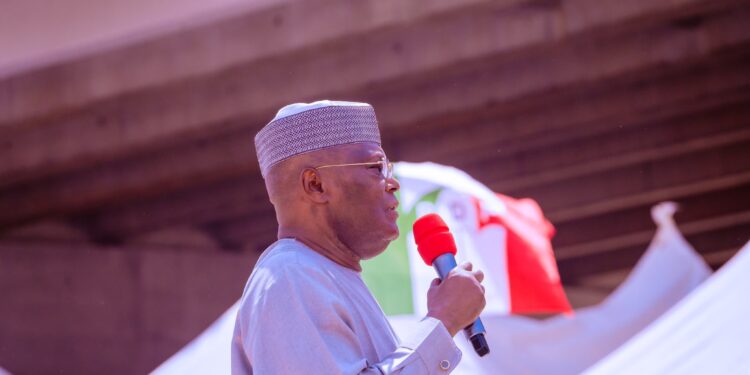
Former Vice President and African Democratic Congress (ADC) presidential candidate, Atiku Abubakar, has said Nigerians still deserve answers six years after the October 20, 2020, EndSARS shooting at the Lekki Toll Gate in Lagos.
Atiku made this known in a statement on Tuesday marking the sixth anniversary of the incident, in which he called for accountability over the shooting and criticised the Federal Government’s handling of the unresolved questions surrounding the tragedy.
He questioned who gave the order for the operation against protesters, insisting that the country could not continue to commemorate the victims without addressing the circumstances surrounding the incident.
RELATED NEWS: EndSARS Memorial: ‘We Must Never Normalise Injustice’ – Peter Obi
Atiku also recalled President Bola Tinubu’s remarks in October 2020, when he questioned the circumstances surrounding the casualties recorded during the shooting.
Tinubu had asked: “How were they there? How long were they there? What kind of characters are they?”
According to Atiku, the remarks appeared to focus on questioning the victims rather than demanding answers from those responsible for the violence against peaceful protesters.
He said the anger surrounding the anniversary reflected the unresolved grief of affected families and the distrust of young Nigerians who had demanded accountability and a better future.
“The APC has governed Nigeria through these six years. It cannot keep asking Nigerians to remember the dead while refusing to confront the unanswered questions,” Atiku said.
The ADC presidential candidate also linked the unresolved questions surrounding the Lekki shooting to the economic hardship confronting Nigerians, particularly young people struggling with rising living costs.
Citing petrol prices of ₦1,405 per litre, Atiku said transportation costs were making it increasingly difficult for Nigerians to afford basic necessities, including food, rent, education and commuting to work.
He illustrated the situation with the account of a young woman who reportedly resigned from her job because her salary could no longer cover her transportation expenses.
According to Atiku, one of his aides shared the woman’s experience earlier on Tuesday.
The woman reportedly said: “The pay no longer covers transport. Everything in Nigeria just dey increase in price. Feels like I’m working for Bolt guys.”
Atiku described the experience as an example of the difficulties faced by employed Nigerians whose earnings could no longer adequately cover the cost of getting to work.
He argued that the economic situation was affecting not only unemployed Nigerians but also workers struggling to survive on salaries weakened by rising costs.
The former vice president also highlighted his Economic Recovery Plan, which he said was designed to make Nigeria more affordable.
The proposed measures include providing support tied to fuel refined in Nigeria, passing savings on to consumers, increasing local production to create jobs, protecting minimum-wage earners, supporting students and cutting government waste rather than imposing additional taxes.
Atiku maintained that young Nigerians deserved answers about the Lekki shooting, a government that protects human life and an economy in which employment could provide a path to a better standard of living.
He added that Nigerians were entitled to question the APC’s record on accountability and economic opportunities six years after the incident.
The EndSARS protests began in October 2020, with young Nigerians demanding an end to police brutality and reforms to policing in the country. The shooting at the Lekki Toll Gate on October 20 became one of the most prominent events associated with the protests.
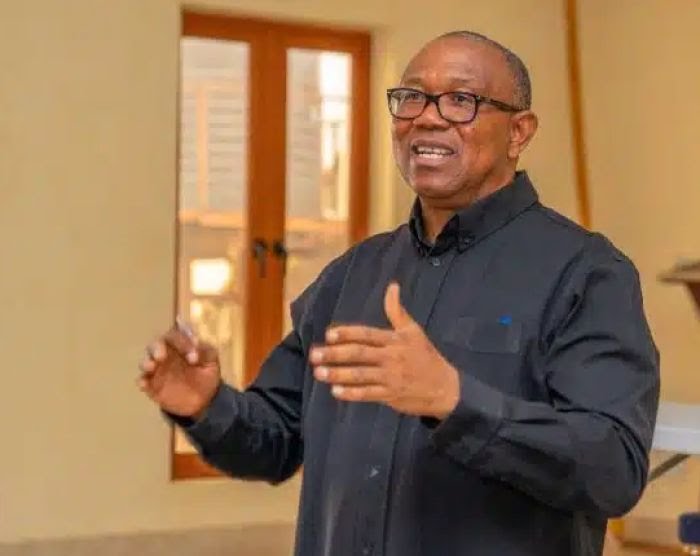
National Democratic Congress (NDC) presidential candidate, Peter Obi, has called on Nigerians never to normalise injustice as the country marks the sixth anniversary of the Lekki Toll Gate shootings during the #EndSARS protests.
Obi made the call in a statement posted on his X account on Tuesday, October 20, 2026, in which he reflected on the events of October 20, 2020, and renewed his call for a Nigeria where citizens’ rights are protected.
He expressed appreciation for Nigerian youths who participated in the protests, describing the anniversary as a painful reminder of the sacrifices made in the demand for a better country.
SEE ALSO: BREAKING: Activists Arrested For Commemorating #Endsars Released
According to him, peaceful #EndSARS protesters were met with gunfire at the Lekki Toll Gate on that fateful night, leaving people dead and others injured.
He noted that the incident raised questions about justice, accountability and respect for human life.
“We must never forget. We must never normalise injustice,” Obi said.
He also reaffirmed his belief that a New Nigeria is possible, describing it as a country where citizens are protected rather than brutalised, young people are heard rather than silenced, and government power is exercised responsibly and with respect for human rights.
The former Anambra State governor stressed that Nigeria must become a nation where no citizen is punished for demanding good governance and a better future.
As the country marks six years since the incident, Obi prayed for the repose of the souls of those who lost their lives and called for their sacrifices to strengthen efforts towards building a better nation.
“May the souls of the departed continue to rest in peace. May their sacrifice strengthen our resolve to build a Nigeria where this tragedy will never be repeated,” he stated.
He concluded by reiterating his belief in the possibility of a New Nigeria, insisting that the country must become one where every life matters.






NNPC Ltd Exploration Spending Down 87%
200 Imo Teachers Benefit from NCDMB’s Effective Curriculum Training
FG to Launch National Lead Poisoning Prevention Plan Wednesday

EndSARS Memorial: ‘Nigerians Still Deserve Answers’ – Atiku

EndSARS Memorial: ‘We Must Never Normalise Injustice’ – Peter Obi
Petrol Price Hike Looms as Oil Hits $110/barrel

Trump’s Family Unveils New Cryptocurrency Platform

Senate Denies Receiving Petitions Against Tinubu’s Ambassadorial Nominees

Dangote Cement Lights Up Benue Host Communities With CSR Initiatives

Reps Recommend 3-year Jail Term For Aviation minister

Tems Sets New Record On Billboard Hot 100 Chart
