Business
World shares get boost from Japan, yen lags


LONDON – World stocks just held on to gains on Tuesday as weakness in Europe took the shine off a sharp rise in Tokyo after the Bank of Japan pumped more stimulus into the economy, hitting the yen.
The largesse, in the form of an expanded loan program to Japan’s commercial banks, was partly offset by action to rein in lending in China and hawkish comments on rate rises in Australia.
The 3.1 percent gain for Japan’s Nikkei .N225 contrasted with the rest of Asia .MIAPJ0000PUS and a 0.4 percent dip in Europe as the FTSEurofirst 300 .FTEU3 consolidated after rising in eight of the last nine sessions.
U.S. stock futures pointed to a mixed open after traders return from a three-day weekend.
A weak reading of German investor sentiment – on concerns about a slowing in U.S. economic momentum and uncertainty around the emerging markets outlook – gave no reason to recover lost ground, even though think tank ZEW cautioned against a too-pessimistic reaction to the data.
“Although uncertainties on the current recovery path remain elevated, we certainly see fewer risks than six months ago or so,” added Annalisa Piazza, market economist at Newedge Strategy in London.
The concern about some emerging market capital markets has not, however, stopped the MSCI World index .MIWO00000PUS from grinding back to within touching distance of the high hit prior to January’s emerging market-led selloff.
The index is now just 0.5 percent off that peak, helped by a 0.2 percent gain on Tuesday that was buoyed in turn by London-listed mining heavyweight BHP Billiton (BLT.L)(BHP.AX), which rose after forecast-beating results.
“I think on a valuation basis stocks still aren’t expensive,” said Matt Basi, head of sales trading at CMC Markets. “There’s still money parked on the sidelines waiting to do a bit of bargain hunting.”
Those looking for value in the region continue to find support from recent stronger than expected French and German growth data and expectations that the European Central Bank will act if economic conditions deteriorate markedly.
Weighing that up against the weaker ZEW, German Bund futures rose 23 ticks on the day.
Greek bond yields, meanwhile, hovered around their lowest since the country’s debt restructuring as international lenders said they would return to Athens this week to assess the delivery of economic reforms.
YEN LOSES GROUND
The big loser from the BoJ action and subsequent bank-led Nikkei rally was the yen, which lost ground against all of its major currency peers, with the dollar gaining 0.5 percent to trade just off its February high.
The Japanese action had helped “reverse the recent dollar/yen bear trend” said Tom Levinson, currency strategist at ING, adding he thought 102.85/95 yen resistance would hold for now.
The move also helped the dollar edge higher against a basket of currencies .DXY, while the euro also rose against the yen to post a new February high.
A run of weak U.S. data – most recently manufacturing output and the last two major payrolls numbers – had put the dollar under pressure and led to fresh speculation about the likely pace at which U.S. monetary stimulus will be withdrawn.
After initially weathering a bout of profit-taking, gold slid away from its near 3-1/2-month peak to hit a session low of $1,315.04 per ounce.
More insight on the U.S. Federal Reserve’s current thinking is likely on Wednesday, when it publishes the minutes of its last meeting.
– REUTERS

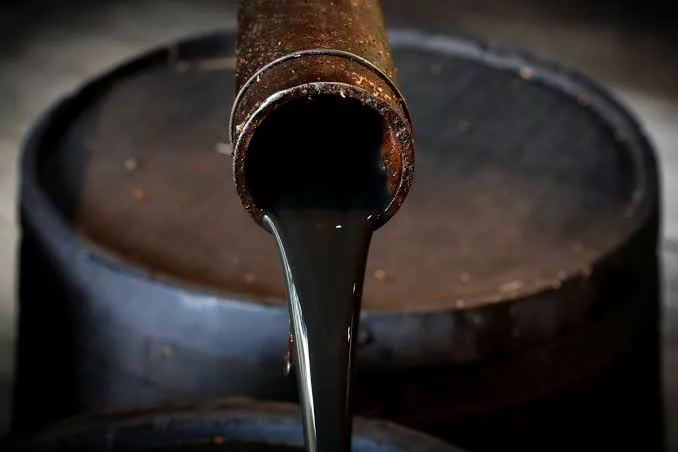
Nigeria produced a daily average of 1.687 barrels of crude oil and condensate in October 2026, and met its OPEC quota for the sixth consecutive month.
Data from the Nigerian Upstream Petroleum Regulatory Commission (NUPRC) showed that in strict crude oil terms (excluding condensate), the country produced an average of 1.51mbpd in October.
This is 101 percent of the 1.5mbpd quota set by OPEC.
READ ALSO: NLNG, NCDMB Endow Research Chairs in Six Nigerian Varsities with $9m
The data, released on Wednesday, also shows that single-day production hit a peak of 1.79 million barrels, while the lowest for the month under review stood at 1.60 million bpd.
The crude oil data (excluding condensate) shows that Nigeria has met its assigned OPEC quota for six straight months, producing 1.53mobpd in May; 1.55mobpd in June; 1.51mobpd in July; 1.5mobpd in August, 1.53mobpd in September and 1.51mobpd in October.
On a month of month basis, however, production dipped by 1.7 percent.
The NUPRC attributed the stable performance in recent months to an enhanced operational stability, supported improved production uptime and crude evacuation efficiency.
The sustained growth recorded in October reflects the continued commitment of operators and industry stakeholders towards improving operational efficiency, maintaining asset integrity, and enhancing production reliability across the Nigerian upstream petroleum sector.
A breakdown of the daily average crude oil and condensate production by terminals/streams during the review month shows that Forcados Terminal accounted for 318.49kbpd while Bonny comes second with 311.02kbpd.
Qua Iboe Terminal recorded an average production of 173.97kbpd of crude oil and condensates while Escravos Oil Terminal posted a daily average of 134.67kbpd.
Bonga ranked as the fifth highest producing terminal, recording an average of 106.65kbpd of crude oil and condensate.
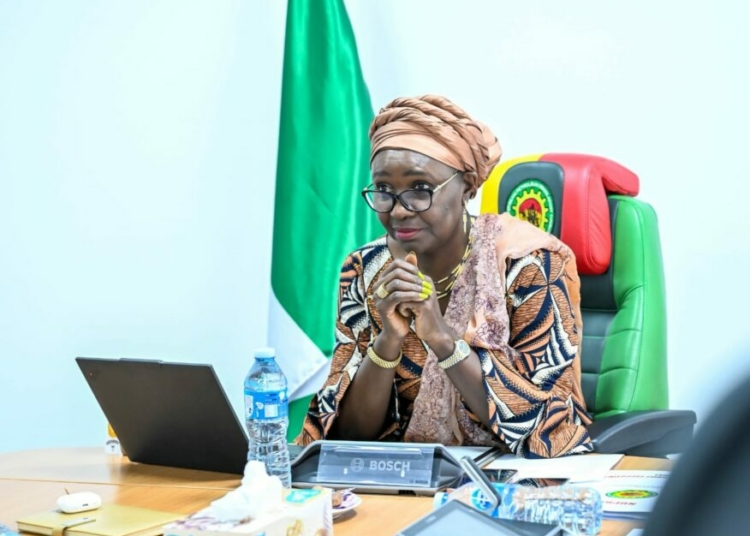
A total of 595 well re-entries and 145 new well-drilling operations, alongside 39 Field Development Plans (FDPs) have been approved in the first 10 months of 2026, as Nigeria intensifies efforts to ramp up crude oil production and attract fresh investments.
In addition, the Nigerian Upstream Petroleum Regulatory Commission (NUPRC) has sanctioned 740 drilling-related operations in the same period, as Nigeria’s total rig count rose to 100, with 46 currently active in drilling operations.
These details were made public during the management session of the 44th Annual International Conference and Exhibition of the Nigerian Association of Petroleum Explorationists (NAPE) in Lagos on Tuesday, by the Chief Executive (CE), NUPRC, Oritsemeyiwa Eyesan.
The conference is held under the theme, “Energy Security in an Era of Global Disruption: Positioning Nigeria for Resilience, Competitiveness, and Prosperity.”
The approvals, which underscore increased regulatory activity in the upstream petroleum sector. Eyesan, who was represented by the Deputy Director, Basinal Administration, NUPRC, Ahmad Abdullahi, said the increased approvals reflected improvements in the Commission’s regulatory processes, particularly the time required to grant operational clearances.
READ ALSO: Adeleke Clarifies Osun Debt Profile
According to her, faster approval processes have reduced delays and the additional costs incurred by operators while waiting for regulatory authorisation to execute projects.
“Year to date, about 39 FDPs have been approved. About 145 new well-drilling approvals granted. Year to date, about 595 well re-entry approvals were granted.
That goes to tell that as a commission, we have improved our approval time level, which again reduces costs that are being wasted or for projects to continue to wait for approval,” she said.
She explained that the Commission’s priority was to ensure that regulatory approvals translated into increased production and adequate energy supply.
“From the regulator’s perspective, to ensure that our energy security is not threatened, we must ensure that we approve Field Development Plans and new well-drilling applications to meet our production targets and guarantee energy availability,” Eyesan stated.
On drilling activities, the NUPRC boss said Nigeria’s rig count had increased by more than 300 per cent compared with the level recorded in 2021, reflecting renewed activities in the upstream industry.
“We have more than 100 rigs in country. About 46 rigs are actively involved in drilling year to date. If you compare this with maybe what we had in 2021, you will see that you have more than about 300 per cent increase,” she said.
Eyesan attributed the growth in investment activities to improved regulatory certainty, noting that investors were more willing to commit capital when they had confidence in the policy and operating environment.
She also identified the Petroleum Industry Act (PIA) as a major factor in rebuilding investor confidence, particularly in the acquisition of seismic data required for oil and gas exploration.
The NUPRC chief disclosed that multi-client seismic companies had invested more than $100 million in seismic data acquisition in Nigeria within three years of the enactment of the PIA.
“Based on our record, in the last three years, from the enactment of PIA, multi-client companies have invested more than $100 million in acquiring seismic data in Nigeria,” she said.
The investments are expected to deepen geological understanding of the country’s sedimentary basins, improve exploration decisions and support the discovery of additional hydrocarbon reserves.
On efforts to tackle crude oil theft and improve security across the industry, Eyesan said the Commission had introduced initiatives, including the Advanced Cargo Declaration programme and coordinated surveillance operations involving the Nigerian National Petroleum Company Limited (NNPC), private security operators such as Tantita Security Services and the Nigerian Navy.
She said the Commission’s responsibility went beyond punishing errant operators and perpetrators of oil theft.
According to her, the broader objective was to establish an operating environment in which legitimate crude oil production would be more profitable than crude oil theft.
President/Chief Executive, Dangote Industries Limited, Aliko Dangote, has declared that over 90,000 people are expected to be working at the group’s petroleum refinery & petrochemicals and fertiliser operations in Lagos next year.
This is as the group accelerates investments to create jobs, strengthen industrial production and transform agriculture across Africa.
Dangote, who disclosed this in an interview, also unveiled plans to establish 20 fertiliser blending plants in strategic locations across the continent to improve farmers’ access to essential inputs and support year-round supply. The projects form part of an investment programme that could reach $65 billion over four years, spanning refining, fertiliser, petrochemicals, power, pipelines and other businesses.
“The refinery expansion is huge. By next year, we expect to have almost 90,000 people working on the refinery and fertiliser projects in Lagos,” he said.
READ ALSO: Shell Commends Oil Industry Reforms as Key to Unlocking More Barrels
Dangote said creating opportunities for Africa’s youthful population was a central motivation for the group’s expansion, stressing that the continent needed more factories and greater domestic production to meet its growing needs. “My biggest concern is job creation in Africa. We have a very youthful population, and we are not creating enough jobs. We must push harder to create opportunities and keep our young people productively engaged,” he said.
The refinery expansion will add another 700,000 barrels per day of processing capacity, taking the planned total to about 1.4 million barrels per day, alongside additional petrochemical facilities and infrastructure. Beyond energy, Dangote outlined a fertiliser expansion programme designed to help turn Africa’s agricultural potential into greater production, more reliable food supplies and economic opportunities.
“We also plan to establish 20 blending plants in strategic locations across Africa. We intend to begin mining potash and phosphate in Congo-Brazzaville very soon,” he said.
He disclosed that the group was working towards nine million tonnes of urea capacity, with plans for 1.2 million tonnes of diammonium phosphate, DAP, and one million tonnes of NPK blending capacity in Lagos. Dangote said the objective was to ensure that farmers in countries hosting the group’s operations, as well as neighbouring markets, could obtain fertiliser when needed, without the uncertainty associated with lengthy import and delivery processes.
“What we want is for the countries where we operate, and their neighbours, to have fertiliser available 365 days a year. Farmers should be able to buy it when they need it, without worrying about supply,” he said.
Citing Ethiopia, he explained that fertiliser imports had to pass through Djibouti before being transported inland, creating logistical challenges that could leave supplies arriving after the planting season. “With local production, the fertiliser will be available there. We will also have one million tonnes of NPK capacity attached to the project,” he said.
Dangote linked the programme to his determination that Africa should build the capacity to meet its own agricultural input requirements, rather than remain vulnerable to disruptions in international markets. “At the beginning of the Russia–Ukraine crisis, the African Union went to Russia to plead for fertiliser. I said then that, within four years, Africa should never again have to go anywhere to beg for fertiliser,” he said.
He expressed confidence that sufficient access to gas would enable a much larger expansion in fertiliser production. “If Africa needs 30 million tonnes and we can secure enough gas, we can produce and supply it,” he said. “Africa has an enormous agricultural advantage. We must lead the effort to turn that opportunity into a major agricultural transformation.”
The group’s wider investment programme includes an initial ambition to develop 10,000 megawatts of power with some African countries and increase cement capacity to 100 million tonnes. Dangote said reliable electricity was essential to industrial growth, enabling African countries to process their raw materials, retain more value within their economies and create opportunities for their people. He disclosed that approximately $50 billion of the planned investment would go into existing businesses, while another $15 billion would be directed towards new ventures, including projects yet to be announced. The programme would be financed through a combination of free cash flow, internally generated equity and debt, he said.
Dangote urged African investors to take the lead in developing the continent, arguing that substantial domestic investment would encourage international capital to follow.
“I am tired of hearing about ‘potential’. We have been talking about Africa’s potential for decades. But Africans themselves must invest in their continent,” he said. “What gives other investors comfort and confidence is seeing us put our own money on the table. That is what we are trying to do. We are demonstrating that we are serious.”
He argued that sustained investment by African businesses was essential to unlocking the continent’s industrial and agricultural opportunities, while giving international investors the confidence to participate.
“Governments are always calling for foreign investors. But what attracts a foreign investor is a domestic investor,” he said. “We must demonstrate that we are doing something substantial in Africa so that others can join us.”
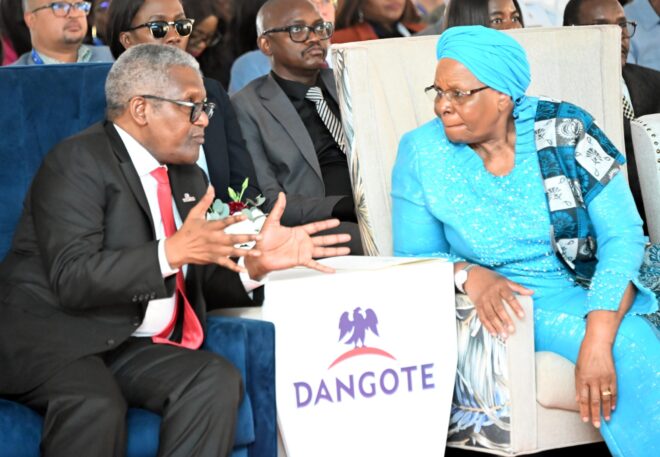
Photo Caption: Group President/Chief Executive, Dangote Industries Limited, Aliko Dangote (left), in conversation with the President of the Republic of Namibia, H.E. Dr Netumbo Nandi-Ndaitwah, during the official launch of the Dangote Namibia Tank Farm and Regional Pipeline Investment in Walvis Bay, Namibia, recently.



How Ogun Driver Allegedly Stole Boss’s ₦45m Lexus and Plotted to Sell It for ₦10m in Cotonou

Tinubu’s SA Preaches Harnessing Oil Production for Industrial Growth
RMAFC Reopens Oil Wells Dispute, Begins Verification in Nine States

NNPC JV Deploys Football for Peace Amongst Rivers Host Comms
MDGIF Woos Foreign Investors for Nigeria’s $200bn Gas Infrastructure
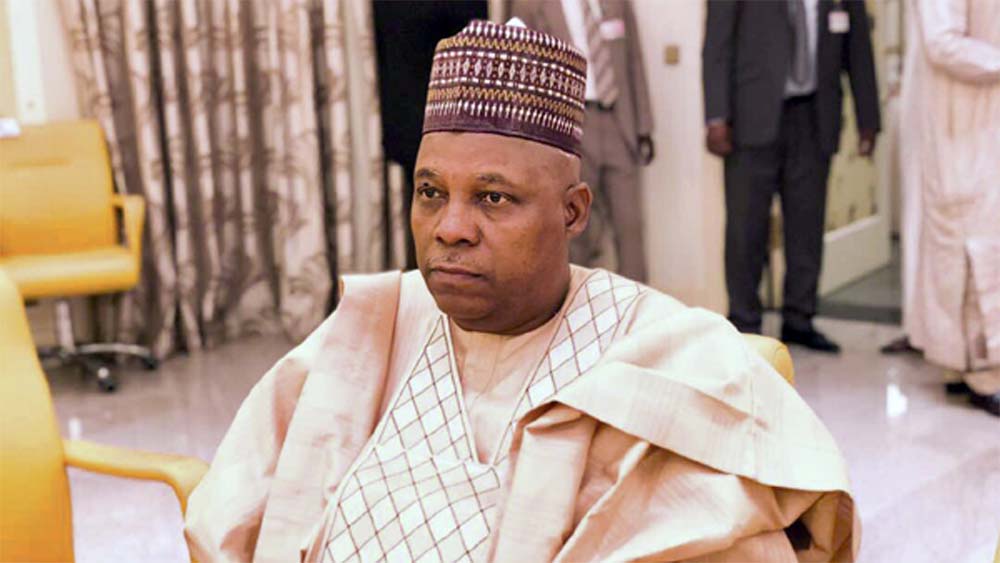
Shettima Visits Oba of Benin Ahead of APC Presidential Campaign Rally in Edo

Trump’s Family Unveils New Cryptocurrency Platform
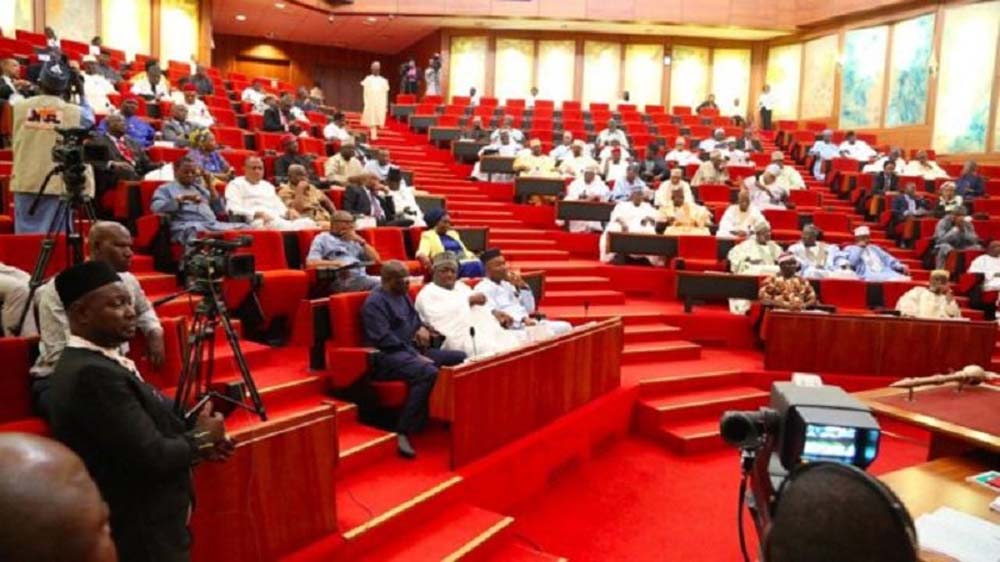
Senate Denies Receiving Petitions Against Tinubu’s Ambassadorial Nominees

Dangote Cement Lights Up Benue Host Communities With CSR Initiatives

Reps Recommend 3-year Jail Term For Aviation minister

Tems Sets New Record On Billboard Hot 100 Chart