
Oil
$10.8billion Not Missing, NNPC insists

By Joseph BAMIDELE
ABUJA – The issues surrounding the allegation of unremitted $49.8bn against the Nigerian National Petroleum Corporation (NNPC) have since been explained but it appears the initial dust raised in the process is yet to settle.
We are therefore constrained to respond and clarify the issues once again to help those who do not yet understand the clarification made earlier by the Coordinating Minister of the Economy and Minister of Finance, Dr. Ngozi Okonjo-Iweala; Minister of Petroleum Resources, Mrs. Diezani Alison-Madueke; Governor of the Central Bank of Nigeria (CBN), Mallam Sanusi Lamido Sanusi; and Group Managing Director of the Nigerian National Petroleum Corporation (NNPC), Engr. Andrew Yakubu at a joint press conference which was widely reported in the media.
For the avoidance of doubt, there was no where it was stated or admitted by any of the parties in the course of the press conference or anywhere else that the sum of $12bn or $10.8bn out of the alleged unremitted $49.8bn is“ missing’’.The truth of the matter is that as at the time of the press conference, $39bn of the alleged unremitted oil revenue had been reconciled by all the parties involved. Dr. Okonjo-Iweala did explain that the reconciliation was an ongoing process and that the balance of $10.8bn is still being reconciled.
 At no time did anybody, neither the Coordinating Minister of the Economy nor the CBN Governor, say that the outstanding $10.8bn was “missing’’. It is simply curious how some section of the media are not prepared to see the difference between the two positions – reconciliation in progress versus money missing. These two positions are simply not the same thing no matter the angle from which anyone chooses to see them.
Having made that point, it is also pertinent to further clarify that NNPC as a national oil company is saddled with certain onerous responsibilities that other oil companies are freed from. For instance, as the supplier of last resort, NNPC has the responsibility of ensuring that there is adequate supply of petroleum products whether the market is favourable or not. The yet to be reconciled $10.8bn can be located in the expenses on some of the responsibilities which the Corporation carries out on behalf of the Federal Government with respect to the domestic crude oil utilization.
One of such issues is the unpaid subsidies on kerosene and premium motor spirit (PMS). It would be recalled that Dr. Okonjo-Iweala was earlier in 2013 reported to have stated that she has not paid any subsidy on kerosene since she assumed office. The truth of the matter is that since 2007 when the late former President Umaru Yar’Adua reviewed the prices of petroleum products following the general strike in protest against the price hike by his predecessor, the issue of subsidy payment on kerosene was left hanging and NNPC was mandated to continue to sell the product at a subsidized rate of N50 per litre.
Since then, not a dime has been paid to the Corporation as subsidy on the product. It is also on record that since January 2012 NNPC has been importing the bulk of the PMS used in the country. NNPC has successfully kept the nation wet with products, especially PMS, these past two years as can be verified from the absence of queues at petrol stations during the end of year festivities. So the Corporation is left to bear these responsibilities on behalf of the Federal Government and these costs are part of the yet-to-reconciled balance.
Another area of huge expenditure on behalf of the Federal Government is the maintenance of national strategic reserves for petroleum products. At every point in time round the year, NNPC maintains huge petroleum products reserves in the national territorial waters as a result of pipeline vandalism which has made access to most of the inland storage facilities impossible. Though all hope is not lost in this regard as the Corporation has since launched an aggressive depot rehabilitation and pipeline recovery exercise with amazing results so far.
However, for the purpose of strategic reserve, at the rate of 40 million litres of PMS national consumption per day, NNPC maintains about 32 days’ sufficiency of petrol. The cost incurred in this mandate is also part of the $10.8bn yet-to-be-reconciled outstanding figure.
A third component is the cost of pipeline vandalism and oil theft. These are security issues. While we acknowledge that successive governments and their agencies like the military, police, NSCDC etc have been trying hard to create an enabling environment for the protection of our key infrastructure, including pipelines jetties, depots etc, the sheer volume of vandalism and theft is just enormous.
Our over 5000 kilometers of pipelines have been prone to incessant attacks. The cost of repairs each time the pipelines are hacked is also an issue. All these make up the yet-to-be-reconciled balance of $10.8bn.
All the parties involved in the reconciliation process are aware of these facts and the figures are being thoroughly scrutinized. At the end of the day, they will make their findings public as they did last time. It is therefore incorrect for anyone or medium to continue to misinform the public that the sum of $10.8bn or $12bn of oil revenue is “missing’’.
It is important for public commentators and the media to stick to the facts and avoid undue sensationalism in the process of analyzing and interpreting the news. Our commentators owe our dear country a duty to avoid misinforming and misleading our people so that together we can move Nigeria forward.
Once again, we restate the fact that “No money is missing.’
Modupe ASUDO
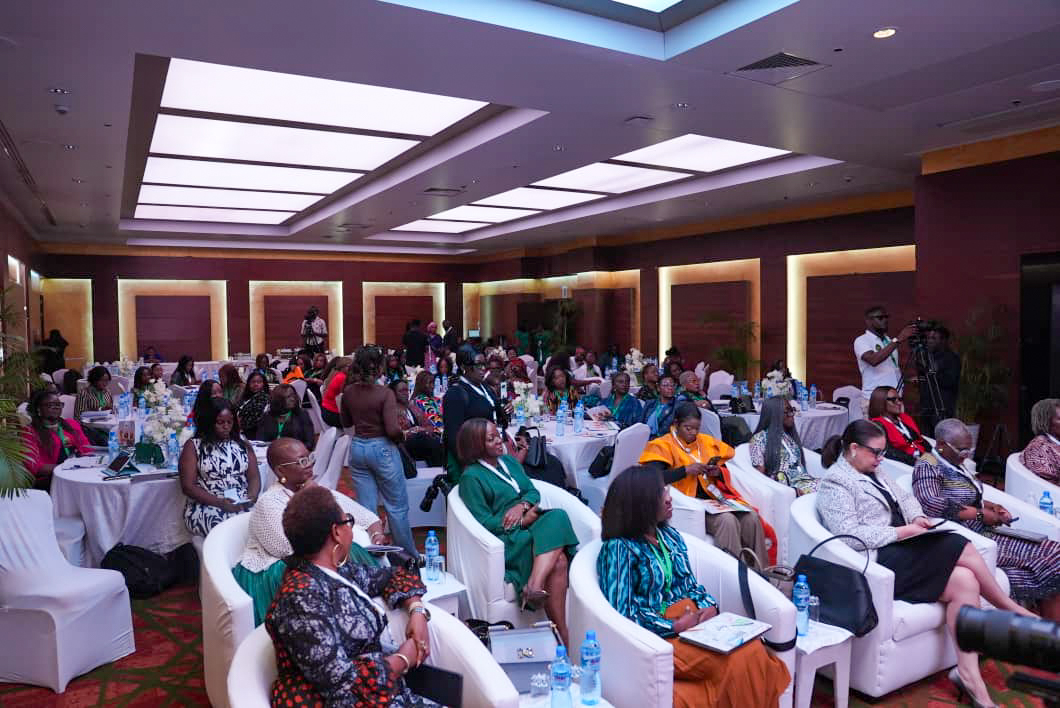
The Nigerian Content Development and Monitoring Board has reiterated its commitment to advancing gender inclusion and sustainable capacity development in Nigeria’s oil and gas industry, spotlighting a $20m Women in Oil and Gas Intervention Fund.
The Board made this known at the 3rd edition of the Diversity Sector Working Group’s Women in Oil and Gas Conference and Mentorship Programme, held on March 3, 2026, at Eko Hotels and Suites, Lagos.
The conference, organised in collaboration with the Nigerian Content Consultative Forum, was themed ‘Breaking Barriers, Shaping the Future’, with a strong focus on building bridges and empowering women for a sustainable energy future.
Delivering his goodwill message, the Executive Secretary of NCDMB, Engr Felix Omatsola Ogbe, described women’s empowerment as a strategic lever for strengthening Nigeria’s energy ecosystem, particularly at a time the global industry was undergoing profound structural change.
He explained that the sector’s navigation of energy transition, rapid technological innovation and rising sustainability expectations increasingly requires broader perspectives, adaptive leadership and inclusive participation to remain competitive and resilient.
Represented by the General Manager Midstream PCAD, Ms. Lekoma Phimia, the Executive Secretary framed inclusion not as social advocacy but as sound economics, stressing that diversity consistently delivers measurable performance outcomes across industries.
“Inclusive organisations are more innovative, more resilient and more profitable. When women thrive, industries thrive. When women lead, economies grow. When women are empowered, communities prosper,” he stated.
To illustrate this point, the Executive Secretary referenced the leadership impact of Ms. Oritsemeyiwa Eyesan, Executive Chairman of the Nigerian Upstream Petroleum Regulatory Commission, describing her tenure as clear evidence of women’s capacity to drive sector-wide transformation at the highest levels.
According to him, such leadership exemplifies how competence and inclusion are helping to steer the industry through a period of accelerated change.
While acknowledging the progress recorded, Ogbe observed that systemic barriers had continued to limit the full participation of women across segments of the oil and gas value chain, stressing that addressing the constraints requires deliberate, structured and sustained interventions.
At the centre of NCDMB’s empowerment showcase, the Executive Secretary highlighted the Women in Oil and Gas Intervention Fund, a landmark $20m initiative established in partnership with the Nigerian Export-Import Bank to provide affordable financing exclusively to women-owned businesses operating within Nigeria’s oil and gas sector.
He explained that the fund offers single-digit interest rate loans with repayment tenors of up to three years, targeted at eligible companies with approved industry contracts. According to him, the initiative is designed to accelerate local capacity and enable women entrepreneurs to transition from peripheral participation to ownership and leadership across the oil and gas value chain.
Ogbe further disclosed that a complementary intervention, implemented in partnership with the Bank of Industry, extends structured business training and additional access to capital to women-owned enterprises. He noted that many beneficiaries have expanded from small service providers into competitive vendors now supporting major oil and gas operators nationwide, particularly in logistics and marine services, safety equipment supply and environmental management — segments where female entrepreneurs have historically faced limited access to financing.
Beyond financing, the Executive Secretary highlighted NCDMB-supported skills development programmes executed in collaboration with institutions such as the Petroleum Training Institute and accredited industrial training centres in Rivers and Bayelsa states. He cited the training of women in welding and fabrication, noting that many graduates are employed in fabrication yards and contribute directly to major oil and gas projects.
“These women are earning dignified livelihoods, breaking stereotypes and inspiring a new generation,” Ogbe said, emphasising that collaboration remains critical to scaling impact, citing partnerships with financial institutions, development partners, training institutions and industry stakeholders.
He commended the NCCF Diversity Sector Working Group for sustaining advocacy and dialogue on inclusion. “We must move beyond inclusion towards leadership — more women in technical leadership roles, executive positions and industry boards,” he added.
In her remarks, the Chairman of NCCF Diversity Sector Working Group, Dr Alero Onosode, described the conference as a celebration of progress, leadership and possibility, noting that NCDMB’s sponsorship reflects its strong institutional commitment to inclusion and shared prosperity. She observed that convening the conference in March — International Women’s Day month — was symbolic, coming at a time of renewed activity and reform across Nigeria’s oil and gas industry.
“Alongside this momentum, we are seeing the rise of women into visible and influential leadership roles — regulators, CEOs, directors, engineers and policymakers shaping strategy and transforming spaces that were once dominated by a single voice,” Onosode said.
She explained that the conference theme challenged stakeholders to move from representation to impact, urging deliberate collaboration across sectors, generations and perspectives.
“Building bridges means women and men working together, turning diversity into strength and collaboration into results,” she stated, calling on industry leaders to prioritise mentorship, sponsorship and intentional partnerships.
The conference concluded with a renewed call for inclusive capacity development, with NCDMB reaffirming its commitment to empowering women, strengthening Nigerian content and ensuring that Nigeria’s energy future is sustainable, inclusive and economically transformative.
Modupe ASUDO
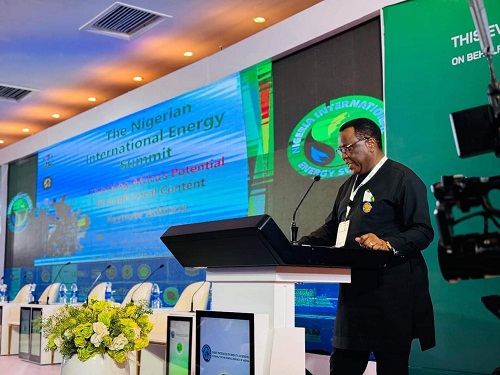
The Nigerian Content Development and Monitoring Board (NCDMB) has said that its 10-year strategic roadmap was designed to strengthen Nigeria’s industrial base by retaining 70 per cent of oil and gas industry spending within the country by 2027, while creating employment opportunities for about 300,000 Nigerians across the oil and gas value chain and its linkage sectors.
This position was made known during a high-level panel session at the maiden West Africa Industrialisation, Manufacturing and Trade Summit and Exhibition, held in Lagos under the theme “Accelerating West Africa’s Sustainable Industrial Revolution for Economic Prosperity”.
The session focused on maximising human capital as a catalyst for competitive and resilient industries in the region.
Speaking on behalf of the Executive Secretary of the NCDMB, Engr. Felix Omatsola Ogbe, the General Manager, Human Capacity Development, Mr. Esueme Kikile, congratulated the organisers for convening the summit, noting that “the theme strongly aligns with the Board’s long-standing mandate in the oil and gas sector.”
He explained that NCDMB’s core responsibility is to build the capacity of Nigerians and Nigerian companies to participate actively in the oil and gas industry, stressing that industrialisation, manufacturing and trade were critical drivers of sustainable economic growth.
To achieve this, Kikile said the Board launched a 10-year strategic roadmap in 2017 aimed at developing in-country fabrication and integration capacity, while strengthening local manufacturing capabilities.
According to him, the oil and gas industry alone is capital-intensive and limited in direct employment, but its linkage sectors provide vast opportunities to absorb Nigeria’s growing youth population.
“Our plan is to ensure that at least 70 per cent of Nigerian oil and gas spend is domiciled in-country by 2027. That is why fabrication, manufacturing and industrialisation are so critical. Through this approach, we project employment opportunities for about 300,000 Nigerians, not just in oil and gas, but across its supporting industries,” he said.
Moderating the panel, the Head of Operations at Jobberman Nigeria, Ms Samantha Ifezulike, set the tone by raising concerns about whether West Africa has sufficient human capital to sustain rapid industrial scale-up, both at entry and senior levels. She challenged the panelists to examine barriers to talent deployment and the role of collaboration between industry and government.
In response, Kikile described West Africa’s population of over 450 million people, nearly 60 per cent of whom are young, “as a significant demographic advantage that remains largely untapped due to structural constraints.”
He identified policy fragmentation across borders as a major barrier, and noted that limited mobility of skills within the sub-region restricted optimal use of available talent.
He also pointed to the disconnect between academia and industry, observing that many education systems still prepared graduates for civil service roles rather than practical, industry-driven careers.
He called for deeper collaboration between universities and industry to align curricula with real-world needs, including technology-driven and hands-on training.
On technical and vocational education, Kikile stressed the need to revive and modernise training institutions to meet the demands of the Fourth Industrial Revolution, recalling how vocational pipelines once fed directly into industrial and oil and gas hubs.
He further advocated policies that enabled innovation and entrepreneurship, allowing students to translate viable ideas into businesses, supported by streamlined regulatory frameworks.
Highlighting the NCDMB’s role in talent development, Kikile said human capacity development was central to the Board’s mandate, especially in correcting decades of overreliance on expatriate labour in the oil and gas industry. He noted that the steady growth of indigenous companies over the years reflected the impact of Nigeria’s local content policy.
He said the NCDMB was implementing an Oil and Gas Field Readiness Programme designed to train 10,000 young Nigerians in critical skill areas identified through industry studies, addressing significant skill gaps in the sector. The programme combines classroom learning with compulsory six-month on-the-job training to ensure participants are truly industry-ready.
“We rolled out this programme recently and are already working with operating companies. The goal is not just certification, but field-ready talent. Properly trained Nigerians should be able to compete locally and globally as industry leaders,” he said.
Kikile concluded by emphasising three priorities: strengthening regional capacity and absorptive ability, ensuring industry actively co-creates curricula with government, and enforcing compliance with well-designed policies and regulations.
Wrapping up the session, Ifezulike underscored the need for stronger alliances, effective policy development and practical implementation, calling for broader stakeholder participation to translate discussions into measurable outcomes.
The industry leadership panel reinforced the growing recognition that unlocking West Africa’s human capital is essential to achieving sustainable industrialisation, trade expansion and long-term socio-economic transformation across the region.
Modupe ASUDO
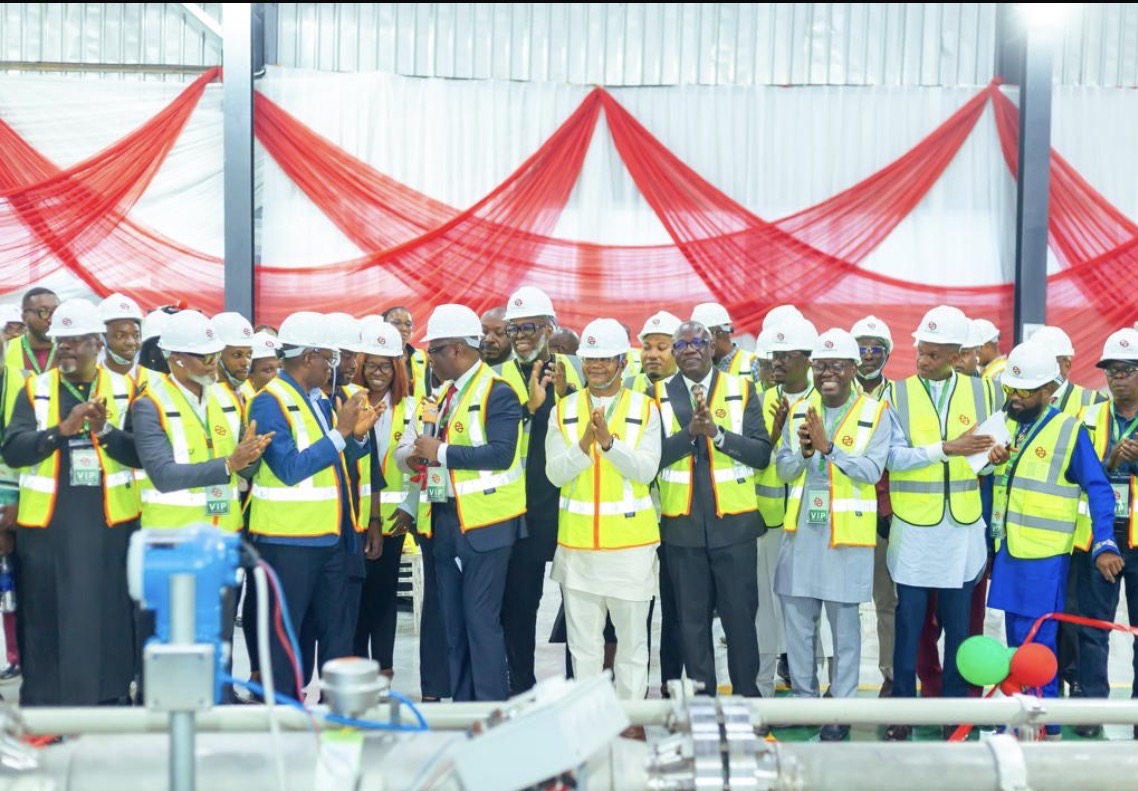
A world-class Gravimetric Flow Metering Calibration Laboratory, the first in Africa, was on Tuesday commissioned at the operational base of Engineering Automation Technology Limited (EATL) at Eket, Akwa Ibom State, with all oil and gas industry regulatory agencies and leading operators in attendance.
The facility, which is engineered to accommodate diverse flow regimes and fluid properties, guarantees accurate and reliable measurement of product transmission through industry pipelines. It incorporates what industry experts describe as “temperature and pressure conditioning, traceable reference standards, and automated data capture,” and would solve problems of flow meter factorisation and recertification.
In a keynote address at the commissioning ceremony, the Executive Secretary of the Nigerian Content Development and Monitoring Board (NCDMB), Engr. Felix Omatsola Ogbe, described the facility as a strategic breakthrough in Nigeria’s oil and gas industry, noting that “For decades, critical calibration and metering services were largely executed outside our shores, resulting in capital flight, increased project timelines, and limited knowledge transfer.”
He said the Gravimetric Multifaceted Flow Metering Laboratory is firmly aligned with the objectives of the Nigerian Oil and Gas Industry Content Development (NOGICD) Act, 2010, on local asset ownership, capacity building, and value retention. Itsstrategic importance, he noted, extends to revenue assurance and regulatory compliance, cost optimisation for industry operators, technology transfer and skills development, and industrialisation of the Niger Delta.
According to Engr. Ogbe, accurate calibration ensures transparency in hydrocarbon accounting and thus strengthens confidence across operators and regulators. Operators, too, would benefit from in-country calibration and metering servicesin terms of reduced logistics costs and turnaround time, while Nigerian engineers, technicians, and metering specialists now have a world-class training ground.
The Executive Secretary said Engineering Automation Technology Limited is among carefully selected corporate entities under NCDMB’s Project 100 Companies Initiative – a strategic programme designed to nurture high-potential indigenous companies into globally competitive champions. The strategy of the Board, he explained, has evolved beyond monitoring to enabling, which involves provision of access to finance, capacity development, infrastructure, co-investments and research and innovation support.
Represented by the Acting Director, Monitoring and Evaluation, Mr. Silas Ajimijaye, the NCDMB boss acknowledged the leadership role of the Nigerian Upstream Petroleum Regulatory Commission (NUPRC) in ensuring that regulatory frameworks continue to support technological advancement while maintaining global standards.
He charged EATL to maintain international quality standards, pursue accreditation and global certifications, invest continuously in research and human capital, and explore regional and continental markets. “Let this facility become a West African hub for flow calibration excellence,” he exhorted.
In her own address, the Commission Chief Executive (CCE) of the Nigerian Upstream Petroleum Regulatory Commission (NUPRC), Mrs. Oritsemeyiwa Eyesan, expressed profound joy at the completion and commissioning of the Calibration and Metering Laboratory, which she declared would be Nigeria’s “national standard.”
“Flow labs in the country’s oil industry will bring their Master Meters here for calibration,” she assured, noting that the NUPRC gave its “very best to support EATL” and would continue to do so.
Represented by the Commission’s Deputy Director, Development, Engr. Manuel Ibifuroko, the CCE said the NUPRC is a business enabler, adding, “We want to be very stringent, but we also have to enable business.” She pointed out that the Commission was determined “to co-create solutions and to ensure costs in the industry are reduced.”
In a welcome address, the Managing Director and Chief Executive Officer of Engineering Automation Technology Limited, Dr. Emmanuel Okon, thanked all the organisations – regulators, industry operators and others who facilitated the transition from “aspiration to operational capability.”
He said EATL was “a vision conceived in 2020 shortly after the inauguration of the second batch of NCDMB’s Project 100 by the then Executive Secretary, a support we are still enjoying from the current Executive Secretary of the NCDMB.”
He pointed out that “NUPRC, NCDMB and NUIMS [National Upstream Investment Management Services, an arm of the NNPCL] form the foundational pillars of this facility,” while inviting the regulatory agencies and all industry stakeholders to engage with the laboratory, “scrutinize its data, and adopt it as a shared benchmark.”
He also acknowledged the exceptional support and invaluable partnership of Renaissance Africa Energy Company Limited throughout the commissioning process, particularly “for providing the Meter Under Test, without which the milestone would not have been achieved.”
The Chief Upstream Investment Officer of the Nigerian National Petroleum Company Limited, represented by the Deputy Manager, Production Sharing Contracts (PSC), Engr. Paul Duke, commended Engineering Automation Technology Limited for its “vision, dedication and technical excellence demonstrated in conceptualizing and delivering a world-class system.”
He noted that with the facility now in place, Nigeria strengthens its capacity for accurate measurement, improved hydrocarbon accounting, and enhanced regulatory compliance, which he described as “critical pillars for transparency and value optimization across the upstream and midstream value chains.”
Engr. Duke expressed appreciation for the collaboration among stakeholders, notably, regulators, operators, service providers, and technical teams, whose collective efforts have brought the initiative to fruition. He said the facility “aligns fully with NNPC Ltd.’s mandate to drive accountability, efficiency, and sustainability in Nigeria’s hydrocarbon operations.”
In related comments, Project Director in the Group Chief Executive Officer’s Office, NNPCL, Mr. Adokiye Charles, said the gathering was not just to activate the facility. According to him, “We are gathered here today to commission accountability; we are gathered here today to commission integrity… and to commission trust.” He expressed great delight at the landmark development.
For his part, the immediate past Executive Commissioner, Development and Production, NUPRC, Engr. Amadasu Enorense, said the commissioning marked a defining milestone in Nigeria’s industrial journey. According to him, “To have the first Flow Metering Calibration Laboratory in Africa is indeed a major milestone.”
In a detailed explanation of the benefits the facility would bring to Nigeria, he pointed out that, “By establishing this in-country calibration laboratory, we are declaring that precision will no longer be outsourced; competence will no longer be imported, and value will no longer be exported unnecessarily.”
He revealed that hitherto, calibration services of such technical complexity required sending equipment – and capital – overseas, resulting in “foreign exchange outflows, project delays, and lost opportunities for our engineers and technicians to develop world-class expertise.” “Today,” he remarked, “We reverse that trend.”
He urged industry operators to support the facility, utilize it, and partner the company to strengthen it. To Nigeria’s young engineers, his message was, “This Laboratory represents opportunity; master the science, uphold integrity and innovate endlessly.” According to him, “The future of our industry will be defined not just by [oil and gas] reserves in the ground but also by knowledge.”
From a major partner in the project, Emerson Automation, were words of assurance of continued support and collaboration. According to the company’s Area Director, West Africa and Angola, Engr. Chukwuma Ossaiga, “If we create value we can impact the next generation.” He urged oil and gas industry players to patronise the facility.
From a representative of Renaissance Africa Energy Company Limited, Mr. Enobong Ekanem, was a firm assurance of full patronage of the facility. The NNPCL and other operators all affirmed their confidence in the facility and assured the Management of their preparedness to continue to do business with the company






Dangote IPO Will Spread Wealth Across Nigeria – Emir Sanusi

Abdulhamid Kabara Takes Over as New NSCDC Niger Commandant

Tinubu Sets October 1 Deadline for Lower Transport Fares Nationwide

‘We Don’t Fix Pump Prices’ — NMDPRA Breaks Silence on Rising Petrol Prices

The Soludo, Obi Spat – When Brothers Fight to the Finish

‘Calling Tinubu Bola, Giving Him Orders Is Insolence’ — Sunday Dare Blasts Atiku

Trump’s Family Unveils New Cryptocurrency Platform

Senate Denies Receiving Petitions Against Tinubu’s Ambassadorial Nominees

Dangote Cement Lights Up Benue Host Communities With CSR Initiatives

Reps Recommend 3-year Jail Term For Aviation minister

Tems Sets New Record On Billboard Hot 100 Chart
