
Other News
Africa Command Deals with Emergencies as it Builds Capacity


WASHINGTON – U.S. Africa Command will expeditiously deal with operations on the continent, and will continue growing partner nations’ military capabilities, Army Gen. David Rodriguez said today.
Rodriguez, who has led Africa Command since April, spoke with reporters during a Pentagon roundtable discussion. “While there are multiple challenges in Africa, I am optimistic about the future,” he said.
The general reiterated the command’s strategy and said he believes it is helping Africans promote peace and security. “Our basic premise is that it is Africans who are best able to address African challenges, and our strategy focuses on developing partner nations’ military forces through a wide variety of programs,” he said.
Across the continent, he said, a new generation of leaders with promise for the future is coming to the fore.
“We also recognize an increasing regional and international integration and a readiness by both African nations and African organizations – such as the African Union – to respond to crises in places like Libya, Somalia, Mali and now the Central African Republic,” Rodriguez said.
The command also seeks to maintain good military-to-military contacts on the continent and is working to strengthen multinational organizations, he noted.
The command stresses an interagency, “whole of government” approach, the general said. Africa Command works closely with the State Department, the U.S. Agency for International Development and increasingly with multinational partners.
He acknowledged there are problems on the continent. Mali, South Sudan, Somalia and the Central African Republic require regional and international attention, he said. “I strongly believe our cooperative approach … will make enduring change possible,” he said.
South Sudan is the current flashpoint on the continent, Rodriguez said, adding the U.S. government hopes the peace process in the world’s newest country will continue to work. On the ground, opposition forces loyal to South Sudan’s vice president continue to battle government forces loyal to the president. Africa Command had to act to protect U.S. citizens in the country, the general said, who have been evacuated.
The joint force acted quickly and appropriately, he said: The East African Response Force went into the area quickly, reinforced the embassy in Juba and brought people out. “The second effort was to go into Bor to get people out of there,” the general said.
The special operations task force came under fire and four Navy SEALs were wounded, Rodriquez said.
DOD aircraft later went in to the region and brought people out. “If you look at it, it was a great effort from the whole joint team,” he said.
In South Sudan, the process worked as it should, Rodriguez said. State Department officials recognized the situation and notified Africa Command personnel quickly. The command was able to move the forces quickly to the trouble spot and the team had the training needed to be effective.
The model of interagency partners working together at the command is working, Rodriguez said. This helps the combatant command make the linkages into the agencies.
The United Nations is very active and he said the United States continues to look at ways to support it. “We are continually evolving,” he said. “In the Central African Republic, the main (capabilities) continue to be … in airlift and movement. We’re starting to look at that at the behest of the U.N.”
The areas where nations need help are almost always the same, Rodriguez said: intelligence, mobility and logistical support. “We do a good job with very small teams … that help out a significant amount,” the general said.
He noted there is a small cell in Mali that helps the U.N. mission there, for example.
The African Union has requested Africa Command help move Rwandan peacekeepers into the Central African Republic, he said. “We are planning and coordinating those efforts with the Rwandans and the French right now,” he said.

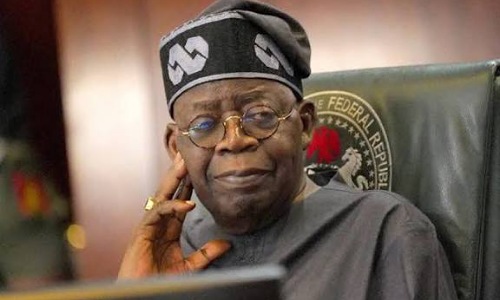
The Social Democratic Party (SDP) and the Inter-Party Advisory Council (IPAC) have disclosed details of their recent closed-door meeting with President Bola Tinubu, explaining that the engagement focused on strengthening Nigeria’s democratic process ahead of the 2027 general elections.
The clarification came amid speculation surrounding the meeting, which took place at the Presidential Villa in Abuja after leaders of several opposition parties attended an Iftar dinner hosted by the president earlier in the week.
ALSO READ: NNPC Secures Tinubu’s Approval for $20bn FID on Bonga Deepwater Project
Speaking during a gathering hosted in Abuja by the SDP’s former presidential candidate, Adewole Adebayo on Friday, the party’s National Chairman, Prof. Sadiq Gombe, said the meeting with Tinubu followed an official invitation from the Presidency and lasted about an hour.
According to Gombe, the discussion centred on the need to strengthen Nigeria’s electoral laws and restore public confidence in the country’s electoral process ahead of the 2027 polls.
He explained that the meeting provided an opportunity for party leaders to remind the president of the importance of conducting transparent, free, and credible elections.
Gombe noted that democracy can only thrive when governments listen to the concerns of citizens and ensure electoral processes that guarantee fairness and accountability.
The SDP chairman also expressed concern over growing voter apathy, pointing to the low turnout recorded in the recent Area Council election in the Federal Capital Territory.
He said the Abuja Municipal Area Council election witnessed only about seven per cent voter turnout, which he described as a clear sign that many Nigerians are losing confidence in the electoral system.
Gombe urged the government and members of the National Assembly to take urgent steps to review electoral laws and rebuild public trust in Nigeria’s democracy.
Also speaking, the National Chairman of IPAC, Dr. Yusuf Dantalle, said political parties used the meeting to raise concerns about aspects of proposed electoral reforms, particularly issues related to indirect primaries and the mandatory electronic transmission of results.
Dantalle explained that the parties appealed to the president to use his influence to encourage legislative review where necessary, noting that reforms should strengthen, rather than complicate, the democratic process.
He expressed optimism that Tinubu would consider the concerns raised and support necessary amendments that would improve the electoral system.
The IPAC chairman also called on the Independent National Electoral Commission (INEC) to strictly adhere to electoral guidelines as preparations for the next election cycle begin.
Earlier in his remarks, Adebayo cautioned political actors against turning the 2027 general elections into a do-or-die contest, stressing that the primary goal of democracy should be the progress and stability of Nigeria rather than personal political victories.
He urged leaders across political parties to encourage citizens to actively participate in the democratic process and ensure that elections are conducted peacefully and transparently.
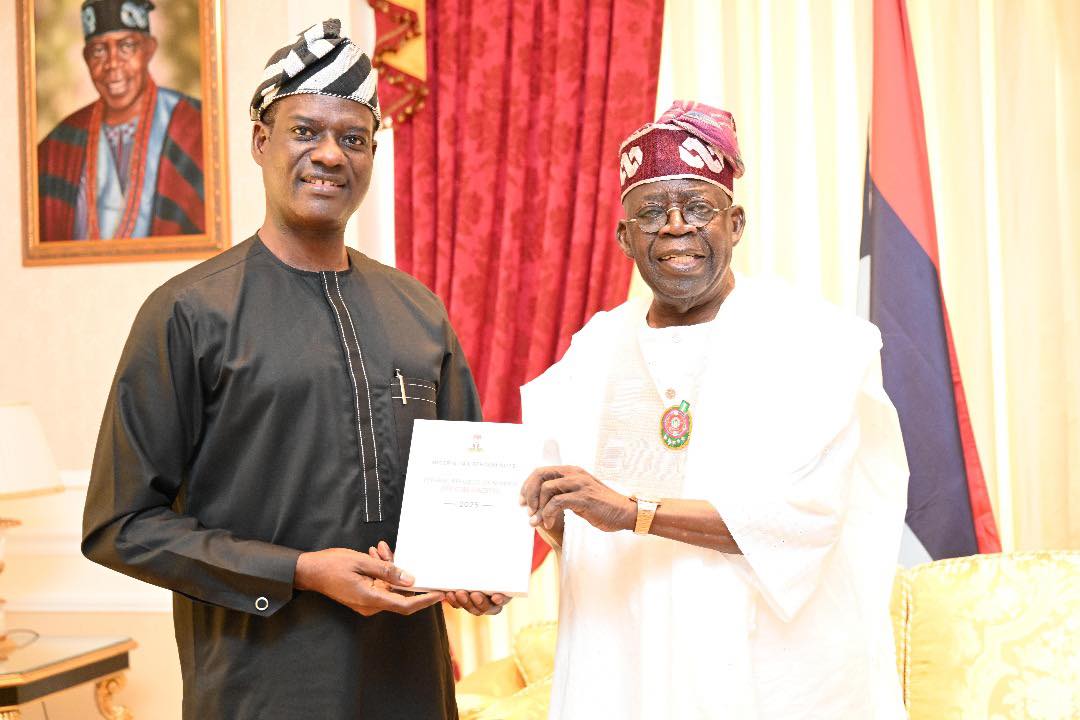
President Bola Tinubu and Mr. Taiwo Oyedele during his nomination on Wednesday.






Airfares Likely to Rise as Aviation Fuel Price Spikes by 80%

Shell Completes Turnaround Maintenance on FPSO, Resumes Production at Bonga

Sahara Group expands fleet with new 40,000 cbm LPG Carrier

NATO Shoots Down Third Iranian Missile in Turkey

Inside Tinubu’s Closed-Door Meeting With Opposition Leaders – SDP, IPAC Reveal Details

Defections Won’t Break PDP in Sokoto, Says Former Senator Gada

Trump’s Family Unveils New Cryptocurrency Platform

Reps Recommend 3-year Jail Term For Aviation minister

Dangote Cement Lights Up Benue Host Communities With CSR Initiatives

Senate Denies Receiving Petitions Against Tinubu’s Ambassadorial Nominees

Things To Know About Threads, Zuckerberg’s Twitter-like App
