NEWS
Biafra Cannot Be Declared Twice – IPOB Rejects Simon Ekpa’s Planned Biafra Declaration


The Indigenous People of Biafra (IPOB) has strongly disavowed a planned re-declaration of the Biafran state by the self-proclaimed Biafra Republic Government in Exile (BRGIE).
The controversial announcement, scheduled for December 2 in Finland by the BRGIE, led by detained leader Simon Ekpa, has been dismissed by IPOB as illegitimate and counterproductive.
In a statement issued on Sunday, IPOB’s Media and Publicity Secretary, Emma Powerful, described the proposed declaration as a “scam” orchestrated by individuals seeking to undermine the genuine Biafran self-determination struggle.
Related News: I Am Just A Content Creator – Simon Ekpa Denies Biafran Leadership Role
“The noble family and movement of the Indigenous People of Biafra (IPOB) led by the indomitable Mazi Nnamdi Kanu wishes to disassociate ourselves from the purported Biafra second declaration by an infamous no-name group,” the statement read. “The so-called declaration is a scam.”
IPOB reiterated that the only legitimate declaration of Biafra was made in 1967 by the late Dim Chukwuemeka Odumegwu Ojukwu during the Nigerian Civil War.
The group maintains that its current mission is to restore the sovereignty of that declaration through peaceful means, including a UN-supervised referendum.
“Biafra cannot be declared for the second time by anyone,” IPOB stated. “What we are doing is restoring the sovereignty of the declared Biafra Independence that was forced to surrender through genocide by the Nigerian and British governments.”
The group added, “Heaven declared Biafra once, though short-lived, and on the strength of that declaration, IPOB stands to demand a referendum for Biafrans to decide their political future.”
IPOB accused those behind the Finland event of exploiting the Biafran cause for personal gain and destabilizing the South-East region of Nigeria.
According to the group, the Finland declaration is a calculated attempt to discredit the struggle.
“Those involved in the event in Finland were among the sponsors of insecurity in the South-East Region,” the statement alleged.
“Their agenda is to destabilize the South-East, divide the people, and make the genuine Biafra struggle unattractive to our people. They failed woefully.”
The group also praised the lack of media coverage for the event, calling it a reflection of its irrelevance. “The fanfare in Finland this weekend was ignored by all responsible media organisations,” IPOB noted.
The group accused Ekpa and his associates of being provocateurs working to derail the Biafran movement.
It warned that the sacrifices of those who fought for Biafra’s independence would not be in vain.
“Only fools rush where angels dread to enter,” IPOB cautioned. “Biafra’s struggle is a thing of the spirit because blood has been shed for this ultimate project. Any person, nation, or group who obstructs the Biafra restoration will pay a heavy price.”
IPOB insisted that its focus remains on peaceful advocacy, rejecting the “self-deception” of the Finland declaration.
“IPOB is an informed movement championing the restoration of Biafra sovereignty and freedom and cannot involve itself in self-deception and scamming people with the Biafra project,” the group declared.
Emma Powerful urged Biafrans and their supporters to remain united and focused, dismissing the Finland declaration as an attempt to distract from IPOB’s legitimate efforts.
“This press release is to keep the record straight and disassociate IPOB and Mazi Nnamdi Kanu from the idiocy exhibited in Finland called Biafra second declaration,” he said.
“The Finland Biafra declaration is pure scam by agent provocateurs.”
IPOB concluded by reaffirming its commitment to restoring Biafra through peaceful means, emphasizing the legitimacy of Ojukwu’s 1967 declaration and the need for a referendum to resolve the question of Biafran sovereignty.







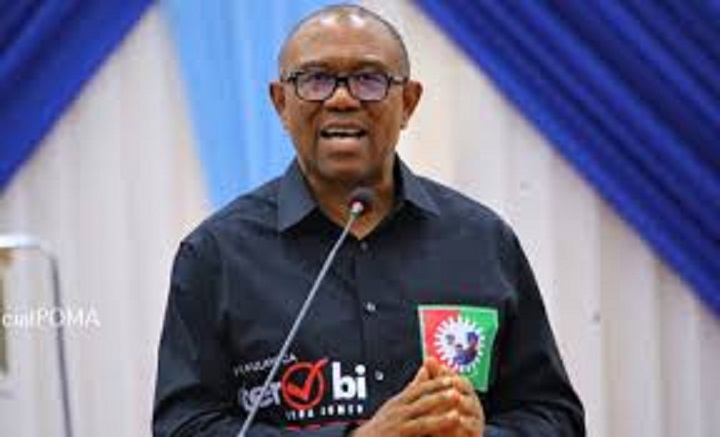
Felix Morka, the National Publicity Secretary of the All Progressives Congress (APC), has refuted allegations made by Peter Obi, the Labour Party’s presidential candidate in the 2023 general election, claiming his comments incited threats against Obi and his family.
The controversy stems from a recent interview where Morka reacted to Obi’s New Year message. During the interview on Arise TV, Morka remarked, “Obi has crossed the line so many times,” and added, “whatever he has coming to him, he should manage it.”
READ MORE: Nigeria Strengthens Airport Screenings Amid Spread Of China’s HMPV Virus
Following the remarks, Obi alleged that he began receiving messages threatening his life and those of his family members.
According to him, Morka’s statements on national television were the catalyst for these threats.
Appearing on Arise TV’s The Morning Show on Wednesday, January 8, 2025, Morka denied the allegations, stating that his comments had been misinterpreted.
He explained that his remarks were in response to criticisms labeling Obi a “voodoo economist” and a “prophet of doom.”
“If Peter Obi was called a prophet of doom or a voodoo economist, he has it coming to him because he has crossed several lines of truth,” Morka said. “There’s nothing in my words to suggest a threat to his life.”
Morka maintained that his comments were about Obi allegedly spreading falsehoods, not an incitement to violence.
“Peter Obi speaks a lot of falsehood. My comment was about him being rightfully labeled for his conduct and not about endangering his life,” he added.
He further challenged Obi to provide evidence of the alleged threats, emphasizing the need for proof.
“He who alleges must prove. If Peter Obi says anyone threatened him, he must, beyond just saying, ‘I’ve been threatened.’ For a man in his standing, this is not a matter for TV conversations but for law enforcement to investigate,” Morka stated.
The APC chieftain urged Obi to engage the appropriate authorities rather than making public accusations without substantiation.

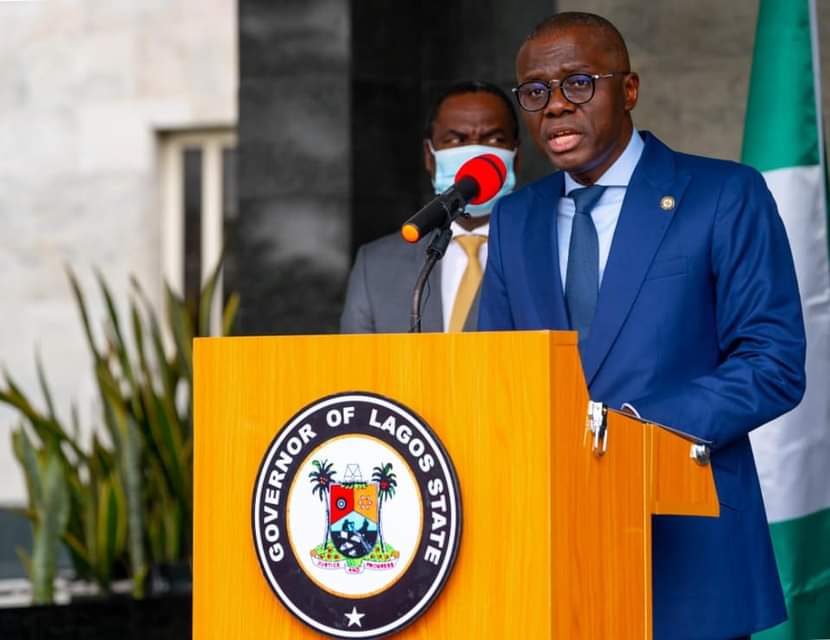
The joy of attaining a milestone of 58 years on earth is rocking the home of the first family of Lagos State.
Lagos State Governor, Babajide Sanwo-Olu is bubbling and celebrating his wife’s birthday by recounting their journey together and showering praises on her.
He took to his verified handle on micro-blogging site, X, on Wednesday to declare the admirable qualities of the first lady.
“Ibijoke mi, you are my rock, a reliable and dependable force, a loving wife, and a nurturing mother,” he wrote.
ALSO READ: Abia State Police Commissioner Disbands Anti-Cultism Unit, Demotes Corporal To Constable
Gov Sanwo-Olu wrote, “Happy birthday to my incredible wife and partner, Ibijoke who turns 58 today.
“Ibijoke mi, you are my rock, a reliable and dependable force, a loving wife, and a nurturing mother. For decades, you have been a steadfast pillar in my life, and a trusted partner through thick and thin. You are a fundamental part of my journey, standing by my side as we navigate the complexities of public service together.
“I celebrate you today and always. You are kind-hearted, a wonderful companion, and an exceptional mother.
“I thank God for your life and appreciate every moment of support, sacrifice, and love you have poured into the growth and development of Lagos State and our family.
“Happy Birthday, my love!”

A State High Court sitting in Enugu has issued an interim injunction barring the apex Igbo socio-political group, Ohanaeze Ndigbo, from considering the candidacy of former Inspector General of Police, Mike Okiro, for the office of President-General in its upcoming January 10, 2025, election.
The injunction was granted following a motion filed by Chimenu Amadi on behalf of the Indigenous Igbos of Rivers State.
READ MORE: One Dead, Three Injured In Multi-Truck Collision On Otedola Bridge
Amadi argued that Okiro, being an indigene of Imo State, is ineligible for the position, which is reserved for candidates from Rivers State.
According to Amadi, “Only indigenes of Rivers State are eligible to aspire for the said position.”
The court further ruled that Okiro should be restrained from contesting for the presidency of the organization “on the grounds of ineligibility with particular reference to his state of origin,” pending the hearing and determination of the motion on notice for an interlocutory injunction.
In a separate ruling, the court issued an interim order permitting the Nze Ozichukwu-Chukwu committee to conduct the election as scheduled while restraining certain chieftains from interfering.
Those restrained include Chidi Ibe, Okechukwu Isiguzoro, and Richard Ozubu, who have been accused of constituting a parallel body without lawful authority.
A motion filed by Aloy Ejimakor on the matter claimed that these individuals sought to undermine the constitutional process by making the election “an open and free-for-all affair,” thereby causing potential “discord, disharmony, lawlessness, and unrest.”
The court directed that the status quo be maintained and emphasized that the election must adhere to Article 11 of Ohanaeze Ndigbo’s constitution, which stipulates that the presidency should rotate among Igbo states and Igbo-speaking people of Delta and Rivers States.
The election is set to fill the leadership vacuum left by the death of the late President-General, Emmanuel Iwuanyanwu, whose tenure was cut short a few months ago.
Fidelis Ozichukwu has been acting as interim leader and is expected to oversee the group’s affairs until the election is concluded on January 10, 2025.






Two Nigerians Receive 20-Year U.S. Prison Terms For $560,000 Romance Scam
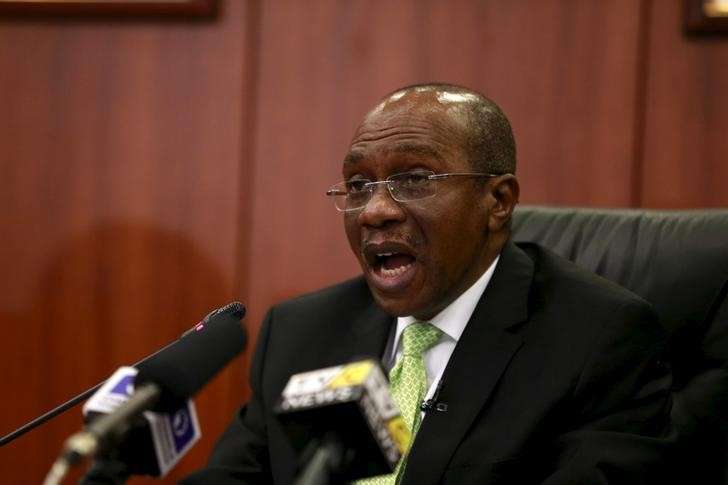
Court Assumes Jurisdiction In Emefiele’s Corruption Case, Strikes Out Four Charges

18-Year-Old Detained For Allegedly Molesting Two-Year-Old In Delta State

UK Extends ETAS To US, Canada, Australia

Provide Evidence Of Death Threats – Felix Morka Tells Peter Obi
Sanwo-Olu Celebrates Wife, Ibijoke At 58

OSSG Raises Alarm Over Murder Plot By APC Chieftain

NCC, SMEDAN, NAICOM, SEC, Others Set for SUPERNEWS SMEs Conf June 13
Sahara’s Tonye Cole resigns from GPHCDA
Niger Delta Avengers: President Buhari Reads riot Act …considers the carrot and stick option

Oando opens ultra-modern petrol station in Lagos