
Business
Capital Market Welcomes Maiden Commodities, Halal Fund


The Securities and Exchange Commission (SEC) has approved the maiden commodities fund which would take off from an initial N3 billion.
Executive Commissioner, Operations, SEC, Dayo Obisan, said in Lagos on Wednesday that the launch of the fund would play a key role in the attainment of the 2015–2025 Nigerian Capital Market Master Plan of the Commission.
He pointed out that one of the cardinal points was for 25 percent of the market capitalisation to come from non-interest areas such as Marble Halal Commodities Fund.
In the same vein, Chief Executive Officer, Marble Capital Limited, Akeem Oyewale, said that the fund would enhance product diversification in the Nigerian economy while preventing the loss of investments to Ponzi schemes and phoney crowdfunding programmes.
In his words, “The main objective of the fund is to provide investors with income diversification and generate returns by investing in diverse halal-compliant instruments. In addition, the fund would also contribute to the economic growth of the country. We believe that we will be able to formalise a lot of non-formal agricultural investments and that would allow investors to scale investment opportunities.
“The Marble Halal Commodities Fund is open to both retail and institutional investors and compliant with the PenCom guidelines for mutual fund investments. The minimum amount required for investment is N50,000.”
Biztellers reports that the new commodities fund, the Marble Halal Commodities Fund, which would be domiciled in the agro-economic and extractive sector, was set up by Marble Capital Limited.
The new asset class opens with an initial N3bn and consists of 30,000,000 units at N100 per unit at par. But it can be increased subject to the approval of the SEC.




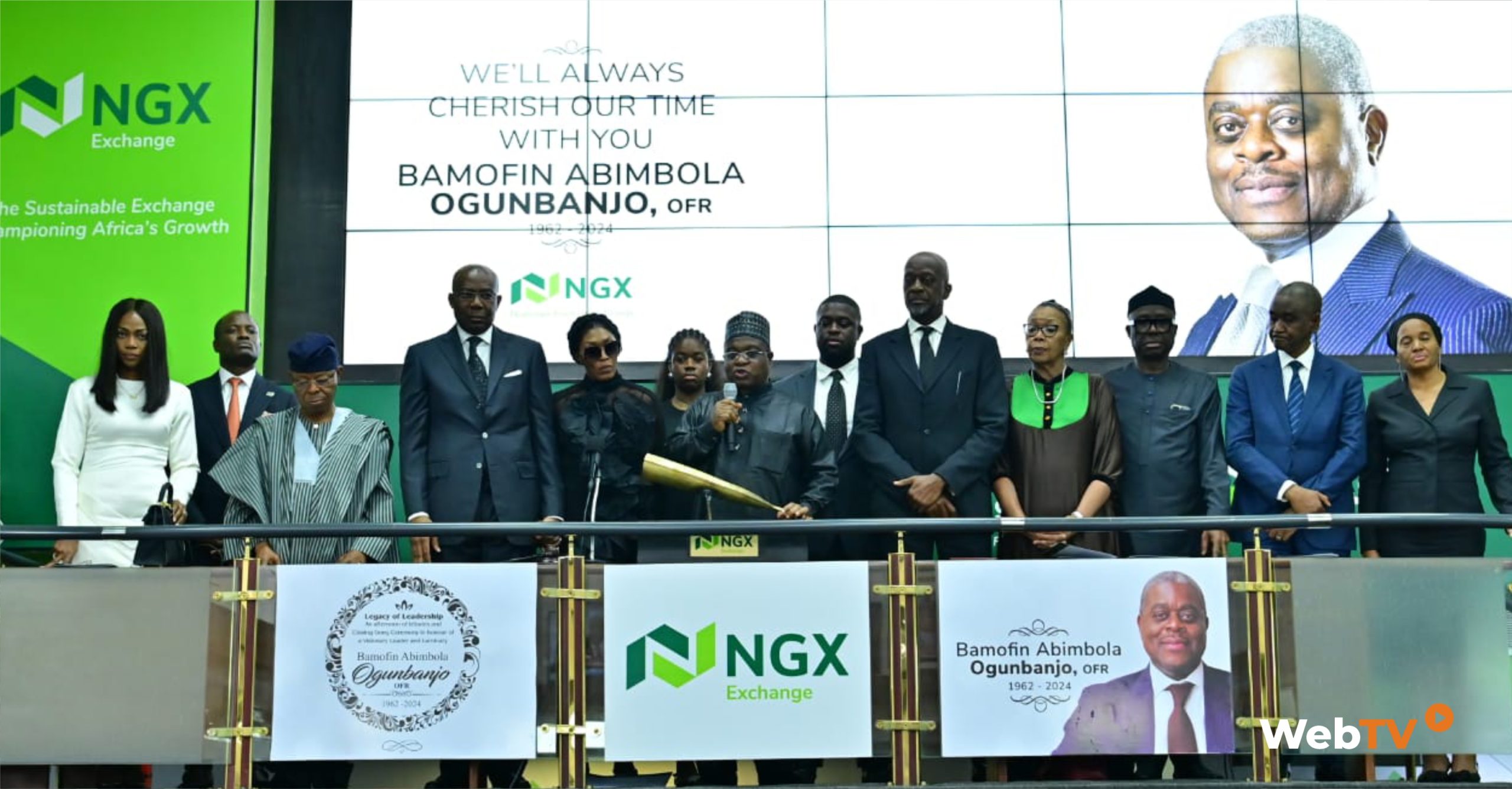




Heritage Energy Operational Services Limited (HEOSL) has pledged to strengthen corporate governance, transparency and accountability in its operations, stressing the importance of ethical business practices and effective financial controls.
The company, which operates Oil Mining Lease (OML) 30 on behalf of its joint venture partners, NNPC Exploration & Production Limited (NEPL) and Shoreline Natural Resources Limited (SNRL), made the commitment during a meeting with the Institute of Internal Auditors (IIA) Nigeria in Lagos.
The General Manager, Government, Joint Venture and External Relations, Heritage Energy, Ohioze Unuigbe, gave the assurance when a delegation of the institute visited the company’s corporate headquarters.
READ ALSO: Energy Security: Nigeria’s PMS, LPG Reserves Drop Below 30-day Standard
Unuigbe said the company recognised its responsibility to maintain high standards in safety, ethics and financial management, adding that it would continue to work with professional bodies to promote accountability and good corporate governance.
“As an organisation, we recognise the responsibility that comes with our position in the industry. We must continue to set high standards in safety, ethics and financial controls, and we welcome opportunities to deepen our engagement with institutions that advance these principles,” he said.
The IIA Nigeria delegation was led by its Chief Executive Officer, Don Umeha, who explained that the institute was committed to improving the internal audit profession through internationally recognised standards, professional certification and continuous training. Umeha said the institute was also developing programmes to build the skills of young professionals, particularly through partnerships with universities and student engagement initiatives.
He stressed the need for internal auditors to continually update their knowledge and skills to keep pace with changes in the business environment.
“The Institute belongs to individuals and organisations that are committed to continuous learning. As the profession evolves, we must continue to update our skills, strengthen our capabilities and ensure that internal audit keeps pace with emerging developments,” he said.
The meeting also discussed governance, risk management and compliance, the fight against bribery and corruption, regulatory requirements and the growing role of internal auditors in protecting organisations against risks.
Heritage Energy highlighted measures it had put in place to promote ethical conduct, including its Code of Business Conduct and Gifts and Entertainment Policy.
It also disclosed that it conducts fraud awareness programmes and works with PwC on whistleblowing awareness to encourage the reporting of suspected wrongdoing.
Other company officials at the meeting included Nelson Wilbert, General Manager, Operations Integrity; Ebehi Odejobi, Head, Internal Audit; and Lola Oyenekan, Acting Corporate Communications Manager.
The engagement, according to the company, forms part of efforts to strengthen its governance systems, promote professional standards and build confidence among stakeholders.

Nigeria fell about 37.86 million barrels short of the oil production required by the 2026 budget in the first half of the year, a gap worth about N4.65 trillion ($3.38 billion) at current crude oil prices, an analysis of official data shows.
The figures come from the Nigerian Upstream Petroleum Regulatory Commission (NUPRC).
They show the country produced an estimated 295.18 million barrels of crude oil and condensate between January and June 2026. The budget benchmark of 1.84 million barrels per day (mbpd) required about 333.04 million barrels over the same 181 days.
READ ALSO: DPRP Eyes December Listing Date
That means output averaged about 1.63 mbpd, roughly 209,000 barrels per day below the target, or 11.4 per cent short.
The shortfall was calculated month by month, comparing NUPRC’s monthly daily averages with the 1.84 mbpd benchmark.
Each month’s missing barrels were then priced at that month’s average Brent spot price, as published by the US Energy Information Administration.
The dollar values were converted to naira at the average official exchange rate for each month.
February was the weakest month. Output fell to 1,483,940 barrels per day, leaving a gap of nearly 10 million barrels. Production then rose every month, reaching 1,735,398 barrels per day in June, which NUPRC said was a 74-month high. Even then, the June gap was about 3.14 million barrels.
The shortfall would have cost more if prices had stayed low. Brent averaged $117.29 per barrel in April and $107.14 in May, far above the budget price of $64.85. Weighted across the six months, the missing barrels were valued at about $89.25 each.
At the budget price of $64.85, the same shortfall would be worth about $2.46 billion. Higher prices therefore added about $0.92 billion to the value of the lost output.
The N68.32 trillion 2026 Appropriation Act, signed by President Bola Tinubu, assumed an oil price of $64.85 per barrel, production of 1.84 mbpd and an exchange rate of N1,400 to the dollar.
Several analysts warned that the production target was too high. In December 2025, the Centre for the Promotion of Private Enterprise (CPPE), led by Dr Muda Yusuf, welcomed the separation of technical and fiscal oil-production parameters. It nonetheless described the benchmark of about 1.8 mbpd as optimistic, given Nigeria’s history of underproduction. The CPPE suggested a more cautious figure of 1.6 mbpd. It cited oil theft, pipeline vandalism, operational disruptions and weak investment in upstream infrastructure.
The National Institute for Legislative and Democratic Studies (NILDS), in its review of the 2026 Appropriation Bill, said the benchmark “appears somewhat ambitious and potentially unrealistic”. It warned that budget implementation could suffer if actual output continued to trail projections, since oil revenue remains central to government finances.
By mid-year, the criticism was more direct. An EconomyPost analysis in July said that “assuming oil production of 1.84 million bpd is setting the stage for failure”. It recommended a planning benchmark of 1.5 mbpd. In October, energy expert Oyebode Fadipe said the missed target limited the benefit of higher prices. He called the result “a paper gain instead of cash reality”.
The Budget Office of the Federation, in its Second Quarter and Half-Year 2026 Budget Implementation Report, said gross oil revenue fell to N7.88 trillion in the first half. The figure was about N9.32 trillion in the same period of 2025, a drop of N1.44 trillion, or 15.45 per cent.
The N7.88 trillion was also N10.78 trillion below the half-year target of N18.65 trillion, a performance rate of 42.22 per cent.
The fall came even though crude oil prices averaged $104.52 per barrel in the second quarter, against $74 a year earlier. That was a rise of 41.23 per cent. The price was also $39.67, or 61.17 per cent, above the budget benchmark.
The report said average production rose to 1.72 million barrels per day in the second quarter, from 1.68 million a year earlier and 1.55 million in the first quarter. That was still about 120,000 barrels per day, or 6.52 per cent, below the budget target.
The Budget Office said the low net oil revenue in the second quarter could be attributed to lower production and lifting, “which was also due to low sector investment and legacy oil production constraint issues”. It added that high fiscal deductions under the Petroleum Industry Act (PIA) also played a part.
The report said: “Despite the favourable international crude oil price environment during the quarter, average production remained below the budget benchmark, limiting the revenue gains available to the Federation.”
Credit – Leadership
Reports alleging that $2.04 billion generated from crude oil cargoes lifted by Duke Oil Company Incorporated, now NNPC Trading S.A., was missing or unaccounted for are unfounded.
State oil major, the Nigerian National Petroleum Company Limited (NNPC Ltd) Limited made the assertion in dismissing the reports, adding that all proceeds from the crude cargoes were fully accounted for.
In a statement on Tuesday, it highlighted that the absence of separate dollar receipts for some transactions was due to an agreed settlement arrangement under the Direct Sale Direct Purchase (DSDP) programme.
Chief Corporate Communications Officer, NNPC Ltd, Andy Odeh, pointed out that the $2.04 billion represented the gross value of 29 crude cargoes, whose proceeds were set off against the cost of refined petroleum products supplied under the programme.
READ ALSO: Decade of Gas: NLNG Hosts 35 Young Professionals at Bonny Facility
Under the DSDP arrangement, Duke Oil and other participating traders lifted crude oil in exchange for refined petroleum products, including petrol, for the Nigerian market.
The company explained that while crude oil was priced in dollars, the supplied petroleum products were sold in naira, with the value of products delivered reconciled against the corresponding crude oil value.
It said the transactions were fully captured in the audited financial statements of the relevant entities.
The NNPC Ltd further argued that the reports themselves acknowledged that all 59 cargoes were accounted for and reconciled with their respective beneficiaries.
According to the company, 30 cargoes were paid for in dollars, while proceeds from 28 cargoes, valued at approximately $1.96 billion, were remitted in naira to the NNPC Group Treasury or NNPC Upstream Investment Management Services (NUIMS) accounts.
It added that the remaining cargo, a February 2023 Bonga tax-oil lifting valued at approximately $75.9 million, was paid directly into the then-designated dollar account of the Federal Inland Revenue Service (FIRS).
On concerns surrounding Duke Oil’s relationship with the NNPC Ltd, the company said the subsidiary was incorporated in 1989 as a wholly owned trading subsidiary, adding that its ownership had been consistently documented in its corporate history, audited financial statements and the 2023 Nigeria Extractive Industries Transparency Initiative (NEITI) industry report.
It maintained that using a dedicated trading subsidiary was standard practice in the global oil industry, stressing that all inter-company transactions were properly disclosed as related-party transactions in line with International Financial Reporting Standards (IFRS).
The statement read: “NNPC Limited states categorically that no sum is missing, unaccounted for, or unpaid, in respect of crude cargoes lifted by Duke Oil Company Incorporated, now NNPC Trading S.A., under the Direct Sale Direct Purchase (DSDP) programme.
“30 cargoes were paid in US dollars, 28 cargoes (valued at approximately US1.96billion) were remitted in Naira to the NNPC Group Treasury or NNPC Upstream Investment Management Services (NUIMS) accounts and the remaining cargo (a February 2023 Bonga tax-oil lifting valued at approximately US75.9 million) was paid directly into the then designated Federal Inland Revenue Service (FIRS) dollar account.”
The NNPC Ltd reaffirmed its commitment to transparent financial reporting and accountability in crude oil liftings, product deliveries and remittances to beneficiaries.
It, however, warned against what it described as false or misleading publications capable of damaging the reputation of the company and its subsidiaries, saying it reserved the right to take legal action against those responsible.



2027 Elections: ADC Accuses INEC of Hiding 453 Polling Units

Adeleke Kicks Off Second Term with Free Cataract Surgery Programme in Osun

Gov Alia Declares Monday Work-Free Day Ahead of Tinubu’s Visit
Heritage Energy Assures on Corporate Governance

Energy Security: Nigeria’s PMS, LPG Reserves Drop Below 30-day Standard

Yul Edochie Shares Emotional Post After Father’s Death

Trump’s Family Unveils New Cryptocurrency Platform
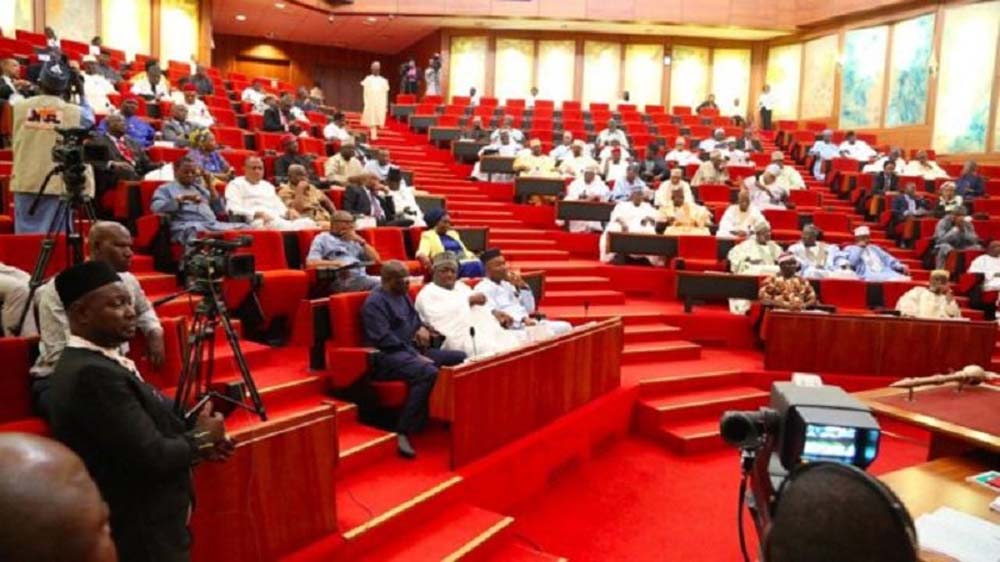
Senate Denies Receiving Petitions Against Tinubu’s Ambassadorial Nominees

Dangote Cement Lights Up Benue Host Communities With CSR Initiatives

Reps Recommend 3-year Jail Term For Aviation minister

Tems Sets New Record On Billboard Hot 100 Chart
444269 214146Wow, incredible weblog structure! How long have you been running a weblog for? you created running a weblog look straightforward. The complete appear of your web site is magnificent, neatly as the content material! 224185
688073 668511Thank you for the auspicious writeup. It in fact was a amusement account it. Look advanced to much more added agreeable from you! Even so, how could we communicate? 401693
447245 82668If you are needing to produce alteration in an individuals llife, during i would say the Are generally Bodyweight peeling off pounds training course are a wide path in the direction of gaining any search. la weight loss 334471