Business
Cash Crunch Slows Nigeria’s Q1 2023 Growth


According to the National Bureau of Statistics, Nigeria experienced a slowdown in economic growth during the first quarter of 2023.
The Gross Domestic Product (GDP) recorded a year-on-year growth of 2.31 percent within the quarter.
This information was stated in the “Nigerian Gross Domestic Product Report Q1 2023″ released on Wednesday by the statistics bureau.
The report highlighted that this growth rate declined compared to the first quarter of 2022, which saw a growth rate of 3.11 percent, as well as the fourth quarter of 2022, which had a growth rate of 3.52 percent.
The NBS attributed this reduction in growth to the adverse effects of the cash crunch experienced during the quarter.
According to the report, the performance of the GDP in the first quarter of 2023 was driven mainly by the services sector, which recorded a growth of 4.35 per cent and contributed 57.29 per cent to the aggregate GDP.
The bureau said the agriculture sector grew by -0.90 per cent, lower than the growth of 3.16 per cent recorded in the first quarter of 2022.
The NBS said although the growth of the industry sector improved to 0.31 per cent relative to -6.81 per cent recorded in the first quarter of 2022, agriculture and industry sectors contributed less to the aggregate GDP in the quarter under review compared to the first quarter of 2022.
According to the report, in the quarter under review, aggregate GDP stood at N51.24 trillion in nominal terms.
This performance is higher when compared to the first quarter of 2022 which recorded aggregate GDP of N45.3 trillion, indicating a year-on-year nominal growth of 13.07 per cent.
According to the National Bureau of Statistics, Nigeria recorded an average daily oil production of 1.51 million barrels per day (mbpd) during the first quarter of 2023.
This figure is higher compared to the daily average production of 1.49 mbpd in the same quarter of 2022, and it exceeds the production volume of 1.34 mbpd in the fourth quarter of 2022 by 0.17 mbpd.
It reported that the real growth of Nigeria’s oil sector in the first quarter of 2023 was -4.21 percent year-on-year. This indicates an increase of 21.83 percentage points compared to the growth rate recorded in the corresponding quarter of 2022, which was -26.04 percent.
Furthermore, the NBS stated that the growth rate in the oil sector increased by 9.18 percentage points when compared to the previous quarter, Q4 2022, which had a growth rate of -13.38 percent.
The report said “On a quarter-on-quarter basis, the oil sector recorded a growth rate of 20.68 per cent in Q1 2023.
“The oil sector contributed 6.21 per cent to the total real GDP in Q1 2023, down from the figure recorded in the corresponding period of 2022 and up from the preceding quarter, where it contributed 6.63 per cent and 4.34 per cent respectively.”
According to the National Bureau of Statistics, the non-oil sector experienced a real growth rate of 2.77 percent during the first quarter of 2023. However, this rate was lower by 3.30 percentage points compared to the growth rate recorded in the same quarter of 2022.
Additionally, it was 1.67 percentage points lower than the growth rate in the fourth quarter of 2022.
“This sector was driven in the first quarter of 2023 mainly by information and communication (telecommunication), financial and insurance (financial institutions), trade, manufacturing (food, beverage and tobacco), construction, and transportation and storage (road transport), accounting for positive GDP growth.
“In real terms, the non-oil sector contributed 93.79 per cent to the nation’s GDP in the first quarter of 2023, higher than the share recorded in the first quarter of 2022 which was 93.37 per cent and lower than the fourth quarter of 2022 recorded as 95.66 per cent,” it said.





The Nigerian Content Development and Monitoring Board (NCDMB) has commended the Petroleum and Natural Gas Senior Staff Association of Nigeria (PENGASSAN) for whistleblowing the infractions of Sterling Oil Exploration and Energy Production Company (SEEPCO).
This was contained in a statement on its verified handle on micro-blogging site, X, on Monday.
The NCDMB pointed out that it “had sanctioned SEEPCO a few years ago for gross violations”, issued directives, which regrettably SEEPCO ignored, which saw the Board take legal action.
The statement was issued under the subject ‘Actions Taken by NCDMB Towards Addressing Sterling Oil’s Non-Compliance Issues’.
ALSO READ: WCQ: Osimhen, Others Arrive Super Eagles Camp Ahead Of Rwanda Clash
“We are delighted that PENGASSAN served as a whistle blower over the alleged expatriate quota abuse by the management of Sterling Oil, and we assure the union and the general public that we would investigate the matter exhaustively and take necessary actions,” the Board stated.
It reads, “The Nigerian Content Development and Monitoring Board (NCDMB) has noted the comments made by the President of the Petroleum and Natural Gas Senior Staff Association of Nigeria (PENGASSAN), Mr. Festus Osifo, during the union’s recent protest at the headquarters of Sterling Oil Exploration and Energy Production Company (SEEPCO), at Victoria Island, Lagos, over alleged anti-labour practices and expatriate abuses by the company.
NCDMB commends the PENGASSAN leader for acknowledging that qualified Nigerian personnel are occupying top leadership and technical positions in most international and indigenous operating oil and gas companies, and are performing creditably in those roles.
He noted rightly that Nigerians are executing complex functions in the floating production and storage and offloading (FPSO) platforms like Bonga, Agbami, USAN, AKPO, Egina, etc. Indeed, Nigerian oil and gas workers performed almost all operations in the oil and gas industry during the COVID-19 pandemic and kept the industry afloat, after most expatriates returned to their home countries.
These feats were accomplished through NCDMB’s strategic implementation and enforcement of the Nigerian Oil and Gas Industry Content Development (NOGICD) Act 2010, particularly the Expatriate Quota, Succession Plan and Deployment of Expatriates Guidelines and Expatriate Work Temporary Work Permit Guidelines. The successes were also enabled by the several Nigerian Content capacity building interventions that prepared and placed qualified Nigerians in key positions in the oil and gas industry. Through enforcement and compliance oversight, the Board ensured that 609 technical positions were nigerianised for the period 2020-2024.
We are delighted that PENGASSAN served as a whistle blower over the alleged expatriate quota abuse by the management of Sterling Oil, and we assure the union and the general public that we would investigate the matter exhaustively and take necessary actions.
We can confirm that NCDMB had sanctioned SEEPCO a few years ago for gross violations of the NOGICD Act. Recently, we have been engaging the company for the same reasons. Our regulatory engagements with the firm are outlined below:
1. In 2017, the NCDMB identified five expatriates deployed by SEEPCO without obtaining the relevant NCDMB approvals. As a result, NCDMB penalized the company for this non-compliant deployment of expatriates. To remediate this, SEEPCO trained five Nigerians in Marine Engineering and Subsurface Drilling Engineering for nine months.
2. In 2018, NCDMB identified 402 expatriates deployed by SEEPCO without approval. Additionally, NCDMB discovered projects, contracts, and purchase orders from multiple projects that were awarded and executed without appropriate approvals. NCDMB penalized SEEPCO for these infractions and directed SEEPCO and its affiliates to take the following actions:
• Disengage the 402 expatriates and provide evidence of their disengagement and exit to the Board.
• Commence and comply with the NCDMB Expatriate Quota application process.
• Comply with the Board’s requirements for tendering and awarding projects, contracts, and purchase orders.
• Complete the Nigerian Content Development Fund (NCDF) reconciliation exercise and pay outstanding remittances.
• Submit up-to-date statutory reports on Nigerian Content and comply with the review process.
• Train and employ 40 Nigerians as part of the remediation/penalty.
3. Regrettably SEEPCO ignored those directives until the Board commenced legal proceedings against the firm, in line with section 68 of the NOGICD Act.
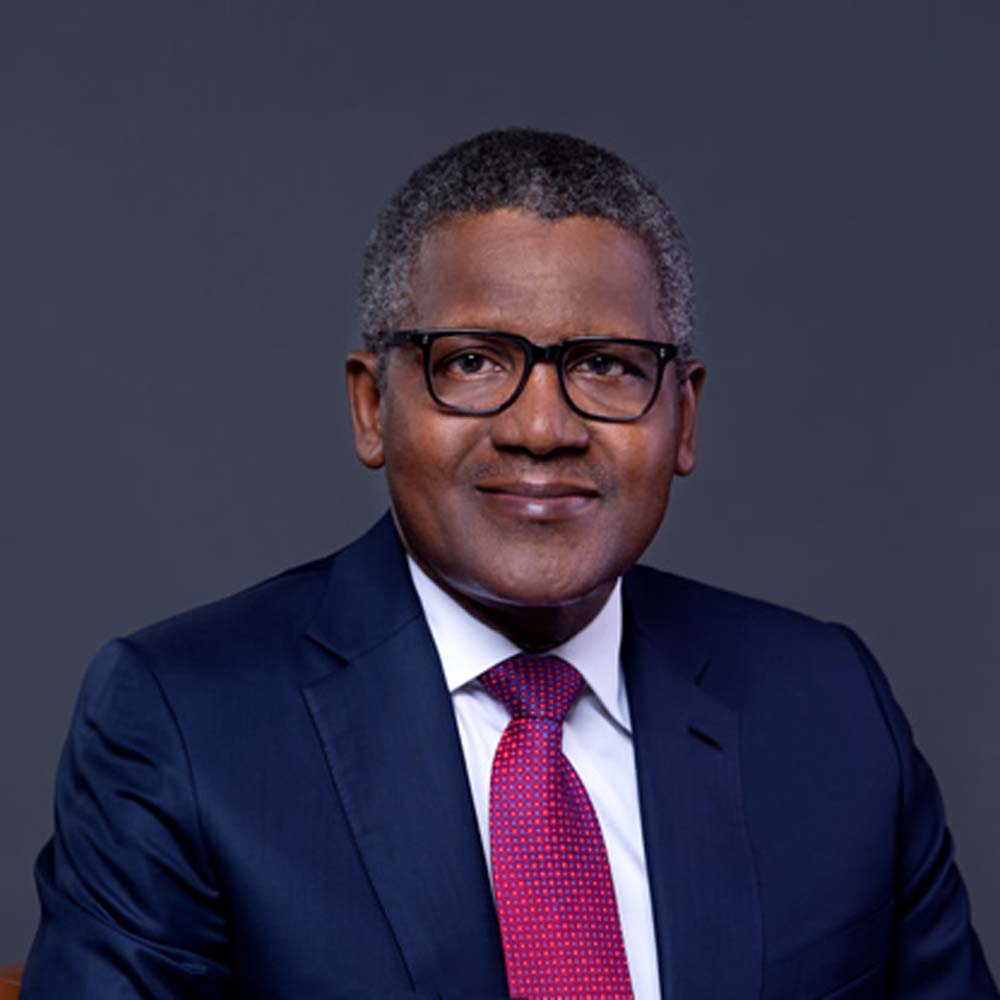
Over one million Nigerians nationwide will receive a 10kg bag of rice each, with the Aliko Dangote Foundation (ADF) distributing the staple food as part of the 2025 Annual National Food Intervention Project.
The initiative, which commenced on Thursday would is estimated at a whooping cost of N16 billion.
During the flag-off of the nationwide distribution in Kano, Chairman of the Foundation, Alh Aliko Dangote, said the distribution of one million bags of 10kg rice to the poor and vulnerable Nigerians in the 774 Local Government Areas (LGA) in Nigeria was in line with the core values of his businesses and the ADF.
Dangote, who was represented by his daughter, Mariam Aliko Dangote said, “This annual initiative, which embodies compassion, solidarity, and shared responsibility, is part of our response to the current economic challenges facing our nation. It reflects our commitment to supporting our communities in line with our core values.”
ALSO READ: BREAKING: Rivers Chief Judge Under Probe For Alleged Age Falsification
He highlighted that the Foundation was kicking off the distribution in Kano State, after which it will proceed to other states, assuring that all arrangements are in place to ensure the food reaches those who need it most in all the LGAs of Nigeria.
Dangote, reputed to be Africa’s wealthiest person opined that food remains a basic human necessity, and this is why the ADF adopted the practice of embarking on a food distribution programme across Nigeria.
“We are collaborating with state governments to ensure that the food reaches the most vulnerable individuals in each state,” he added.
According to Dangote the ADF focuses on improving the living conditions of Nigerians through support for projects which tackle hunger and water supply problems, strengthen the quality and scope of health and education, and promote economic empowerment at the community level.
“Your excellency, I believe that today’s event will help in tackling hunger and helping the most vulnerable people in breaking their fast. We are playing our role in enhancing the living conditions of our people. I urge other industrialists and firms to lend a helping hand in combating hunger through programmes and initiatives that will place food on the tables of vulnerable Nigerians. This job should not be left to the government alone, rather we need a public private partnership that will help us in fighting the scourge.
“I commend the government at all levels for their efforts at addressing the food crisis. I am certain that with time, we shall overcome these challenges, therefore let us support the government to achieve its target of a better life for Nigerians, “he said.
On his part, Kano State Governor, Abba K. Yusuf, who flagged off the National Food Intervention Programme commended the good gesture and said the intervention reflects the unwavering commitment of Alh Dangote in addressing poverty and hunger in Nigeria.
The Governor, who was represented by his Deputy, Comrade Aminu Abdulsalam Gworzo said 120,000 bags of 10kg rice will be distributed across the 44 Local Government Areas of the state.
He described Alh Dangote as humane, adding that: “A similar event took place last year where he personally oversaw the distribution of food stuff to the poor in this very arena.”
To ensure transparency in the distribution process, he said the state government has set up a committee comprising of relevant ministries, CSOs, religious leaders, departments and agencies, local authorities, the Hisbah Board and security agencies.
Managing Director and Chief Executive Officer of the Aliko Dangote Foundation, Zouera Youssoufou, said the Annual National Food Intervention Project is a way of giving back, and supporting governments in fighting poverty and hunger in Nigeria.
She said that Alh Dangote is passionate about philanthropy and committed to ensuring that hunger is wiped out or reduced to the minimum in Nigeria.
“We are going to other states to distribute the products, but we’ve just flagged off in Kano,” she told newsmen on the sideline of the Kano Government House, venue of the flag off.
The Deputy Commander-General of Hisbah Board in Kano, Dr. Mujahid Aminudeen, thanked the ADF for the initiative, urging more Nigerians to emulate Alh Dangote in the humanitarian cause.
He said the Hisbah Board will ensure that the products reach the targeted beneficiaries.
One of the beneficiaries, Ibrahim Ahmed, speaking on behalf of others thanked Alh Dangote for his large heart saying the gift would go a long way in reducing food pressures on them especially during the Ramadan while also praying God to continue to help him in his businesses.
Recall that the ADF has been at the forefront of tackling and ameliorating the impact of natural disasters and health challenges in Nigeria and the rest of the world.
The ADF donated N153million to boost Nigeria’s fight against Ebola Virus Disease in 2014, $3million to the African Union (AU) to help combat the scourge, and N66.66 million to install thermal scanning systems and cameras at Nigeria’s 4 international airports.
During the COVID-19 pandemic, we donated N2billion to the CACOVID Fund, a Private Sector task force in partnership with the Federal Government, the Nigeria Centre for Disease Control (NCDC) and the World Health Organisation (WHO) with the sole aim of combating Coronavirus (COVID-19) in Nigeria.
In support for education, we donated a N1.2bn modern business school edifice to the Bayero University, Kano, a fully equipped 2,160-bed capacity hostel complex to the Ahmadu Bello University, Zaria and a N300 million building to University of Ibadan Business School.
Beyond the shores of Nigeria, the ADF has also recorded milestones with a donation of $1million, to lift victims of two earthquakes that devastated Nepal.
The Central Bank of Nigeria (CBN) is under pressure to suspend its recently introduced increase in Automated Teller Machine (ATM) transaction charges due to the country’s worsening economic conditions.
During Tuesday’s plenary session, Marcus Onobun, a lawmaker representing Esan Central/Esan West/Igueben Federal Constituency in Edo State, raised concerns over the policy through a motion of urgent public importance.
He noted that the CBN’s directive not only increases withdrawal fees but also removes free ATM transactions for customers using other banks’ machines, adding to the financial strain on Nigerians.
SEE ALSO: Direct CBN To Suspend ATM Fee Hike Pending Court Verdict, SERAP Tells Tinubu
According to the new regulations, customers withdrawing from their own bank’s ATMs will still enjoy free withdrawals.
However, those using other banks’ ATMs will now be charged N100 for withdrawals of N20,000 within a bank’s premises. At off-site ATMs, such as those in shopping malls or markets, the charge remains N100, but with an added N500 surcharge.
Onobun, a member of the Peoples Democratic Party (PDP), argued that Nigerians are already struggling with economic difficulties, including high inflation, rising fuel costs, increased electricity tariffs, and multiple banking fees.
He warned that the additional charges could further discourage financial inclusion, particularly among low-income earners, contradicting the CBN’s own agenda.
“The banking sector continues to record significant profits, yet customers are being burdened with more charges without any improvement in service delivery or infrastructure. This is unfair and unacceptable,” he stated.
Following his motion, Speaker Tajudeen Abbas put the matter to a voice vote, and lawmakers overwhelmingly supported it.
As a result, the House of Representatives called on the CBN to immediately halt the implementation of the policy until further consultations are held with relevant banking and finance committees.





Stop EFCC From Selling My Assets – Diezani Tells Court

Kano Gov Threatens To Reclaim Vacant Homes In Kwankwasiyya, Others

BREAKING: APC Urges El-Rufai To Salvage Some Responsibility

GTI Eager To Uplift Nigerian Football — Lawal

Edo Considers Arresting Sponsors Of Armed PDP Thugs