
Business
Character Assassination: Akpabio Risks N25bn Lawsuit From Emefiele

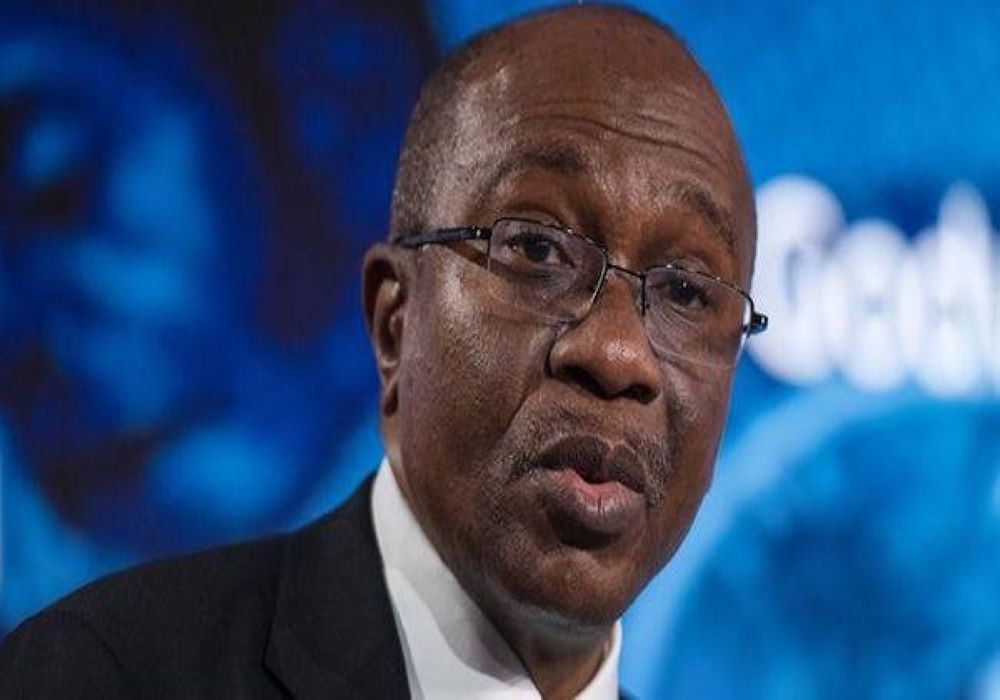
The embattled former Governor of the Central Bank of Nigeria (CBN), Godwin Emefiele, is on the verge of suing the Senate President, Godswill Akpabio, for alleged character assassination.
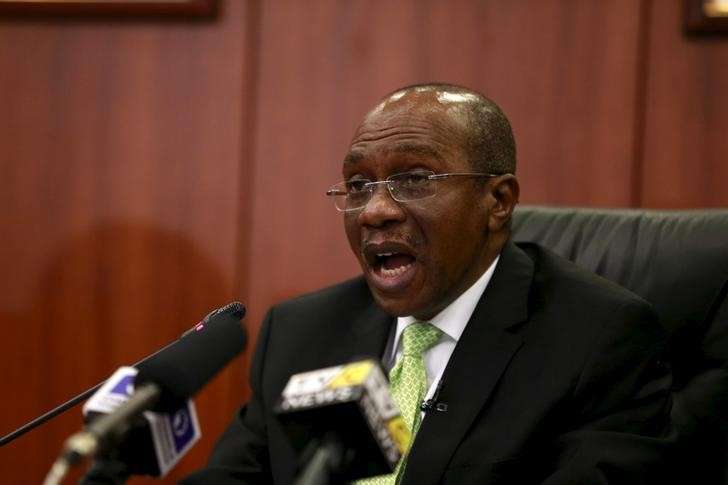
Biztellers reports that Sen Akpabio on February 18, alleged that the President Bola Ahmed Tinubu’s administration was at sea on the charges to press against Emefiele.
He opined that the ruling All Progressives Congress (APC) was confounded with the level of economic mess it inherited, which is traceable to Emefiele.
Sen Akpabio spoke at at Sen Barinada Mpigi’s thanksgiving service in Koroma, Tai Local Government Area, Rivers State.
The camp of the deposed CBN governor is irked by the Senate President’s utterances and have given him the options of formally tendering an apology or facing legal action for defamation of character.
Emefiele made his position known in a letter through his lawyer, Mathew Burkaa (SAN).
The letter was dated February 19, 2024.
According to Emefiele, the legal meaning of Sen Akpabio’s view is that the former CBN governor was a serial offender whose action had given rise to the untold hardship visiting Nigerians.
The letter partly read, “We are solicitors to Dr. Godwin Ifeanyi Emefiele, the former Governor of the Central Bank of Nigeria (hereinafter referred to as “Our Client”), on whose brief and instruction, we write this letter.
“The above statement, whether taken in their ordinary, figurative, or literal meaning portrayed our Client as:
“The cause of the entire hardship in Nigeria today is as a result of the policies of the previous administration.
“A serial offender whose action is responsible for all the hardship experienced by Nigerians today.
“A person who has committed offences that are so numerous that the government is confused as to which of the offences to prefer a charge against him.”
According to Emefiele, the thoughts expressed by Sen Akpabio undermined the integrity of the court and its independence, which made it detrimental to his ongoing trial.
“As the President of the Senate of the Federal Republic of Nigeria, you certainly know, or have reasons to know that the Federal Government of Nigeria had since August 14, 2023, preferred charges against our client to which he had long pleaded not guilty and is presently defending same to exonerate himself and show that he is not guilty of the said allegations.
“It is therefore disturbing, that such a statement would be made by the Head of the Legislature of the Federal Republic of Nigeria on a matter that is clearly subjudice.
“Your statement, with the greatest respect, clearly undermines the honour and integrity of the Court and its independence and indeed has the propensity of prejudicing the case against our Client.
“Having submitted to the jurisdiction of the Court, it is only fair and proper that the Court should be allowed to determine the issues submitted to it without unnecessary pressure from any other arm of Government,” he stated.
Emefiele also averred that since Sen Akpabio served as a Minister under the President Mohammadu Buhari administration, holding him solely responsible for hardship ravaging Nigeria was atrocious.
He added that without the approval of the President and/or the Federal Executive Council (FEC) of which Sen Akpabio was an influential member, he could not have done the things, the Senate President now accuse him of.
Emefiele said, “Secondly Sir, as a Senior member of the Bar, a former Governor of a State, A Senator of the Federal Republic of Nigeria, and a former Minister under the immediate past Administration, Your statement attributing the present economic woes of the country solely on our Client is most appalling and exposes the inaccuracies in your assertions, especially, as you were a major player in the immediate past administration and worked closely with our Client and indeed witnessed the innovations he introduced in the banking sector and its impact on the economy whilst in office, as well as the role he played despite all odds in salvaging Nigeria in the P & ID Saga and the positive result it brought for Nigeria.
“You are also aware that no single policy was carried out by our Client without the approval, directive, or authorization of the President and/or the Federal Executive Council of which you were a key and powerful member.”
Consequently, he demanded that Sen Akpabio should immediately retract his statement or be ready to meet him in court.
“It is pursuant to the above and without delving into the matter presently pending in Court that our Client has instructed that we write to your good offices and demand the immediate retraction of your statement which has gone viral and is considered defamatory of our Client;
“These baseless and false allegations defame the character of our Client and have also caused him great pains and embarrassment as it has lowered his esteem before the right-thinking members of the society in addition to the obvious odium and opprobrium from the unsuspecting members of the society as a result of the falsity contained in that statement.
“We, therefore have our Client’s further instruction to demand from you an unreserved apology in writing, published and circulated by the same medium with which you have defamed his character, and the sum of N25,000,000,000 as reasonable compensation for the willful and unjustifiable denigration of his hard-earned reputation.
“If you fail, refuse, or neglect to comply with this legitimate demand, our Client will be at liberty to seek the appropriate redress available to him under the laws of the Federal Republic of Nigeria,” it added.



Sahara Energy Geneva has highlighted the power of business collaboration to deliver lasting impact, with Mercy Ships Cargo Day celebrating more than $20 million raised over the past decade to support healthcare interventions in Africa.
More than 500 guests from over 150 shipping and trading companies gathered in Geneva recently for the 10th anniversary Gala of Mercy Ships Cargo Day, celebrating a decade of industry support for the international charity.
David Walker, Head of Chartering at Sahara Energy Geneva and Chairman of the Cargo Day Geneva Committee, joined industry leaders at the event, where he thanked the global shipping community, sponsors, media partners and Cargo Day committees in Geneva, London, Houston, Dubai and Singapore for supporting the initiative.
Cargo Day brings together charterers, shipowners, shipbrokers, and other shipping professionals who contribute through pledges, cargo commissions, and address commissions to support the work of Mercy Ships.
READ ALSO: 30 Nigerians Bag Postgraduate Scholarship from NNPC Ltd, Eni
Kola Motajo, Director, Sahara Geneva said Sahara’s involvement reflects the company’s belief in the ability of enterprise and partnerships to deliver impact beyond business.
“At Sahara, our focus is always on impact and lives transformed. Cargo Day demonstrates what is possible when businesses and individuals unite around a shared purpose. The $20 million milestone reflects the collective commitment of the global shipping community to improving healthcare in Africa. As Sahara looks Beyond XXX, we remain committed to building connections that create lasting value and possibilities for generations to come,” Motajo said.
Reflecting on Cargo Day’s growth, Walker said: “Ten years ago, we raised $300,000 and there were 70 people at the Gala. Today, we have more than 500 people coming from around the world to support such a great cause.”
Cargo Day 2025 raised more than $2.5 million, with 93 companies participating, including charterers, brokers, shipowners, and other partners.
Mercy Ships operates two hospital ships supporting patients in Africa with free life-changing surgeries, while also providing training and mentoring for local healthcare professionals. Cargo Day funding contributes to expenses associated with operating the hospital ships.
The 2026 Cargo Day campaign begins November 4 and will run through November and December, with companies participating through Mercy Cargoes, address commissions and pledges.

Up to 30 Nigerian graduates have bagged postgraduate scholarships to pursue further studies both locally and in the Diaspora.
According to the Nigerian National Petroleum Company Limited (NNPC Ltd) and Italian energy company, Eni have awarded postgraduate scholarships
The beneficiaries emerged from more than 3,000 applicants following assessments of their academic records and performances in a recently conducted computer-based test (CBT).
The awards are under the 2026/2027 Postgraduate Scholarship Scheme of Nigerian Agip Exploration Limited (NAE), an Eni subsidiary, on behalf of the NNPC-NAE Production Sharing Contract (PSC) partners.
In a statement, NAE’s Vice Chairman and Managing Director, Maurizio Pinna, said the initiative was designed to develop local talent and equip young Nigerians with skills relevant to the oil and gas industry. Pinna congratulated the beneficiaries, noting that the scholarships would enable them to pursue their academic ambitions and achieve their career goals.
According to NAE, the programme reflects its commitment to education, innovation and capacity building in Nigeria.
The company urged the beneficiaries to make good use of the opportunity by acquiring valuable knowledge and skills that would contribute to national development, particularly in the energy sector.
Ten of the awardees will undertake postgraduate studies in universities abroad, including Imperial College London, Robert Gordon University in Aberdeen, Newcastle University, the University of Aberdeen and the University of Hull in the United Kingdom.
READ ALSO: Navy Recovers 98,000 Litres of Suspected Stolen Crude in Rivers
The remaining 20 beneficiaries will study at Nigerian universities in fields including engineering, geosciences, petroleum and environmental technology, energy economics, renewable energy and energy transition.
Established in 2007, the NNPC-NAE PSC postgraduate scholarship scheme is part of the partners’ human capital development programme aimed at promoting specialised knowledge and addressing skills shortages in Nigeria’s deep offshore oil and gas operations.
NAE said 380 Nigerian graduates had benefited from the scheme since its inception, gaining knowledge and skills required by the oil and gas industry.
Beyond education, Eni, through NAE, has implemented sustainability initiatives in Nigeria covering healthcare, access to water, infrastructure and community empowerment.
Eni has operated in Nigeria since 1962 and currently has an equity production of about 55,000 barrels of oil equivalent per day. The company also holds a 10.4 per cent stake in Nigeria LNG.
NAE was incorporated in 1996 to manage Eni’s deep offshore exploration and production assets. It became the first oil and gas company in Nigeria to produce oil from the country’s deep offshore when its Abo floating production, storage and offloading (FPSO) vessel began operations in 2003.
The company has interests in nine offshore blocks in Nigeria, either as operator or co-venturer, including PML 102 and PML 103, where the Zabazaba-Etan fields are being developed.
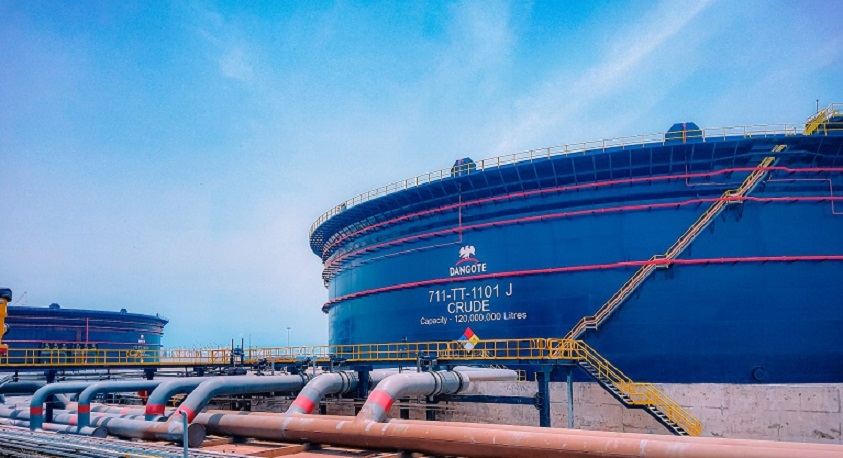
The Dangote Petroleum Refinery and Petrochemicals’ (DPRP) decision to seek leave to appeal a Federal High Court (FHC) judgment directing the Nigerian Midstream and Downstream Petroleum Regulatory Authority (NMDPRA) to continue issuing petroleum product import licences to three major oil marketers is being backed by the Energy Watchdog.
This was detailed in a statement by Martins Tayo, which considers the move as necessary to protect Nigeria’s domestic refining industry and reduce dependence on imported petroleum products.
The judgment, delivered on September 28, 2026, by Justice Inyang E. Ekwo in Suit No. FHC/ABJ/CS/1363/2026, ordered the NMDPRA to continue issuing import licences to Matrix Energy, AA Rano and AYM Shafa.
The Energy Watchdog argued that the ruling undermined the objectives of the Petroleum Industry Act (PIA) and threatened investments in domestic refining capacity.
“We completely reject and condemn in totality the judgment of the lower court. It is a deeply flawed decision that disregards the clear intent of the Petroleum Industry Act and the national interest in building a robust domestic refining industry,” the statement said.
READ ALSO: NNPC Petrol Discount: Oyedele Explains How Lower Margins Could Boost Profits
The group further cited a reported decline in petrol imports in the first quarter of 2026, alongside increased supplies from local refineries, particularly the Dangote facility, as evidence of the country’s growing domestic refining capacity.
It argued that sustaining import licences despite rising local production could undermine efforts to achieve self-sufficiency in refined petroleum products and weaken investor confidence in the sector.
According to the organisation, Dangote Refinery’s decision to seek leave to appeal as an interested party was timely, given the potential implications of the judgment for the future of Nigeria’s downstream petroleum industry.
“The lower court’s decision amounts to a judicial endorsement of continued importation irrespective of local capacity.
“We condemn it without reservation because it threatens to reverse the hard-won gains of the last few years,” Tayo stated
The Energy Watchdog maintained that the Petroleum Industry Act was designed to encourage investment in midstream and downstream infrastructure, warning that allowing the ruling to stand could send a negative signal to investors who have committed substantial resources to domestic refining projects.
The group urged the Court of Appeal to grant the DPRP leave to appeal and ultimately set aside the FHC’s order, describing the case as significant to Nigeria’s energy security and the development of its refining industry.
“Any judgment that forces the continued importation of fuel products when local refineries can supply the market is a setback for Nigeria.
“We condemn the lower court ruling in the strongest terms and fully support the appeal filed by Dangote Refinery,” the statement concluded, “The Court of Appeal must correct this error and reaffirm that the era of automatic import licences is over.”





Sahara Champions Global Shipping Collaboration for $20m Mercy Ships Healthcare Impact

30 Nigerians Bag Postgraduate Scholarship from NNPC Ltd, Eni

2027: ‘Algorithms Will Not Decide Election Results’, INEC Chairman Declares

Navy Recovers 98,000 Litres of Suspected Stolen Crude in Rivers

DPRP’s Appeal Against Fuel Import Licence Ruling Earns Stakeholder Backing

State Govs, Wike Endorse One-Party State, Join APC Campaign Council

Trump’s Family Unveils New Cryptocurrency Platform

Senate Denies Receiving Petitions Against Tinubu’s Ambassadorial Nominees

Dangote Cement Lights Up Benue Host Communities With CSR Initiatives

Reps Recommend 3-year Jail Term For Aviation minister

Tems Sets New Record On Billboard Hot 100 Chart
