
Other News
Chief Mediator asks Darfur non-signatory movements to explore ways forward for the peace process


ADDIS ABABA – The African Union-United Nations Joint Chief Mediator for Darfur, Dr. Mohamed Ibn Chambas, has strongly urged the Darfur non-signatory movements to explore ways to move the peace process forward, stating that the only way to end the conflict in Darfur is through a peaceful and negotiated settlement.
Addressing delegations of the Sudan Liberation Army / Mini Minawi (SLA/MM) and the Justice and Equality Movement / Gibril Ibrahim (JEM/Gibril) during the opening session of the All Inclusive Peace and Security in Darfur Technical Workshop, which commenced on 9 December in Addis Ababa, Ethiopia, Dr. Chambas said: “This workshop is an opportunity to come up with a clear roadmap for engagement.”
The workshop, co-organized by the AU-UN Joint Mediation Support Team and the Intergovernmental Authority on Development (IGAD), is designed to discuss issues related to international humanitarian law and human rights. It is scheduled to conclude on 11 December.
 The Chair of SLA/MM, Mr. Mini Arko Minawi, explained that his group already signed the Abuja Agreement in 2006 and assured those present of his movement’s peaceful intentions. “We came here consciously to sit together and offer our ideas for peace,” Mr. Minawi added.
Speaking on behalf of JEM/ Gibril group, the Chairman of the legislative assembly Dr. Tahir El-Faki, said he regrets that the conflict in Darfur has lasted 10 years. “We want a peaceful and negotiated settlement,” he noted. “We are committed to listening and engaging positively, but not at all costs.” Mr. Gibril Ibrahim arrived in Addis Ababa after the opening ceremony and joined the workshop later in the day.
The opening session of the technical workshop, which started with a minute of silence in respect of the death of former President of South Africa, Nelson Mandela, was attended by Ambassador Sajo Jalow, Current Chairperson of the African Union Peace and Security Council, Ambassador Salomon Abebe, Director of the African Department at the Ministry of Foreign Affairs of Ethiopia, Ambassador Twolde G. Redda, Director of Peace and Security in IGAD and Ambassador Mahmood Khan from the African Union Commission.

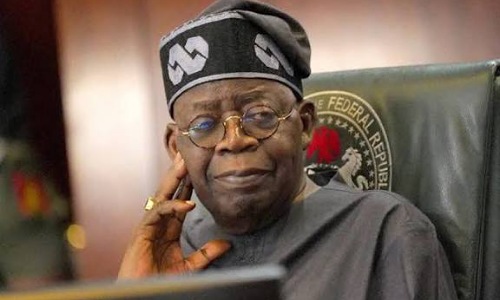
The Social Democratic Party (SDP) and the Inter-Party Advisory Council (IPAC) have disclosed details of their recent closed-door meeting with President Bola Tinubu, explaining that the engagement focused on strengthening Nigeria’s democratic process ahead of the 2027 general elections.
The clarification came amid speculation surrounding the meeting, which took place at the Presidential Villa in Abuja after leaders of several opposition parties attended an Iftar dinner hosted by the president earlier in the week.
ALSO READ: NNPC Secures Tinubu’s Approval for $20bn FID on Bonga Deepwater Project
Speaking during a gathering hosted in Abuja by the SDP’s former presidential candidate, Adewole Adebayo on Friday, the party’s National Chairman, Prof. Sadiq Gombe, said the meeting with Tinubu followed an official invitation from the Presidency and lasted about an hour.
According to Gombe, the discussion centred on the need to strengthen Nigeria’s electoral laws and restore public confidence in the country’s electoral process ahead of the 2027 polls.
He explained that the meeting provided an opportunity for party leaders to remind the president of the importance of conducting transparent, free, and credible elections.
Gombe noted that democracy can only thrive when governments listen to the concerns of citizens and ensure electoral processes that guarantee fairness and accountability.
The SDP chairman also expressed concern over growing voter apathy, pointing to the low turnout recorded in the recent Area Council election in the Federal Capital Territory.
He said the Abuja Municipal Area Council election witnessed only about seven per cent voter turnout, which he described as a clear sign that many Nigerians are losing confidence in the electoral system.
Gombe urged the government and members of the National Assembly to take urgent steps to review electoral laws and rebuild public trust in Nigeria’s democracy.
Also speaking, the National Chairman of IPAC, Dr. Yusuf Dantalle, said political parties used the meeting to raise concerns about aspects of proposed electoral reforms, particularly issues related to indirect primaries and the mandatory electronic transmission of results.
Dantalle explained that the parties appealed to the president to use his influence to encourage legislative review where necessary, noting that reforms should strengthen, rather than complicate, the democratic process.
He expressed optimism that Tinubu would consider the concerns raised and support necessary amendments that would improve the electoral system.
The IPAC chairman also called on the Independent National Electoral Commission (INEC) to strictly adhere to electoral guidelines as preparations for the next election cycle begin.
Earlier in his remarks, Adebayo cautioned political actors against turning the 2027 general elections into a do-or-die contest, stressing that the primary goal of democracy should be the progress and stability of Nigeria rather than personal political victories.
He urged leaders across political parties to encourage citizens to actively participate in the democratic process and ensure that elections are conducted peacefully and transparently.
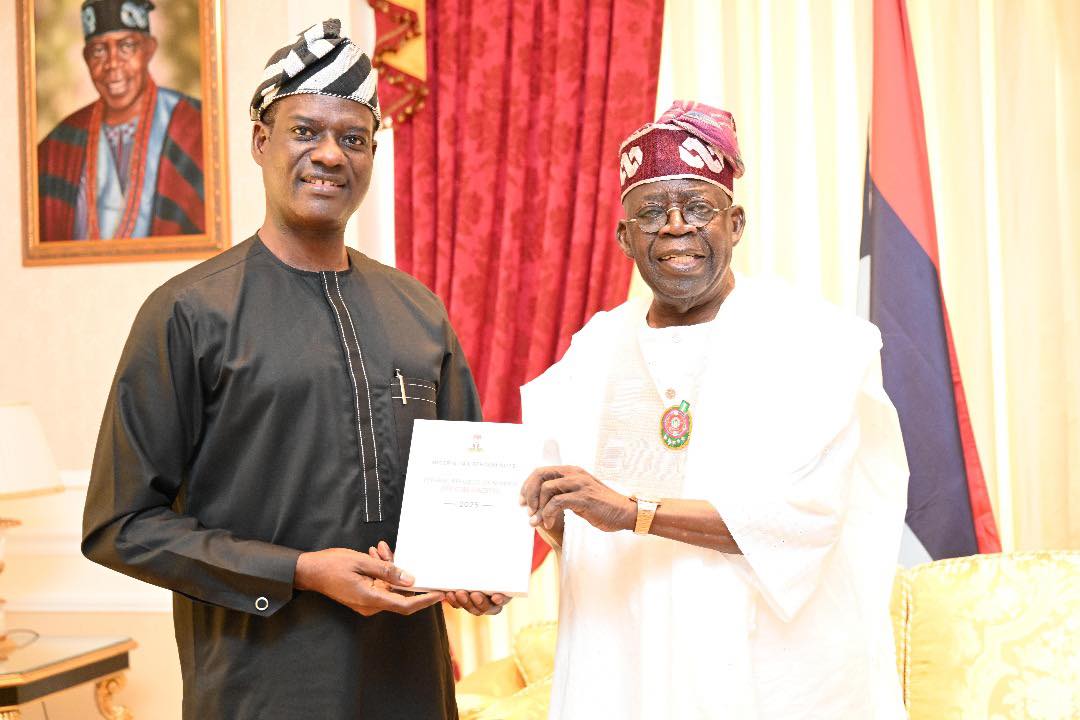
President Bola Tinubu and Mr. Taiwo Oyedele during his nomination on Wednesday.






Airfares Likely to Rise as Aviation Fuel Price Spikes by 80%

Shell Completes Turnaround Maintenance on FPSO, Resumes Production at Bonga

Sahara Group expands fleet with new 40,000 cbm LPG Carrier

NATO Shoots Down Third Iranian Missile in Turkey

Inside Tinubu’s Closed-Door Meeting With Opposition Leaders – SDP, IPAC Reveal Details

Defections Won’t Break PDP in Sokoto, Says Former Senator Gada

Trump’s Family Unveils New Cryptocurrency Platform

Reps Recommend 3-year Jail Term For Aviation minister

Dangote Cement Lights Up Benue Host Communities With CSR Initiatives

Senate Denies Receiving Petitions Against Tinubu’s Ambassadorial Nominees

Things To Know About Threads, Zuckerberg’s Twitter-like App
