
Business
Conoil Shareholders Share N1.73bn Dividend

Conoil Plc is to pay N1.73 billion as dividend to its shareholders, for the 2022 financial year, which translates to N2.50 per share.
This was contained in a statement issued at the weekend by the weekend, after its 53rd Annual General Meeting (AGM) in Uyo, Akwa Ibom State.
It noted that despite the developmental challenges in the country and the tough operating environment, it grew Profit Before Tax (PBT) by 60.1 percent to N6.13bn in 2022 from N3.83bn in 2021, while Profit After Tax (PAT) increased by 60 percent from N3.08 bn to N4.96 billion in the same period.
The statement has it that Conoil Plc’s gross earnings rose by 5.1 percent to N145.8bn for the 2022 financial year from N138.2bn in the corresponding period of 2021.
With the improvement in profitability in the petroleum-marketing subsector, Conoil’s earnings per share rose to N7.14, representing a 60.8 percent increase over the N4.44 earned in 2021.
It was gathered that the shareholders at the company’s AGM unanimously approved the proposed final dividend payout of N1.73bn.
Chairman, Conoil Plc, Mike Adenuga, in his address to the shareholders at the meeting, said that the company remained motivated to create excellent value for its shareholders, while also ensuring that its share price remains on the rise.
He said, “We have shown a consistent ability to improve our operating margin and grow our volumes across all our locations. We have a great brand portfolio with energised and talented personnel with a reach, pan-Nigerian.
“Our overriding goal is to ensure the continued delivery of excellent services to our customers and ultimately ensure that our shareholders are rewarded.
“Conoil Plc plans to consolidate on the progress made in the previous years to deliver a strong and sustainable performance that enhances returns to our shareholders.
“Regardless of the odds, the company is marching forward in the year with confidence and optimism, as it strategically and continuingly positions its business to take advantage of key opportunities.”
On the future, the Conoil Chairman noted that while there might be challenges posed by the rapidly changing geopolitical and socio-economic environment, Conoil would, however, concentrate on the strategies that have given it the greatest dividend.
The Federal Government, he said, had begun critical reforms such as the elimination of the petrol subsidy and reforms in the foreign exchange market.
Based on these, Adenuga said Conoil would concentrate on the strategies that have given it the greatest dividend.
“The Company will grow its earnings, improve profitability and asset quality and deliver competitive returns to its esteemed shareholders,” he said.





Reports alleging that $2.04 billion generated from crude oil cargoes lifted by Duke Oil Company Incorporated, now NNPC Trading S.A., was missing or unaccounted for are unfounded.
State oil major, the Nigerian National Petroleum Company Limited (NNPC Ltd) Limited made the assertion in dismissing the reports, adding that all proceeds from the crude cargoes were fully accounted for.
In a statement on Tuesday, it highlighted that the absence of separate dollar receipts for some transactions was due to an agreed settlement arrangement under the Direct Sale Direct Purchase (DSDP) programme.
Chief Corporate Communications Officer, NNPC Ltd, Andy Odeh, pointed out that the $2.04 billion represented the gross value of 29 crude cargoes, whose proceeds were set off against the cost of refined petroleum products supplied under the programme.
READ ALSO: Decade of Gas: NLNG Hosts 35 Young Professionals at Bonny Facility
Under the DSDP arrangement, Duke Oil and other participating traders lifted crude oil in exchange for refined petroleum products, including petrol, for the Nigerian market.
The company explained that while crude oil was priced in dollars, the supplied petroleum products were sold in naira, with the value of products delivered reconciled against the corresponding crude oil value.
It said the transactions were fully captured in the audited financial statements of the relevant entities.
The NNPC Ltd further argued that the reports themselves acknowledged that all 59 cargoes were accounted for and reconciled with their respective beneficiaries.
According to the company, 30 cargoes were paid for in dollars, while proceeds from 28 cargoes, valued at approximately $1.96 billion, were remitted in naira to the NNPC Group Treasury or NNPC Upstream Investment Management Services (NUIMS) accounts.
It added that the remaining cargo, a February 2023 Bonga tax-oil lifting valued at approximately $75.9 million, was paid directly into the then-designated dollar account of the Federal Inland Revenue Service (FIRS).
On concerns surrounding Duke Oil’s relationship with the NNPC Ltd, the company said the subsidiary was incorporated in 1989 as a wholly owned trading subsidiary, adding that its ownership had been consistently documented in its corporate history, audited financial statements and the 2023 Nigeria Extractive Industries Transparency Initiative (NEITI) industry report.
It maintained that using a dedicated trading subsidiary was standard practice in the global oil industry, stressing that all inter-company transactions were properly disclosed as related-party transactions in line with International Financial Reporting Standards (IFRS).
The statement read: “NNPC Limited states categorically that no sum is missing, unaccounted for, or unpaid, in respect of crude cargoes lifted by Duke Oil Company Incorporated, now NNPC Trading S.A., under the Direct Sale Direct Purchase (DSDP) programme.
“30 cargoes were paid in US dollars, 28 cargoes (valued at approximately US1.96billion) were remitted in Naira to the NNPC Group Treasury or NNPC Upstream Investment Management Services (NUIMS) accounts and the remaining cargo (a February 2023 Bonga tax-oil lifting valued at approximately US75.9 million) was paid directly into the then designated Federal Inland Revenue Service (FIRS) dollar account.”
The NNPC Ltd reaffirmed its commitment to transparent financial reporting and accountability in crude oil liftings, product deliveries and remittances to beneficiaries.
It, however, warned against what it described as false or misleading publications capable of damaging the reputation of the company and its subsidiaries, saying it reserved the right to take legal action against those responsible.
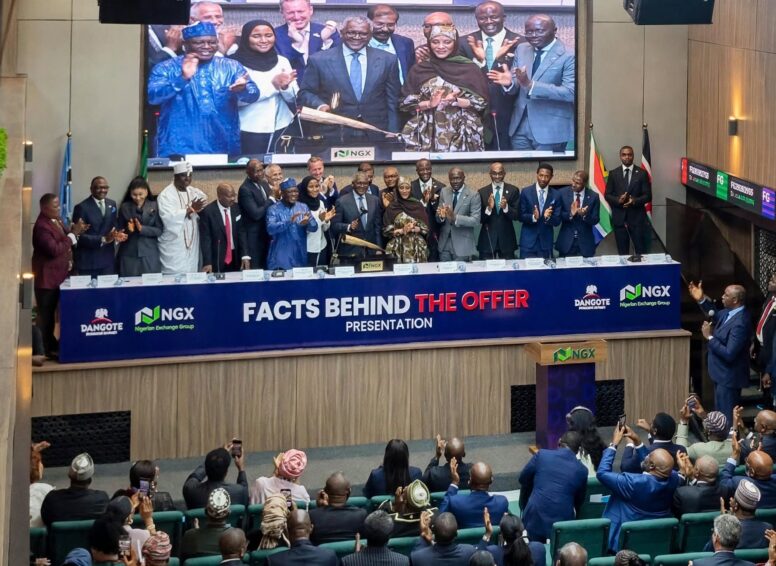
The Dangote Petroleum Refinery and Petrochemicals (DPRP) is focused to list its N2.73 trillion ($2 billion) Initial Public Offering (IPO) on the Nigerian Exchange (NGX) in early December.
This is coming on the heels of the approval by the Securities and Exchange Commission (SEC) of its share allotment plan.
The regulatory approval clears the way for the refinery to distribute shares to successful applicants and proceed with preparations for its stock market debut, after weeks of waiting by investors following the closure of the offer on October 27.
The allotment schedule provides for the distribution of 5.196 billion shares at N525 each, representing approximately N2.73 trillion, according to information reported by Billionaires.Africa.
The offer attracted 3,779,362 subscribers who applied for a total of 11.15 billion shares, more than twice the number available, underscoring strong investor demand for an opportunity to acquire stakes in Africa’s largest privately owned oil refinery.
The allocation plan showed that approximately 3.2 million applicants sought 100 shares or fewer, while investors in all subscription categories up to 10 million shares were expected to receive their full requests. The scaling back would affect the largest applications, involving just 41 investors who sought more than 10 million shares.
The original offer comprised 4.1 billion shares valued at approximately N2.15 trillion, or $1.58 billion, with provision for an additional 30 per cent issuance to accommodate excess demand.
READ ALSO: Eyesan Hinges Meeting 3mbpd Target on Education, Research
The 5.196 billion shares covered by the allotment schedule therefore reflect the exercise of most of that additional issuance option. Pan-African Refinery Investment, a Mauritius-registered investment vehicle, had also committed up to $400 million to the offer.
Reuters reported that the SEC approved the allotment plan on Monday, November 23, following an extended waiting period. It said the approval would allow the refinery to proceed with share allocation and preparations for a stock market debut expected later this month.
The revised timetable indicates that trading could commence in early December, although the exact listing date has not been formally confirmed.
Shares are expected to be credited to successful investors’ accounts with the Central Securities Clearing System within 15 business days after allotment, while refunds for unsuccessful or partially successful applications are due within five business days of the allotment announcement.
Africa’s richest man, Aliko Dangote, who owns approximately 87.3 per cent of the refinery before the offer, is expected to see his stake decline to about 84 per cent following the issuance of the new shares.
The regulator is also reviewing a separate proposal for Dangote to sell part of his personal shareholding to institutional investors whose orders could not be fully accommodated in the IPO.
Dangote had promoted the offer as a people’s IPO, designed to allow ordinary Nigerians to participate in the ownership of the 650,000-barrel-per-day refinery located in the Lekki area of Lagos.
Investors were allowed to subscribe for as few as 10 shares, requiring a minimum investment of N5,250, through fintech platforms and other digital investment channels.
Built at an estimated cost of $20 billion, the refinery commenced operations in 2024 and has become a major player in Nigeria’s petroleum products market. The facility currently has a processing capacity of 700,000 barrels per day, with plans to expand it to 1.4 million barrels by 2029.
At the IPO price of N525 per share, the refinery’s implied valuation stands at approximately N65.2 trillion, equivalent to about $47.8 billion, based on an exchange rate of N1,365 to the dollar.
The Nigerian Midstream and Downstream Petroleum Regulatory Authority (NMDPRA) has commended the Nigeria LNG’s regulatory compliance and significant contributions to Nigeria’s economy.
The Authority Chief Executive, Rabiu Abdullahi Umar, who described the NLNG as a responsible corporate citizen and a source of national pride, gave the commendation during his first visit to the company’s plant on Bonny Island, Rivers State.
Umar was received by the company’s Managing Director and Chief Executive Officer, Adeleye Falade.
The visit provided an opportunity to discuss regulatory requirements, safe and reliable operations, and the investments needed to sustain NLNG’s contributions to Nigeria’s domestic gas market and international liquefied natural gas (LNG) supply.
READ ALSO: Sahara’s MT Asharami Geneva to Boost Africa’s LPG Supply
Umar explained that NMDPRA’s mandate was to ensure that operations were conducted consistently and transparently in line with required standards. He emphasised that the Authority remains firm in regulation, fast in decision-making and fair in its conduct.
He expressed the Authority’s readiness to collaborate with NLNG to support the company’s efforts to expand production capacity and increase gas supply to the domestic market, including by providing an enabling regulatory environment for the development of additional production trains.
“Our engagement with operators is important to ensuring that regulatory requirements are understood and possible concerns are addressed early. For the gas industry, maintaining these standards while creating the enabling environment that supports responsible investment and reliable supply is essential to Nigeria’s energy security and economic development,” he said.
Welcoming the delegation, Falade said the visit offered an opportunity to build on previous engagements and provide a first-hand understanding of the scale, complexity and demands of managing NLNG’s infrastructure, sustaining production, meeting regulatory obligations and delivering reliably to customers.
He noted that NLNG had played a defining role in Nigeria’s gas commercialisation since its first LNG cargo departed Bonny Island in 1999.
He added that the company has helped establish Nigeria as a reliable supplier in the international LNG market while generating significant revenue for the country with six operational trains and an installed production capacity of 22 million tonnes per annum,
Falade explained that sustaining this contribution depended on an integrated value chain supported by feedgas security, asset integrity, process safety and shipping reliability.
These, he said, were essential to meeting long-term commercial commitments in an increasingly competitive global energy market.
On the company’s growth plans, he said Train 7 was 95 per cent complete and would increase NLNG’s installed production capacity to approximately 30 million tonnes per annum.
He described the project as a strategic investment in Nigeria’s energy future, strengthening the company’s ability to meet global demand and expand the country’s participation in international gas trade.
He added that the investment reflected NLNG’s confidence in Nigeria’s gas potential, he acknowledged that feedgas constraints and infrastructure challenges required sustained attention, coordinated action and investment across the gas value chain.
Turning to domestic energy needs, Falade reiterated that NLNG dedicates 100% of its liquefied petroleum gas (LPG) production to the Nigerian market. He said this commitment supported access to cleaner household cooking gas, thereby reducing dependence on traditional cooking fuels, such as firewood, and guaranteeing sufficient availability of LPG for Nigerian consumers.
He stressed that NLNG’s role extended beyond supplying international markets, with the company also focused on ensuring that Nigeria’s natural gas resources delivered tangible benefits to its people and economy.
Falade said a productive relationship with NMDPRA was important to sustaining these investments and commitments. He acknowledged the Authority’s responsibility to uphold regulatory standards and safeguard operational integrity across the midstream and downstream sectors.
“An effective regulatory environment is essential not only to sustaining existing operations but also to unlocking the investments and partnerships required to realise Nigeria’s gas ambitions. We therefore remain committed to constructive engagement and collaboration with the Authority in advancing the development of the country’s gas sector,” he said.
Falade also highlighted NLNG’s Decarbonisation Roadmap and longer-term development aspirations, alongside its priorities of sustaining reliable production, supporting domestic energy security and managing its environmental responsibilities.
He recognised the competence and commitment of the teams responsible for the facilities as central to maintaining operational performance and the confidence of customers and stakeholders.
NMDPRA regulates Nigeria’s midstream and downstream petroleum operations, including monitoring and enforcing compliance with the conditions of licences, permits and authorisations issued by the Authority.
NLNG remains committed to constructive engagement with relevant authorities, with safety, regulatory compliance and operational excellence central to its business as it harnesses Nigeria’s natural gas resources to support economic growth and improve lives sustainably.


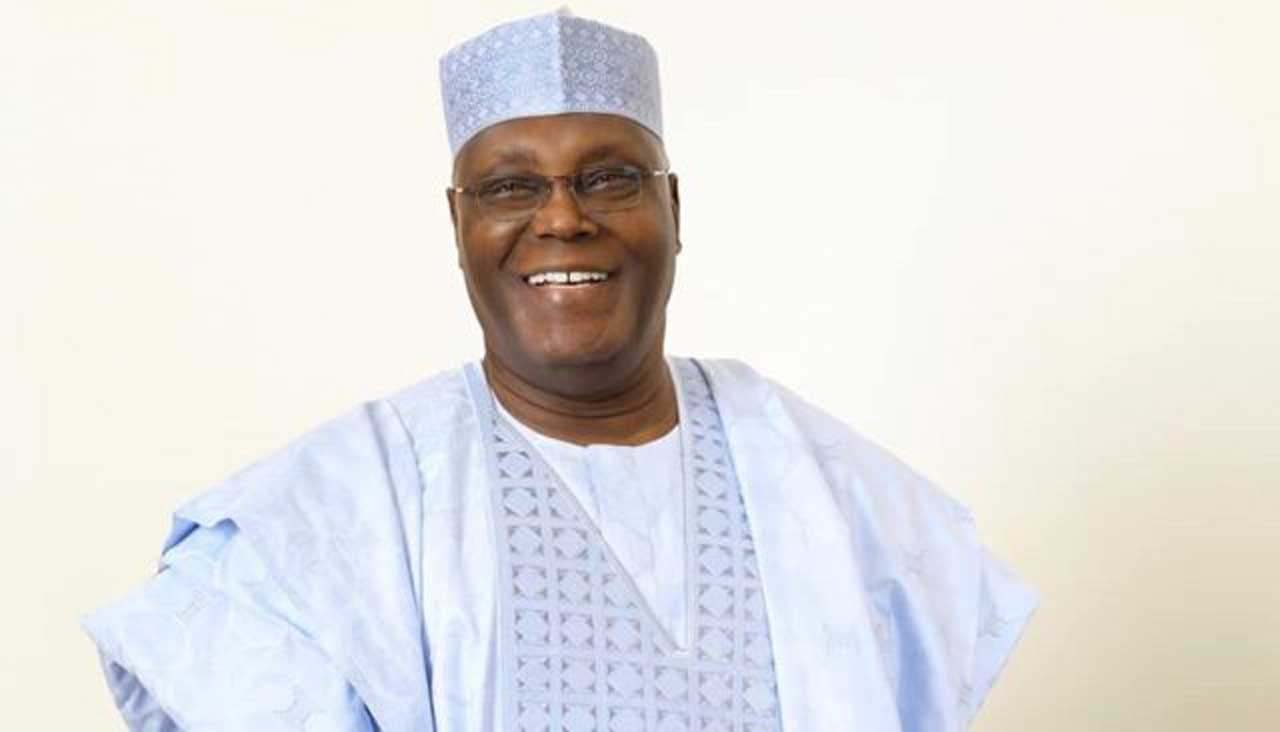
Atiku Blasts Tinubu Over ₦842bn Energy Bill, Says Nigerians Can No Longer Afford Homes

Shettima Mourns Pete Edochie, Says Africa Has Lost a Custodian of Cultural Memory

NNPC Ltd Claims $2.04bn Fully Accounted for

Decade of Gas: NLNG Hosts 35 Young Professionals at Bonny Facility

‘Nigeria Has Lost a Giant’ – Tinubu Pays Tribute to Pete Edochie

Veteran Nollywood Actor Pete Edochie Dies at 79

Trump’s Family Unveils New Cryptocurrency Platform
Senate Denies Receiving Petitions Against Tinubu’s Ambassadorial Nominees

Dangote Cement Lights Up Benue Host Communities With CSR Initiatives

Reps Recommend 3-year Jail Term For Aviation minister

Tems Sets New Record On Billboard Hot 100 Chart
283837 16957Be the precise blog if you have wants to learn about this subject. You comprehend considerably its practically onerous to argue to you (not that I personally would needHaHa). You undoubtedly put a new spin for a subject thats been discussing for some time. Nice stuff, merely good! 269841
164129 218261A lot of thanks for this specific information I was basically browsing all Search engines to discover it! 467135