
NEWS
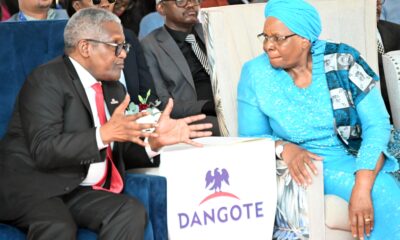
Dangote Refinery Hits 700,000bpd Output, Eyes Global Leadership


The Dangote Petroleum Refinery & Petrochemicals (DPRP) has increased its crude oil processing capacity to 700,000 barrels per day (bpd).
A company statement has it that this was revealed in a performance test conducted by the Process Licensors, which marks a significant milestone in the facility’s operational expansion, further cementing its position as World’s Largest Single Train Petroleum Refinery.
It added that the increase sees the refinery surpass its nameplate capacity of 650,000 bpd, underlining the facility’s engineering capability and operational efficiency. The achievement demonstrates the refinery’s ability to process additional feedstock while optimizing performance across its production units.
The Vice-President for Oil and Gas, Dangote Industries Limited, Devakumar Edwin explained that the ramp-up is part of a broader, ambitious strategy to more than double capacity to 1.4 million bpd within 30 months, positioning the facility as potentially the largest refinery globally.
ALSO READ: 2026 Oil Licensing Round Set for Q3 – NUPRC
According to him; the expansion is expected to boost Nigeria’s energy self-sufficiency, eliminate the country’s dependence on imported refined products and strengthen its position as a regional export hub pointing out that the Refinery’s growth trajectory reflects a deliberate move toward continental and global refining dominance, not just domestic supply sufficiency.
Owned by Nigerian industrialist and philanthropist, Aliko Dangote, the refinery commenced fuel production in 2024 and has steadily increased output of petrol, diesel, aviation fuel and other refined petroleum products.
The facility has rapidly established itself as a major supplier to both domestic and international markets, exporting refined petroleum products to several African countries and key European destinations, including the United Kingdom, France, Spain, Italy, and the Netherlands, among others. It has supplied gasoline to the American market and jet fuel to Saudi Arabia among others.
The DPRP Refinery has strengthened its role as a stabilizer in the oil and gas industry given the on-going disruptions caused by the Middle-East tension as a result of which many African countries are now patronizing the refinery for energy security.
In a further demonstration of its growing global significance, the DPRP became the world’s largest exporter of jet fuel in April, according to S&P Global Commodities.
The refinery has played a pivotal role in stabilizing fuel supplies in Nigeria, helping to eliminate dependence on imported petroleum products and easing pressure on the country’s foreign exchange reserves. Its expansion also aligns with broader national objectives to enhance local refining capacity and maximize value from Nigeria’s abundant crude oil resources.
Growing production volumes have also attracted increased interest from global crude suppliers and commodity trading firms, with the refinery sourcing feedstock from both domestic and international producers to sustain its rising output.
Looking ahead, Dangote outlined ambitious plans to transform the facility into the world’s largest refinery by 2028, targeting a processing capacity of 1.4 million barrels per day.
Such expansion, he pointed out, is expected to deliver substantial economic benefits, including job creation, increased industrial activity and improved trade balances.
The refinery is also expected to strengthen downstream manufacturing by ensuring a reliable supply of LPG and other key industrial feedstocks, including polypropylene which are widely used in the production of packaging materials and other consumer goods as well as the future plan for the supply of Linear Alkylbenzene (LAB) used in the production of detergents.







The Nigerian Upstream Petroleum Regulatory Commission (NUPRC) has opened the registration portal for its 2026 oil and gas licensing round.
Information on the portal, which opened during the weekend, disclosed that the bid commenced on November 20, 2026 and will close on January 15, 2027, for 17 onshore blocks, 14 shallow water and nine deep offshore assets.
Biztellers reports that the bid is offering 40 blocks across onshore, shallow water and deep offshore terrains to prospective investors.
The commission urged interested investors to visit the portal to access the full list of available blocks, bidding guidelines and frequently asked questions, explaining that the platform was designed to provide a seamless experience for prospective bidders.
READ ALSO: Indian Firms to Supply DPRP with $38.94m Pumping Systems
The licensing process, a statement by the commission said, will run through five stages, including registration and prequalification, access to data, submission of technical and commercial bids, technical evaluation and commercial conference.
According to the upstream regulator, the next major activity would be a pre-bid conference scheduled to hold in Lagos on December 16, 2026, stressing that further information and updates would be communicated through the portal and its official social media platforms.
The 2026 licensing round was announced by the Commission Chief Executive, Oritsemeyiwa Eyesan, on October 6, following approval by President Bola Tinubu, who also serves as Minister of Petroleum Resources.
Meanwhile, the commission has pledged to ensure timely delivery of Nigeria’s upstream climate commitments, declaring that its gas flaring and methane reduction targets were regulatory obligations rather than mere aspirations.
It disclosed that metering compliance across flare sites had reached 92 per cent, describing the progress as part of efforts to strengthen emissions monitoring and ensure that climate commitments are backed by verifiable data.
Speaking on behalf of Eyesan at a side event organised by the African Green Economy and Sustainability Institute (AGESI) at the Gabon Pavilion during COP31 in Türkiye, Assistant Director, Remediation and Sustainability, Ibrahim Alhaji, said the commission was moving from estimates to evidence in monitoring emissions.
Under Nigeria’s Nationally Determined Contributions (NDCs) 3.0, the country said it was committed to ending routine gas flaring by 2030 and reducing fugitive methane emissions by 60 per cent.
According to the NURPC, the development has a potential to reduce more than 27 million tonnes of fugitive methane emissions and 2 million tonnes of carbon dioxide equivalent from flaring by 2035.
Eyesan identified transparency, investment readiness and capacity building as the three critical pillars for achieving the targets, stressing that credible emissions data would make climate-related projects more attractive to investors and improve access to climate and blended finance.
The session, convened by AGESI, the Society for Planet and Prosperity and Natural Eco Capital, ended with a follow-up plan focused on partnerships, data disclosure, capacity building and progress reporting beyond COP31.
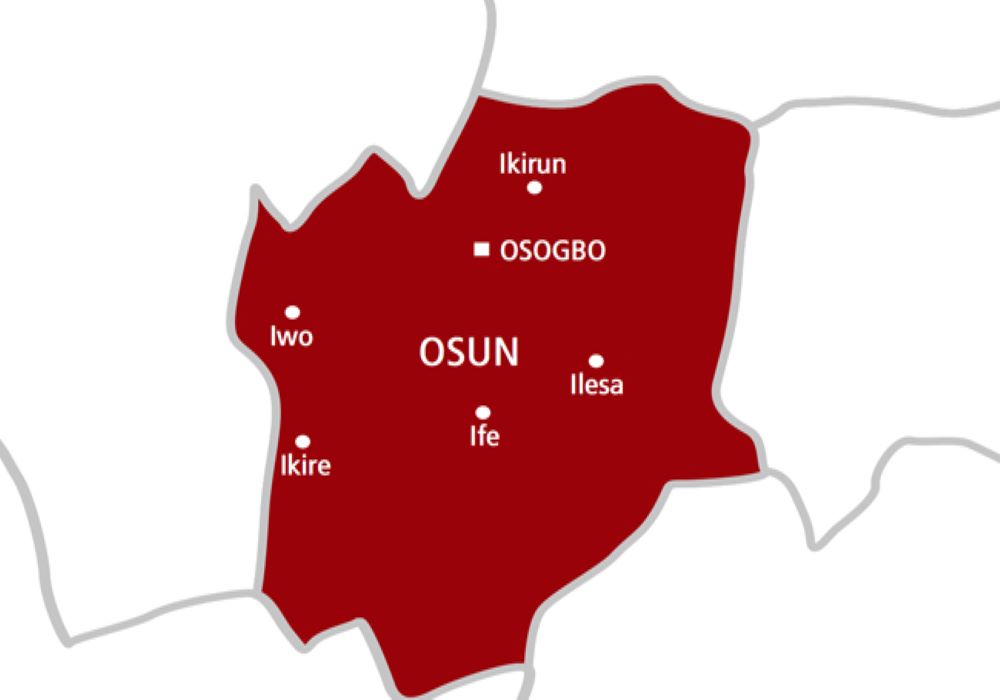
The Osun State Executive Council (SEC) has approved a 2027 draft budget as submitted by the various Ministries, Departments and Agencies of government
This follows a presentation by by the Commissioner for Economic Planning, Budget and Development, Prof. Moruf Ademola Adeleke, according to a government house statement on Osogbo on Friday.
It added that it was part of the resolutions reached after the SEC meeting presided over by Osun State Governor, Senator Ademola Adeleke at the Executive Council Chambers, Governor’s Office, Bola Ige House, Osogbo.
The Commissioner said after due consideration of the memo presented by the Commissioner for Economic Planning, Budget and Development, Prof. Moruf Ademola Adeleke for the draft 2027 Recurrent and Capital Budget estimates of the State Government, the Executive Council approved the budget draft estimates with immediate effect.
The Council, has consequently directed the transmission of the approved draft budget to the Osun State House of Assembly (OSHA) for subsequent legislative action.

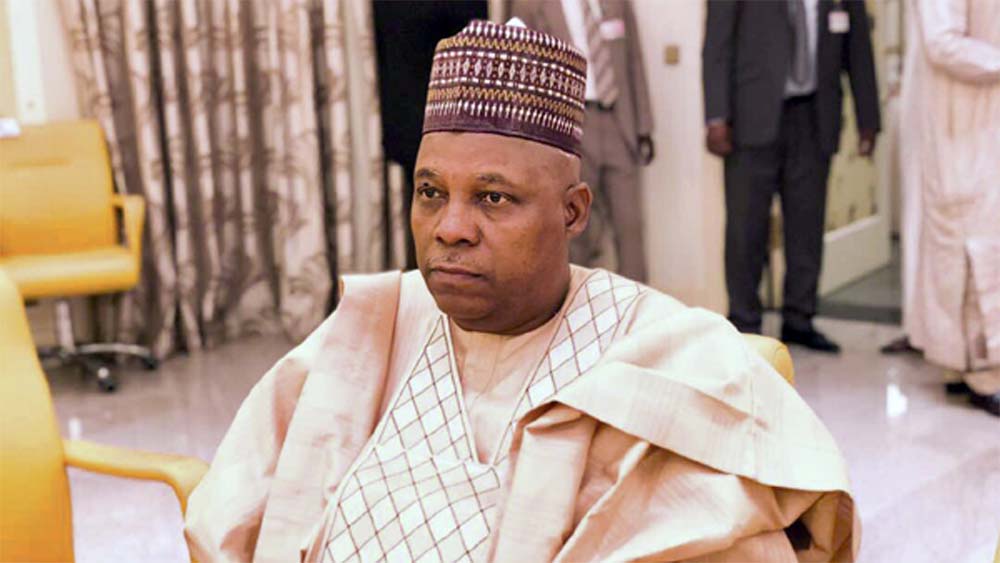
Vice President Kashim Shettima on Friday attended the grand opening of Ashley Furniture Nigeria’s showroom in Lagos.
The development was disclosed by the Vice President’s Senior Special Assistant on Media and Communications, Stanley Nkwocha, in a statement released on Friday.
The opening marks a significant development in Nigeria’s furniture and retail industry, following a strategic partnership between Ashley Furniture Industries, a major American home furnishings manufacturer, and Vento Furniture, a Nigerian furniture company.
SEE ALSO: Shettima, Wife Depart Abuja for Jos as Tinubu–Shettima Campaign Takes Rally to Plateau
The partnership, announced in 2025, is aimed at expanding Nigerians’ access to quality home furnishings while creating opportunities for investment, commercial partnerships and the development of the country’s furniture industry.
At the time of announcing the partnership, Ashley Furniture Industries’ President and Chief Executive Officer, Todd Wanek, described the company’s entry into Nigeria as a major step in its international expansion.
“We are incredibly excited to partner with Vento Furniture. Opening in Nigeria, the largest economy in Africa, is a monumental step for our international growth,” Wanek said.
He added that the company looked forward to opening more stores in Nigeria and supporting Vento Furniture as its anchor partner.
Vento Furniture’s Chief Executive Officer, Cemal Yigit, also expressed optimism about the partnership, describing it as an important development for Nigeria’s home furnishings market.
“We are very excited about this alliance,” Yigit said, expressing confidence in Ashley Furniture’s growth in the Nigerian market.
The partnership aligns with President Bola Ahmed Tinubu’s economic reform agenda, which places private-sector investment, enterprise development and job creation at the centre of efforts to stimulate economic growth.


2026 Licensing Round: NUPRC Opens Portal for 40 Oil, Gas Blocks

Indian Firms to Supply DPRP with $38.94m Pumping Systems
Osun SEC Approves Draft 2027 Budget

Dangote Cement Honours Outstanding Drivers for Safety Excellence, Records 60% Reduction in Road Traffic Accidents

APPO Lauds Nigeria on Energy Bank Initiative
Shettima Attends Grand Opening of Ashley Furniture Showroom in Lagos

Trump’s Family Unveils New Cryptocurrency Platform
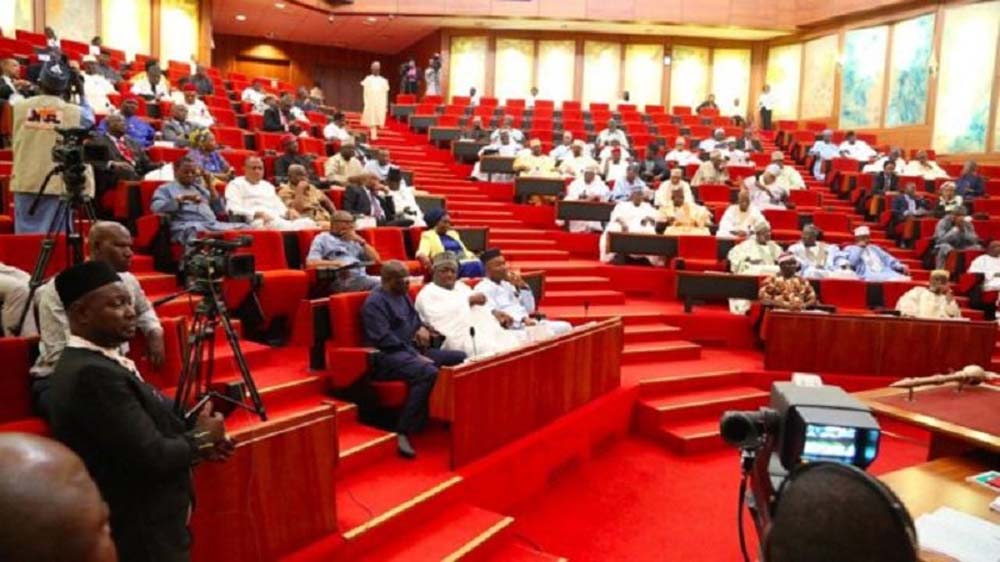
Senate Denies Receiving Petitions Against Tinubu’s Ambassadorial Nominees

Dangote Cement Lights Up Benue Host Communities With CSR Initiatives

Reps Recommend 3-year Jail Term For Aviation minister

Tems Sets New Record On Billboard Hot 100 Chart