
Energy
ECOWAS boosts energy supply of member states


ABUJA – Citizens of West African countries benefitting from a US$108-million regional emergency energy programme will experience “significant improvements” in their energy generation and supply from next year, the President of the ECOWAS Commission, His Excellency Kadre Desire Ouedraogo has assured.
Speaking in Abidjan on Monday, 16th December 2013, during the signing ceremony for the grants to three ECOWAS beneficiary countries, the president said the persisting energy deficit which became more acute in the last ten years, has impacted negatively on the region’s competitiveness, productivity and economic growth.
The Gambia, Mali and Sierra Leone are the latest beneficiaries of the regional programme based on requests by the States. This is to enable them rehabilitate some of their generation infrastructure and network, build capacity, install pre-payment metres and develop an improved mechanism for coordination and monitoring of their energy utilities.
Guinea Bissau and Guinea were the first beneficiaries under the programme which was launched in 2010.
The latest intervention in the energy sector through this programme, the president said, is in response to the directives by Heads of State and Government of Member States in their determination to improve energy supply as a complementary tool for spurring the region’s economic development.
He explained that the programme would address the severe energy shortages in these countries, which have had to rely on load-shedding in order to meet the minimum energy needs of their population with multidimensional implications mostly in the health, social and economic sectors resulting in public disaffection.
Describing the programme as aptly capturing the “spirit of solidarity” behind the ECOWAS integration project, the president said it is being financed by the Community “with the deep conviction that its implementation will alleviate the energy supply of the three countries” by replacing epileptic power supply with a more reliable supply.”
Earlier, Cote d’Ivoire’s Minister of Economic infrastructure, Mr Patrick Achi, applauded the community spirit behind the programme which he said would impact positively on the economy of the states and the development of the region.
In the same vein, The Gambia’s Energy Minister, Mrs. Tenengba Jaiteh, who responded on behalf of the beneficiary states praised regional leaders for their “strong support” to Member States in dire need of assistance.
She said the “funds to be disbursed are urgently required to help stabilise the precarious situations which we have been grappling with in our various synergy sectors.”
Mali would get U$54.32 million, followed by The Gambia with US$31.8 million, while Sierra Leone would receive US$21.8 million of the grants to be disbursed in two tranches over 12 months.

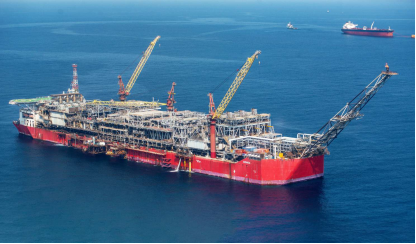
The Shell Nigeria Exploration and Production Company Limited (SNEPCo) has completed the turnaround maintenance on the Bonga Floating Production, Storage and Offloading (FPSO) vessel, leading to resumption of production at Nigeria’s premier deepwater field on March 6, 2026.
Biztellers reports that the project was delivered 11 days ahead of schedule and without any safety incident, reinforcing SNEPCo’s longstanding commitment to operational excellence and asset integrity.
“Completing the turnaround safely and ahead of schedule is a testament to the dedication and professionalism of our Nigerian workforce and the helpful support of our partners,” SNEPCo Managing Director Ronald Adams said. “The achievement not only secures the long‑term integrity of the Bonga FPSO but also positions us strongly for the successful delivery of the Bonga North project, which will leverage the improved reliability of the FPSO.”
The exercise which began on February 1, 2026, highlights SNEPCo’s leading role in advancing deep‑water expertise in Nigeria. Of the 55 companies involved in the execution, 43 were wholly Nigerian. Additionally, eight of the 12 international service providers maintain operational bases in Nigeria, contributing to knowledge transfer and increased local investments.
More than 1,000 personnel worked offshore during the turnaround, with over 95% being Nigerians involved in maintenance, engineering, operations, inspection and construction. Thousands more supported activities from onshore locations, reflecting the depth of Nigerian capability in offshore oil and gas operations.
Adams added: “We acknowledge the support of several stakeholders towards the successful execution of the exercise, including the NNPC Upstream Investment Management Services (NUIMS), the Nigerian Upstream Petroleum Regulatory Commission (NUPRC), the Nigerian Content Development and Monitoring Board (NCDMB) and our partners.”
Modupe Asudo
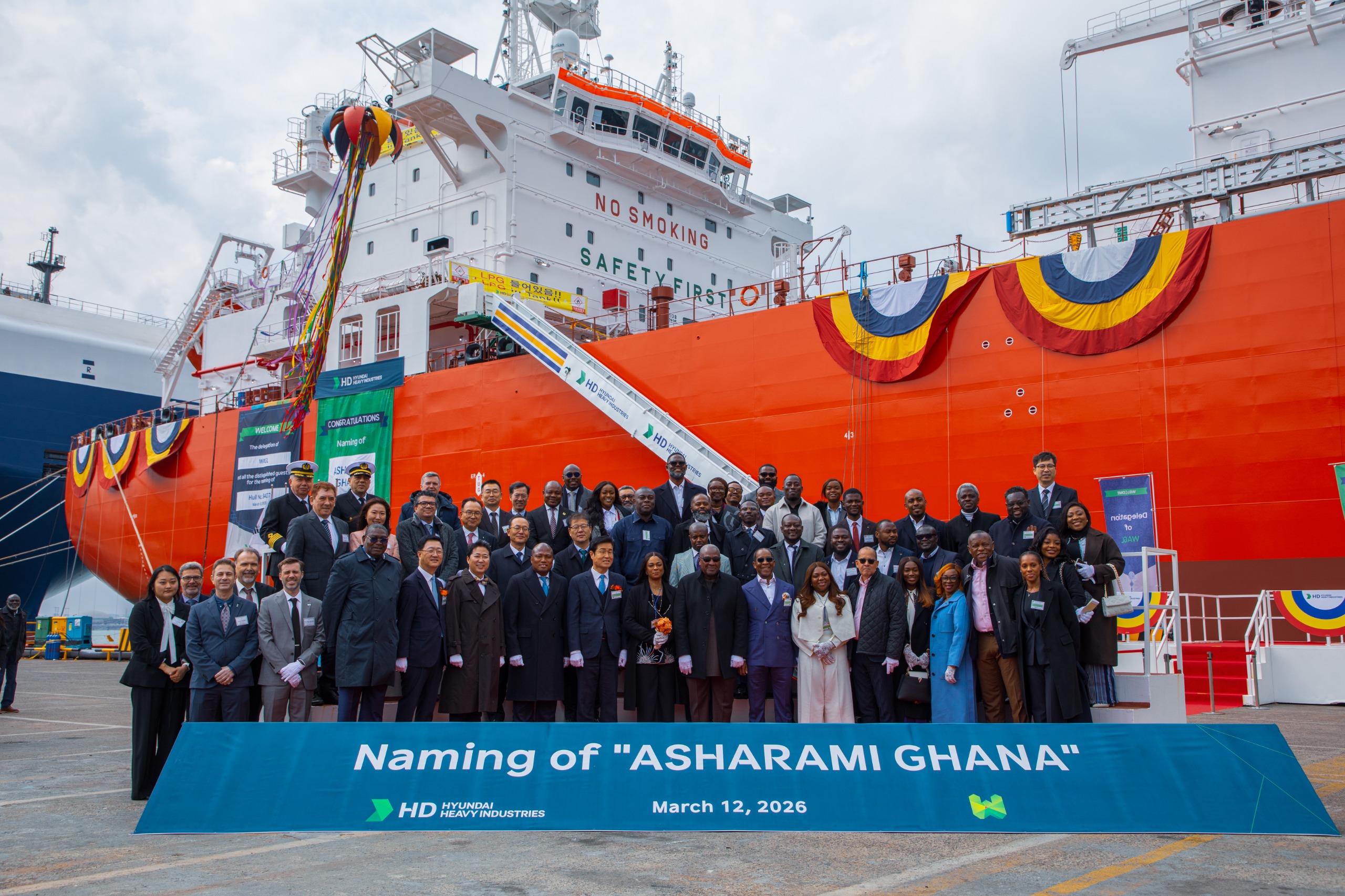
Sahara Group, a leading global energy and infrastructure conglomerate, has commissioned MT Asharami Ghana, a 40,000‑cubic‑metre Liquefied Petroleum Gas (LPG) carrier, expanding its fleet capacity, while strengthening Ghana’s clean energy supply chain and LPG distribution network.
The dual‑fuel vessel improves operational efficiency, enhances supply reliability, and supports lower‑emission LPG logistics as consumption grows across Ghana and the wider sub‑region.
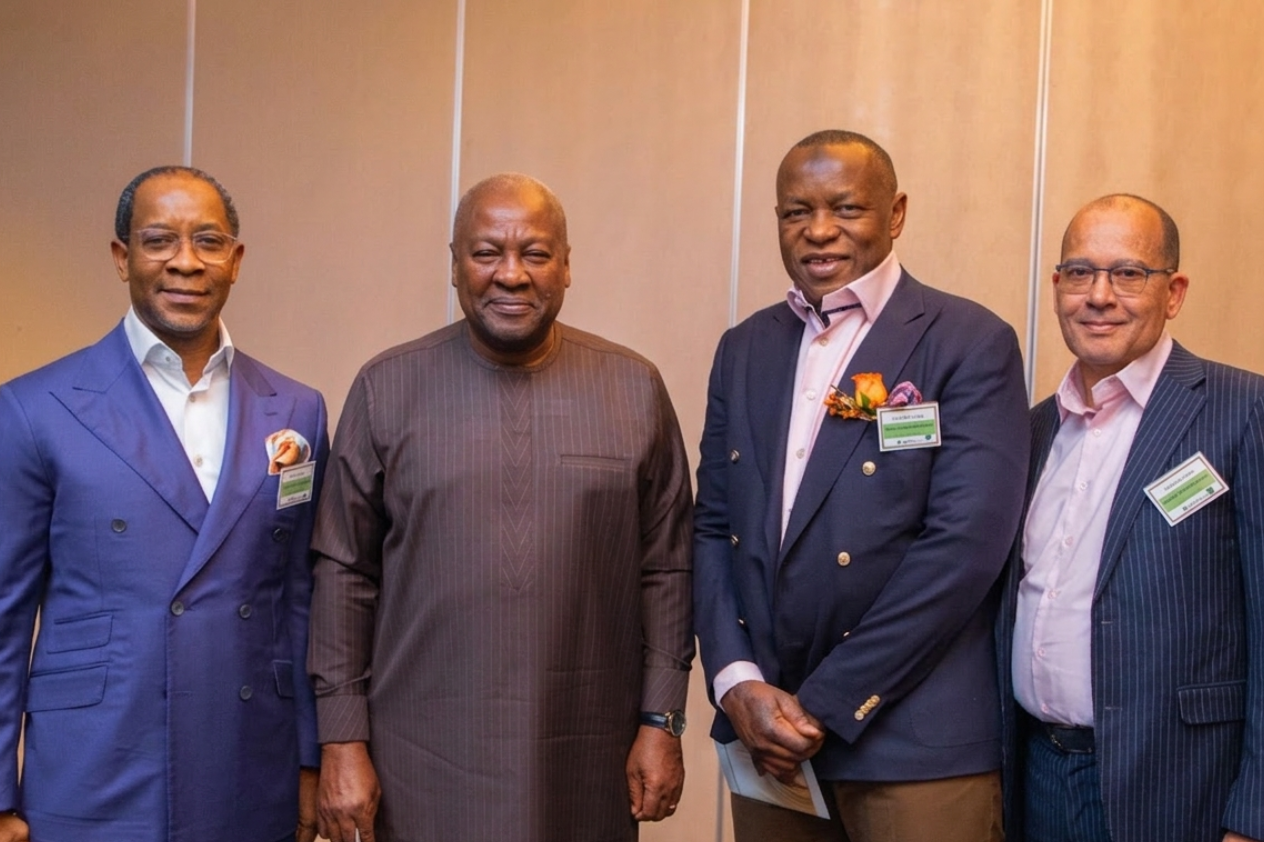
Ghanaian President Mahama and Sahara Executive Directors
Speaking at the commissioning in Ulsan, South Korea, President John Dramani Mahama described the vessel as “a significant milestone in strengthening the infrastructure that underpins the global LPG supply chain,” noting that expanded shipping capacity is critical to improving supply security, reliability and efficiency for countries that rely partly on LPG imports.
He commended Sahara Group, WAGL Energy and all partners involved for their “leadership, technical expertise and strategic foresight,” adding that the project reflects “the power of partnership” in advancing safe, efficient, and responsible energy distribution.
President Mahama wished the MT Asharami Ghana safe sails, expressing confidence that the vessel would inspire further investment and collaboration across Africa’s energy value chain.
According to Wale Ajibade, Executive Director, Sahara Group, the vessel supports Ghana’s clean energy ambitions through integrated infrastructure.
“MT Asharami Ghana is more than a vessel; it is part of a deliberate strategy to strengthen LPG supply security and support Ghana’s clean energy ambitions. It secures an additional 25,000-Metric-tonne stock security for the Ghana economy, alongside the soon to be commissioned 6000-metric-tonee of 12.000-metric-tonne land storage in Tema,” he said.
With the addition of Asharami Ghana, Sahara Group’s LPG carrier fleet now comprises six delivered vessels with a combined capacity of 202,000 cubic metres. Supported by partnerships with WAGL Energy, NNPC Limited and other stakeholders, an additional 270,000 cubic metres of capacity is under construction and due for delivery by September 2028.
Temitope Shonubi, Executive Director, Sahara Group, said Asharami Ghana is part of Sahara’s integrated LPG infrastructure strategy spanning shipping, storage, and downstream distribution globally, including the development of a 12,000‑metric‑tonne land‑based LPG storage terminal in Tema, with a 6,000‑metric‑tonne first phase scheduled for completion in May 2026.
He thanked Yaa Serwaa Alifo, MD of Asharami Ghana, for her resilience and insistence to dedicate a ship of “this magnitude solely to the Ghana Market and its landlocked neighbours.”
Ghana is targeting LPG adoption of 50 per cent of households by 2030, up from about 30 per cent today. Sahara’s investments will support clean energy access for more than 35 million people, while strengthening Ghana’s role in regional LPG trade to neighbouring and landlocked West African markets.
The commissioning comes in Sahara Group’s 30th anniversary year, guided by the Sahara Beyond XXX milestone, underscoring Sahara’s focus on building an enduring enterprise that delivers responsible growth, shared prosperity and long‑term impact across its markets.
Nigeria’s crude oil production dropped to 1.31 million barrels per day in February, even as local refineries continue to grapple with inadequate domestic crude supply needed to sustain operations.
The development shows that Nigeria again failed to meet its crude oil production quota of 1.5 million barrels per day approved by the Organisation of the Petroleum Exporting Countries (OPEC), as output declined sharply in February 2026.
Data from OPEC’s latest Monthly Oil Market Report, based on direct communication from member countries, showed that Nigeria produced 1.314 million barrels per day in February, down from 1.459 mbpd recorded in January.
ALSO READ: Chevron Reiterates Commitment to Niger Delta Development
The figures indicate a month-on-month decline of 146,000 barrels per day, widening the country’s shortfall from its OPEC production allocation.
Nigeria’s inability to meet its OPEC production quota is not only affecting its oil export earnings but also adversely impacting domestic refineries that are starved of feedstock for their operations.






Airfares Likely to Rise as Aviation Fuel Price Spikes by 80%

Shell Completes Turnaround Maintenance on FPSO, Resumes Production at Bonga

Sahara Group expands fleet with new 40,000 cbm LPG Carrier

NATO Shoots Down Third Iranian Missile in Turkey

Inside Tinubu’s Closed-Door Meeting With Opposition Leaders – SDP, IPAC Reveal Details

Defections Won’t Break PDP in Sokoto, Says Former Senator Gada

Trump’s Family Unveils New Cryptocurrency Platform

Reps Recommend 3-year Jail Term For Aviation minister

Dangote Cement Lights Up Benue Host Communities With CSR Initiatives

Senate Denies Receiving Petitions Against Tinubu’s Ambassadorial Nominees

Things To Know About Threads, Zuckerberg’s Twitter-like App

104899 647268They call it the self-censor, just because you are too self-conscious of your writing, too judgmental. 603487