
Finance
Eleven (11) Ways To Make Money Online, Number 10 Will Surprise You


By Funmilayo Olusanya
The desire to quickly earn money online while staying at home has increased over the past few years.
The appeal of the internet is that it serves as a potent sales channel, marketing network, and social media hub, among many other functions. Beyond completing surveys and selling used items on marketplaces, there are a variety of inventive ways to make quick money online.

Nevertheless, some side jobs are more compatible with the laptop lifestyle than others. We’ll analyze the advantages and disadvantages of 30 of the best online money-making ideas in this idea guide.
1. Sell stuff online
One of the best money-making ideas for quick cash is selling stuff online. You can buy and resale higher-value products like laptops, TVs, or phones, or you can sell clothing, furniture, and handbags from the comfort of your own home. You may purchase these goods online from merchants like AliExpress or from nearby thrift shops and yard sales, which is a terrific way to make quick money.
Instead of using only one platform or marketplace, try to sell your stuff there as well. People are more likely to discover your products if they are available in more locations. There are hundreds of online marketplaces, each with its own specializations and commission rates. eBay, Facebook Marketplace, VarageSale, Mercado Libre, and your personal website are a few instances.
If you enjoy this process, you can start a legitimate reseller business and sell anything from vintage clothing to refurbished electronics.
Read also>>>Helping others achieve dreams turns me on – Don Jazzy
2. Start a dropshipping business
Consider dropshipping—startup costs are low and it’s an increasingly popular way to make money online for beginners and pros alike. Dropshipping is a business model where you don’t keep the products you sell in stock. Instead, when a customer buys something from your store, a third party fulfills and ships the order for you.
Dropshippers can cash in on the latest trends and sell trending products, or there are many steady product categories that offer similar opportunities to do well.
At Shopify, we regularly see these categories on our list of top performers: clothing and accessories, jewelry, home and garden.
You can create a Shopify store and test it out with a free trial.
The pay period using Shopify Payments is five days plus the number of days remaining until your payout day.
3. Start freelancing
An increasingly popular home business idea is offering freelance services to clients online. Freelance writing, graphic design, data entry, digital marketing—almost every role an online business would hire for is viable as a freelance service. I’ve worked with writers, illustrators, and designers for years at Shopify, most of whom make their full-time living freelancing, not just doing it in their spare time.
Almost all of these services are best positioned toward business clients, for reasons similar to why business software is an attractive product: business clients are willing to spend. What most freelancers quickly learn is they have more leverage over the price they can charge when they position their work as outcomes instead of deliverables.
Put another way, businesses hire freelance writers to create content that drives traffic and leads, not for wordsmithing. Sell clients on the outcome and prove it, where possible, through customer evidence like case studies and testimonials.
The last thing to consider for these businesses is that they are a direct trade of time for money. You can make good money with a small selection of high-paying clients, but the moment you stop working, the cash flow dries up. You may be able to turn a freelance business into more of an agency, where hired help handles some client work.
4. Sell on Amazon
Amazon has become a marketplace that welcomes ecommerce entrepreneurs. It takes a few minutes to sign up for an account and a few more minutes to get a product listing live.
The platform has a massive audience, it’s a global marketplace, and it’s a go-to destination for product discovery and research. Listing optimization can help your products get found and unlock new opportunities. And Amazon’s in-app promotions can increase your brand’s visibility for highly targeted audiences.
Yet some ecommerce entrepreneurs question the long-term sustainability of selling on Amazon. While the marketplace is great for helping shoppers surface desired products, it’s challenging for sellers to get their business noticed. Amazon attracts many resellers of the same products you may offer.
Homesick went from not being on Amazon two years ago to becoming the number one scented candle company and the number two candle brand in the world. Amazon proved to be a good springboard for selling its products online.
Despite its success, Homesick used Shopify to build an online store as its home base. This gave the budding ecommerce business a place to showcase its brand, connect with its customers, and maintain control over its sales and promotions.
5. Sell digital products
Digital products carry some of the best margins of any product you can sell. The upfront costs of development can be high, but the variable costs of selling digital products is comparatively low. Once media or software is made, it isn’t very expensive to deliver to customers.
At its core, a digital product is an intangible asset you can sell repeatedly without restocking inventory. They often come in downloadable files such as a PDF, plug-in, or interactive document. These products have become such a good source of passive income that many top professional influencers, bloggers, or public icons release digital products like guides, ebooks, templates, research findings, plans, and tutorials.
Many creators make digital products to add another revenue stream to their main business, whether it be consulting, education, or memberships. You could build a presence on Twitter and LinkedIn or build an email subscriber list to promote your products and make sales.
6. Sell media
Media is a wide-ranging term, but the best description available if you’re a creator in the market to sell music, videos, digital art, paid newsletters, magazines, or podcasts. Media seems closely related to digital products, but the difference with media is that it tends to be geared toward creative ventures—for example, a writer starting a paid newsletter subscription or an artist learning how to sell art online.
The best part about selling media is that, a lot of the time, it’s a way for people to express themselves online. Artists and creators who didn’t have access to networks, galleries, or PR in the past can now build a brand, grow a following, and make money online doing something they love.
7. Start Blogging
You’ve probably read a business blog at some point in your life. Businesses use blogging to share knowledge and insights, build an audience, and get more leads and sales. Blogging has endless benefits, such as building thought leadership in an industry and improving search engine visibility for a brand.
Blogging to make money online has grown beyond big businesses and side hustles. Anyone can now build an audience by putting out great content and make a lot of money from their blog. Bloggers also tend to take a personal approach that resonates with an intended audience versus getting information from a company blog.
People start blogs for many reasons, some being:
An outlet to share their thoughts, passions, or life experiences
A platform to educate readers on a topic they know about
An avenue to sell products or services
A space to build a personal brand
While blogging is a low-investment business idea, it can take time to pay off. Chances are, you won’t find yourself on page one of Google’s search results overnight. But with the right niche and determination, you’ll be well on your way to making money online through your blog.
8. Affiliate marketing
So, how do you make money affiliate marketing? Essentially, publishers or individuals can apply for affiliate programs, wherever they’re available, in order to be added as an official affiliate. Once you’re accepted, you’ll receive a way to share an affiliate link to the product or service you’re interested in promoting. (Don’t forget to add a disclaimer!)
When someone buys the product after clicking your link, you’ll receive credit for the referral, along with a commission. The commission amount depends on the affiliate program and the product being sold—commodity items on Amazon.com won’t pay out much, but referring a high-ticket account may pay out hundreds or even thousands of dollars.
Because affiliate marketing works best when you help a visitor understand why a certain product may be the right one for them, you’ll typically notice it deployed on content-focused websites. Search engine optimization also plays an important role here, and you’ll see everyone from homegrown sites to massive, globally known publications competing for terms like “best gaming laptops 2022.”
9. Start a YouTube channel
Ever thought of becoming a YouTube star? Micro-celebrities like 10-year-old Ryan Kaji are making more than $29 million per year on YouTube selling toys. Another top earner on YouTube is David Dobrik, who makes about $15.5 million entertaining his audience with comical videos.
Create a YouTube channel around one niche. This will help you build a loyal audience that repeatedly tunes in to your channel, giving you more opportunities to make money online. You could offer tutorials, review products, keep up with celebrity news—whatever you think will keep your audience interested.
The key to a successful YouTube channel is to entertain or educate with your content. Once you’ve reached 1,000 subscribers, you can make money running YouTube ads on your channel. Beyond advertising revenue, you can also offer paid product placement to big brands, sell products, or become an affiliate to make money on YouTube.
10. Become an influencer
Influencers are a popular marketing channel for brands big and small, with 68% of US marketers at companies with more than 100 employees working with them in 2021. If others can become influencers, so can you.
To become an influencer, you’ll need an engaged following. Influencers today don’t need to have millions of followers. There are opportunities to become a nano-influencer or micro-influencer, which are accounts with up to 10,000 and 50,000 followers, respectively.
The two biggest platforms for this are YouTube and Instagram. Some of the most popular influencers found fame through these platforms like Lele Pons and pewdiepie. Check out our article on how to grow your Instagram following to build a big audience.
Once you have a following, you can make money several ways as an influencer:
Charge for sponsored posts
Speak at conferences
Sell products in your online store
Become an affiliate
Sell ads
Become a brand ambassador
Write a book
Startup time: Varies, but generally.
11. Become an online tutor
During the pandemic, education turned virtual. Schools and universities switched to entirely online classes, and the tutoring business was no different. In 2022, the online tutoring business is expected to reach $1.5 billion in the US alone.
If you enjoy seeing that light turn on in people’s eyes when they finally grasp a concept, this is a good option for you. You get to decide which subjects you feel comfortable helping others with and set your own hours and rates.
On top of that, you can freelance as a tutor more easily than ever. With sites like TutorMe and Fiverr, you can easily find students who need your help.
The chances to quickly and occasionally passively earn money online are increasing. You might establish a dropshipping business, work as a freelancer, make your own things, or market other people’s goods on your site. It only requires some effort and hard work to achieve.
To create something significant and intriguing, start putting your ideas into action right away. Use your time and energy wisely, and your labor will eventually pay off as you establish your internet profile, attract new clients, and close deals.


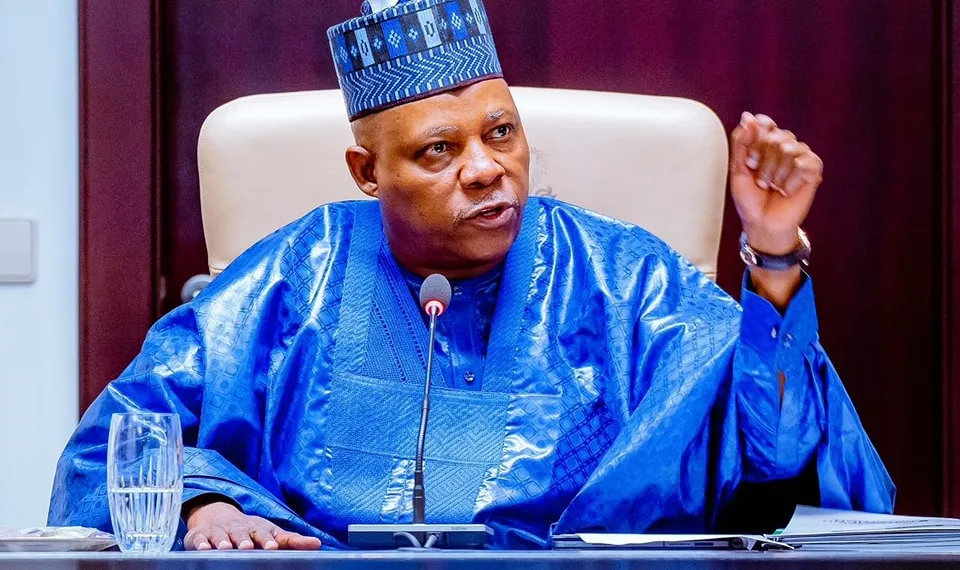
Nigerisa’s Vice President Kashim Shettima
By Modupe Asudo
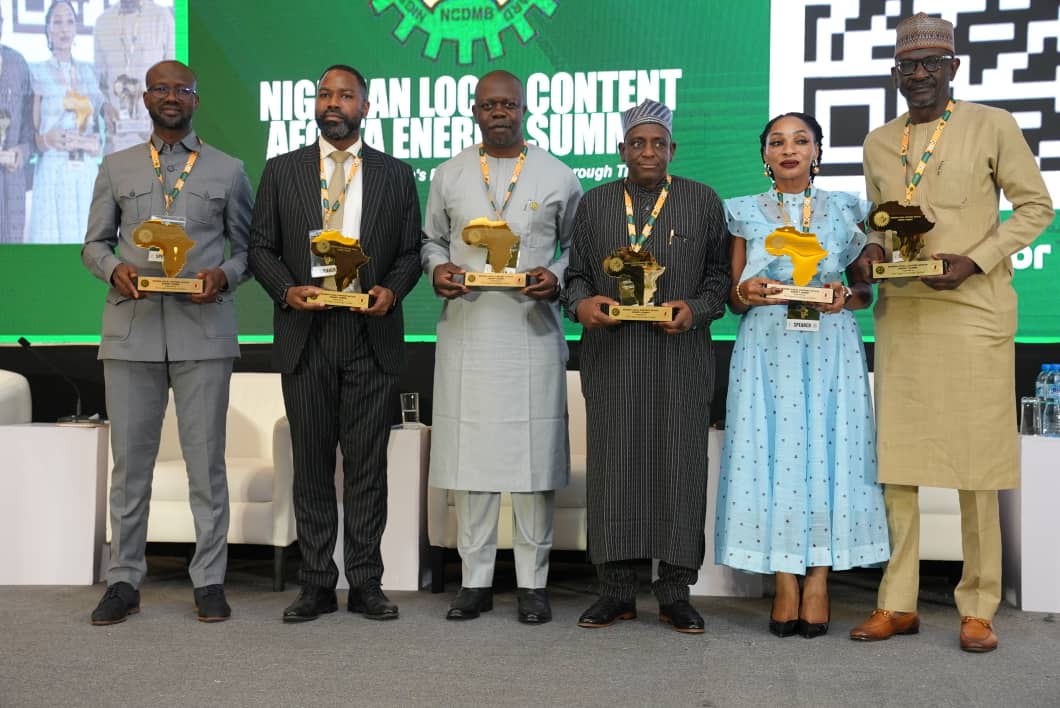
The 2026 edition of the African Continental Free Trade Agreement (AfCFTA) Summit got underway in Lagos on Monday with regulatory agencies, project promoters, and financial institutions focused on deepening intra-Africa trade, a unified code of standards for professional qualifications and manufactured goods, and expansion of the frontiers of technological development and innovation.
Critical questions addressed include how AfCFTA’s 1.4 billion population and $3.4 trillion economy could achieve “a strategic shift from fragmented economies towards a globally competitive supply chain system”; how Africa could leverage its vast mineral resources, including copper, iron ore, petrochemical, for domestic production of hardware such as Christmas tree (an assembly of valves, fittings on top of a wellhead to control oil production), and how, hypothetically, Tema Shipyard in Ghana could be designated the vessel construction, assembly and repairs hub for Africa.
Related questions were how cables manufactured in Nigeria, hypothetically, could benefit from favourable trade terms in Angola; what compliance requirements a sacrificial anode producer in Nigeria would have to meet in regard to the rule of origin requirement to export anodes to Algeria for protection and longevity of pipelines, storage tanks, offshore platforms, etc., and what other support levers would be required to achieve energy security for Africa besides expanded refining capabilities in Dangote Refinery, laying of continental gas transmission pipelines, and establishment of industrial parks and other support infrastructure.
In a keynote address at the event, the Executive Secretary of the NCDMB, Engr. Felix Omatsola Ogbe, represented by the Director, Corporate Services, Dr. Abdulmalik Halilu, disclosed that Nigeria’s oil and gas industry embraced AfCFTA and developed a framework for domesticating the policy in 2022.
According to him, implementing AfCFTA in the industry was anchored on three broad pillars, namely, Opportunities Identification, Capacity Development, and Capacity Exportation. In regard to opportunities, he said Nigeria’s strength lies in formidable supply chain in oil field services, refining capacity, oil field logistics base, gas supply pipelines, and a pool of qualified oil field technical workforce.
On capacity development, he pointed out that Nigeria’s oil and gas industry, through the local content law, has developed capabilities in the oil and gas value chain spanning marine vessel asset ownership, fabrication, assembly and installation of production systems, including Christmas trees, pressure vessels, and pumps.
What remains unresolved, described by the Executive Secretary as “the next frontier and the reason for convening the Summit,” is capacity exportation. He posited for consideration a unified work permit and visa that would enable, say, “a welder in Senegal to be engaged in Arlec Engineering Works, Johannesburg, South Africa, for fabrication of heat exchangers, storage tanks, pressure tanks, pressure vessels, etc.”
In examining the importance of achieving continental economic integration, Engr. Ogbe explained that strong regional supply chains would shift Africa from exporting raw materials to producing high-value goods. For pathways to integration, he listed regional value chains, infrastructure connectivity, regulatory harmonization, industrial clusters, and small and medium scale enterprises (SME) inclusion.
He assured industry stakeholders and participants maximum support by the NCDMB.
By Modupe Asudo
The Nigerian Content Development and Monitoring Board has outlined a practical framework for positioning Nigeria’s energy sector to access the African Continental Free Trade Area, following a strategic webinar focused on meeting rules-of-origin requirements for continental trade.
The Board held a pre-conference webinar on Wednesday ahead of the Nigeria Local Content AfCFTA Energy Summit scheduled for Monday, February 9, 2026.
The engagement was attended by stakeholders from the oil and gas, power and renewable energy sectors, and they addressed how Nigerian products and services can qualify for preferential market access across 54 African countries with a combined gross domestic product of $3.4tn and a population of about 1.4 billion people.
 Entitled ‘Meeting AfCFTA Origin Requirements in Energy Trade’, the webinar focussed on one of the major barriers facing Nigerian exporters under AfCFTA — structuring production and operations to meet origin requirements that determine eligibility for duty-free and preferential trade.
The initiative was supported by the Executive Secretary of NCDMB, Engr. Felix Omatsola Ogbe, and the Acting Director of Planning, Research and Statistics, Mr. Ene Ette, as part of preparations for the forthcoming Nigeria Local Content AfCFTA Energy Summit, with the theme ‘Unlocking Africa’s Energy Future through AfCFTA: Trade, Innovation and Regional Integration’.
Speaking during the session, a communications analyst, Joseph Nwokedi, representing the Acting National Coordinator of Nigeria’s AfCFTA Coordination Office, Mrs Patience Okala, stressed the central role of energy in Africa’s economic integration under AfCFTA.
He urged Nigerian companies to shift their focus from Nigeria’s domestic market of about 200m people to the wider continental market of 1.4bn consumers.
“Without energy, there’s no industrialisation. Without energy, regional value chains remain aspirational,” Nwokedi said. “With AfCFTA, energy transforms from a domestic infrastructure issue into a tradable, investable and exportable sector within an integrated African market.”
He noted that even one per cent penetration of the African market translates to about 14m consumers, underscoring the scale of opportunity available to Nigerian energy firms.
The webinar identified four key pathways through which Nigeria’s energy sector can participate in AfCFTA-enabled trade. First, Nigeria’s Electricity Act of 2023 allows independent power producers to supply electricity directly to industrial clusters and export processing zones, positioning power generation as a foundation for trade-ready manufacturing.
Second, the country has submitted commitments under AfCFTA that enable professionals such as engineers, electricians, geophysicists and energy auditors to export services across Africa, subject to mutual recognition of qualifications.
Third, refined petroleum products, gas derivatives, electricity and renewable energy components can be traded across borders under preferential tariffs, provided they meet AfCFTA rules of origin.
Fourth, AfCFTA’s investment protocol, combined with recent domestic reforms, including the Presidential Directives on Investment Incentives for 2024–2025, strengthens Nigeria’s credibility for attracting cross-border investments in power generation, transmission, renewable energy and storage infrastructure.
Delivering a technical presentation, Assistant Comptroller of Customs, Burhan Sulaiman, explained that AfCFTA would eliminate tariffs on 90 per cent of goods traded within the bloc over five to 10 years, with an additional seven per cent liberalised over 13 years. However, he stressed that these benefits were conditional on meeting origin requirements.
“Companies lose benefits because origin was treated as an afterthought,” Sulaiman said. “You must build in origin compliance from the beginning, not while already running your project. Origin determines whether you export duty-free or pay full tariffs.”
He clarified that origin is determined by where economic production takes place, not by company ownership or registration. Foreign-owned companies producing in Nigeria can export as Nigerian origin, while Nigerian companies importing finished goods cannot claim AfCFTA preferences.
Sulaiman explained that products qualify for preferential access through two routes. “Wholly obtained” goods are entirely produced within AfCFTA member states, such as crude oil and natural gas extracted in Nigeria, as well as locally generated electricity regardless of fuel source.
The second route, “substantial transformation”, applies where foreign inputs are used and requires compliance with one of three tests: a change in tariff classification; a value-addition threshold limiting foreign content to between 30 and 60 per cent of ex-works price; or completion of specific prescribed processes such as distillation, cracking or reforming for petroleum products.
He provided sector-specific guidance, noting that in oil and gas, locally extracted crude and gas qualify, just as refined petroleum products that meet processing requirements. However, simple blending, basic distillation operations and modular refineries using imported crude without substantial transformation do not qualify.
In the power sector, he explained, locally generated electricity and regionally manufactured equipment with deep component transformation qualify, while installation-only activities, imported turbines, transformers and switchgear mounting do not.
“For renewables, regional solar cell and battery cell manufacturing with deep component processing qualify,” he said, adding that panel installation alone, simple module assembly and packaging imported batteries do not meet the thresholds.
Sulaiman warned that without regional manufacturing accumulation, power equipment exports fail origin tests.
According to him, the Nigeria Customs Service applies a five-step verification process for origin claims, including confirming accurate HS codes, reviewing production records, testing for minimal operations, verifying African input origins and ensuring consistency across certificates, production records and cost documentation.
“Weak documentation kills origin claims. Even genuinely originating products can be denied if documentation is incomplete or inaccurate,” he noted.
Both speakers emphasised that origin compliance should be treated as a core business strategy rather than a regulatory formality.
“Origin is not paperwork; it is strategy,” Sulaiman said. “It shapes where you locate facilities, how you source inputs, and where you sign regional contracts. Treat it as strategic from day one.”
Nwokedi urged Nigerian firms to act early. “AfCFTA is happening now. Early movers will shape supply chains, standards and partnerships. Are you going to lead, or simply follow?”
Officials also provided updates on AfCFTA implementation, noting that 92 per cent of rules of origin had been agreed, with negotiations ongoing in the textiles and automotive sectors.
An online dispute resolution mechanism has been established to coordinate Customs authorities, standards bodies and complainants.
Nigeria has deployed a fully operational electronic certification system for paperless trade, while Nigerian Customs is introducing risk-management frameworks that could allow exporter self-certification on commercial invoices.
Following a five-year implementation review led by the Minister of Industry and Investment, Dr Jumoke Oduwole, government sensitisation efforts have intensified through partnerships with the Nigerian Association of Chambers of Commerce, Industry, Mines, and Agriculture; Women’s Chambers of Commerce; zonal outreach programmes and ‘P3 engagements’ involving the press, private sector and public institutions.
“The government will not trade under AfCFTA — our exporters will,” officials said. “If they win, we win.”
Nigerian Customs also reiterated its open-door policy for pre-export origin verification to help businesses avoid delays and additional costs at the border.
The webinar highlighted Nigeria’s potential as a regional energy and transition-fuel hub, building on frameworks such as the West African Power Pool to support cross-border electricity trade.
Key recommendations included structuring projects for origin compliance from inception, forming regional joint ventures, aligning with continental standards and leveraging AfCFTA service commitments to export Nigerian energy expertise.
The session ended with confirmation that the webinar was a technical precursor to the Nigeria Local Content AfCFTA Energy Summit, which will convene policymakers, industry leaders and trade experts to develop strategies for maximising Africa’s energy potential under the AfCFTA framework.






2027 Election: ‘Your Future Is More Valuable’ — IGP Warn Youths Against Political Violence

Tinubu Charges PCC Members to Deliver Wards

Marketers Eye Portion of FG’s Petrol Discount

Tanzania Nears Completion of $42bn Equinor, Shell-Led LNG Project

IEA Puts UAE’s Oil Output at 5.3mbpd for September

Africa’s Energy Security Conversations Pull Industry Executives Together

Trump’s Family Unveils New Cryptocurrency Platform

Senate Denies Receiving Petitions Against Tinubu’s Ambassadorial Nominees

Dangote Cement Lights Up Benue Host Communities With CSR Initiatives

Reps Recommend 3-year Jail Term For Aviation minister

Tems Sets New Record On Billboard Hot 100 Chart
