
NEWS
Fuel Crisis: No End In Sight As NNPC, IPMAN Fight Dirty


The ongoing fuel crisis appears to be a case of the grass suffering while two elephants fight.
The bone of contention seems to be that while the Nigerian Government wants to carry out minor reforms in the supply chain, and is assuring the public that the scarcity would end soon, the organised marketers appear focused on protecting the interests of its members.
Biztellers reports that about 8,000 operating licences of IPMAN’s members are threatened by a new policy of the National Petroleum Company Limited (NNPC Ltd).
Recall that the NNPC Ltd had placed a deadline of April 15, 2024, for marketers to renew their operating licences or risk being denied access to their customer express portals for the purchase of petroleum products from the NNPC Retail Limited.
However, the Independent Petroleum Marketers Association of Nigeria (IPMAN) had claimed that the registration processes and requirements were cumbersome, for which some of its members could not meet the deadline.
Consequently, the IPMAN requested an extension till July, so that its members could reconcile their licenses and address the lingering scarcity, which has compounded the economic woes confronting the ordinary Nigerian.
The IPMAN has also appealed to the Nigerian Midstream and Downstream Regulatory Authority (NMDRA) to release 9,000 already processed licences to its members.
The National Public Relations Officer, IPMAN, Chinedu Ukadike, gave an update on the Association’s position in a statement on Thursday in Abuja.
The statement read, “The Independent Petroleum Marketers Association of Nigeria are abreast with current developments in the downstream sector of our petroleum industry and wish to state that the latest information reaching us from the Nigerian Midstream and Downstream Petroleum Regulatory Authority states that they have already processed more than 9,000 out of the 15,000 licenses they are expected to process for our members within this period.
“Marketers are fast-tracking the processing of their licenses to avoid the impending closure of their customer express portals for purchase of petroleum products from NNPC Retail Limited.
“We, therefore, use this opportunity to appeal to the management of the NMDPRA and NNPC Retail Limited to respectively release the processed licenses and extend the deadline for delisting of marketers from their express portals.
“If our request is granted, it will ease the tension of panic buying by members of the public in order not to aggravate the present scarcity of petroleum products.”
In an earlier statement, the IPMAN had blamed the ongoing scarcity which had seen pump prices of Premium Motor Spirit (PMS) skyrocket to between N750/litre to N1,200/litre across Nigeria on turnaround maintenance of oversea suppliers of the product.
On its part, the NNPC Ltd had blamed logistics on the scarcity, which it claimed to have addressed.
The state oil company had also tried to address the situation by assuring of sufficient stock and increased product supplies, yet, the IPMAN members appear to be sticking to their gun, in protection of members’ interests, by controlling sales to the public.
Recall that the Chairman, IPMAN Depot Chairmen Forum, Yahaya Alhassan, had on Tuesday threatened to shut down the 30,000 stations operated by IPMAN members across the country if the Federal Government failed to pay the N200bn that was being owed marketers.
The IPMAN’s position was contained in a communique issued in Abuja by over the non-payment of marketers’ bridging claims.
According to the IPMAN, the NMDPRA had refused to clear the debt, which had continued to accrue since September 2022.
It might just be that the two elephants are keeping the bone of contention close their chests and feeding members of the public with tales by the moonlight.
In the interim, the economic hardship continues to bite harder, with common Nigerians at the receiving end.





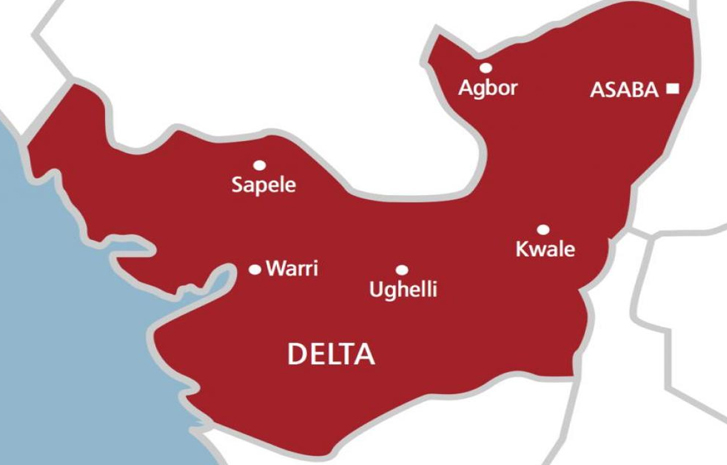
Former Delta State Governor, Dr Emmanuel Uduaghan, has reportedly died, according to sources said to be close to his family.
The sources confirmed the development on Monday, October 19, 2026, although details surrounding the circumstances of his death remained unclear as of the time of filing this report.
“Uduaghan is no more; he is dead,” one of the sources reportedly said.
SEE ALSO: Document reveals Akpoti-Uduaghan demanded N10b damages from husband before marriage, firm reacts
The reported death comes months after claims that the former governor had died circulated on social media before being dismissed by his media aide, Henry Unini.
In June, reports of Uduaghan’s alleged death spread across Facebook and WhatsApp, prompting Unini to publicly debunk the claims and assure the public that the former governor was alive.
“I can tell you for a fact that Dr. Emmanuel Uduaghan is alive,” Unini said at the time.
“Frankly, I don’t know where the writer got his information from. The death of someone is not something you take and write about casually,” he added.
Unini acknowledged at the time that Uduaghan had been experiencing health challenges but maintained that he was receiving medical attention.
“It is now common knowledge that Dr. Emmanuel Uduaghan has been sick, but he is receiving proper medical care,” the media aide said.
He also stated that the former governor was recuperating, assuring the public that there was no immediate cause for concern.
“There is no cause for alarm whatsoever,” Unini said.
The media aide thanked friends, well-wishers and residents of Delta State who contacted the family to verify the former governor’s condition. He also urged the public to avoid spreading unverified information.
“The rumour was uncalled for,” he said while addressing the earlier reports.
As of the time of filing this report, further details about the circumstances surrounding Uduaghan’s reported death had yet to emerge.
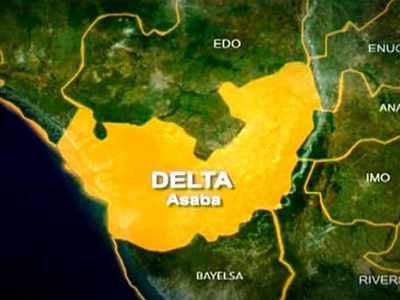
The Delta State Government has commenced a ₦5 billion grassroots empowerment programme targeting 100,000 small-scale business owners and other beneficiaries across the state’s 500 wards.
The initiative, announced on Monday, will see each beneficiary receive ₦50,000 to support small businesses, strengthen household finances and stimulate economic activities across the state.
SEE ALSO: Two Arrested as Delta Police Uncover Cache of Illegal Weapons
The Executive Assistant to the Governor on Public Enlightenment (Projects and Policies), Mr Olisa Ifeajika, disclosed this while speaking with journalists in Asaba.
Ifeajika explained that the programme was designed to complement the state government’s investments in critical infrastructure with direct financial assistance to residents.
According to him, Governor Sheriff Oborevwori directed local government councillors to facilitate the distribution of the funds, with each of the 500 wards expected to reach at least 200 beneficiaries.
He added that the initiative reflects the administration’s commitment to improving livelihoods and expanding economic opportunities for Deltans, in line with the people-centred objectives of the MORE Agenda.
The Minister of Education, Dr Maruf Tunji Alausa, has commended Alhaji Aliko Dangote and the Aliko Dangote Foundation for plans to acquire Initial Public Offering (IPO) shares of Dangote Refinery on behalf of eligible Nigerian tertiary institution students.
Alausa described the initiative as an innovative approach to promoting financial literacy, youth empowerment and wealth creation among young Nigerians.
According to a press release issued by the Federal Ministry of Education on Monday, October 19, 2026, the initiative is expected to benefit up to four million students aged 18 and above, with each eligible student expected to receive 10 IPO shares without requiring prior investment or share purchase.
The minister said the programme would expose students to capital markets, responsible investing and long-term financial planning, preparing them for greater economic participation and financial independence.
He noted that the initiative aligns with the Nigeria Education Sector Renewal Initiative (NESRI) and President Bola Ahmed Tinubu’s Renewed Hope Agenda by connecting education with enterprise, human capital development and inclusive economic growth.
According to Alausa, the initiative reflects the importance of partnerships between the education sector and private organisations in equipping young Nigerians with the knowledge and skills needed to participate in the economy.
He said the Federal Ministry of Education remained committed to strengthening private-sector partnerships to improve educational quality, relevance, equity and efficiency while preparing learners for a changing economy.
While appreciating the foundation’s contribution to youth development, the minister clarified that the ministry’s commendation was based on the initiative’s educational and developmental value.
He stressed that the ministry’s position “does not constitute an endorsement of any particular investment decision.”
Alausa also encouraged other corporate organisations to support similar initiatives that promote financial awareness, economic productivity and entrepreneurship among young Nigerians.
He urged businesses to support NESRI and the Renewed Hope Agenda in building a financially informed and economically productive generation.






JUST IN: Ex-Delta Governor Emmanuel Uduaghan Is Dead

Delta Begins ₦5bn Empowerment Scheme for 100,000 Beneficiaries
Alausa Hails Dangote Foundation’s Plan to Give Four Million Students IPO Shares
APC Campaign Council Sets Inaugural Meeting for Tuesday Ahead of Kaduna Flag-Off

Renaissance Capital Sees Significant Upside in Dangote Refinery, Lifts Valuation by 33.4%

Dangote Refinery IPO Elicits Participation in 90 Countries Globally

Trump’s Family Unveils New Cryptocurrency Platform

Senate Denies Receiving Petitions Against Tinubu’s Ambassadorial Nominees

Dangote Cement Lights Up Benue Host Communities With CSR Initiatives

Reps Recommend 3-year Jail Term For Aviation minister

Tems Sets New Record On Billboard Hot 100 Chart
