NEWS
Fuel Pricing: PETROAN Accuses Dangote Refinery Of Monopoly


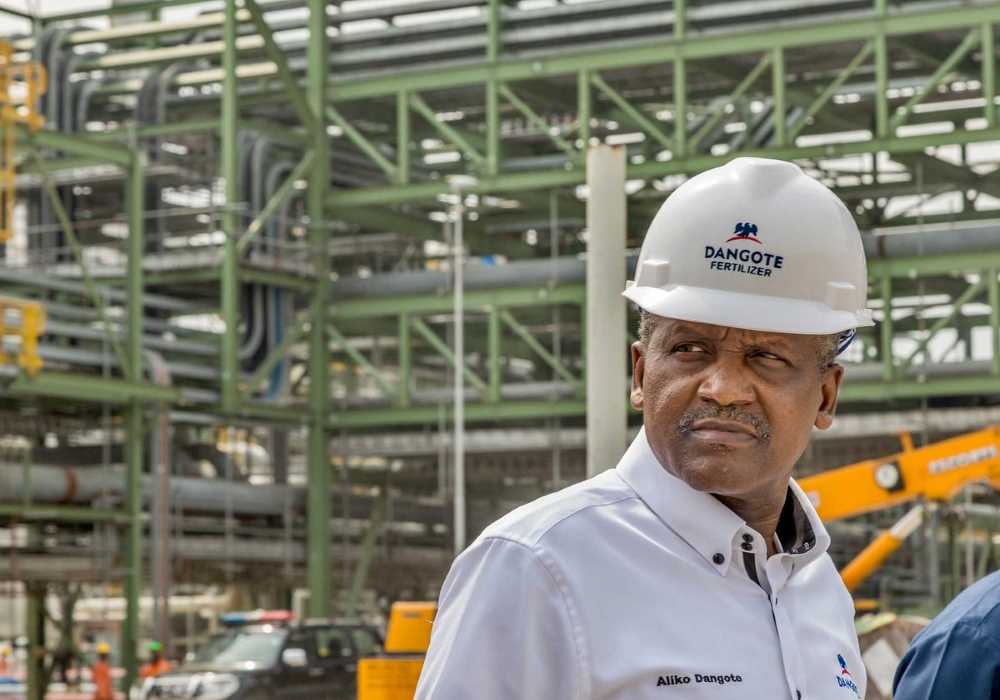
The Petroleum Products Retail Outlets Owners Association of Nigeria (PETROAN) has raised concerns over alleged monopolistic practices by Dangote Refinery, following a public dispute about fuel pricing in the downstream petroleum sector.
Recall that the refinery, Africa’s largest, recently disclosed its petrol pricing at N990 per litre in trucks and N960 per litre into ships, a move it justifies as being in line with international rates.
READ MORE: Nigeria’s Debt Service Ratio Falls To 65% As Tinubu Tackles Economic Woes
PETROAN, however, sees this as an attempt to suppress competitors and dominate the Nigerian market.
The rift began when Dangote Refinery claimed that complaints from marketers regarding its pricing were fueled by intentions to import cheaper, potentially substandard products.
In response, PETROAN strongly rejected these allegations, suggesting that Dangote’s claims are tactics designed to maintain a monopoly in the sector.
Joseph Obele, PETROAN’s spokesperson, stated that the association remains committed to importing high-quality products at more competitive rates to ensure affordability for Nigerian consumers.
According to PETROAN, competition in the market is essential for achieving fair pricing, and any attempt to stifle it would be detrimental to consumers.
They argue that Dangote Refinery’s pricing should reflect production costs and fair margins rather than international benchmarks, especially given concessions granted by the government for the refinery’s establishment.
PETROAN also announced its plans to partner with foreign refineries and financial backers to import premium-quality petroleum products at prices below current rates.
The association aims to enter the market by December 2024, pending necessary regulatory approvals.
“The allegations that PETROAN will import substandard products are unfounded and aimed at creating an unfair playing field,” the statement read.
PETROAN warned that similar claims in the past had led to significant price hikes when competitors were pushed out, emphasizing that the entry of new players into the market would lead to more competitive pricing and ultimately benefit Nigerian consumers.
PETROAN expressed appreciation for President Bola Tinubu’s commitment to revitalizing Nigeria’s state-owned refineries and urged the government to consider privatizing the Port Harcourt and Warri refineries once rehabilitation is complete.
The association believes a transparent privatization process will help strengthen Nigeria’s downstream sector and counter monopolistic tendencies.
To address the ongoing pricing challenges in the sector, PETROAN called on the government to convene a comprehensive meeting of industry stakeholders, including major associations like IPMAN, DAPPMAN, MEMAN, NUPENG, and PENGASSAN.
PETROAN believes that collaboration among these groups will be instrumental in establishing a sustainable and competitive pricing framework for petroleum products in Nigeria.








The Federal Government has reaffirmed its support for the rights of Nigerian citizens, especially young people, to stage protests and express their dissatisfaction with pressing national issues.
However, it cautioned that such actions must remain peaceful and must not result in the destruction of public infrastructure.
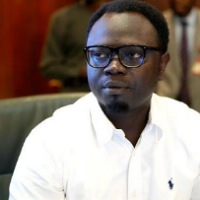
Minister of Youth Development, Comrade Ayodele Olawande, made this known in Abuja on Monday in response to recent youth-led protests across parts of the country.
READ MORE: EFCC Issues Arrest Warrant For Socialite Aisha Achimugu
“Everyone has the right to protest. In fact, if I had the time, I would join the protest myself. There is freedom of expression for all. The young people who are protesting have valid reasons, they see certain issues and feel the need to speak up,” Olawande said.
While backing the right to demonstrate, the minister emphasized the importance of maintaining peace and order during such actions.
He warned that any attempt to damage national infrastructure under the guise of protest would not be tolerated.
“However, while exercising this right, let it not escalate into something else. We will not allow anyone to destroy the infrastructural developments that support our economy and the progress we’ve made in this country,” he stated.
He further urged protesters to express their concerns in ways that do not obstruct public movement or endanger lives, suggesting that peaceful advocacy is more effective and likely to attract genuine attention from authorities.
“Yes, you have the right to speak, to come out and make your voice heard even to stand by the roadside but do not block the roads. Find a peaceful way to express your concerns; people will listen. If I have the opportunity, I’ll be there to speak with them as well.”
Olawande assured that the government is not opposed to demonstrations, but stressed that such activities must be carried out with a sense of responsibility and respect for public property.
“Protesting is a normal part of any society, and we are here to listen. No government is saying you shouldn’t protest but there must be limits and a sense of responsibility,” he added.

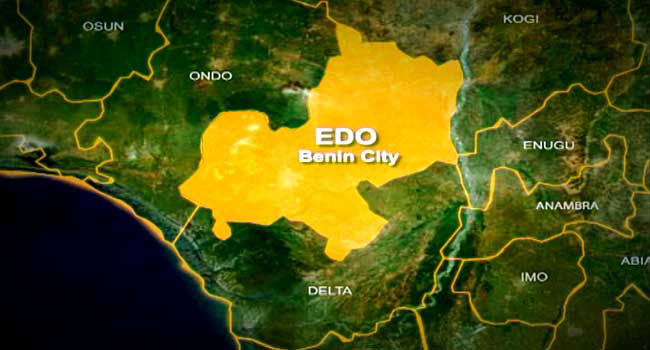
Edo State Governor, Senator Monday Okpebholo, is of the view that a wave of massive defections will soon hit opposition political parties in the South-South zone ahead of Nigeria’s 2027 elections.
He bared his mind over the weekend at a special reception in his honour at Ewatto, Esan South East local government area of Edo State after his victory at the election petition tribunal ruling.
He expressed gratitude to Edo people for their support, prayers, and counting him worthy to lead the State and assured the people that Edo would progress and develop under his watch.
In his words, “The people of Edo State will not regret voting me as their Governor. I am happy today that l am in a winning party. A party that was rejected by all and now has become the party that everybody wants to join. APC has come to stay as the government at the center is APC.
ALSO READ: TURJI BELLO: HURIWA Urges Security Chief To Resign Honourably
“Very soon, there will be a lot of defections into the APC. People will move and cross carpet from PDP, LP and other opposition parties into the APC and that will be the beginning of South South keying into the reform agenda of President Bola Ahmed Tinubu.
“Today, I am happy and proud to say that I am a son to the President of the Federal Republic of Nigeria. I am also proud to say I carry uncommon grace and uncommon transformation which I am already using to transform and develop Edo State.
“Words that come out of my mouth are prophetic and i am using these words to develop Edo State. My administration is working to ensure motorable roads and reducing traveling time for our people.
“Our development is also covering other neighboring States because South South must speak with one voice as we approach 2027.”
He had kind words for the royal fathers.
“I want to use this opportunity to appreciate our royal fathers for their support and prayers. I also appreciate Edo people for finding me worthy to cast their votes for me on September 21st governorship election in Edo State.
“It is not easy to run two elections in a year and win the two offices. I give God the glory. I am not the talking type and never interested in politics, but really want to develop Edo State.
“In 2021, we looked for an Esan man that would contest for Senate and we did not find any one who wanted to contest under the All Progressives Congress (APC) as everyone wanted to contest under the Peoples Democratic Party (PDP).
“The drive to contest came in 2022 when some people came to appeal to me to contest for the Senate and our discussion became an eye opener which led me into contesting for the Senate seat.
“I lost a beloved sister due to bad water which she consumed and I vowed to ensure good water is available across the State.
“I am really going to ensure good water runs in Edo State. Our development will not just be roads, schools, healthcare, providing the people with good drinking water across the State.”
The Governor and his entourage visited the place of the Onojie of Ewatto, HRH Osagie Sylvanus Ikhumen I, who was joined by other traditional rulers from Edo Central who received the Governor and prayed for the success of his administration.
He also inspected Chief Lee Ikpea’s Medical Center, Idumuiyase, Ewatto, where he was taken round the facility of the hospital, which is yet to be completed by the donor, Dr. Lemon Ikpea.
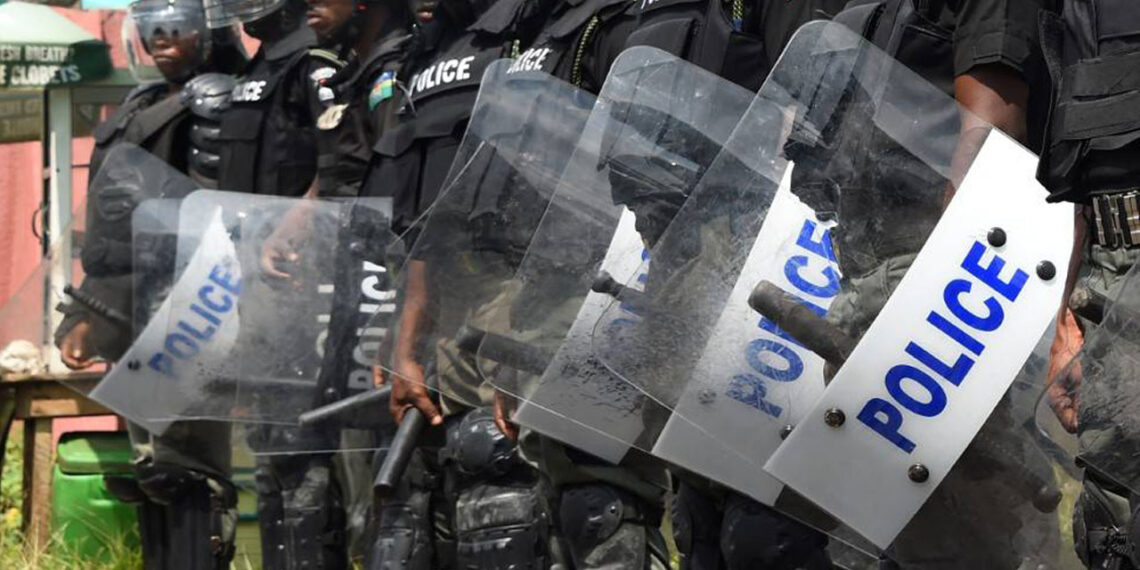
The Ondo State Police Command has cautioned residents against participating in the planned protest by the ‘Take It Back Movement’ scheduled for Monday, warning that the demonstration could be hijacked by criminal elements.
In a statement issued in Akure, the state capital, the Police Public Relations Officer, SP Ayanlade Olushola, said the command had received credible intelligence indicating possible threats to public safety if the protest goes ahead.
“The effort of the command is to stabilise the security situation across the state, and we are concerned that such a gathering could be hijacked by unscrupulous elements,” he said.
READ MORE: TURJI BELLO: HURIWA Urges Security Chief To Resign Honourably
“This could lead to a breakdown of law and order, thus rolling back the security gains we have collectively achieved in Ondo State.”
While reaffirming the citizens’ right to peaceful assembly and freedom of expression, Olushola urged the organisers of the protest to seek alternative means of voicing their concerns.
“We, therefore, urge the leadership of the ‘Take It Back Movement’, their supporters, and other interest groups to embrace constructive dialogue as a means of addressing grievances. If they take to the streets in such a manner, it may heighten tensions and heat up the polity,” he added.
The statement further disclosed that the Commissioner of Police, CP Wilfred Afolabi, has ordered all Area Commanders, Divisional Police Officers, and Tactical Team Commanders to deploy personnel and operational assets across the state to prevent any breakdown of law and order.
“The general public is hereby encouraged to go about their lawful business without fear, as adequate security measures have been put in place to guarantee the safety and protection of all citizens,” the PPRO said.
He also called on parents and guardians to discourage their children and wards from engaging in actions that could threaten the peace and stability of the state, while urging residents to report any suspicious activity to the nearest police station or security agency.






RMD’s Radio Voice Debuts In Lagos, Showcasing Nollywood’s Brilliance

JUST IN: Abure Dismisses Claims Of Leadership Vacuum In Labour Party

Southampton Sack Ivan Juric After Relegation From Premier League

Protest, But Don’t Destroy – FG Tells Youths

Okpebholo Welcomes Ikpea To APC, Expects More Defectors