
Other News
IMF Concludes Consultation with the Kingdom of Lesotho


MASERU —The Executive Board of the International Monetary Fund (IMF) yesterday concluded the Article IV consultation with the Kingdom of Lesotho.
Since 2010, the economy has been performing well with growth of real Gross Domestic Product (GDP) averaging over 5 percent a year and inflation held to single-digit levels. International reserves have recovered to close to 5 months of import coverage after dipping to 3½ months of imports in 2012 in the wake of the balance of payments and fiscal crisis caused by the sharp drop in revenues from the Southern African Customs Union (SACU) in fiscal years 2010/11 and 2011/12. The recovery from the crisis was achieved with the help of a sustained fiscal adjustment effort supported by the IMF with a three-year arrangement under the Extended Credit Facility (ECF), which was successfully concluded in September 2013.
The economic outlook for Lesotho is positive with strong economic growth and low inflation. Economic activity is expected to be supported by large public investment projects, including the second phase of the Lesotho Highland Water Project. The authorities are also taking steps to strengthen the role of the private sector. However, there are risks, most notably from the high volatility of SACU revenues.
Despite the recent strong growth, unemployment remains high and poverty is widespread, while some social indicators on primary and secondary education and HIV/AIDS highlight the future challenges.
In the near term, the authorities are faced with the issue of domestic tax performance. In 2013/14, the domestic tax revenue experienced a shortfall of 4 percent of GDP and resulted in the overall fiscal deficit of more than 1 percent of GDP, compared with a strong surplus the previous year. On the spending side, Lesotho is faced with an extraordinarily high government wage bill—the highest in sub-Saharan Africa (relative to GDP)—which to some extent crowds out public investment projects needed to promote inclusive growth under the National Strategic Development Plan (NSDP).
Executive Directors commended Lesotho’s robust economic growth with moderate inflation, and welcomed the recovery of international reserves on the back of a period of fiscal adjustment. The outlook is positive, but the economy faces risks from the volatility of revenues from the Southern African Customs Union, while unemployment remains high and poverty widespread. A strengthening of fiscal policies and stepped up reform implementation will therefore be needed to enhance resilience and promote private sector-led inclusive growth.
Directors saw a need for a tighter fiscal stance consistent with maintaining an adequate level of international reserves and creating space for priority social and capital spending. They encouraged the authorities to improve revenue administration and tax policy, including in mining, and to contain recurrent expenditure, notably the wage bill. In this regard, Directors urged completion of the ongoing pilot payroll audits and extension of the exercise to the entire civil service while strengthening control over hirings. They also encouraged the authorities to step up public financial management reforms.
Directors noted that substantial financing will be needed for the second phase of the Lesotho Highlands Water Project, and encouraged the authorities to pursue a prudent debt policy to ensure sustainability. They recommended prompt submission of the new public debt management bill to parliament.
Directors observed that the loti’s peg to the South African rand has successfully anchored Lesotho’s macroeconomic stability. They encouraged the authorities to consider moving toward a transparent and predictable rules-based fiscal framework, which, in addition to maintaining a sufficient stock of international reserves to secure the peg, would further reduce risks.
Directors welcomed the soundness of the banking sector. They emphasized the need for financial sector deepening to enable private sector-led growth, and recommended further strengthening the regulatory and supervisory framework, including effective cross-border supervision with South Africa, and establishing a functional credit reference bureau. Implementation of the Financial Sector Development Strategy will be important in this regard.
Directors encouraged the authorities to step up implementation of the National Strategic Development Plan to improve the business climate, raise competitiveness, and promote broad-based growth and poverty reduction.

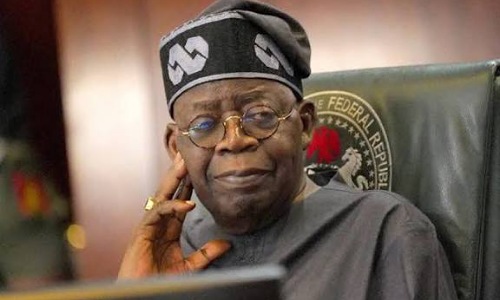
The Social Democratic Party (SDP) and the Inter-Party Advisory Council (IPAC) have disclosed details of their recent closed-door meeting with President Bola Tinubu, explaining that the engagement focused on strengthening Nigeria’s democratic process ahead of the 2027 general elections.
The clarification came amid speculation surrounding the meeting, which took place at the Presidential Villa in Abuja after leaders of several opposition parties attended an Iftar dinner hosted by the president earlier in the week.
ALSO READ: NNPC Secures Tinubu’s Approval for $20bn FID on Bonga Deepwater Project
Speaking during a gathering hosted in Abuja by the SDP’s former presidential candidate, Adewole Adebayo on Friday, the party’s National Chairman, Prof. Sadiq Gombe, said the meeting with Tinubu followed an official invitation from the Presidency and lasted about an hour.
According to Gombe, the discussion centred on the need to strengthen Nigeria’s electoral laws and restore public confidence in the country’s electoral process ahead of the 2027 polls.
He explained that the meeting provided an opportunity for party leaders to remind the president of the importance of conducting transparent, free, and credible elections.
Gombe noted that democracy can only thrive when governments listen to the concerns of citizens and ensure electoral processes that guarantee fairness and accountability.
The SDP chairman also expressed concern over growing voter apathy, pointing to the low turnout recorded in the recent Area Council election in the Federal Capital Territory.
He said the Abuja Municipal Area Council election witnessed only about seven per cent voter turnout, which he described as a clear sign that many Nigerians are losing confidence in the electoral system.
Gombe urged the government and members of the National Assembly to take urgent steps to review electoral laws and rebuild public trust in Nigeria’s democracy.
Also speaking, the National Chairman of IPAC, Dr. Yusuf Dantalle, said political parties used the meeting to raise concerns about aspects of proposed electoral reforms, particularly issues related to indirect primaries and the mandatory electronic transmission of results.
Dantalle explained that the parties appealed to the president to use his influence to encourage legislative review where necessary, noting that reforms should strengthen, rather than complicate, the democratic process.
He expressed optimism that Tinubu would consider the concerns raised and support necessary amendments that would improve the electoral system.
The IPAC chairman also called on the Independent National Electoral Commission (INEC) to strictly adhere to electoral guidelines as preparations for the next election cycle begin.
Earlier in his remarks, Adebayo cautioned political actors against turning the 2027 general elections into a do-or-die contest, stressing that the primary goal of democracy should be the progress and stability of Nigeria rather than personal political victories.
He urged leaders across political parties to encourage citizens to actively participate in the democratic process and ensure that elections are conducted peacefully and transparently.
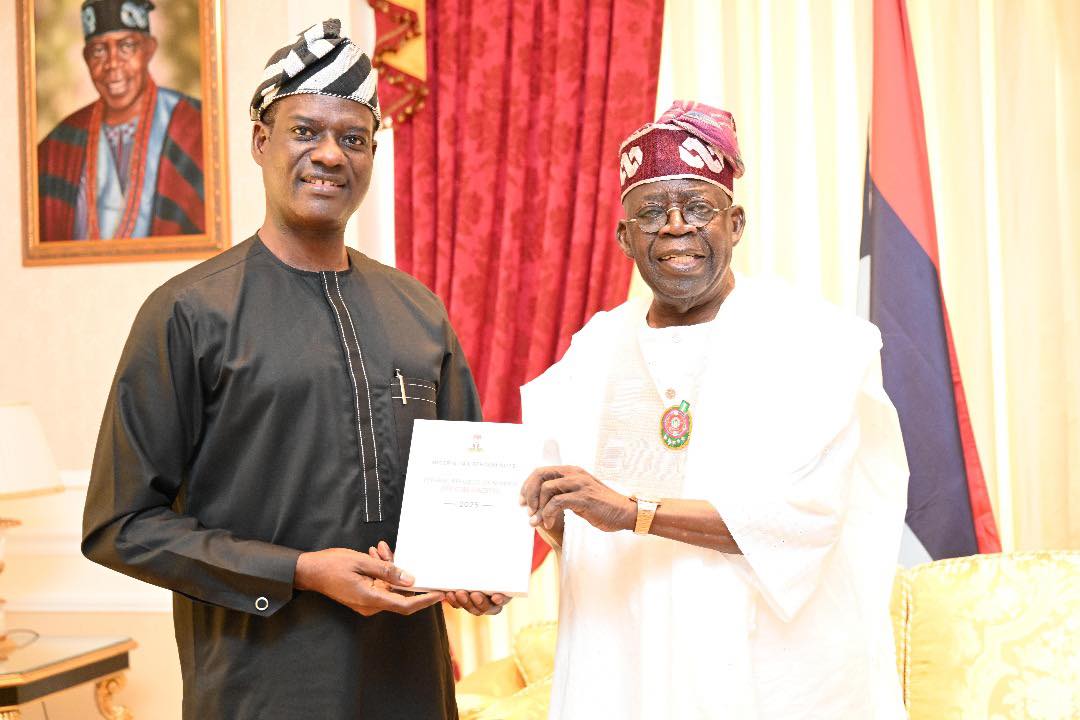
President Bola Tinubu and Mr. Taiwo Oyedele during his nomination on Wednesday.






Airfares Likely to Rise as Aviation Fuel Price Spikes by 80%

Shell Completes Turnaround Maintenance on FPSO, Resumes Production at Bonga

Sahara Group expands fleet with new 40,000 cbm LPG Carrier

NATO Shoots Down Third Iranian Missile in Turkey

Inside Tinubu’s Closed-Door Meeting With Opposition Leaders – SDP, IPAC Reveal Details

Defections Won’t Break PDP in Sokoto, Says Former Senator Gada

Trump’s Family Unveils New Cryptocurrency Platform

Reps Recommend 3-year Jail Term For Aviation minister

Dangote Cement Lights Up Benue Host Communities With CSR Initiatives

Senate Denies Receiving Petitions Against Tinubu’s Ambassadorial Nominees

Things To Know About Threads, Zuckerberg’s Twitter-like App
