
Other News
IOM Aids Rwandan Returnees from Tanzania


GENEVA– IOM has provided emergency transport assistance to over 15,000 Rwandan returnees from Tanzania over the past six months.
The returnees were expelled from Tanzania following a July 2013 presidential directive requiring all undocumented migrants in the country’s Kagera region to leave by 11th August 2013 or be forcibly removed by the security forces.
“We assume that the vast majority of Rwandans without the required “valid residential documents” have now been expelled, as the number of expellees arriving at the border is very small now,” said IOM Rwanda Chief of Mission, Catherine Northing.
By 21st January, 14,461 Rwandans, nearly a third of them women, many of them pregnant, had arrived at Tanzania’s border with Rwanda.
Many were in bad physical and mental condition after sustaining injuries in the expulsion process. Most arrived at the border without any belongings. Returnees included people who had been married to Tanzanians and been separated. Others had been born in Tanzania, had never lived in Rwanda and had no family links.
IOM responded to the crisis by providing transport from the Rusumo and Ndego border crossing points to reception and transit centres. To relieve pressure on the centres, it also provided onward transportation to districts of origin and relocation, and transfer between centres, in a programme funded by the UN Central Emergency Response Fund.
During the process, returnees stayed at three locations in Kirehe and Kayonza districts. IOM assistance included provision of transport and support for Rwanda’s Ministry of Disaster Management and Refugee Affairs (MIDIMAR) to rehabilitate emergency shelters and manage camps, including the provision of necessities such as housing materials and firewood.
All returnees have now been moved back to their districts of origin or to relocation sites. But many have no homes to go back to and are staying in small district camps in 30 different locations.
District officials are providing them with land and other assistance, but lack adequate resources to provide reintegration assistance, including shelter.
“The humanitarian emergency phase is now over, but the returnees are still in desperate need of reintegration assistance in their districts of origin or relocation. IOM can help, but it needs funding from international donors,” said Northing.

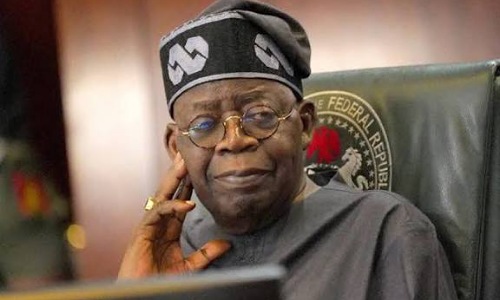
The Social Democratic Party (SDP) and the Inter-Party Advisory Council (IPAC) have disclosed details of their recent closed-door meeting with President Bola Tinubu, explaining that the engagement focused on strengthening Nigeria’s democratic process ahead of the 2027 general elections.
The clarification came amid speculation surrounding the meeting, which took place at the Presidential Villa in Abuja after leaders of several opposition parties attended an Iftar dinner hosted by the president earlier in the week.
ALSO READ: NNPC Secures Tinubu’s Approval for $20bn FID on Bonga Deepwater Project
Speaking during a gathering hosted in Abuja by the SDP’s former presidential candidate, Adewole Adebayo on Friday, the party’s National Chairman, Prof. Sadiq Gombe, said the meeting with Tinubu followed an official invitation from the Presidency and lasted about an hour.
According to Gombe, the discussion centred on the need to strengthen Nigeria’s electoral laws and restore public confidence in the country’s electoral process ahead of the 2027 polls.
He explained that the meeting provided an opportunity for party leaders to remind the president of the importance of conducting transparent, free, and credible elections.
Gombe noted that democracy can only thrive when governments listen to the concerns of citizens and ensure electoral processes that guarantee fairness and accountability.
The SDP chairman also expressed concern over growing voter apathy, pointing to the low turnout recorded in the recent Area Council election in the Federal Capital Territory.
He said the Abuja Municipal Area Council election witnessed only about seven per cent voter turnout, which he described as a clear sign that many Nigerians are losing confidence in the electoral system.
Gombe urged the government and members of the National Assembly to take urgent steps to review electoral laws and rebuild public trust in Nigeria’s democracy.
Also speaking, the National Chairman of IPAC, Dr. Yusuf Dantalle, said political parties used the meeting to raise concerns about aspects of proposed electoral reforms, particularly issues related to indirect primaries and the mandatory electronic transmission of results.
Dantalle explained that the parties appealed to the president to use his influence to encourage legislative review where necessary, noting that reforms should strengthen, rather than complicate, the democratic process.
He expressed optimism that Tinubu would consider the concerns raised and support necessary amendments that would improve the electoral system.
The IPAC chairman also called on the Independent National Electoral Commission (INEC) to strictly adhere to electoral guidelines as preparations for the next election cycle begin.
Earlier in his remarks, Adebayo cautioned political actors against turning the 2027 general elections into a do-or-die contest, stressing that the primary goal of democracy should be the progress and stability of Nigeria rather than personal political victories.
He urged leaders across political parties to encourage citizens to actively participate in the democratic process and ensure that elections are conducted peacefully and transparently.
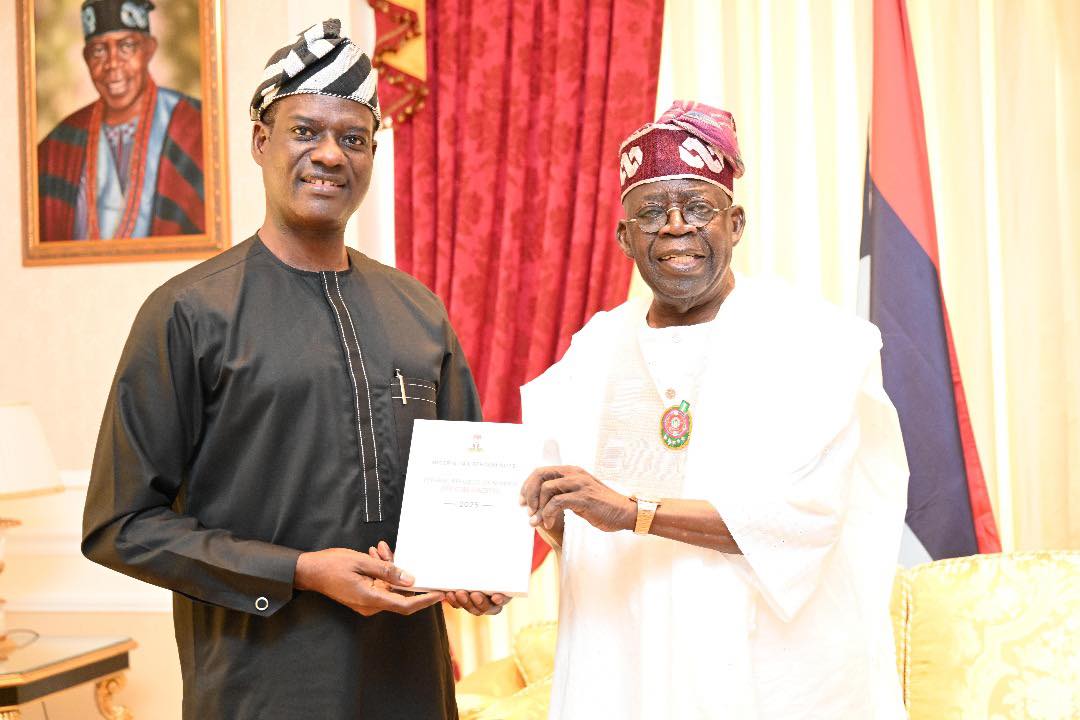
President Bola Tinubu and Mr. Taiwo Oyedele during his nomination on Wednesday.






Airfares Likely to Rise as Aviation Fuel Price Spikes by 80%

Shell Completes Turnaround Maintenance on FPSO, Resumes Production at Bonga

Sahara Group expands fleet with new 40,000 cbm LPG Carrier

NATO Shoots Down Third Iranian Missile in Turkey

Inside Tinubu’s Closed-Door Meeting With Opposition Leaders – SDP, IPAC Reveal Details

Defections Won’t Break PDP in Sokoto, Says Former Senator Gada

Trump’s Family Unveils New Cryptocurrency Platform

Reps Recommend 3-year Jail Term For Aviation minister

Dangote Cement Lights Up Benue Host Communities With CSR Initiatives

Senate Denies Receiving Petitions Against Tinubu’s Ambassadorial Nominees

Things To Know About Threads, Zuckerberg’s Twitter-like App
