Other News
IOM, UNHCR Organize Mixed Migration Meeting in Mozambique


GENEVA – IOM and UNHCR yesterday hosted a meeting with key stakeholders to discuss the national response to mixed migration challenges in Mozambique. The meeting was part of the preparations for the 2014 regional Migration Dialogue for Southern Africa (MIDSA) conference, which will focus on mixed and irregular migration.
At the meeting, which was funded by the US State Department’s Bureau of Population, Migration and Refugees (PRM), government, non-government and UN partners came together to assess the progress of implementation of the regional action plan developed by South African Development Community (SADC) member states in Dar-es-Salaam in 2010.
The meeting was opened by Maria Lavinia M. Hamede, Deputy National Director of Mozambique’s Immigration Department, who pointed to the increasing trend in movement of people globally, and especially along the Mozambican transport corridors to South Africa. At the same time rapid economic growth in Mozambique is also attracting significant numbers of regular and irregular migrant workers, she noted.
IOM Mozambique Chief of Mission for Stuart Simpson said that it was crucial for the response to mixed migration to be informed by concerns for the human rights, safety and dignity of migrants.
“Frontline officials have to work in a more coordinated way in screening new arrivals and ensuring that they have access to the correct immigration procedures and assistance when necessary,” he said.
Research conducted in 2012-2013 found that migrants transit Mozambique trying to reach South Africa. They include refugees and economic migrants from the Horn of Africa, notably Ethiopians and Somalis, and the Democratic Republic of the Congo.
The study found that migrants travelling through Mozambique face major health risks, including physical violence from individual attacks, detention and poor conditions in various police holding cells, which resulted in the death of at least one migrant in 2012.
Meeting participants agreed to work towards a coordinated regional response which would benefit society, migrants, and respect migrants’ dignity and their contribution to development. The government of Mozambique will bring the issues and challenges raised in the discussion to the MIDSA, which will take place in Malawi in June 30th – July 2nd.

Super Eagles Captain, Ahmed Musa has been signed up by Jaiz Bank as a brand ambassador.
An elated Musa made the disclosure in a statement on his verified handle on micro-blogging site, X on Thursday.
The Kano Pillars striker urged his fans to troop to Jaiz Bank to do business for trusting him with the new role.
He exclaimed, “And to my amazing fans – if you want to support me, make sure to head over to Jaiz Bank and open your accounts with them today! ”
ALSO READ: CSR: Dangote Cement Fuels Education With Support Projects At Lagos Schools
He wrote, “✨Alhamdulillah✨ I am SO excited to announce that I’ve officially joined Jaiz Bank as their newest ambassador! 🎉💼
“A huge thank you to @JaizBankNG for trusting me and allowing me to be a part of this amazing journey! 🙏🏼💚 It’s an honor to represent a brand that believes in growth, security, and financial empowerment.
“I can’t wait to share all the incredible things we’ll be doing together! 🚀💡
And to my amazing fans – if you want to support me, make sure to head over to Jaiz Bank and open your accounts with them today! Let’s grow together! 💪🏼🔑
“@JaizBankNG is a non interest Financial institution poised with a mission to make life better through ethical Finance. 👌👌”
#NewBeginnings #BankWithJaizBank #PartneredUp #TeamJaizBank”


On November 20, 2024, Kenya’s First Lady, Rachel Ruto, celebrated her 56th birthday and her husband President William Ruto publicly expressed his love and appreciation for his wife on this special day, wishing her well.
The birthday celebrations were marked by an outpouring of goodwill from political figures, media, and citizens across Kenya, who praised her for her grace, leadership, and significant contributions to society, particularly through initiatives like the Joyful Women Organisation, which aims to empower rural women.
READ MORE: Vinicius Jr. Honors Cameroonian Roots Ahead Of Brazil’s Clash With Uruguay
The day was characterized by a collective acknowledgment of her role as a national figure dedicated to community upliftment.
In a heartfelt message, President William Ruto took to social media, writing, “Happy birthday my love, @MamaRachelRuto. Continue being a blessing to me and our children. Mungu akubariki sana,” which translates to “God bless you abundantly.”
Other prominent leaders also extended their wishes to the First Lady, with Anne Waiguru, EGH, OGW, Governor of Kirinyaga County, tweeting, “Happy Birthday First Lady,” further showing the respect and admiration for Rachel Ruto’s leadership and impact.
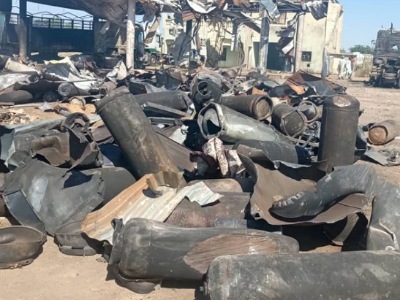
A gas cylinder explosion at a filling station in Jibia Local Government Area of Katsina State has resulted in significant damage to six vehicles, according to a statement from the Katsina State Police Command.
The command’s spokesperson, Abubakar Sadiq-Aliyu, confirmed the incident, which occurred on Friday, November 15, 2024.
He explained that a loud explosion alerted police operatives from the Jibia Divisional Police Headquarters. Responding promptly, the Divisional Police Officer led a team to the site, supported by military personnel.
READ MORE: JUST IN: Inflation Woes Continue As Nigerian Rates Climb To 33.88%
“Upon arrival, operatives found a truck loaded with gas cylinders engulfed in flames at Tamal filling station, along Kagadama-Magamar Jibia Road,” Sadiq-Aliyu stated. The joint team acted swiftly, deploying measures to protect lives and limit property damage. Their efforts successfully extinguished the fire.
The spokesperson added, “Six motor vehicles were significantly affected by the fire incident, but fortunately, no life was lost.”
State Commissioner of Police, Aliyu Abubakar-Musa, has directed a thorough investigation to determine the cause of the explosion. Updates on the findings will be provided as investigations progress.
This incident highlights the need for heightened safety measures at gas filling stations to prevent such occurrences.





Entertainment Made Africa Look Good Despite Bad Leaders — Davido

NECO Expands Global Footprints, Accredits Niger, Equatorial Guinea Schools

Harry Kane Hits Back At Critics With Historic Hat-Trick For Bayern Munich

Angry Mob Burns Two Revenue Touts Alive After Fatal Accident In Onitsha

Ex-UN Envoy Warns Of New Cold War Threatening Africa’s Unity

EPL Confirms 2025/26 Season Dates, Introduces Player Welfare Measures

OSSG Raises Alarm Over Murder Plot By APC Chieftain

NCC, SMEDAN, NAICOM, SEC, Others Set for SUPERNEWS SMEs Conf June 13
Sahara’s Tonye Cole resigns from GPHCDA

Oando opens ultra-modern petrol station in Lagos
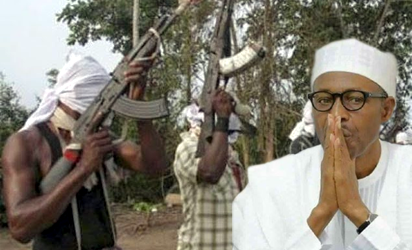
Niger Delta Avengers: President Buhari Reads riot Act …considers the carrot and stick option