
NEWS
Iran Rolls Out Terms for Hormuz Reopening

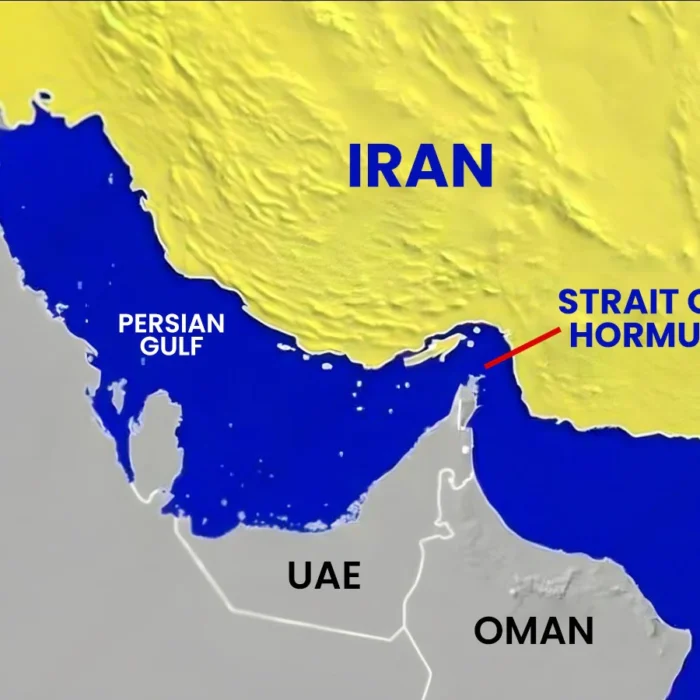
New concerns have emerged that disruption to one of the world’s most critical oil routes might continue, as Iran has laid terms of reopening the Strait of Hormuz on the table before the United States of America (USA).
Biztellers reports that Iran is demanding six things, touching on military operations, sanctions, compensation and access to her frozen assets, as conditions precedent to the reopening of the route.
According to Mohammad Baqer Zolghadr, Secretary of Iran’s Supreme National Security Council (SNSC), Tehran expected Washington to end what it described as hostile actions before the strategic waterway could be reopened.
Iran’s conditions include an end to US threats and military operations, a permanent cessation of the war, the withdrawal of American naval and air forces from areas around Iran, compensation for damage caused by the conflict, the removal of sanctions and the release of frozen Iranian assets.
READ ALSO: NMDPRA Moots New Policy to Improve Energy Security, Stem Fuel Price-fixing
The demands indicate that Tehran does not consider the draft agreement being discussed with Washington sufficient to restore normal shipping through the strait.
Any eventual agreement would also require approval from Iran’s SNSC, suggesting that the reopening of the waterway could remain tied to wider political and security negotiations.
The development comes as shipping activity through the Strait of Hormuz remains significantly below previous levels, with only 33 vessels crossing the waterway from Monday through Thursday, compared with 50 during the corresponding period a week earlier.
Crude tanker movements have been particularly limited, with only six crude oil tankers reportedly exiting the strait so far this week.
The subdued traffic has persisted despite expectations that Iran and Oman could reach an arrangement to facilitate a shipping corridor through the waterway.
Further uncertainty surrounds the treatment of vessels linked to the USA and Israel, with Tehran considering restrictions on such ships. Earlier proposals for charging transit fees have also heightened concerns among shipping operators.
In a related development, the European Union (EU) has accused Iran’s Islamic Revolutionary Guard Corps Navy of operating a screening and toll system for vessels transiting the strait, adding to concerns over the security and cost of commercial shipping.
Washington, however, has struck a more optimistic tone.
US Vice President, JD Vance, said the administration expected oil and gas flows from the Gulf to eventually return to levels recorded before the conflict.
Vance also said Iran had informed Washington that it did not intend to impose transit tolls, although he acknowledged that the United States remained cautious about relying on Tehran’s assurances.
The conflicting positions have left the outlook for a return to normal shipping through Hormuz uncertain.
While Washington is projecting a restoration of Gulf energy flows to pre-war levels, Iran has now linked the reopening of the strait to broad military, political and financial concessions from the United States.
The Strait of Hormuz is a critical artery for global energy markets, making the duration of the disruption particularly significant for crude oil, refined products and natural gas supplies.
The outcome of the negotiations could therefore determine whether the current disruption remains a short-term shock or develops into a prolonged threat to global energy supplies, with potential implications for oil prices, tanker markets and energy security worldwide.








The Nigerian Upstream Petroleum Regulatory Commission (NUPRC) has opened the registration portal for its 2026 oil and gas licensing round.
Information on the portal, which opened during the weekend, disclosed that the bid commenced on November 20, 2026 and will close on January 15, 2027, for 17 onshore blocks, 14 shallow water and nine deep offshore assets.
Biztellers reports that the bid is offering 40 blocks across onshore, shallow water and deep offshore terrains to prospective investors.
The commission urged interested investors to visit the portal to access the full list of available blocks, bidding guidelines and frequently asked questions, explaining that the platform was designed to provide a seamless experience for prospective bidders.
READ ALSO: Indian Firms to Supply DPRP with $38.94m Pumping Systems
The licensing process, a statement by the commission said, will run through five stages, including registration and prequalification, access to data, submission of technical and commercial bids, technical evaluation and commercial conference.
According to the upstream regulator, the next major activity would be a pre-bid conference scheduled to hold in Lagos on December 16, 2026, stressing that further information and updates would be communicated through the portal and its official social media platforms.
The 2026 licensing round was announced by the Commission Chief Executive, Oritsemeyiwa Eyesan, on October 6, following approval by President Bola Tinubu, who also serves as Minister of Petroleum Resources.
Meanwhile, the commission has pledged to ensure timely delivery of Nigeria’s upstream climate commitments, declaring that its gas flaring and methane reduction targets were regulatory obligations rather than mere aspirations.
It disclosed that metering compliance across flare sites had reached 92 per cent, describing the progress as part of efforts to strengthen emissions monitoring and ensure that climate commitments are backed by verifiable data.
Speaking on behalf of Eyesan at a side event organised by the African Green Economy and Sustainability Institute (AGESI) at the Gabon Pavilion during COP31 in Türkiye, Assistant Director, Remediation and Sustainability, Ibrahim Alhaji, said the commission was moving from estimates to evidence in monitoring emissions.
Under Nigeria’s Nationally Determined Contributions (NDCs) 3.0, the country said it was committed to ending routine gas flaring by 2030 and reducing fugitive methane emissions by 60 per cent.
According to the NURPC, the development has a potential to reduce more than 27 million tonnes of fugitive methane emissions and 2 million tonnes of carbon dioxide equivalent from flaring by 2035.
Eyesan identified transparency, investment readiness and capacity building as the three critical pillars for achieving the targets, stressing that credible emissions data would make climate-related projects more attractive to investors and improve access to climate and blended finance.
The session, convened by AGESI, the Society for Planet and Prosperity and Natural Eco Capital, ended with a follow-up plan focused on partnerships, data disclosure, capacity building and progress reporting beyond COP31.

The Osun State Executive Council (SEC) has approved a 2027 draft budget as submitted by the various Ministries, Departments and Agencies of government
This follows a presentation by by the Commissioner for Economic Planning, Budget and Development, Prof. Moruf Ademola Adeleke, according to a government house statement on Osogbo on Friday.
It added that it was part of the resolutions reached after the SEC meeting presided over by Osun State Governor, Senator Ademola Adeleke at the Executive Council Chambers, Governor’s Office, Bola Ige House, Osogbo.
The Commissioner said after due consideration of the memo presented by the Commissioner for Economic Planning, Budget and Development, Prof. Moruf Ademola Adeleke for the draft 2027 Recurrent and Capital Budget estimates of the State Government, the Executive Council approved the budget draft estimates with immediate effect.
The Council, has consequently directed the transmission of the approved draft budget to the Osun State House of Assembly (OSHA) for subsequent legislative action.

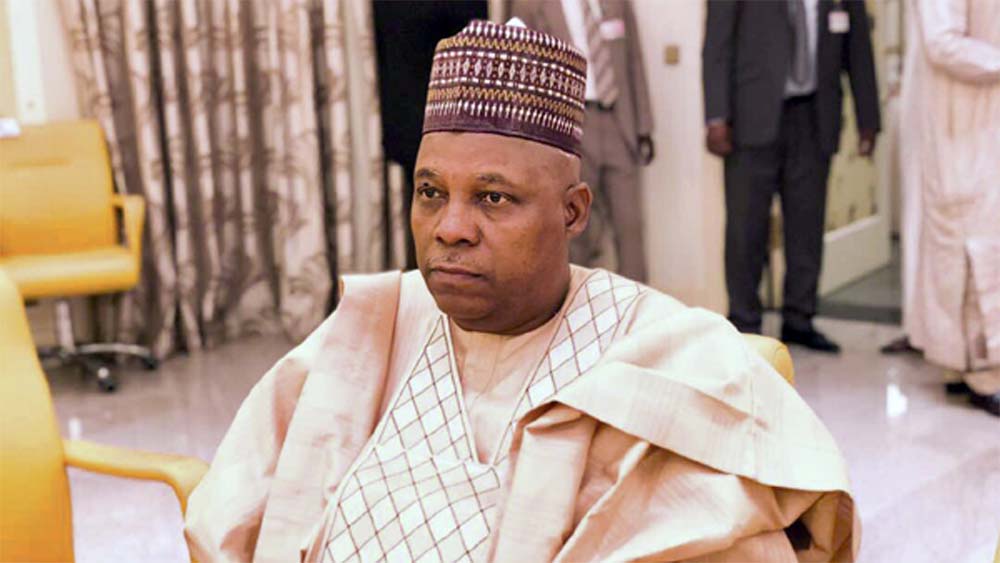
Vice President Kashim Shettima on Friday attended the grand opening of Ashley Furniture Nigeria’s showroom in Lagos.
The development was disclosed by the Vice President’s Senior Special Assistant on Media and Communications, Stanley Nkwocha, in a statement released on Friday.
The opening marks a significant development in Nigeria’s furniture and retail industry, following a strategic partnership between Ashley Furniture Industries, a major American home furnishings manufacturer, and Vento Furniture, a Nigerian furniture company.
SEE ALSO: Shettima, Wife Depart Abuja for Jos as Tinubu–Shettima Campaign Takes Rally to Plateau
The partnership, announced in 2025, is aimed at expanding Nigerians’ access to quality home furnishings while creating opportunities for investment, commercial partnerships and the development of the country’s furniture industry.
At the time of announcing the partnership, Ashley Furniture Industries’ President and Chief Executive Officer, Todd Wanek, described the company’s entry into Nigeria as a major step in its international expansion.
“We are incredibly excited to partner with Vento Furniture. Opening in Nigeria, the largest economy in Africa, is a monumental step for our international growth,” Wanek said.
He added that the company looked forward to opening more stores in Nigeria and supporting Vento Furniture as its anchor partner.
Vento Furniture’s Chief Executive Officer, Cemal Yigit, also expressed optimism about the partnership, describing it as an important development for Nigeria’s home furnishings market.
“We are very excited about this alliance,” Yigit said, expressing confidence in Ashley Furniture’s growth in the Nigerian market.
The partnership aligns with President Bola Ahmed Tinubu’s economic reform agenda, which places private-sector investment, enterprise development and job creation at the centre of efforts to stimulate economic growth.






2026 Licensing Round: NUPRC Opens Portal for 40 Oil, Gas Blocks

Indian Firms to Supply DPRP with $38.94m Pumping Systems
Osun SEC Approves Draft 2027 Budget

Dangote Cement Honours Outstanding Drivers for Safety Excellence, Records 60% Reduction in Road Traffic Accidents

APPO Lauds Nigeria on Energy Bank Initiative
Shettima Attends Grand Opening of Ashley Furniture Showroom in Lagos

Trump’s Family Unveils New Cryptocurrency Platform

Senate Denies Receiving Petitions Against Tinubu’s Ambassadorial Nominees

Dangote Cement Lights Up Benue Host Communities With CSR Initiatives

Reps Recommend 3-year Jail Term For Aviation minister

Tems Sets New Record On Billboard Hot 100 Chart