
NEWS
EITI Appraises Nigeria’s Oil, Gas Industry Reforms


The Global Extractive Industries Transparency Initiative (EITI) team is in Nigeria to assess the impact, transparency and accountability in the oil, gas and mining sectors.
The validation mission, effective Monday, is part of the 2026 EITI’s Validation Exercise that commenced on July 1.
The exercise is particularly significant for Nigeria, as it provides an opportunity for the country to demonstrate how far it has implemented the corrective actions identified during its previous assessment and strengthened the governance of its natural resources.
The Nigeria EITI, in a statement issued on Sunday under the signature of its Director of Communications and Stakeholders Management, Obiageli Onuorah, said the arrival of the global assessors marked a major stage in the ongoing validation process.
ALSO READ: Dissolve Contentious HCDT Immediately – RMAFC to NUPRC
The mission is expected to run from August 10 to August 14, during which the assessors will conduct a comprehensive quality assurance assessment and consult a wide range of stakeholders involved in Nigeria’s extractive industries.
The statement read, “The Nigeria Extractive Industries Transparency Initiative announces the arrival of the Global Extractive Industries Transparency Initiative Validation Assessors as part of the ongoing 2026 EITI Validation Exercise which commenced on July 1st 2026. The presence of the EITI Mission in Nigeria marks a significant stage in Nigeria’s 2026 EITI Validation and forms part of the global EITI Validation process.
“During the mission, which commences August 10th 2026, the Validation Assessors will undertake a comprehensive quality assurance assessment and hold consultations with key stakeholders”
The stakeholders include government institutions, the National Assembly, oil, gas and mining companies, civil society organisations, development partners, anti-corruption agencies, host communities and the media.
The assessors will also meet senior government officials and key institutions involved in the management and oversight of Nigeria’s extractive resources.
Among those expected to meet the mission are the Secretary to the Government of the Federation and Chairman of the NEITI Board, Senator George Akume; members of the NEITI National Stakeholders Working Group; the Ministers of Finance and Budget and Economic Planning; the Group Chief Executive Officer of the Nigerian National Petroleum Company Limited; NEITI’s Inter-Ministerial Task Team; members of the Senate Committee on Public Accounts and other relevant committees of the National Assembly, as well as the Ministry of Industry, Trade and Investment.
The consultations are expected to give the assessors an opportunity to hear directly from stakeholders about the country’s implementation of the EITI Standard, ongoing reforms and outstanding challenges in the extractive sector.
Commenting, the Executive Secretary of NEITI, Musa Adar, described the exercise as an important opportunity for Nigeria to demonstrate its commitment to responsible management of its oil, gas and mining resources.
“Nigeria remains firmly committed to the principles of the Extractive Industries Transparency Initiative. We regard the Validation process as an opportunity not only to assess the progress we have made, but also to highlight areas where further reforms can enhance extractive sector governance,” Sarkin Adar said.
The NEITI boss said the agency had worked with the National Stakeholders Working Group and other stakeholders to prepare for the assessment.
According to him, the preparations included the submission of Nigeria’s validation documentation and targeted engagements with stakeholders in line with the requirements of the 2023 EITI Standard.
He expressed confidence that the mission would strengthen Nigeria’s relationship with the global EITI and reinforce its commitment to transparency, accountability and prudent management of its natural resources.
Validation is the EITI’s independent quality assurance mechanism for determining how well implementing countries comply with the EITI Standard.
The process examines the extent to which countries have improved transparency and accountability in the management of extractive resources while also identifying areas requiring further reforms.
For Nigeria, the latest exercise comes against the backdrop of its previous validation, which produced a moderate score but also identified areas requiring corrective action.
Nigeria underwent its fourth EITI validation in January 2023 under the 2019 EITI Standard and obtained an overall score of 72 points.
The assessment identified a number of corrective actions that Nigeria was expected to address before its next validation.
The 2026 exercise will therefore provide an independent assessment of whether the country has made measurable progress since the last validation and whether reforms have been institutionalised across the extractive sector.
The assessment covers issues central to the management of Nigeria’s vast oil, gas and mining resources, including transparency, public oversight and accountability.
The latest validation is also taking place as Nigeria seeks to deepen reforms in its extractive industries and attract more investment into the upstream oil and gas and mining sectors.
The country has long faced concerns over revenue leakages, opaque ownership structures, crude oil theft, weak public oversight and limited transparency around the management of natural resources.
The EITI process is designed to help address some of these challenges by promoting disclosure and encouraging collaboration among government, extractive companies and civil society.
Nigeria joined the EITI as an implementing country in 2004 and subsequently enacted the NEITI Act in 2007, establishing a statutory framework for promoting transparency in the management of the country’s extractive industries.
Since then, NEITI has conducted industry audits, published reports and made recommendations aimed at improving revenue collection, reducing leakages and strengthening accountability in the oil, gas and mining sectors.
The 2026 validation therefore comes at a critical point for the country as it seeks to demonstrate that previous recommendations have translated into concrete institutional reforms rather than remaining largely on paper.
NEITI said the exercise would also allow stakeholders to present their perspectives on the reforms and challenges affecting the extractive sector.
“The 2026 EITI Validation is an opportunity to demonstrate the progress Nigeria has made in strengthening extractive sector governance, addressing previous corrective actions and institutionalising reforms that promote transparency and accountability,” the agency stated.
The outcome of the exercise will provide an external assessment of Nigeria’s implementation of the EITI Standard and could influence the direction of further reforms in the sector.
The validation mission is expected to conclude on August 14.







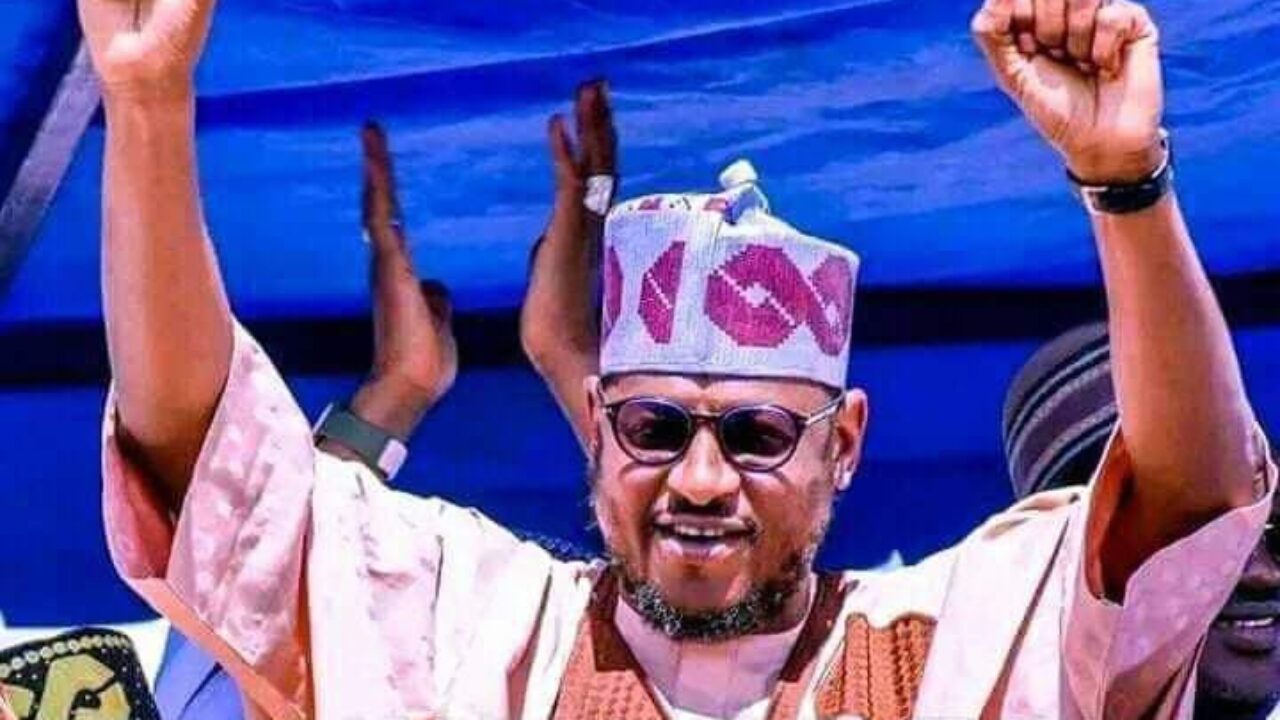
Katsina State Governor, Dikko Umaru Radda, has flagged off the disbursement of ₦689.79 million in bursary payments to 19,318 continuing students across 97 institutions for the 2025/2026 academic session.
The disbursement follows a 100 per cent increase in academic bursary rates, marking the first adjustment since 2007.
The latest payment forms part of the state government’s broader investment in education and student welfare, with cumulative bursary disbursements and related student awards under the administration reaching ₦3.29 billion.
SEE ALSO: Dikko Radda Of APC Wins Katsina Governorship Election
More than 174,000 beneficiary payments have been recorded across successive payment cycles.
Increased Allowances for Veterinary and Law Students
Under the revised scholarship support framework, allowances for Veterinary Medicine students have increased by 150 per cent for students in the 300 and 400 levels and by 200 per cent for those in the 500 and 600 levels.
Support for Nigerian Law School students and academic excellence awards has also continued.
The state government has also approved a scholarship programme for 1,700 students, with 50 beneficiaries drawn from each of the state’s 34 local government areas.
The programme is designed to support tuition fees, registration and other educational expenses.
₦6bn Scholarship Trust Fund
The government has made provision for ₦6 billion in seed funding for a scholarship trust fund intended to strengthen educational financing.
The fund is expected to support specialised scholarship opportunities in fields including engineering, medicine, Artificial Intelligence and mechatronics.
The state’s foreign scholarship initiatives have also supported 118 students studying Medicine, Artificial Intelligence and Bioengineering in Egypt, Ethiopia and China, with approved educational and living expenses covered by the government.
More Scholarship Opportunities
Other educational support initiatives include 34 maritime scholarship beneficiaries and seven students receiving 50 per cent financial support at the Nigerian College of Aviation Technology, Zaria.
The state has also nominated 34 candidates for MBBS studies in Russia, identified 70 prospective master’s degree candidates and selected 10 candidates for Qur’anic Sciences scholarships in Ghana.
These initiatives form part of the state’s broader efforts to expand access to education across different fields and levels of study.
Scholarship Board Strengthens Accountability
The Katsina State Scholarship Board has also strengthened its application, verification and payment systems.
As part of its accountability measures, the board interviewed more than 14,925 fresh applicants and returned approximately ₦86 million in unclaimed funds to the state government.
The state also acknowledged the contributions of the Nigerian Education Loan Fund (NELFUND), the Tertiary Education Trust Fund (TETFund) and the National Information Technology Development Agency (NITDA) in expanding access to educational financing and digital learning resources.
Radda Inaugurates Tinubu/Dikko Education Beneficiary Network
As part of the activities, Radda inaugurated the Tinubu/Dikko Education Beneficiary Network (TDEBNET), a voluntary organisation comprising parents and beneficiaries of educational programmes.
Members of the organisation expressed support for the re-election bids of Radda and President Bola Ahmed Tinubu in 2027.
Federal agents raided the Washington, D.C., home of Democratic Congresswoman Ilhan Omar early Monday morning as part of an ongoing federal criminal investigation, the United States Department of Justice (DOJ) has confirmed.
Homeland Security Investigations agents arrived at the Minnesota congresswoman’s residence at about 6:00 a.m. Eastern Time, according to a report by Fox News.
SEE MORE: Trump Sparks Outrage With Shock Proposal to Rename New Mexico
The report said both the Department of Homeland Security (DHS) and the DOJ are involved in the investigation.
A DOJ spokesperson confirmed the operation, stating: “Today in the Washington, D.C. area, Homeland Security Investigations executed a judicially authorized search warrant secured by the Department of Justice.”
The spokesperson added: “This enforcement action is part of an ongoing federal criminal investigation.”
Details later……….
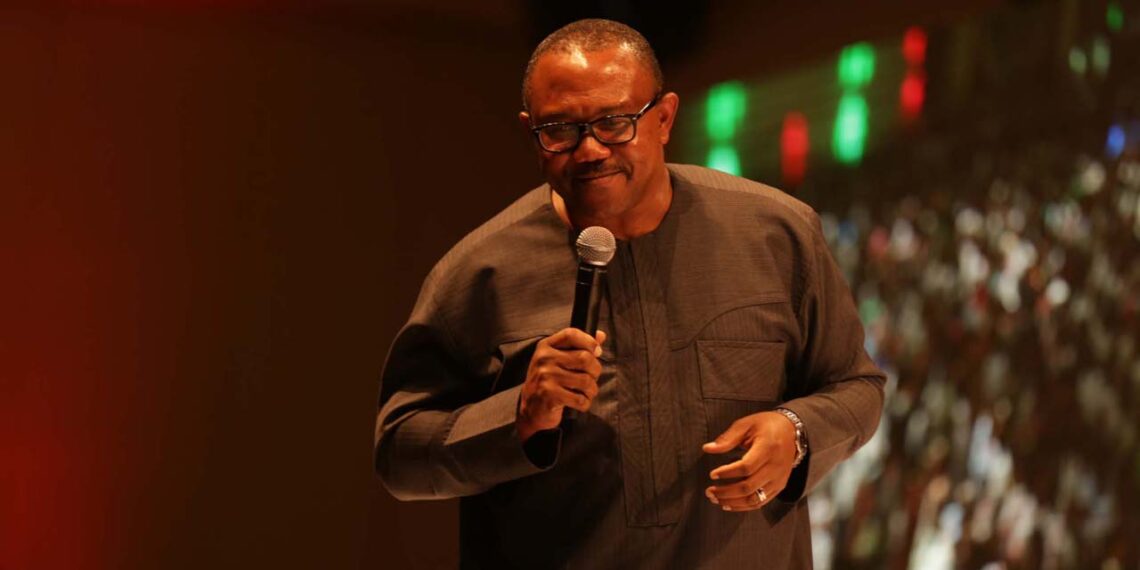
Former Labour Party presidential candidate Peter Obi has criticised President Bola Tinubu’s economic reforms, arguing that improvements in economic growth and government revenue have not translated into better living conditions for Nigerians.
Obi made the remarks in a statement posted on his X account on Monday, October 12, while reacting to the World Bank’s latest report on Nigeria’s economic performance and government spending priorities.
He argued that improvements in some macroeconomic indicators should not be interpreted as evidence that the standard of living of Nigerians is improving.
According to him, the real measures of economic development are poverty reduction, job creation and efforts to address inequality.
“Nigerians and even the World Bank know that the criteria for economic development is whether poverty is declining, whether jobs are created for our youths, and whether we are reducing acute inequality,” Obi stated.
He maintained that economic stability under the Tinubu administration had not resulted in higher living standards, improved employment opportunities or reduced poverty and inequality across the country.
Obi argued that an economy cannot be considered stable merely because government revenue increases, foreign reserves strengthen or gross domestic product grows.
“Stability exists when citizens can afford food, obtain healthcare, provide education for their children, and live with dignity,” he said.
The former Anambra State governor questioned the benefits of increased government revenue to Nigerians struggling to meet their basic needs.
“What comfort does higher revenue offer a mother who cannot provide her children with a nutritious meal? What does higher government revenue mean to a family forced to choose between purchasing food and paying for medicine?” he asked.
He also questioned the impact of the administration’s economic reforms on ordinary Nigerians, arguing that citizens continued to bear the costs and hardship associated with government policies.
Obi further cited a recent United Nations Development Programme report, which he said listed Nigeria among countries where gains made in reducing poverty had been reversed.
He also claimed that about 140 million Nigerians were classified as multidimensionally poor.
The former presidential candidate accused the Tinubu administration of presenting incomplete economic statistics to project progress without adequately addressing the welfare of citizens.
“President Bola Tinubu and his incompetent team must recognize that intentionally presenting and projecting incomplete economic statistics cannot replace the critical measure of how reform impacts on the welfare of the people,” he said.
Obi added that Nigerians should not be expected to celebrate economic statistics while struggling to survive the effects of government policies.
“A government cannot expect citizens to applaud statistics while they struggle to survive the effects of its policies,” he stated.






Nigeria Records Biggest Rise in Multidimensional Poverty Among Five Countries – UN

Katsina Students Get ₦689.79m Bursary as Gov Radda Doubles Allowances
DOJ Confirms Federal Criminal Investigation After Agents Raid Ilhan Omar’s Home

Peter Obi Slams Tinubu Over ₦7.7tn Debt Interest Against ₦6.2tn Revenue

‘140 Million Nigerians Are Poor Despite Tinubu’s Economic Reforms’ – Peter Obi

Court Clears Way for Inquest Into Death of Chimamanda Adichie’s Son

Trump’s Family Unveils New Cryptocurrency Platform

Senate Denies Receiving Petitions Against Tinubu’s Ambassadorial Nominees

Dangote Cement Lights Up Benue Host Communities With CSR Initiatives

Reps Recommend 3-year Jail Term For Aviation minister

Tems Sets New Record On Billboard Hot 100 Chart
