
NEWS
JUST IN: Guinea-Bissau President, ECOWAS Chairman Visits Tinubu

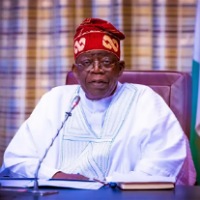
President Umaro Sissoco Embaló, who is also the Chairman of the Authority of ECOWAS Heads of State and Government, paid a visit to President Bola Tinubu in Lagos.
BREAKING NEWS
President of Guinea-Bissau and Chairman, Authority of ECOWAS Heads of State and Government, Umaro Sissoco Embaló on a visit to President Bola Tinubu in Lagos. pic.twitter.com/OB8kRTzFmW
— NTA News (@NTANewsNow) July 1, 2023
Details later…..






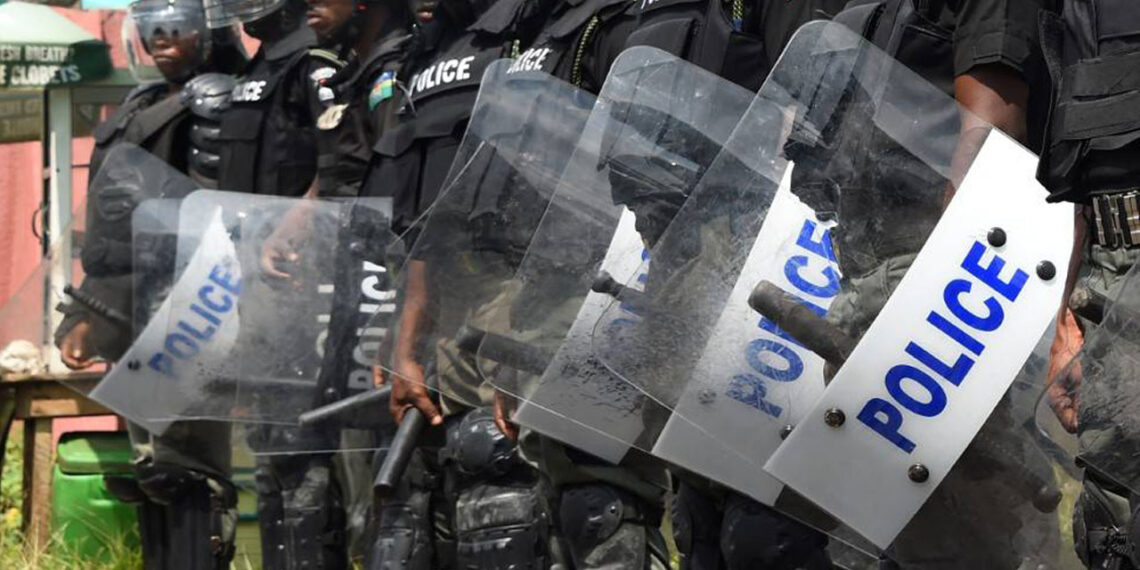
The Nigeria Police Force has disclosed a series of operational successes recorded across eight states, including the rescue of kidnapped victims, the recovery of firearms and rocket launchers, the repulsion of bandit attacks and the arrest of suspects linked to armed robbery and murder.
The Force made the disclosure on Saturday, October 3, 2026, in its 24-hour operational update covering security operations recorded on October 2 and related reporting periods.
SEE MORE: Alcohol Encourages Banditry, Destroys The Future Of Our Children — NAFDAC
According to the Police, the operations were recorded in Sokoto, Benue, Katsina, Ogun, Taraba, Cross River and Oyo states.
Sokoto: Police Foil Bandit Attack, Recover Rocket Launchers
In Sokoto State, Police tactical teams, the Anti-Kidnapping Unit and the Violent Crime Response Unit (VCRU) engaged suspected bandits who attacked Tsabre Village.
The Police said the attackers were overpowered and fled into the forest with casualties.
A subsequent bush-combing operation led to the recovery of two rocket launchers, two empty AK-47 magazines, a Tecno keypad phone, a torchlight, an army jungle hat, a sweater cap, five pairs of sandals and a rain jacket.
The Police said no casualty was recorded on its side.
Katsina: Bandits Repelled on Funtua-Zaria Road
In Katsina State, a joint team comprising VCRU, 83 Police Mobile Force (PMF) and other tactical operatives engaged suspected heavily armed bandits who reportedly blocked the Funtua-Zaria Road and opened fire on commuters.
The Police said the attackers were repelled and traffic flow was restored along the road.
Four injured commuters were evacuated for medical treatment.
The incident is being investigated by the SCID, Katsina.
Ogun: Police Rescue Nine Kidnapped Travellers
In Ogun State, the Police disclosed the rescue of nine travellers who were kidnapped on September 29, 2026, by armed men along the Benin-Sagamu Expressway.
According to the Force, the victims were released unharmed following sustained pressure mounted by the Police and sister security agencies.
“Their statements were taken and they were reunited with their families,” the Police said.
The case is being investigated by the SCID, Abeokuta.
Katsina: Four Kidnap Victims Rescued
The Police also reported the rescue of four kidnapped victims in Katsina State, as reflected in its consolidated operational returns for the reporting period.
The Force said the matter was being investigated by the SCID, Katsina.
Oyo: Three Arrested Over Alleged Robbery, Murder
In Oyo State, operatives of the VCRU arrested Akinrinola Oluwatobi, 28; Okunola Mathew, 24; and Ibrahim Rabiu, 23, in connection with the alleged armed robbery and murder of Mrs Wahab Rukayat.
The Police said the suspects were arrested following credible intelligence after operatives raided a criminal hideout in the Sabo area of Ibadan.
An iPhone 7 Plus belonging to the deceased was reportedly recovered during the operation.
The Force further stated that the complainant identified the suspects during an identification parade and that they confessed to the crime.
The case is being investigated by the SCID, Ibadan.
The Police said the various operations formed part of its ongoing efforts to combat banditry, kidnapping, cult-related activities, armed robbery and other crimes across the country.
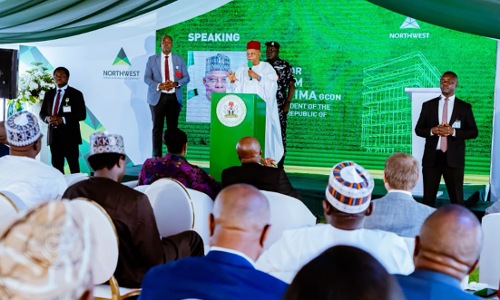
Vice President Kashim Shettima has attributed renewed investment and stronger performance in Nigeria’s oil and gas sector to the economic reforms of President Bola Ahmed Tinubu’s administration, particularly the removal of petroleum subsidy and reforms in the foreign exchange market.
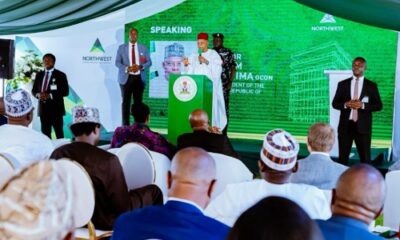
Shettima spoke on Friday in Lagos while commissioning the ultra-modern corporate headquarters of Northwest Petroleum & Gas Company Limited in Victoria Island.
The Vice President said the reforms had confronted distortions that previously discouraged productive investment, while improved market stability was helping businesses make longer-term investment decisions.
SEE ALSO: Shettima Arrives Lagos for Northwest Petroleum & Gas Headquarters Commissioning
According to him, greater exchange-rate predictability strengthens procurement, improves investment decisions and supports production.
“The stabilisation of the market is restoring the confidence businesses need to commit capital beyond the next quarter. A business must be able to plan before it can expand.
“Greater exchange rate predictability strengthens procurement, improves investment decisions and supports production,” Shettima said.
He assured investors that the Federal Government would continue to create conditions that reward enterprise, encourage technological advancement and sustain economic growth.
“We recognise the sacrifices reform has demanded, and our obligation is to translate economic progress into better lives,” he added.
Speaking on the newly commissioned Northwest Petroleum facility, Shettima described the headquarters as a significant expansion for the indigenous company and said it demonstrated the capacity of Nigerian businesses to compete, innovate and deliver at international standards.
He said the facility sends a message to investors, customers and Nigerians that Northwest Petroleum is preparing for decades of service in a changing global energy economy.
“We take particular pride in seeing an indigenous enterprise expand with such conviction. Nigerian ownership must mean Nigerian capacity to compete, invent and deliver,” the Vice President said.
Shettima also stressed the importance of private enterprises in creating employment and economic opportunities, noting that government alone cannot manufacture prosperity.
He commended Northwest Petroleum for building a strong Nigerian presence across the oil and gas value chain since 1998, saying its continued expansion could create opportunities for young Nigerians, professionals, suppliers, transport operators, maintenance providers and other businesses.
The Vice President urged the company to use its new corporate hub to improve efficiency, coordination and productivity across its expanding operations.
He also expressed confidence that the facility would nurture creativity, reward innovation, generate profitability and contribute to Nigeria’s economic development.
Earlier, Lagos State Governor Babajide Sanwo-Olu commended private-sector investors for contributing to the growth of the state.
Sanwo-Olu described the private sector as the “oil of growth” and reaffirmed the Lagos State Government’s commitment to creating an enabling environment for businesses to thrive.
He also thanked investors in the oil and gas, financial services and construction sectors for their contributions to the development of Lagos.
The Chief Executive Officer and Founder of Northwest Petroleum & Gas Company Limited, Winifred Akpani, said the new facility represented the company’s growth, confidence in Nigeria’s future and determination to build a modern Nigerian company capable of operating to high standards.
Akpani said the smart building was designed to promote collaboration, strengthen operational efficiency, encourage innovation and empower the company’s workforce.
She added that the future of the energy industry would increasingly depend on innovation, technology, responsible investment, strong partnerships and the development of Nigerian talent.
Also present at the commissioning were former Lagos State Governor Akinwunmi Ambode; Fatima Aliko-Dangote, Group Executive Director, Commercial Operations, Oil and Gas, WAEP, and Fertilizer, Dangote Industries Limited; former Delta State Governor James Ibori; and other business and industry leaders.
Vice President Kashim Shettima has arrived in Lagos to commission the new corporate headquarters of Northwest Petroleum & Gas Company Limited.
Shettima, who is the Special Guest of Honour at the event, is expected to deliver the keynote address and officially commission the facility alongside Lagos State Governor Babajide Sanwo-Olu and other government and private-sector leaders.
SEE ALSO: UN Secretary-General Race: Shettima Says Nigeria Will Back Equity, Justice and Fairness
The development was disclosed by Stanley Nkwocha, Senior Special Assistant to the President on Media and Communications in the Office of the Vice President on Friday.
Northwest Petroleum & Gas Company Limited is an indigenous oil and gas company involved in the importation, supply, distribution and storage of petroleum products, as well as crude oil export activities.
The investment is being positioned in line with President Bola Ahmed Tinubu’s Renewed Hope agenda of mobilising private capital, strengthening indigenous businesses and expanding the role of the private sector in Nigeria’s economic development.
The Tinubu administration has continued to emphasise private-sector-led growth and investment mobilisation as key components of its development strategy, with a focus on job creation, increased productive capacity and a more competitive economy.
The commissioning brings together senior government officials and private-sector stakeholders as the administration seeks to encourage greater domestic investment and enterprise development.






Musa Francis, Akanbi Aderonke win 2026 Abeokuta 10km Race

Police Report Nationwide Operations, Rescue Kidnap Victims, Recover Weapons in 5 States

Police Rescue Three Kidnap Victims in Taraba After Sustained Pressure

Police Rescue 86-Year-Old Man, Son From Suspected Cultists in C’Rivers

Benue: Police Repel Bandit Ambush, Recover Locally Fabricated Gun

Fuel Subsidy: Atiku Showing Symptoms of Desperation — Afegbua

Trump’s Family Unveils New Cryptocurrency Platform

Senate Denies Receiving Petitions Against Tinubu’s Ambassadorial Nominees

Dangote Cement Lights Up Benue Host Communities With CSR Initiatives

Reps Recommend 3-year Jail Term For Aviation minister

Tems Sets New Record On Billboard Hot 100 Chart
