
Business
Nigerian Content Fund exceeds $500m – Wabote

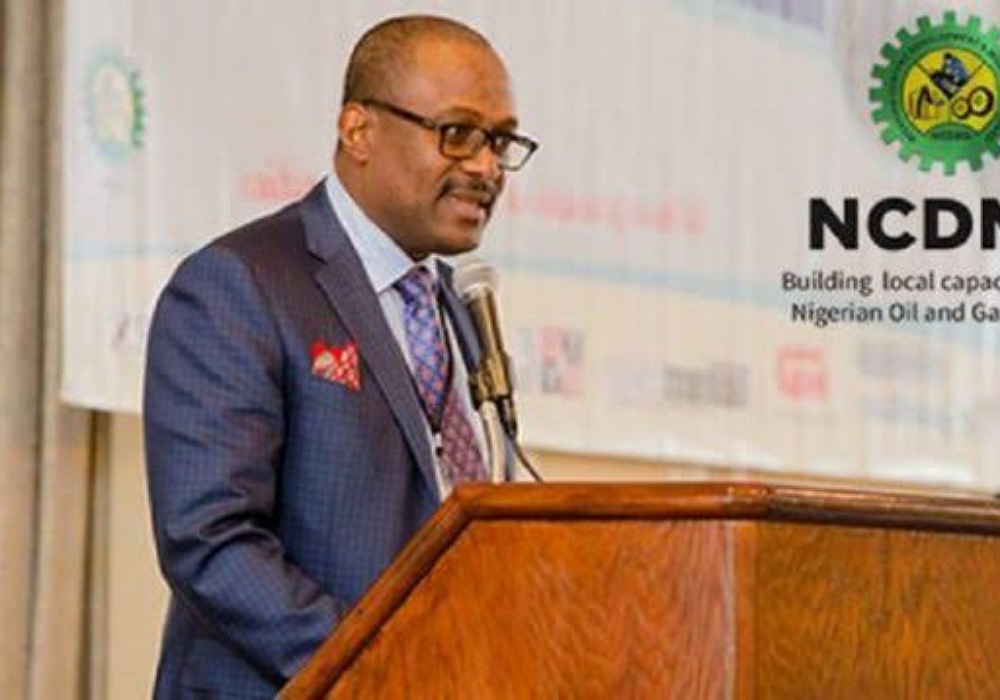
The Nigerian Content Intervention (NCI) Fund has exceeded half a billion dollars, the Executive Secretary of the Nigerian Content Development and Monitoring Board (NCDMB), Engr. Simbi Kesiye Wabote has said.
He spoke recently at the Sub-Saharan African International Petroleum Conference (SAIPEC) organised in Lagos by the Petroleum Technology Association of Nigeria (PETAN),
He indicated that the NCI Fund which is extended as low-cost credit to qualified oil and gas companies covers asset acquisition, project financing, manufacturing, working capital, loan refinancing, women in oil and gas, and research and development.
The NCI Fund is a component of the Nigerian Content Development Fund (NCDF) which is accumulated through one percent deductions from contracts awarded in the upstream sector of the oil and gas industry.
Wabote added that the Board is using the NCDF to catalyse the construction of modular refineries, gas processing plants, LPG terminals and bottling plants, LPG Cylinders manufacturing plants, lube oil blending plants, base oil production plant, methanol production plant, and many others.
He canvassed that a similar fund replicated at the continental level and be utilized to develop huge mega oil and gas projects, particularly as world financial institutions were getting reluctant to finance hydrocarbon-related projects.
He said: “let me use this opportunity to once again canvass for the creation of an African Local Content Fund that could be utilised to set up a bank or finance institution to provide funding for the development of oil and gas projects in Africa. This is especially important against the backdrop of the reluctance and outright declaration by some banks and financial institutions to stop funding of hydrocarbon-related projects. I hope the AFRIEXIM Bank, AFDB, or the AU through the AFCFTA Secretariat need to institute a form of contribution, no matter how little, as a fund to support the continent’s need for funds.”
He explained that “in our own case, the deduction of one percent of every contract awarded to any contractor, subcontractor, alliance partner or any other entity involved in any project, operation, activity, or transaction in the upstream sector of the Nigeria oil and gas industry has resulted in us having a pool of funds to support various intervention programmes.”
Speaking further, the Executive Secretary described the recent spike in crude oil prices above $90 a barrel as an excellent opportunity for African oil producers and its service providers to develop new fields, ensure security of supply and affordability as well as increase revenue generation.
He noted that the price of crude oil has increased by 50 percent in 12 months and African oil producers should use the opportunity to also make plans towards energy transition, and lowering the cost of services.
Dwelling on the topic “Sub-Saharan Africa Local Content Collaboration Strategy,” Wabote stated that an enabling regulatory framework backed with the appropriate legislation is very fundamental in Local Content practice and commended African oil producers for putting in place investor-friendly laws to promote the oil and gas industry as well as ongoing collaboration among the countries to advance the local content journey.
He noted that such laws will align with the goals of the Africa Continental Free Trade Agreement (AFCFTA) which seeks to create the world’s largest free trade area by integrating 1.3 billion people across 54 African countries, with the objective of tapping into a combined Gross Domestic Product (GDP) of over $3 trillion
He described AFCFTA as the practice of Local Content on the continental level, noting that it is a huge trading and collaboration platform for the participating countries.
The NCDMB boss harped on the need for African oil producers to utilize existing cross-border infrastructures to unlock the development of stranded assets or bring energy closer to the people. He mentioned that the existing West Africa Gas Pipeline (WAGP) and ongoing AKK gas transmission infrastructure provide a good opportunity to serve regional markets. He also pointed out that the SHI-MCI yard in Lagos which is the only FPSO integration yard infrastructure in Africa has put Nigeria at a vantage position to serve the wider African market.
In his remarks, the Chairman, PETAN, Mr. Nicholas Odinuwe advocated for regional collaboration and innovation to enhance the future of energy sector. He disclosed that the key enabler for the continent is to create a collaborative ecosystem between the local industry stakeholders alongside the African Continental Free Trade Area (AfCFTA).
Odinuwe encouraged governments across Africa to provide necessary incentives to attract private sector investments across the entire value chain which would trigger a massive economic revolution, human capital development, and deepen local content across the continent.
Corporate Communications
February 24, 2022








Business
NGX Group, IFC, CSCS and WIMBIZ Convene Leaders to Advance Gender Equality at 2026 Ring the Bell Ceremony

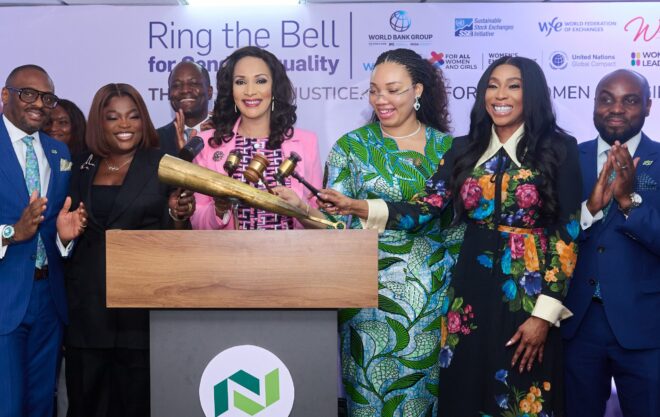
The Nigerian Exchange Group Plc (NGX Group), in collaboration with Central Securities Clearing System Plc (CSCS) and Women in Management, Business and Public Service (WIMBIZ), convened leaders from across the public and private sectors to commemorate International Women’s Day 2026 through the global Ring the Bell for Gender Equality initiative.
Aligned with the UN Women theme “Rights, Justice, Action – For All Women and Girls,” the event, held during the Nigerian Exchange Closing Gong Ceremony, served as a call for sustained action to advance gender equality and expand women’s participation in economic leadership.
ALSO READ: Dangote Refinery Cuts Petrol, Diesel Prices
Delivering the welcome address, Temi Popoola, Group Managing Director/Chief Executive Officer of NGX Group, emphasized the critical role capital markets must play in shaping inclusive economic growth. “Capital markets are powerful engines for economic transformation. When women participate fully as leaders, entrepreneurs, and investors, markets become stronger, deeper, and more resilient. At NGX Group, we remain committed to advancing policies, partnerships, and platforms that expand opportunities for women and accelerate inclusive prosperity,” he said.
Delivering special remarks, Honourable Bianca Odumegwu-Ojukwu, Minister of State for Foreign Affairs, commended NGX Group and its partners for advancing gender inclusion through the initiative. “I congratulate NGX Group and its partners for sustaining this important global movement and for championing gender equality within our financial ecosystem. Together, let us continue to open the doors of opportunity so the next generation of women can lead with confidence and help transform our world,” she said.
Chioma Uzodimma, First Lady of Imo State, called for collective action to expand opportunities for women and girls. “As we sound the NGX Gong today, let it symbolize our shared pledge to protect every girl child, expand opportunities for every woman, and build an inclusive economy where every woman and girl can flourish,” she said.
Jude Chiemeka, Chief Executive Officer of Nigerian Exchange, emphasized the importance of broadening women’s participation in the capital market ecosystem. “When more women participate in the market as investors and professionals, we deepen the market and strengthen the foundation for sustainable growth,” he said.
Speaking on the role of development finance institutions in advancing gender inclusion, Claude Owona, Regional Industry Manager for Financial Institutions at the International Finance Corporation (IFC) for Central Africa and Anglophone West Africa, emphasized the economic benefits of gender equality. “When women and men participate equally in the economy, our societies function better and our economies become more prosperous,” she said.
Media entrepreneur and founder of EbonyLife Media, Mo Abudu, encouraged women to pursue their ambitions with clarity and confidence. “For me, it comes down to four things, purpose, passion, progress, and power. Find your purpose, let passion fuel your journey, stay consistent even when challenges arise, and most importantly, stand firmly in your power. Do not shrink,” she said.
Award-winning actor and filmmaker Funke Akindele urged women to pursue their ambitions with discipline and courage. “To every woman out there, you can do it. But beyond the words, we must put in the hard work, build structure into our businesses, and do things the right way. It takes courage to take the first step even when you’re not ready, courage to stay consistent when no one is clapping, and courage to hold firmly to your vision,” she said.
The Ring the Bell for Gender Equality ceremony celebrated the contributions of women to Nigeria’s capital markets and the broader economy while reinforcing the need for sustained action to close gender gaps in leadership, finance, and opportunity.
The 2026 edition was organized in collaboration with global partners including the International Finance Corporation (IFC), UN Women, the World Federation of Exchanges (WFE), the United Nations Global Compact, and the Sustainable Stock Exchanges Initiative (SSEI).
The event also featured the participation of female board members of NGX Group of companies, Ojinika Olaghere, Fatima Wali-Abdulrahman, Lilian Olubi, Ummahani Ahmad Amin, Amina Mohammed, and Fiona Ahime, alongside key ecosystem leaders including Onome Komolafe, Divisional Head, Business Services and Client Experience, CSCS Plc; Jumoke Olaniyan, Group Chief Strategy Officer, NGX Group; Uto Ukpanah, Chairperson, UN Global Compact Network Nigeria; and Mrs. Omowumi Akingbohungbe, Executive Director, WIMBIZ.
As the closing gong sounded, stakeholders echoed a common message: advancing gender equality requires more than dialogue. It requires sustained collaboration, deliberate action, and a collective commitment across governments, institutions, and markets to expand opportunities for women and girls.
Through initiatives such as Ring the Bell for Gender Equality, NGX Group and its partners continue to champion inclusive markets, recognizing that empowering women is essential to building stronger capital markets and a more resilient economy.
Modupe ASUDO
The Nigerian Content Development and Monitoring Board has reiterated its commitment to advancing gender inclusion and sustainable capacity development in Nigeria’s oil and gas industry, spotlighting a $20m Women in Oil and Gas Intervention Fund.
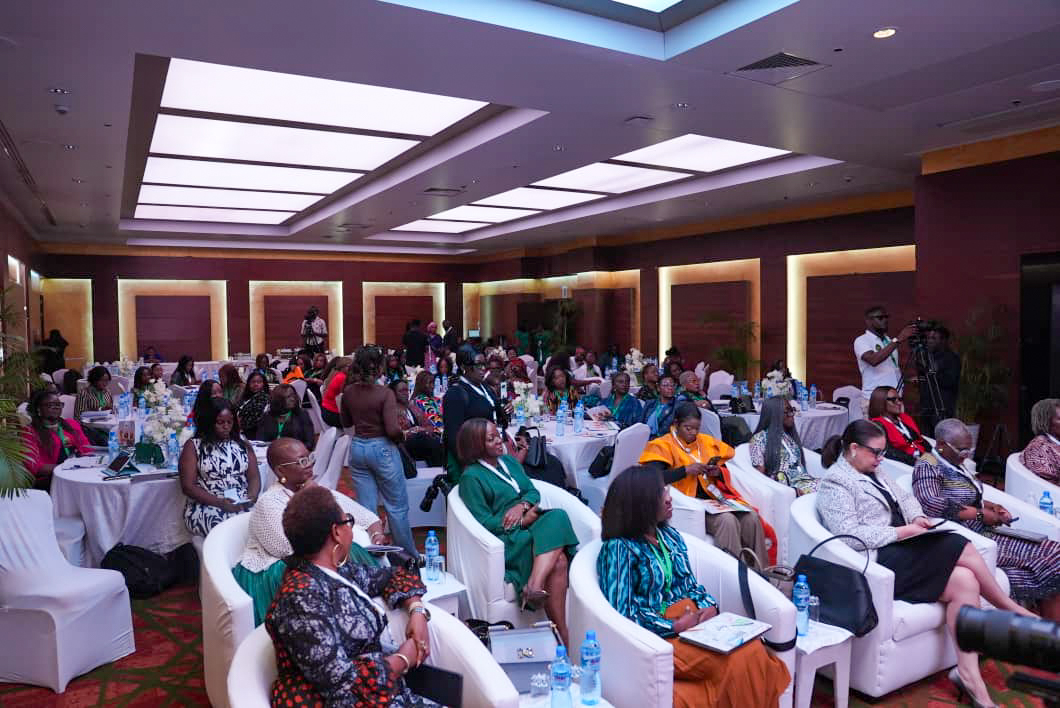
The Board made this known at the 3rd edition of the Diversity Sector Working Group’s Women in Oil and Gas Conference and Mentorship Programme, held on March 3, 2026, at Eko Hotels and Suites, Lagos.
The conference, organised in collaboration with the Nigerian Content Consultative Forum, was themed ‘Breaking Barriers, Shaping the Future’, with a strong focus on building bridges and empowering women for a sustainable energy future.
Delivering his goodwill message, the Executive Secretary of NCDMB, Engr Felix Omatsola Ogbe, described women’s empowerment as a strategic lever for strengthening Nigeria’s energy ecosystem, particularly at a time the global industry was undergoing profound structural change.
He explained that the sector’s navigation of energy transition, rapid technological innovation and rising sustainability expectations increasingly requires broader perspectives, adaptive leadership and inclusive participation to remain competitive and resilient.
Represented by the General Manager Midstream PCAD, Ms. Lekoma Phimia, the Executive Secretary framed inclusion not as social advocacy but as sound economics, stressing that diversity consistently delivers measurable performance outcomes across industries.
“Inclusive organisations are more innovative, more resilient and more profitable. When women thrive, industries thrive. When women lead, economies grow. When women are empowered, communities prosper,” he stated.
To illustrate this point, the Executive Secretary referenced the leadership impact of Ms. Oritsemeyiwa Eyesan, Executive Chairman of the Nigerian Upstream Petroleum Regulatory Commission, describing her tenure as clear evidence of women’s capacity to drive sector-wide transformation at the highest levels.
According to him, such leadership exemplifies how competence and inclusion are helping to steer the industry through a period of accelerated change.
While acknowledging the progress recorded, Ogbe observed that systemic barriers had continued to limit the full participation of women across segments of the oil and gas value chain, stressing that addressing the constraints requires deliberate, structured and sustained interventions.
At the centre of NCDMB’s empowerment showcase, the Executive Secretary highlighted the Women in Oil and Gas Intervention Fund, a landmark $20m initiative established in partnership with the Nigerian Export-Import Bank to provide affordable financing exclusively to women-owned businesses operating within Nigeria’s oil and gas sector.
He explained that the fund offers single-digit interest rate loans with repayment tenors of up to three years, targeted at eligible companies with approved industry contracts. According to him, the initiative is designed to accelerate local capacity and enable women entrepreneurs to transition from peripheral participation to ownership and leadership across the oil and gas value chain.
Ogbe further disclosed that a complementary intervention, implemented in partnership with the Bank of Industry, extends structured business training and additional access to capital to women-owned enterprises. He noted that many beneficiaries have expanded from small service providers into competitive vendors now supporting major oil and gas operators nationwide, particularly in logistics and marine services, safety equipment supply and environmental management — segments where female entrepreneurs have historically faced limited access to financing.
Beyond financing, the Executive Secretary highlighted NCDMB-supported skills development programmes executed in collaboration with institutions such as the Petroleum Training Institute and accredited industrial training centres in Rivers and Bayelsa states. He cited the training of women in welding and fabrication, noting that many graduates are employed in fabrication yards and contribute directly to major oil and gas projects.
“These women are earning dignified livelihoods, breaking stereotypes and inspiring a new generation,” Ogbe said, emphasising that collaboration remains critical to scaling impact, citing partnerships with financial institutions, development partners, training institutions and industry stakeholders.
He commended the NCCF Diversity Sector Working Group for sustaining advocacy and dialogue on inclusion. “We must move beyond inclusion towards leadership — more women in technical leadership roles, executive positions and industry boards,” he added.
In her remarks, the Chairman of NCCF Diversity Sector Working Group, Dr Alero Onosode, described the conference as a celebration of progress, leadership and possibility, noting that NCDMB’s sponsorship reflects its strong institutional commitment to inclusion and shared prosperity. She observed that convening the conference in March — International Women’s Day month — was symbolic, coming at a time of renewed activity and reform across Nigeria’s oil and gas industry.
“Alongside this momentum, we are seeing the rise of women into visible and influential leadership roles — regulators, CEOs, directors, engineers and policymakers shaping strategy and transforming spaces that were once dominated by a single voice,” Onosode said.
She explained that the conference theme challenged stakeholders to move from representation to impact, urging deliberate collaboration across sectors, generations and perspectives.
“Building bridges means women and men working together, turning diversity into strength and collaboration into results,” she stated, calling on industry leaders to prioritise mentorship, sponsorship and intentional partnerships.
The conference concluded with a renewed call for inclusive capacity development, with NCDMB reaffirming its commitment to empowering women, strengthening Nigerian content and ensuring that Nigeria’s energy future is sustainable, inclusive and economically transformative.
Modupe ASUDO
The Nigerian Content Development and Monitoring Board (NCDMB) has said that its 10-year strategic roadmap was designed to strengthen Nigeria’s industrial base by retaining 70 per cent of oil and gas industry spending within the country by 2027, while creating employment opportunities for about 300,000 Nigerians across the oil and gas value chain and its linkage sectors.
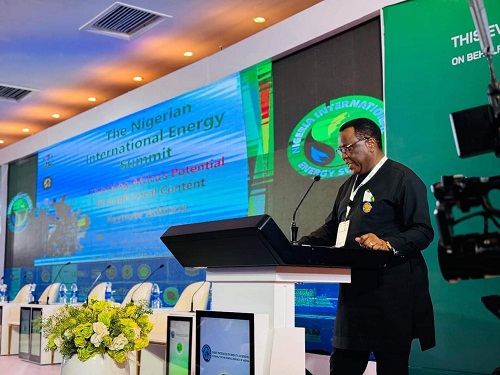
This position was made known during a high-level panel session at the maiden West Africa Industrialisation, Manufacturing and Trade Summit and Exhibition, held in Lagos under the theme “Accelerating West Africa’s Sustainable Industrial Revolution for Economic Prosperity”.
The session focused on maximising human capital as a catalyst for competitive and resilient industries in the region.
Speaking on behalf of the Executive Secretary of the NCDMB, Engr. Felix Omatsola Ogbe, the General Manager, Human Capacity Development, Mr. Esueme Kikile, congratulated the organisers for convening the summit, noting that “the theme strongly aligns with the Board’s long-standing mandate in the oil and gas sector.”
He explained that NCDMB’s core responsibility is to build the capacity of Nigerians and Nigerian companies to participate actively in the oil and gas industry, stressing that industrialisation, manufacturing and trade were critical drivers of sustainable economic growth.
To achieve this, Kikile said the Board launched a 10-year strategic roadmap in 2017 aimed at developing in-country fabrication and integration capacity, while strengthening local manufacturing capabilities.
According to him, the oil and gas industry alone is capital-intensive and limited in direct employment, but its linkage sectors provide vast opportunities to absorb Nigeria’s growing youth population.
“Our plan is to ensure that at least 70 per cent of Nigerian oil and gas spend is domiciled in-country by 2027. That is why fabrication, manufacturing and industrialisation are so critical. Through this approach, we project employment opportunities for about 300,000 Nigerians, not just in oil and gas, but across its supporting industries,” he said.
Moderating the panel, the Head of Operations at Jobberman Nigeria, Ms Samantha Ifezulike, set the tone by raising concerns about whether West Africa has sufficient human capital to sustain rapid industrial scale-up, both at entry and senior levels. She challenged the panelists to examine barriers to talent deployment and the role of collaboration between industry and government.
In response, Kikile described West Africa’s population of over 450 million people, nearly 60 per cent of whom are young, “as a significant demographic advantage that remains largely untapped due to structural constraints.”
He identified policy fragmentation across borders as a major barrier, and noted that limited mobility of skills within the sub-region restricted optimal use of available talent.
He also pointed to the disconnect between academia and industry, observing that many education systems still prepared graduates for civil service roles rather than practical, industry-driven careers.
He called for deeper collaboration between universities and industry to align curricula with real-world needs, including technology-driven and hands-on training.
On technical and vocational education, Kikile stressed the need to revive and modernise training institutions to meet the demands of the Fourth Industrial Revolution, recalling how vocational pipelines once fed directly into industrial and oil and gas hubs.
He further advocated policies that enabled innovation and entrepreneurship, allowing students to translate viable ideas into businesses, supported by streamlined regulatory frameworks.
Highlighting the NCDMB’s role in talent development, Kikile said human capacity development was central to the Board’s mandate, especially in correcting decades of overreliance on expatriate labour in the oil and gas industry. He noted that the steady growth of indigenous companies over the years reflected the impact of Nigeria’s local content policy.
He said the NCDMB was implementing an Oil and Gas Field Readiness Programme designed to train 10,000 young Nigerians in critical skill areas identified through industry studies, addressing significant skill gaps in the sector. The programme combines classroom learning with compulsory six-month on-the-job training to ensure participants are truly industry-ready.
“We rolled out this programme recently and are already working with operating companies. The goal is not just certification, but field-ready talent. Properly trained Nigerians should be able to compete locally and globally as industry leaders,” he said.
Kikile concluded by emphasising three priorities: strengthening regional capacity and absorptive ability, ensuring industry actively co-creates curricula with government, and enforcing compliance with well-designed policies and regulations.
Wrapping up the session, Ifezulike underscored the need for stronger alliances, effective policy development and practical implementation, calling for broader stakeholder participation to translate discussions into measurable outcomes.
The industry leadership panel reinforced the growing recognition that unlocking West Africa’s human capital is essential to achieving sustainable industrialisation, trade expansion and long-term socio-economic transformation across the region.






2026 Poll: Osun Ndigbo Backs Adeleke’s Second-Term Bid

NGX Group, IFC, CSCS and WIMBIZ Convene Leaders to Advance Gender Equality at 2026 Ring the Bell Ceremony

Adeleke on Why he Deserves Second Term

NNPC Secures Tinubu’s Approval for $20bn FID on Bonga Deepwater Project

Dangote Refinery Cuts Petrol, Diesel Prices

CNG: Tinubu Orders Deployment of 100,000 Kits in Three Weeks

Trump’s Family Unveils New Cryptocurrency Platform

Reps Recommend 3-year Jail Term For Aviation minister

Dangote Cement Lights Up Benue Host Communities With CSR Initiatives

Senate Denies Receiving Petitions Against Tinubu’s Ambassadorial Nominees

Things To Know About Threads, Zuckerberg’s Twitter-like App
