
Energy
NNPC Retail Takes CNG Adoption, Oleum Lubricant Range Campaign To Mechanics

As part of its efforts to accelerate the adoption of Compressed Natural Gas (CNG) as a cleaner and more affordable fuel alternative in Nigeria, NNPC Retail Limited (NRL), a subsidiary of the NNPC Ltd, has sensitized over 1,000 auto mechanics through a comprehensive awareness initiative.
This was made public in a statement in Abuja, by the Chief Corporate Communications Officer, NNPC Ltd, Olufemi Soneye.
According to Soneye, the sensitization exercise which took place at the National Artisans and Technicians Conference in Lagos, which brought together a large audience drawn from auto mechanics and technicians from across the country.
ALSO READ: Sahara Group Opens 2025 GMT Program
It was gathered that the engagement aimed to demystify the process of converting gasoline-powered vehicles to CNG and encourage the adoption of sustainable energy solutions.
In addition to promoting the benefits of CNG conversion, NRL also raised awareness about its Oleum, its lubricant range, known for its excellent performance in both gasoline and CNG-powered vehicles.
The landmark initiative also underscores NRL’s commitment to driving the nation’s transition to cleaner and more sustainable energy sources while ensuring Nigerian artisans are well-informed about emerging trends in the automotive sector, he added.
The conference featured practical demonstrations on the technicalities of converting vehicles from gasoline to CNG, providing the mechanics with first-hand insights into the process.
At the engagement session, the Executive Director, Retail Operations & Mobility at NRL, Baba Shettima Kukawa, encouraged the mechanics to seek out the necessary skills for CNG conversion, emphasizing that it is a growing trend that will shape the future of Nigeria’s automotive industry.
“We believe that sensitizing mechanics on the importance of CNG adoption is critical to achieving Nigeria’s long-term energy goals. While this engagement focused on raising awareness, we urge artisans to actively pursue the skills required to contribute to this transformative shift toward cleaner and more affordable fuel options. This initiative represents a crucial step in advancing the nation’s transition to a cleaner, more sustainable energy future,” Kukawa stated.
Responding, the Chairmen of the Motor Mechanics and Technicians Association of Nigeria (MOMTAN) and the Nigeria Automobile Technicians Association (NATA) commended NRL for its proactive approach and called for the expansion of the initiative to include even more mechanics and technicians nationwide.
Both associations highlighted the importance of sustained efforts to further support Nigeria’s move toward cleaner energy solutions.
In support of the local automotive sector, the NRL also provided auto mechanics with coveralls, toolboxes, and generators during the event to enhance their business operations and promote sustainability.
The NNPC Retail’s commitment to promoting CNG as an alternative fuel aligns with the broader strategic vision of NNPC Ltd to reduce the environmental impact of Nigeria’s energy consumption while making fuel more affordable for consumers.









In a confirmation of expectations that more policy adjustments will not occur until 2027, OPEC+ oil-producing countries have voted to keep December production targets steady.
The OPEC+ alliance, yesterday, agreed in principle to keep its combined December oil output targets unchanged at 30.9 million barrels per day (bpd), with Saudi Arabia’s individual target held at 10.5 million bpd.
The resolution was passed at a virtual meeting attended by seven core OPEC+ members- Saudi Arabia, Russia, Iraq, Kuwait, Algeria, Kazakhstan and Oman.
This is as the group continues to struggle with export disruptions from the Middle East crisis, while Gulf members have been boosting exports that have been disrupted for months by the conflict, most are still pumping well below their targets.
OPEC+ comprises the Organisation of the Petroleum Exporting Countries (OPEC) and allies including Russia. Only the seven members — plus the United Arab Emirates (UAE) until it quit OPEC in May — have been involved in monthly output decisions in recent years.
READ ALSO: Gas Infrastructure Fund Sets Terms for Indigenous Access to Funding
All members of the 21-country group are due to meet on November 29, when it will decide 2027 quotas.
“Today’s decision was the easy one,” said Jorge Leon, an analyst at Rystad. “The much more important test comes at the November 29 ministerial meeting, when OPEC+ will decide its 2027 production framework.”
Oil prices jumped more than two per cent on Friday, with Brent crude settling at almost $118 a barrel, the highest since April, as traders braced for a potential escalation in the Iran war after the US midterm elections.
“OPEC+ faces an extremely difficult call for 2027,” Leon added. “The group has to plan around huge uncertainty over the US-Iran war, the pace of recovery through the Strait of Hormuz, and the size of the surplus that could emerge once disrupted barrels return.”
The seven members have been boosting output targets for much of 2026 and in September completed the phased rollback of a 1.65 million-barrel-per-day supply cut first agreed in 2023. At earlier meetings, they kept the targets steady for October and November.
OPEC+ still has one more layer of production cuts of about two million bpd covering most members through the end of 2026.
The group needs to complete a review of members’ production capacity during the fourth quarter before setting the 2027 baselines that will determine future quotas and shape plans to unwind those cuts, sources have said.
The Iran war has disrupted projects to expand capacity across the Middle East, throwing estimates of future production potential into uncertainty, Reuters reported in October. As a result, the review is now expected to be completed by mid-November.
With a view to accelerating infrastructure development and reducing operating costs, the U.S. Department of Transportation is contemplating a new set of safety regulations for liquefied natural gas facilities.
This is coming as American exporters prepare for another major expansion in global natural gas markets.
It was gathered that the proposal, issued by the Pipeline and Hazardous Materials Safety Administration (PHMSA), would modernize federal LNG safety requirements by incorporating standards developed by the National Fire Protection Association.
READ ALSO: Investors Embrace DPRP IPO Globally, 120 Countries, 54 African Nations
The changes are to address facility location, engineering, construction, operations, and maintenance, with greater flexibility to adopt newer technologies.
Transportation Secretary, Sean Duffy estimates that the updated framework could save LNG operators approximately $100 million annually while maintaining safety protections. The projected savings are an agency estimate, and the proposal has not yet become a final regulation.
The initiative comes as the United States strengthens its position as the world’s largest LNG exporter. American export capacity is expected to increase by approximately 100 million metric tons annually by the end of the decade, supported by projects already under development and additional planned investments.
Global LNG demand has also become more sensitive to geopolitical disruptions. Interruptions to Middle Eastern gas shipments associated with the conflict involving Iran have encouraged international buyers to evaluate alternative suppliers and diversify long-term procurement arrangements.
U.S. LNG developers have responded with additional investment commitments. Projects representing more than 50 million metric tons of annual capacity have reached final investment decisions since the beginning of 2025.
Major exporters, including Cheniere Energy and Venture Global, are pursuing additional development opportunities as federal policy places greater emphasis on expanding domestic energy infrastructure.
However, regulatory modernization does not eliminate the financial or operational challenges associated with LNG construction.
Developers must still secure the Federal Energy Regulatory Commission (FERC) approvals, complete environmental reviews, arrange financing, and address potential legal challenges. Pipeline connections, specialized equipment availability, construction costs, and long-term customer contracts also influence project schedules.
Delfin LNG, which is developing a floating export facility, illustrates the importance of infrastructure safety approvals. Its associated pipeline has not received publicly confirmed PHMSA clearance to resume operations following an explosion earlier this year.
Separately, FERC has proposed a streamlined authorization framework for certain modifications and expansions at existing LNG facilities, including activities that could qualify for automatic approval or shortened review periods.
For energy investors, the combined regulatory initiatives could improve development visibility and reduce some costs, although their financial impact will depend on final requirements and individual project circumstances.
Additional LNG export capacity could support demand for U.S. natural gas production, particularly from major producing regions connected to Gulf Coast terminals.
Midstream operators, engineering companies, compression equipment manufacturers, and construction contractors could also benefit from continued infrastructure investment.
At the same time, greater export demand may increase domestic natural gas price sensitivity to international markets, creating different implications for producers, utilities, and industrial consumers.
Investors will be monitoring the final PHMSA regulations, FERC permitting developments, LNG project financing decisions, and the pace at which proposed export capacity enters commercial service.
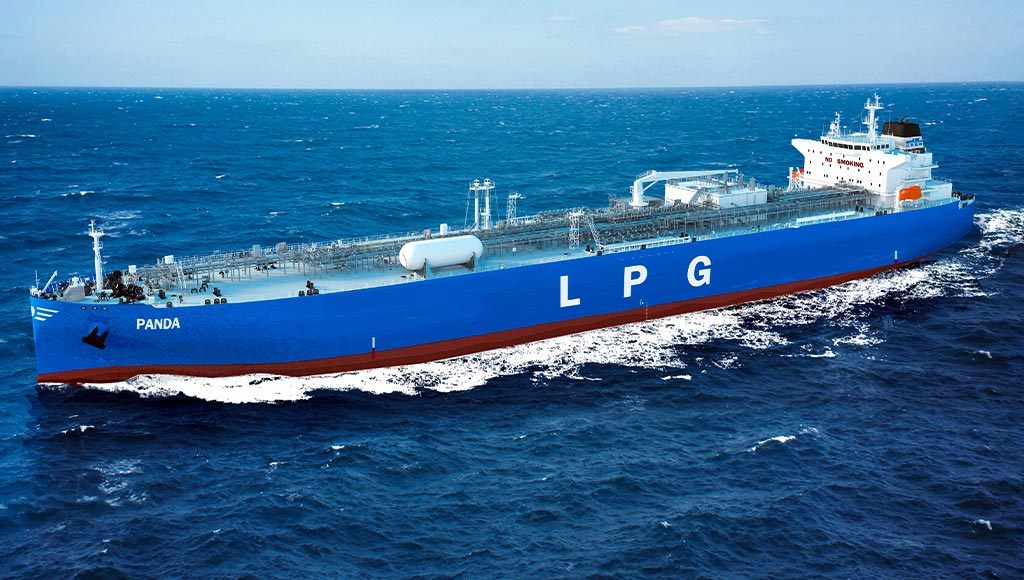
The Nigerian Association of Liquefied Petroleum Gas Marketers (NALPGAM) has urged operators in Nigeria’s liquefied petroleum gas (LPG) industry to strengthen safety standards, improve regulatory compliance and adopt digital technologies to reduce operational losses and drive business growth.
The association said improved operational practices would help protect investments, enhance efficiency, build consumer confidence and support the sustainable expansion of C.
The call followed its 2026 webinar, themed “Downstream LPG Operational Excellence and Compliance,” which brought together industry operators, regulators and other stakeholders to discuss safety risks, market volatility, operational inefficiencies and regulatory requirements in the downstream LPG sector.
Speaking at the event, NALPGAM National President, Edu Inyang, said the industry’s long-term growth would depend on more than increased consumption and supply volumes, stressing the need to embed safety and operational efficiency in everyday business practices.
“The future of Nigeria’s LPG industry cannot be achieved by increasing volumes alone. We must grow safely, responsibly, efficiently and sustainably. Safety is not an occasional campaign; it must become a continuous industry culture,” he said.
READ ALSO: Tinubu Promises to Boost Local Production with NNPC Refineries
A major outcome of the webinar was a proposal for a NALPGAM Standard of Operational Excellence, anchored on four principles: safe and well-maintained facilities, competent and adequately trained operators, regulatory-compliant processes, and consumer protection.
Participants urged operators to integrate safety into routine operations, strengthen preventive maintenance and comply with licensing and incident-reporting requirements.
They also called for an end to unsafe practices, including unauthorised propane blending and illegal decanting, warning that such activities could expose businesses and consumers to avoidable risks.
Inyang said compliance should be viewed as a means of strengthening business performance rather than merely fulfilling regulatory obligations.
“Compliance is not merely a regulatory burden; it is a business advantage. Well-managed LPG operations reduce accidents, improve efficiency, protect investments and strengthen public confidence in our industry,” he said.
The webinar also highlighted the role of digital technologies in improving operational efficiency and accountability across the LPG value chain.
Participants identified smart filling systems, automated tank gauges, load cells, flow meters and vehicle-tracking systems as practical tools for monitoring product movements, reducing losses and improving inventory management.
Wider adoption of these technologies, they said, could help operators strengthen operational controls, minimise discrepancies and improve the reliability of LPG distribution.
The discussions come as Nigeria seeks to expand LPG consumption to approximately five million tonnes annually by 2030, a target that will require increased investment, stronger distribution networks and wider consumer access.
Stakeholders called for greater industry participation in the Decade of Gas LPG penetration programme, alongside stronger collaboration to expand access, improve cylinder traceability and promote certified local manufacturing.
The NALPGAM also urged regulators and programme coordinators to involve its members more actively in implementing LPG penetration and cylinder recirculation initiatives.
According to the association, its members’ nationwide presence and proximity to consumers could help improve the reach and effectiveness of programmes designed to increase LPG adoption.
Reiterating the association’s position, Inyang said the industry must establish clear operational standards that protect consumers while supporting efficient and sustainable business practices.
“Our aspiration is clear: every LPG facility must be safe and properly maintained, every operator competent and adequately trained, every process compliant, and every customer protected. This is the standard of operational excellence we must collectively pursue,” he said.
The NALPGAM reaffirmed its commitment to working with government agencies, regulators and industry stakeholders to develop a safer, more efficient and competitive LPG market.
The association maintained that embedding safety, strengthening compliance and deploying appropriate technologies would be critical to improving operational performance and supporting the long-term growth of Nigeria’s LPG industry.






Rig Count Hits 100, as NUPRC Approves 740 Drilling Jobs

Adeleke Clarifies Osun Debt Profile

Ogun Police Deny Awujale Palace Siege, Explain Chief Gbenden’s Invitation

Peter Obi, Kwankwaso to Hold NDC Town Hall Meeting in Benue Today

2027: Obi Promises to Tackle Insecurity, Revive Plateau Tourism

Diaspora Investors Urged to Look Beyond Real Estate, Explore Nigeria’s Capital Market

Trump’s Family Unveils New Cryptocurrency Platform

Senate Denies Receiving Petitions Against Tinubu’s Ambassadorial Nominees

Dangote Cement Lights Up Benue Host Communities With CSR Initiatives

Reps Recommend 3-year Jail Term For Aviation minister

Tems Sets New Record On Billboard Hot 100 Chart
