
International News
No Injuries As Gunshots Hit Israeli Embassy In Sweden

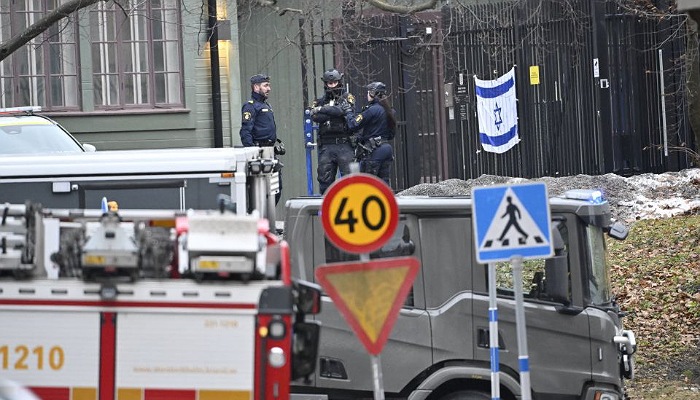
Swedish authorities have launched an investigation after gunfire was reported at the Israeli embassy in central Stockholm on Tuesday evening.
No injuries were reported, but police confirmed evidence of a shooting at the diplomatic mission.
The incident occurred just before 6:00 PM local time (1600 GMT) when a loud bang was heard near the embassy.
Read Also: Wizkid Reignites Beef With Davido, Calls Him ‘Frigodo‘
Police responded swiftly, cordoning off the area and launching an inquiry into what they classified as an aggravated weapons offense, endangerment of others, and unlawful threats.
“We have found evidence indicating a shooting at Israel’s embassy, though we cannot share specific details while the investigation is ongoing,” said Rebecca Landberg, spokesperson for Stockholm police.
So far, no arrests have been made. Authorities are analyzing surveillance footage from the heavily monitored area in an effort to identify potential suspects.
The shooting comes as tensions between Israel and Iran escalate following missile strikes on Israeli territory, with Israel vowing retaliation.
Sweden, in particular, has seen a rise in security threats to Israeli interests since the outbreak of the Israel-Hamas war in October 2023.
This is not the first time the Israeli embassy in Stockholm has been targeted.
In February, a grenade was found on the embassy grounds, which Israeli officials described as an attempted attack.
In May, gunshots were fired near the building, prompting enhanced security measures around Israeli institutions.
The incident also coincides with two explosions near the Israeli embassy in Copenhagen, Denmark, which occurred overnight. Police there are investigating the blasts, though no injuries were reported.
Swedish authorities have reported an increase in anti-Semitic incidents and threats against Jewish institutions since the war began.
In May, Sweden’s intelligence agency Sapo warned of Iranian efforts to recruit Swedish criminal gangs to target Israeli interests, a claim that Iran has denied.
As investigations continue, Swedish police are urging the public to remain vigilant and report any suspicious activity in the area.







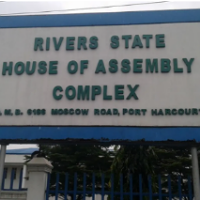


Federal agents raided the Washington, D.C., home of Democratic Congresswoman Ilhan Omar early Monday morning as part of an ongoing federal criminal investigation, the United States Department of Justice (DOJ) has confirmed.
Homeland Security Investigations agents arrived at the Minnesota congresswoman’s residence at about 6:00 a.m. Eastern Time, according to a report by Fox News.
SEE MORE: Trump Sparks Outrage With Shock Proposal to Rename New Mexico
The report said both the Department of Homeland Security (DHS) and the DOJ are involved in the investigation.
A DOJ spokesperson confirmed the operation, stating: “Today in the Washington, D.C. area, Homeland Security Investigations executed a judicially authorized search warrant secured by the Department of Justice.”
The spokesperson added: “This enforcement action is part of an ongoing federal criminal investigation.”
Details later……….
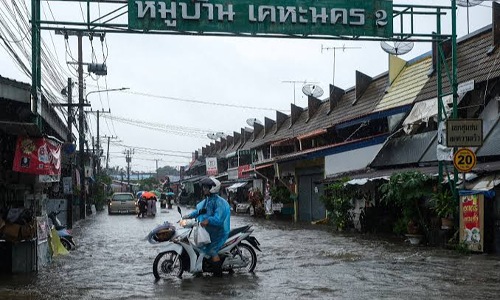
Heavy rains have triggered severe flooding across parts of Bangkok, Thailand, forcing nearly 4,900 residents to evacuate to shelters as floodwaters swept through roads and residential areas.
The flooding has disrupted movement across parts of the Thai capital, with motorists and pedestrians forced to navigate submerged roads and seek alternative routes.
SEE ALSO: NAFDAC Warns Nigerians As Fake Cowbell Milk Floods Market
According to the Bangkok Metropolitan Administration, about 52,000 households have been affected by the flooding, prompting authorities to declare a flood disaster and intensify emergency response efforts.
Emergency teams have been deployed to assist affected communities and move residents from vulnerable areas to safer locations as water levels rise.
Bangkok is accustomed to seasonal heavy rainfall, but intense downpours can overwhelm drainage systems, particularly in low-lying areas, resulting in widespread flooding and disruption.
Authorities are continuing to monitor affected locations while coordinating evacuations and other emergency measures.
For thousands of residents, the immediate priority remains securing safe shelter and protecting homes and livelihoods as authorities work to manage the situation and restore normal activities once the floodwaters recede.
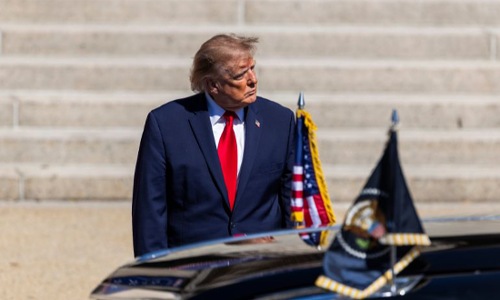
US President Donald Trump has explained his decision to reject Iran’s latest proposal to reopen the Strait of Hormuz, saying Tehran was seeking an agreement because it was losing revenue.
Speaking to reporters at the White House, Trump said Iran wanted to immediately reopen the strategically important waterway but argued that the proposal was not acceptable to his administration.
“They want to make a deal, and I think that’s fine. I like making a deal, too, but that deal would not be acceptable,” Trump said.
SEE ALSO: How the Strait of Hormuz Attack Could Trigger a Fresh Global Oil Shock
According to the US president, Iran’s push to reopen the strait was driven by the economic pressure it was facing.
“What they want to do is immediately open the Hormuz Strait. Do you know why? Because they are dying,” Trump said.
“You know why they’re dying? Because they have no money coming in, because they get their money from the Hormuz Strait.”
Trump also claimed that the US had established an unprecedented naval blockade against Iran, describing it as “a wall of steel.”
“So they outsmarted themselves. We put up the greatest blockade ever in military history. It’s a wall of steel,” he said.
“And guess what? They don’t have any money now because they wanted to close the strait.”
The Strait of Hormuz is a major global energy shipping route, and disruption to traffic through the waterway has significant implications for international oil markets and countries that depend on energy imports.
Trump’s remarks came amid continued tensions between Washington and Tehran over the reopening of the strategic waterway and negotiations involving Iran.






Zamfara: Farmer rescued as search for 10 others continues

Showunmi Urges South-East to Judge Tinubu by Projects, Not Propaganda

2027: ‘North Has No Reason to Break Agreement’ — Gov Yusuf Backs Tinubu

Aircraft Averts Crash, After Losing Door Mid-Air in Abuja

Bandits Kill 70-Year-Old Man in Katsina, 27 Victims Rescued

‘Nigeria Is Doomed Under Tinubu’ — Kenneth Okonkwo Backs Atiku for 2027

Trump’s Family Unveils New Cryptocurrency Platform

Senate Denies Receiving Petitions Against Tinubu’s Ambassadorial Nominees

Dangote Cement Lights Up Benue Host Communities With CSR Initiatives

Reps Recommend 3-year Jail Term For Aviation minister

Tems Sets New Record On Billboard Hot 100 Chart

I’m really loving the theme/design of your weblog. Do you ever run into any browser compatibility problems? A couple of my blog visitors have complained about my website not working correctly in Explorer but looks great in Opera. Do you have any advice to help fix this problem?
I am always searching online for posts that can assist me. Thx!
I have recently started a blog, the information you provide on this website has helped me tremendously. Thank you for all of your time & work. “The very ink with which history is written is merely fluid prejudice.” by Mark Twain.
I used to be recommended this web site by way of my cousin. I’m not positive whether this publish is written via him as no one else realize such targeted approximately my trouble. You’re incredible! Thanks!
I love your blog.. very nice colors & theme. Did you design this website yourself or did you hire someone to do it for you? Plz answer back as I’m looking to construct my own blog and would like to know where u got this from. thanks a lot
The next time I learn a blog, I hope that it doesnt disappoint me as much as this one. I mean, I know it was my option to read, but I truly thought youd have one thing fascinating to say. All I hear is a bunch of whining about one thing that you possibly can repair if you werent too busy on the lookout for attention.