
NEWS
Osun: Buhari congratulates Adeleke on election victory, says people’s will must be respected

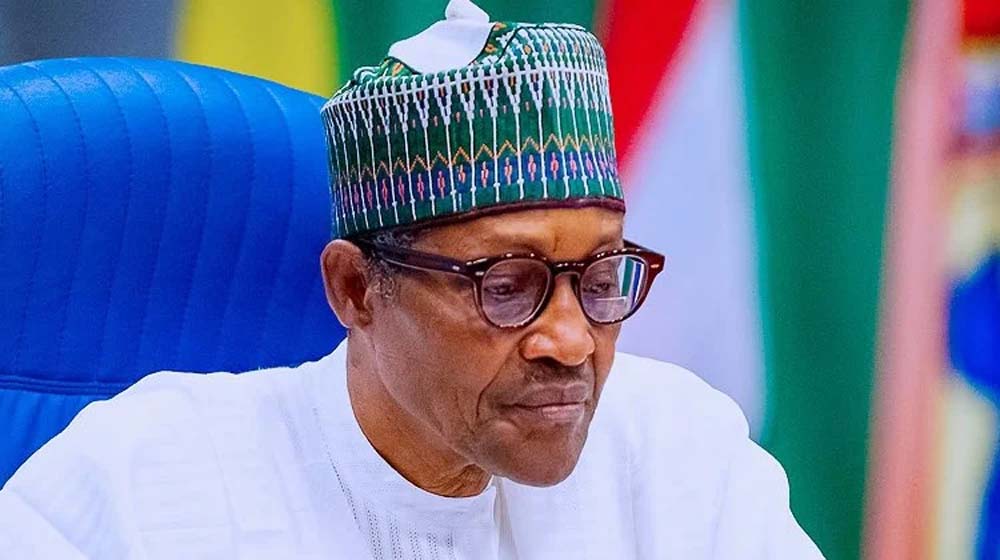
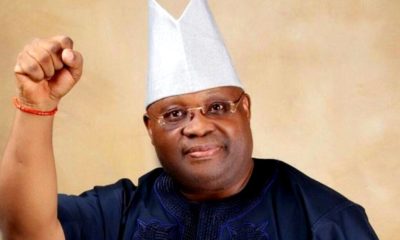
President Muhammadu Buhari has congratulated Sen. Ademola Adeleke, candidate of the Peoples Democratic Party (PDP), following victory of the party in Saturday’s gubernatorial election in Osun.
The President’s congratulatory message is contained in a statement by his spokesman, Mr Femi Adesina, on Sunday in Abuja.
The president expressed conviction that with the election over, the people of Osun had expressed their will through the ballot, and the will of the people must always matter and be respected in a democracy.
According to him, the successful conduct of the election is a further testimony to the maturity and commitment of all stakeholders – the electoral body, security agencies, political parties, the media, civil society and the electorate- to further strengthen the integrity of the electoral process in the country.
Buhari reassured the nation that the commitment of his administration ”toward having credible elections remains unshaken.”
READ ALSO: I accept my election as Osun governor, says Adeleke
The News Agency of Nigeria (NAN) reports that the INEC returning officer for the Osun gubernatorial election, Prof. Oluwatoyin Ogundipe, on Sunday morning, declared Adeleke of the PDP, winner.
He announced that Adeleke polled 403,371 votes to defeat his closet rival, Gov. Gboyega Oyetola, the candidate of the APC, who scored 375,027 votes.
Ogundipe, who is the Vice-Chancellor of the University of Lagos, said that the Action Democratic Party (ADP) scored 10,104 to come third.
He also said that the Accord Party candidate scored 4,515 and came fourth.







The South-South Reawakening Group has opposed plans to align the proposed coastal road with the East-West Road, insisting that both projects should be constructed side by side.
The group’s convener, Joseph Ambakederimo, stated this during an interview on Arise TV on Sunday, arguing that the coastal road should be delivered as a separate infrastructure project rather than diverted to the existing East-West Road.
Ambakederimo said the coastal road had remained on the drawing board for many years and questioned why the project was now being considered for alignment with the East-West Road.
SEE ALSO: BREAKING: Joseph Boakai Takes Oath As Liberia’s President
“I posted on my LinkedIn handle when somebody posted the minister’s briefing. I said no. Mr. Minister, we want to see the coastal road side by side the East-West Road,” he said.
“We want to see that happen, not to do any alignment. Alignment of what? To where? We need that coastal road, and that road has been on the drawing board for so many years. So many, many years.”
He urged engineers to revisit their plans and address potential environmental challenges associated with constructing the road through the South-South region.
“I believe the feasibility of that road has been done. We know the processes of building roads, infrastructure all over the world. Pure and concrete feasibility would have been done. So let the engineers go back to the drawing board,” Ambakederimo said.
His comments come amid concerns over the proposed route of the coastal road and calls for the Federal Government to reconsider its approach to the project.
Ambakederimo maintained that the coastal road should be constructed alongside the East-West Road rather than aligned with it, stressing the importance of delivering the long-awaited infrastructure project to the South-South region.

The Nigeria Police Force has rescued an abducted farmer, Nafi’u Abubakar Sarki, as security operatives continue efforts to locate 10 other farmers abducted by armed bandits in Maru Local Government Area of Zamfara State.
The rescue operation followed the abduction of 11 farmers at Kamfanin Madam Village, according to the police operational update issued on Sunday, October 18, 2026.
The police said tactical teams, working alongside local vigilantes, traced the escape route used by the suspected bandits in an effort to locate the victims.
SEE ALSO: Two Suspected Bandits in Police Net in Katsina
“Police Tactical Teams and local vigilantes successfully traced the escape route of armed bandits who abducted 11 farmers at Kamfanin Madam Village, Maru LGA,” the statement said.
It added that “one of the abducted victims, Nafi’u Abubakar Sarki, was safely rescued unharmed, while operations continue for the rescue of the remaining victims.”
The police identified the State Criminal Investigation Department (SCID) in Gusau as the unit investigating the incident.
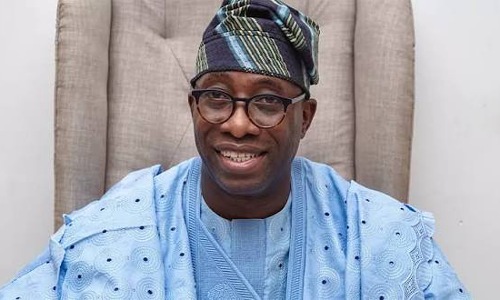
Otunba Segun Showunmi, a member of the Tinubu/Shettima Presidential Campaign Council (PCC) for 2027, has urged the South-East to assess President Bola Tinubu’s administration based on verifiable projects and measurable results rather than political propaganda.
Showunmi made the call in a statement posted on X on Saturday, urging Nigerians to evaluate the government’s performance based on infrastructure delivery, funds committed to projects and their impact on communities.
He said federal infrastructure initiatives targeting the South-East under Tinubu’s administration deserved serious scrutiny and factual assessment, adding that unfulfilled promises should continue to be pursued until the expected results were delivered.
SEE ALSO: 2027 Election: ‘Look Beyond the Noise’ – Showunmi Urges Nigerians to Give Tinubu More Time
“Our message is clear: We will not trade facts for propaganda, nor accountability for political loyalty!” he said.
The political figure challenged critics of the administration to provide evidence to support their claims, while urging those defending the government to present the projects and demonstrate their impact.
He also called on government officials to publish relevant figures, disclose project timelines and provide measurable results, insisting that no public official should be exempt from scrutiny.
According to Showunmi, the South-East deserves infrastructure that supports economic growth, including roads that connect markets, investments that create jobs and policies that expand economic opportunities.
He maintained that political representation must translate into tangible benefits for citizens, stressing that public office should deliver value to the people.
As part of his call to action, Showunmi urged Nigerians to scrutinise government records, challenge misinformation with evidence and demand the completion of outstanding projects.
He further called for public commitments to be matched by measurable delivery, arguing that leadership should be assessed by facts and results rather than political rhetoric.
Ending his statement with the slogan, “Asiwaju is a goal,” Showunmi called for accountability and greater inclusion of the South-East in Nigeria’s development.
Showunmi is associated with The Alternative and is a member of the Tinubu/Shettima Presidential Campaign Council for the 2027 elections.






‘Election Rulings Have Diminished Nigeria’s Judiciary’ – Utomi

NDLEA Arrests 85-Year-Old Woman With 179kg of Cannabis in Edo

Ambakederimo Questions NNPC Over Crude Oil Sales, Upfront Payments
South-South Group Opposes Coastal Road Alignment With East-West Road

Zamfara: Farmer rescued as search for 10 others continues

Showunmi Urges South-East to Judge Tinubu by Projects, Not Propaganda

Trump’s Family Unveils New Cryptocurrency Platform

Senate Denies Receiving Petitions Against Tinubu’s Ambassadorial Nominees

Dangote Cement Lights Up Benue Host Communities With CSR Initiatives

Reps Recommend 3-year Jail Term For Aviation minister

Tems Sets New Record On Billboard Hot 100 Chart
