
Business
PETROAN Expects Fuel Discount to Combat Inflation

The 30-day petrol discount scheme unveiled by the Nigerian government is expected to help beat inflation by reducing transportation costs, in addition to easing the prices of food and other essential commodities.
The Petroleum Products Retail Outlets Owners Association of Nigeria (PETROAN) made the assertion, urging the federal government to allocate 30 percent of the discounted petrol volume to its members to ensure wider distribution across the country.
The national president of PETROAN, Dr Billy Gillis-Harry, while commending the federal government for recognising the strategic importance of transportation to the Nigerian economy, noted that the intervention was coming at a critical period for Nigerians.
Gillis-Harry said the intervention could produce benefits beyond the transport sector.
READ ALSO: Presidency Explains Petrol Discount Offering
He opined that lower petrol costs for transport operators could help commuters, traders, farmers, manufacturers and other businesses.
He, however, urged the government, the Nigerian National Petroleum Company Limited (NNPC Ltd), transport operators, petroleum marketers and relevant agencies to cooperate fully to ensure that the scheme achieved its objectives.
The PETROAN also called on the federal government to assess the outcome of the 30-day programme and consider further measures to sustain its economic benefits.
It said additional interventions would be necessary if the scheme produced measurable reductions in transportation costs and inflationary pressures.
The PETROAN maintained that transportation costs had a direct impact on the prices of food, agricultural produce, manufactured goods and other essential commodities.
The association said a reduction in the cost of petrol for public transport operators could translate into lower fares and provide relief for commuters and households.
It said, “When transport operators spend less on petrol, commuters could benefit from more affordable fares, traders could move goods at lower costs, farmers could access markets more efficiently, and businesses could reduce logistics expenses.”
According to the association, lower transportation costs could also reduce the cost of moving agricultural produce from rural communities to urban markets.
The PETROAN said this could help moderate the prices of food and other essential commodities, particularly in areas where transportation and logistics accounted for a significant portion of the final cost of goods.
It added that the policy could support small businesses, traders, farmers, manufacturers and other productive sectors that depended heavily on road transportation.
“Reduced logistics expenses could enable businesses to sustain operations, protect jobs and improve productivity,” the association said.
The PETROAN further stated that the intervention could ease inflationary pressures by reducing the transportation component embedded in the prices of goods and services.
It said consumers could experience some relief from the current cost-of-living pressures if the savings were effectively transmitted across the supply chain.
The association, however, urged the federal government to implement the programme transparently and efficiently.
It called for clear guidelines on the exact discount per litre, eligible beneficiaries, monitoring mechanisms and distribution channels.
The PETROAN said the success of the policy should not be measured only by the volume of petrol sold at a discount.
Rather, it said the government should assess the programme based on its actual impact on transportation fares, food prices, business operating costs and household purchasing power.
The association appealed to the Federal Government to allocate 30 per cent of the total volume of discounted petrol to PETROAN members.
It said such an allocation would facilitate wider national distribution and ensure that the benefits of the intervention reached Nigerians in urban and rural communities.
The PETROAN stated that its retail outlets were spread across virtually all local government areas, communities and villages in Nigeria.
It said its network included some of the country’s most remote and underserved locations, including communities where NNPC retail outlets were not available.
“PETROAN can state unequivocally that its retail outlets have a presence in some of the most remote and underserved locations across Nigeria,” the association said.
It added that its grassroots network gave it the capacity to take petroleum products and government interventions beyond major cities and commercial centres.
“Consequently, PETROAN is requesting that 30 per cent of the total volume of discounted petrol be allocated through its retail network to guarantee wider national distribution and ensure that the benefits of the intervention reach Nigerians across local government areas, towns, villages and hard-to-reach communities,” it said.
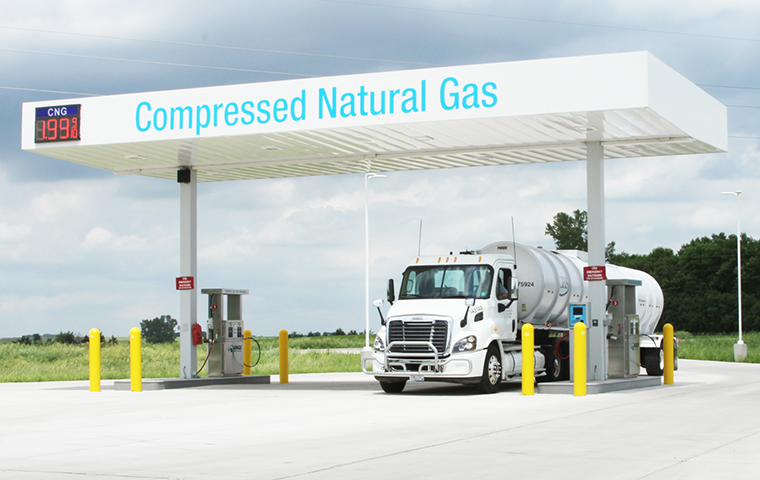
The association also said its direct relationship with petroleum consumers positioned it to support and pilot the Federal Government’s compressed natural gas initiative across the country.
The PETROAN added that leveraging its existing retail network for CNG deployment would accelerate access to the alternative fuel and encourage its adoption.
It said the approach would be particularly useful in communities where access to alternative energy solutions remained limited.
“Given its extensive grassroots presence and direct relationship with petroleum consumers, PETROAN is strategically positioned to champion and pilot the federal government’s CNG initiative across the country,” the association said.
It added that the use of existing retail outlets could support the Federal Government’s broader energy-transition and economic objectives.
The association reiterated its commitment to supporting policies that promoted affordable petroleum products, lower logistics costs, economic stability, sustainable business activity and improved living standards for Nigerians.





Business
Dangote Cement Honours Outstanding Drivers for Safety Excellence, Records 60% Reduction in Road Traffic Accidents
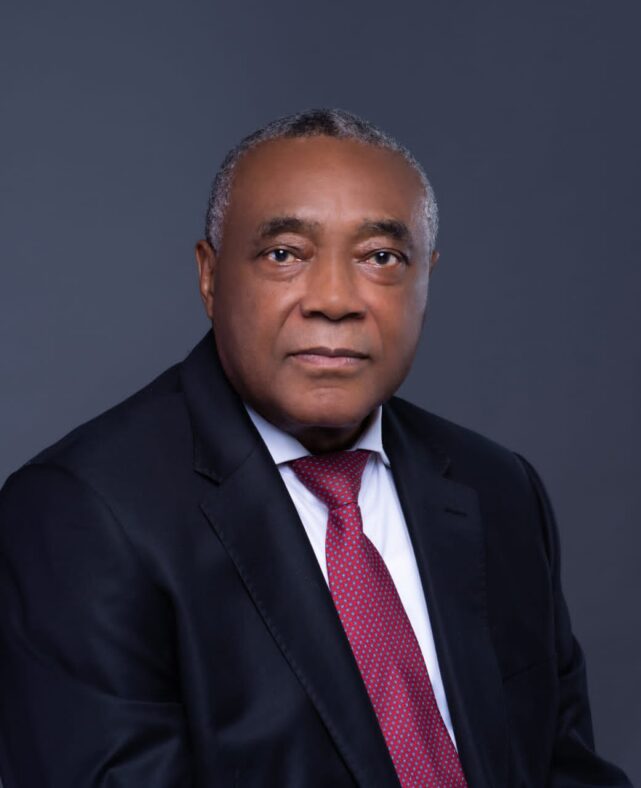
Dangote Cement Plc has achieved a remarkable 60 percent reduction in road traffic accidents following the implementation of a comprehensive driver safety programme, underscoring the company’s unwavering commitment to protecting lives and promoting road safety across its transportation operations.
The milestone was announced at the 2026 Customer Truck Scheme (CTS) Annual Driver Safety Award and Recognition Programme, themed “Rewarding Safety Excellence for Safer Roads,” where the company celebrated drivers who demonstrated exemplary safety performance and maintained accident-free records throughout the assessment period.
The achievement builds on an earlier 30 per cent reduction in road traffic accidents recorded in 2023, following the introduction of the company’s Safety Improvement Plan. As part of the initiative, approximately 3,000 drivers were trained in defensive driving techniques and safe road-use practices.
According to the company, the sustained decline in accidents reflects the effectiveness of continuous driver training, behavioural monitoring, corrective interventions, and the deliberate recognition of safe driving practices.
Speaking at the event on behalf of the Group Sales and Marketing Director, the National Sales Director of Dangote Cement Plc, Mr. Dolapo Ali, noted that the rapid expansion of the company’s transportation operations had made road safety a critical business priority.
READ ALSO: APPO Lauds Nigeria on Energy Bank Initiative
He disclosed that the CTS fleet had grown significantly from 469 trucks in 2017 to over 2,500 trucks today, increasing the need for a more structured and proactive safety management approach.
“Our business has experienced tremendous growth over the years, and with that growth comes greater responsibility. As the number of trucks and drivers operating across our roads increases, so too does our exposure to road safety risks. Protecting lives and ensuring safe operations must therefore remain at the heart of our transport strategy,” he stated.
Mr. Ali explained that road traffic accidents peaked in 2021 and 2022, prompting the company to introduce its Safety Improvement Plan in early 2023.
A key component of the programme was an intensive defensive-driving training initiative through which approximately 3,000 drivers received professional safety training. The intervention delivered immediate results, with accident rates declining by 30 per cent in 2023 compared to the previous year, followed by a further 60 per cent reduction thereafter.
To strengthen compliance and encourage safer driving behaviour, Dangote Cement also deployed advanced telematics technology across its fleet operations. The system enables real-time monitoring of critical driving behaviours, including over-speeding, harsh braking, and aggressive acceleration.
According to him, customers whose drivers record excessive safety violations are routinely engaged and supported with corrective measures aimed at preventing accidents before they occur.
“Our approach goes beyond responding to incidents after they happen. We proactively identify unsafe driving behaviours and intervene early to reduce risks and prevent accidents,” he said.
He described the annual recognition programme as an important platform for celebrating drivers who consistently uphold the highest safety standards while inspiring others to emulate their example.
The company recognised its top five drivers based on outstanding safety performance, including low levels of driving violations and zero recorded road traffic accidents throughout the evaluation period.
Congratulating the award recipients, Mr. Ali described their achievements as proof that safe driving is attainable through discipline, vigilance, commitment, and personal responsibility.
“Behind every safety statistic is a human life, a family, and a story. When accidents are prevented, it means someone returned home safely to their loved ones. That remains the ultimate objective of our safety programme,” he said.
He urged all CTS drivers to view every journey as a shared responsibility to protect themselves, their colleagues, and all other road users.
“Drive safely because your family is waiting for you. Drive safely because someone else’s family is also waiting for their loved one. Every road user deserves to arrive safely at their destination.”
Representing the Federal Road Safety Corps (FRSC), Assistant Corps Commander Abdullahi Osunomu Muhammad of RS 2.19 Neku Command commended Dangote Cement’s commitment to road safety and called for stronger collaboration among fleet operators, regulators, transport owners, and professional drivers to improve safety standards across the industry.
He stressed that the success of haulage operations should not be measured solely by the number of deliveries completed or revenue generated, but also by the ability to conduct business without endangering lives.
The FRSC official advised truck operators to employ qualified and properly licensed drivers, maintain vehicles regularly, conduct pre-trip and post-trip inspections, provide appropriate safety equipment, and avoid unrealistic delivery schedules that encourage speeding and driver fatigue.
He further cautioned drivers against distracted driving, dangerous overtaking, overloading, route violations, poor vehicle maintenance, unnecessary night journeys, and operating vehicles while fatigued or unwell.
Highlighting the unique risks associated with heavy-duty vehicles, he emphasised the importance of understanding truck blind spots, maintaining safe braking distances, and exercising additional caution on the road.
“Never make assumptions when driving. If you cannot clearly see your blind spot, seek assistance. Safety must always come first.”
The FRSC representative also encouraged truck operators to install and maintain speed-limiting devices, ensure vehicles are roadworthy, and properly secure all cargo before embarking on trips.
He urged truck owners and beneficiaries to make safety a core operational value by obeying traffic regulations, maintaining vehicles diligently, respecting other road users, and refusing to compromise safety in pursuit of profit or delivery targets.

The African Petroleum Producers’ Organisation (APPO) has commended Nigeria for its commitment and leadership in advancing the Africa Energy Bank (AEB), a strategic initiative to address financing challenges in Africa’s oil and gas industry.
The commendation came during the 50th Ordinary Session of the APPO Ministerial Council held in Abidjan, Côte d’Ivoire, where member countries deliberated on critical issues affecting the continent’s energy future.
The meeting, chaired by Côte d’Ivoire’s Minister of Mines, Petroleum and Energy and APPO President, His Excellency Mamadou Sangafowa-Coulibaly, focused on key priorities, including local content development, progress on the APPO Tower, and efforts to operationalise the Africa Energy Bank.
During the session, Nigeria’s Minister of State for Petroleum Resources (Oil), Senator Heineken Lokpobiri, PhD, reaffirmed Nigeria’s commitment to strengthening Africa’s energy security through regional cooperation, indigenous capacity development and sustainable investment.
Lokpobiri stressed the need for African countries to take greater ownership of their natural resources and mobilise the financial resources required to unlock the continent’s vast energy potential.
“Africa must take deliberate steps to harness its natural resources, strengthen indigenous capacity and mobilise the financial resources required to drive its energy ambitions. Our collective progress depends on practical commitments and sustained collaboration,” he said.
READ ALSO: Peter Obi, Kwankwaso to Hold NDC Town Hall Meeting in Benue Today
Nigeria’s efforts to advance the Africa Energy Bank initiative received commendation from APPO member countries, who acknowledged the country’s commitment and sustained drive to make the proposed institution operational.
The Africa Energy Bank is expected to provide a dedicated financing platform for Africa’s oil and gas industry, helping bridge investment gaps and mobilise capital to develop the continent’s energy resources.
The Ministerial Council also deliberated on strategies to achieve a progressive 50 per cent local content target across APPO member countries by 2030, underscoring the importance of developing indigenous expertise, strengthening local industries and retaining greater value within African economies.
Reaffirming Nigeria’s position, Lokpobiri said the country would continue to play an active leadership role in advancing initiatives that promote Africa’s energy independence and collective prosperity.
He emphasised Nigeria’s readiness to work with other APPO member countries to build a more secure, resilient and sustainable African energy sector.
The Minister maintained that stronger continental partnerships, improved access to finance and greater utilisation of indigenous resources remain essential to achieving Africa’s long-term energy security and development objectives.
In a statement signed by Nneamaka Okafor, Special Adviser on Media and Communications to the Minister of State for Petroleum Resources (Oil), the Minister reiterated Nigeria’s commitment to working with African partners to translate the continent’s energy ambitions into practical and sustainable outcomes.

Talks are ongoing between Aliko Dangote, President of Dangote Group, and the Securities and Exchange Commission (SEC) on a possible sale of part of his personal stake in the Dangote Petroleum Refinery and Petrochemicals (DPRP) to accommodate institutional investors whose demand for shares exceeded the available allocation in the company’s initial public offering (IPO).
The proposed transaction would involve a secondary sale of Dangote’s existing shares to investors who could not secure their desired allocations through the public offer, according to a Bloomberg report.
The discussions have also affected the timing of the IPO allotment, with the SEC reportedly postponing the release of the allocation list, initially expected on Tuesday, November 17, to later this week to allow it to consider the proposed transaction.
READ ALSO: Renaissance Unlocks New Oil, Gas Reserves with Technology
The SEC is processing the allotments and will grant approval once all requirements have been met.
The development follows an overwhelming response to the refinery’s share offer, which attracted applications worth approximately N5.85 trillion ($4.3 billion), almost three times the amount initially targeted. Dangote Refinery had offered 4.1 billion shares at N525 each, seeking to raise between $1.6 billion and $2.1 billion in what is expected to be Africa’s largest initial public offering.
The six-week subscription period, which ended on October 27, attracted nearly four million unique applications from investors in 120 countries, including all 54 African countries.
The proposed secondary sale is expected to address some of the unmet demand from institutional investors, particularly foreign investors, following the strong subscription.
South Africa’s Public Investment Corporation (PIC), which manages almost $220 billion in assets, including pensions for South African government workers, applied for approximately $500 million worth of shares. Nigerian pension fund administrators also sought between $400 million and $500 million worth of shares, bringing institutional demand from the two countries to nearly $1 billion.
Under the reported allocation arrangement, retail investors are expected to receive all the shares they applied for, while Nigerian pension funds are expected to receive allocations close to their requests. Foreign institutional investors are expected to bear most of the reduction in allocations.
Dangote currently owns approximately 87.3 percent of the refinery, which has a processing capacity of 650,000 barrels per day.
The initial public offer covers about 3.3 percent of the refinery, which would reduce his ownership to approximately 84.4 percent. If the full 30 percent overallotment option is exercised, his stake would fall to about 83.6 percent, before any additional sale of his personal shares.
At the IPO price of N525 per share, the refinery is valued at approximately N65.2 trillion ($47.8 billion). The proposed secondary transaction is separate from the refinery’s plan to increase the size of its IPO through the overallotment option.
In a separate report, Reuters reported that the refinery planned to increase its IPO by up to 30 percent, from the initial 4.1 billion shares to as many as 5.33 billion shares, subject to SEC approval. The proposed expansion could increase the fundraising target to approximately $2.1 billion, following investor orders worth nearly N6 trillion. The IPO proceeds are expected to support the refinery’s expansion plans, while a secondary sale of Dangote’s existing shares would generate proceeds for him as the selling shareholder.






Osun SEC Approves Draft 2027 Budget

Dangote Cement Honours Outstanding Drivers for Safety Excellence, Records 60% Reduction in Road Traffic Accidents

APPO Lauds Nigeria on Energy Bank Initiative
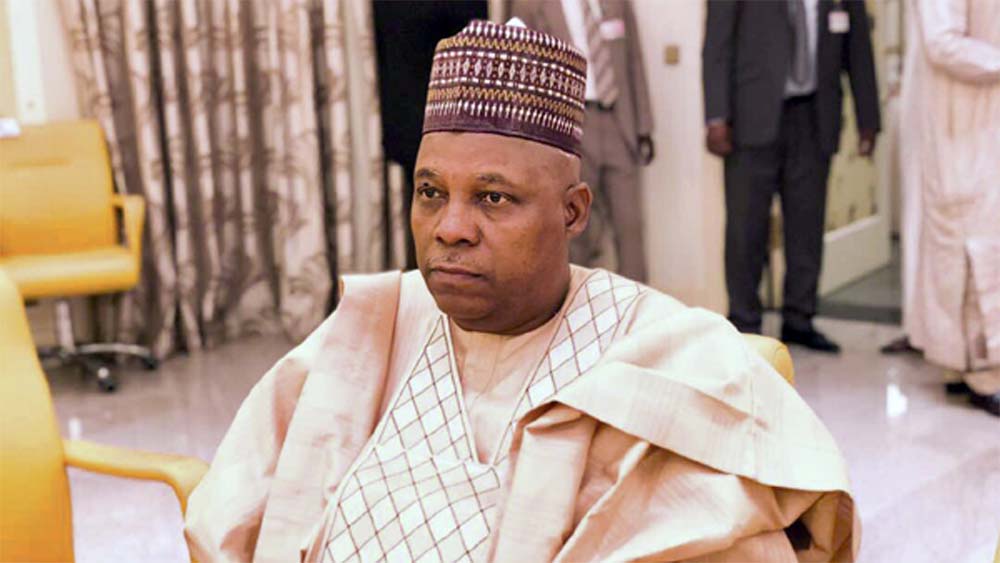
Shettima Attends Grand Opening of Ashley Furniture Showroom in Lagos

NEIS Offers 9,583 Agents to Monitor 2027 Election Results

Nigeria’s Petrol Supply Rises 21% as Diesel Receipts Nearly Double – NMDPRA

Trump’s Family Unveils New Cryptocurrency Platform

Senate Denies Receiving Petitions Against Tinubu’s Ambassadorial Nominees

Dangote Cement Lights Up Benue Host Communities With CSR Initiatives

Reps Recommend 3-year Jail Term For Aviation minister

Tems Sets New Record On Billboard Hot 100 Chart