
NEWS
Power Outage Hits Presidential Villa, Maitama, Others As Vandals Strike

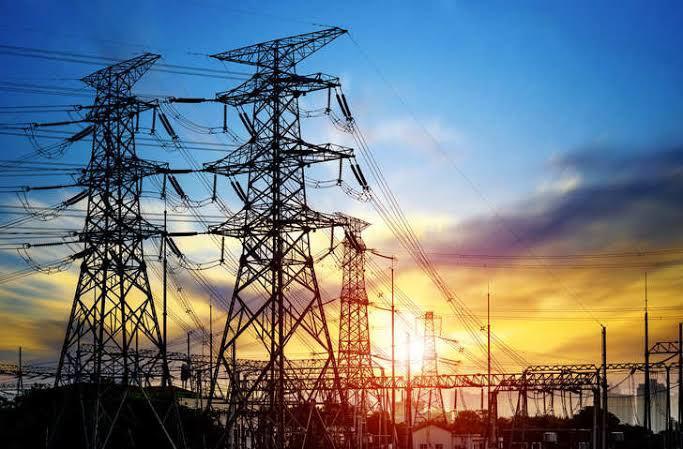
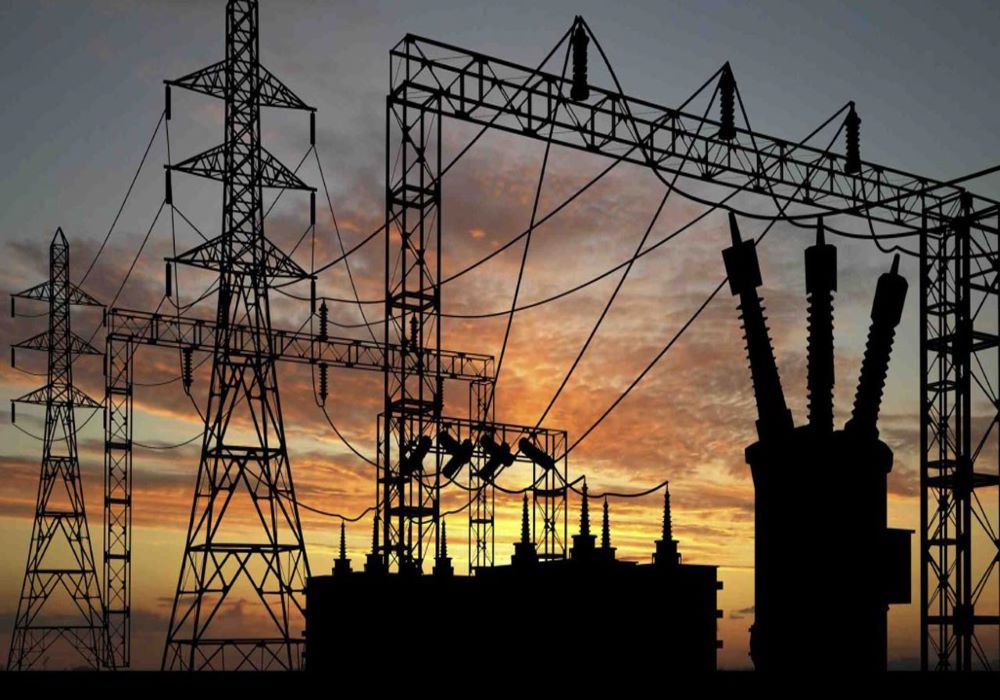
Power supply has been disrupted in several areas of Abuja, including parts of the Presidential Villa, Maitama, Wuse, Jabi, Life Camp, Asokoro, Utako, and Mabushi, following an incident of cable vandalism.
The Transmission Company of Nigeria (TCN) disclosed that vandals targeted a 132kV transmission line, stealing underground cables and a 40-meter stretch of 1x500mm XLPE conductor.
The affected cables supply bulk electricity to the Central Area transmission substation in Katampe.
READ MORE: Obasa Missing As Meranda Leads Lagos Assembly’s First Plenary As Female Speaker
“Consequently, areas experiencing power outage include Maitama, Wuse, Jabi, Life Camp, Asokoro, Utako, Mabushi, and parts of Presidential Villa,” TCN General Manager of Public Affairs, Ndidi Mbah, said in a statement on Friday.
Mbah confirmed that the incident has impacted eight distribution feeders, disrupting over 60 percent of the power supply to Abuja.
She further noted, “The vandalism of this critical infrastructure is suspected to have occurred near the Menillum Park axis of Abuja.”
In response to the disruption, the TCN has deployed engineers to repair the damaged cables. “We appeal to residents in the affected areas to remain patient while efforts to repair the damaged cables are underway,” Mbah added.
She also expressed concern about the recurring issue of cable vandalism, which continues to hinder power delivery nationwide.
Mbah called on Nigerians to remain vigilant and to help protect power infrastructure from further acts of vandalism.
The Abuja Electricity Distribution Company (AEDC) also issued a notice confirming the outage and its impact on customers.
“Dear Valued Customers, this is to inform residents around Federal Secretariat, Wuse Zone 1-7, Central Mosque, Energy Commission, Transcorp Hotel, Eagle Square, Yar’adua Centre, the entire Central Area, TCN HQ, CAC HQ, NYSC HQ, INEC, the entire Maitama, Kado Estate, parts of Jabi District, Area 7, 8 & 10 Garki, and its environs that the power outage being experienced is due to a fault on the 132kV lines 1&2 from Katampe to AT5 Central Area Transmission Station,” the notice read.
Efforts to repair the damaged cables are ongoing, with authorities working to restore power to the affected areas as quickly as possible.





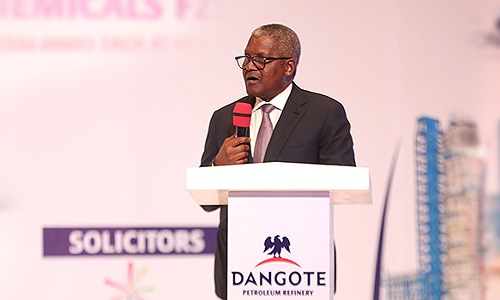
Investor demand for the Dangote Petroleum Refinery and Petrochemicals initial public offering (IPO) has reached a historic level, with subscription activity surging across digital investment channels.
Data released by the Nigerian Exchange (NGX) on its official X handle on Monday showed that total transaction volume had surpassed 402,634, pushing the total subscription value to ₦1,476,171,994,112, approximately ₦1.476 trillion.
The figures, displayed on the #NGXInvest command centre dashboard, highlight the strong appetite among investors for the landmark offering.
More details shortly.
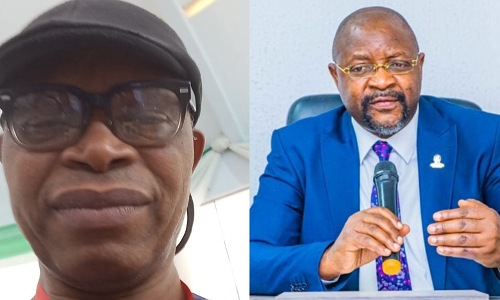
Special Adviser to President Bola Ahmed Tinubu on Media and Public Communications/Spokesperson, Dr Sunday Dare, has highlighted what he described as key achievements of the Tinubu administration while firing back at columnist Steve Osuji over his assessment of the 2027 presidential landscape.
Dare made the remarks in a lengthy statement disclosed via his X account on Monday, titled “Steve Osuji’s 2027 Prophetic Fantasy.”
The presidential aide accused Osuji of confusing “cynicism for sophistication, bitter partisanship for objective analysis, and venom for editorial depth.”
SEE ALSO: Your Presidency Left Nigeria in Ruins, Tinubu Is Fixing It – Dare to Obasanjo
Dare said Osuji’s intervention on the 2027 presidential race attempted to portray President Tinubu as an imperiled incumbent while elevating former Labour Party presidential candidate Peter Obi as an “infallible, messianic” opposition figure.
According to him, Osuji’s argument amounted to “wishful thinking” and failed to account for the structural challenges facing Nigeria.
Dare Defends Tinubu’s Economic Reforms
Dare defended some of the administration’s most controversial economic decisions, particularly the removal of fuel subsidy and the unification of the foreign exchange market.
He argued that successive governments had failed to confront what he described as the “criminal, unsustainable fuel subsidy regime” and distorted multiple foreign exchange markets.
According to Dare, previous administrations repeatedly postponed the difficult decisions, opting instead for what he called “popular, debt-financed ruin.”
He said Tinubu “took the bull by the horns on day one,” arguing that the reforms stopped the diversion of trillions of naira through the subsidy regime and dismantled what he described as a corrupt parallel-market cartel.
Dare added that revenue flows to the federal, state and local governments had expanded as a result, giving sub-national governments greater financial capacity to execute development projects.
$54.08bn Reserves, 4.43% GDP Growth
The presidential aide also cited what he described as measurable gains in the Nigerian economy.
Dare said Nigeria’s real GDP expanded by 4.43 per cent year-on-year in the second quarter of 2026, accelerating from previous quarters.
He also cited the assessments of international rating agencies, including Fitch, Moody’s and S&P Global Ratings, saying their credit upgrades reflected growing confidence in Nigeria’s structural reforms.
According to Dare, Nigeria’s external reserves had risen above $54.08 billion, which he described as the highest level in nearly 18 years.
He further claimed that the debt service-to-revenue ratio had experienced a “dramatic downward rebalancing” away from the unsustainable levels of previous years.
Dare Highlights Tinubu’s Infrastructure Drive
Dare listed infrastructure development as another major area of progress under Tinubu.
He cited the ongoing construction of the Lagos-Calabar Coastal Highway and Sokoto-Badagry Highway, as well as rail modernisation and regional power interventions.
According to him, the administration had prioritised high-impact infrastructure through aggressive Public-Private Partnerships and the Renewed Hope Infrastructure Development Fund.
He said the projects were laying “the physical tracks for long-term industrialization.”
NELFUND, MSMEs and Minimum Wage
Dare also highlighted the administration’s social interventions and human-capital programmes.
He cited the Nigerian Education Loan Fund (NELFUND), saying it had enabled hundreds of thousands of indigent students to access higher education.
He also listed Credicorp, MSME intervention funds and the implementation of the new national minimum wage among measures introduced to cushion Nigerians from the effects of the economic adjustments.
Security and EFCC
On security, Dare acknowledged that Nigeria’s security challenges had accumulated over decades and could not disappear overnight.
However, he said the armed forces had continued with “aggressive, coordinated offensives” against insurgency, banditry and kidnapping networks.
He maintained that the operations had steadily restored civil authority to liberated communities.
Dare also cited the Economic and Financial Crimes Commission (EFCC), saying the agency had been empowered to tackle illicit financial flows and sanitise the country’s financial architecture.
He added that Nigeria’s standing in international financial governance had continued to benefit from the administration’s policies.
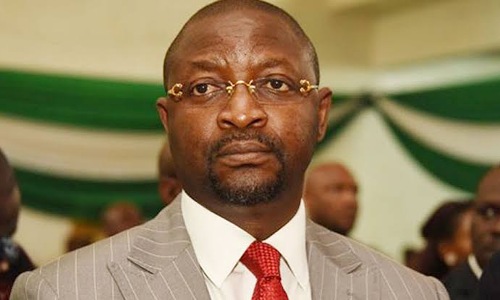
The Presidency has taken a swipe at columnist Steve Osuji over his assessment of the 2027 presidential race, accusing him of presenting Labour Party presidential candidate in the 2023 election, Peter Obi, as a “messianic” opposition figure.
Special Adviser to President Bola Ahmed Tinubu on Media and Public Communications/Spokesperson, Dr Sunday Dare, made the criticism in a statement disclosed via his X account on Monday titled “Steve Osuji’s 2027 Prophetic Fantasy.”
SEE ALSO: 2027: We’re Not Afraid of Peter Obi, He Can’t Beat Tinubu in Lagos Again — Sunday Dare
Dare accused Osuji of what he described as “unwarranted condescension, frantic hyperbole, and a palpable disdain for institutional reality,” arguing that his commentary on the 2027 political landscape was driven by partisan sentiment rather than objective analysis.
According to the presidential aide, Osuji had attempted to portray President Tinubu as an imperiled incumbent while elevating Obi as an “infallible, messianic” opposition figure.
Dare particularly rejected the suggestion that Obi had effectively won the 2023 presidential election before it was allegedly “glitched” away.
He described the claim as a “comforting fairy tale for the opposition,” arguing that it ignored Nigeria’s electoral geography and constitutional requirements for winning the presidency.
Dare said a candidate who failed to secure meaningful votes across critical parts of the northern and central regions could not claim a national mandate simply by winning strongly in certain areas.
“Winning pockets of hyper-mobilized angst in isolated urban enclaves does not translate to a pan-Nigerian victory,” he argued.
The presidential aide also questioned Obi’s political trajectory, referencing his movement from the Peoples Democratic Party (PDP) to the Labour Party and his reported association with the National Democratic Congress (NDC).
He rejected Osuji’s portrayal of Obi’s political approach as “organic consistency,” arguing that presidential politics required structured party organs, nationwide organisation, transparent debates and institutional accountability.
Dare further described Obi as “a digital-age populist riding the transient waves of economic anxiety and social media echo chambers,” while challenging the notion that an aversion to traditional campaign structures automatically represented political revolution.
Dare Accuses Osuji of Political Gatekeeping
The Presidency also criticised Osuji’s treatment of other potential presidential contenders, including Donald Duke, Omoyele Sowore and Adewole Adebayo.
Dare objected to their characterisation as “spoilers” and “clowns,” arguing that dismissing political figures who do not align with a preferred candidate amounts to intolerance towards pluralism.
He described such an approach as “partisan gatekeeping disguised as high-minded critique.”
Dare’s criticism comes as political calculations and alliances ahead of the 2027 presidential election continue to intensify, with opposition parties and political figures positioning themselves for the contest.
While Osuji’s analysis focused heavily on the prospects of opposition forces, Dare used his response to defend the Tinubu administration’s record and challenge what he described as attempts to portray the President as politically vulnerable.
He argued that the administration had confronted longstanding structural problems, including fuel subsidy and foreign exchange distortions, and maintained that the impact of its reforms would increasingly become evident.
Dare also dismissed criticism surrounding Tinubu’s working vacation, rejecting suggestions that the President was “on the run” or “incommunicado.”
According to him, modern governance requires international engagements, economic diplomacy and strategic planning beyond the confines of Abuja.
He maintained that the 2027 election would ultimately be decided by Nigerians based on governance and measurable results rather than what he described as political “demagoguery.”
Dare concluded his response with a warning to critics of the administration: “Forget your Expresso. Smell the coffee.”






EFCC Warns Lawyers Against Charging Clients in Foreign Currencies

BREAKING: Dangote Refinery IPO Subscription Surpasses ₦1.4trn as Investor Demand Soars

Sunday Dare Highlights Tinubu’s Key Achievements, Fires Back at Steve Osuji

2027: Presidency Tackles Steve Osuji Over Peter Obi’s ‘Messiah’ Narrative

JUST IN: Police Raise Alarm Over Planned Attacks on Churches, Schools, NYSC Camps

“I’m Deeply Sorry Sir” — Desmond Elliot Kneels Before Gbajabiamila [Video]

Trump’s Family Unveils New Cryptocurrency Platform

Senate Denies Receiving Petitions Against Tinubu’s Ambassadorial Nominees

Dangote Cement Lights Up Benue Host Communities With CSR Initiatives

Reps Recommend 3-year Jail Term For Aviation minister

Tems Sets New Record On Billboard Hot 100 Chart
