
Other News
Rotary releases US$35.9 million to fight polio in Africa and Asia


EVANSTON – The continued fight to eliminate polio gets an additional $36 million boost from Rotary in support of polio immunization activities and research to be carried out by the Global Polio Eradication Initiative, which aims to end the disabling viral disease worldwide by 2018.
The funding commitment comes at a critical time as the eradication initiative focuses on stopping polio in the three countries where the virus remains endemic: Afghanistan, Nigeria, and Pakistan. Stopping polio in those countries is crucial in order to halt the recent spate of outbreaks in countries where the disease had previously been beaten and where mass immunizations of children via the oral polio vaccine must continue until global eradication is achieved.
The Rotary grants include $6.8 million for Afghanistan, $7.7 million for Nigeria and $926,000 for Pakistan. Grant amounts are based on requests from eradication initiative partners UNICEF and the World Health Organization, which work with the governments of polio-affected countries to plan and carry out immunization activities.
UNICEF will use a grant of $2.73 million to bolster vaccination activities throughout the Horn of Africa as part of an on-going response to an outbreak that began in 2013 and has now infected more than 200 children. The so-called “imported” cases are linked to the strain of polio endemic to Nigeria, underscoring the need to stop the virus in the endemic countries.
“Now it is of critical importance to get as many children as possible immunized through routine immunization, especially in areas within the Horn of Africa that are not doing so well in that regard,” says Joel Lehmann, a Rotary member from Nairobi, Kenya. “As Rotary, we want to find effective ways to eradicate polio worldwide and at the same time, to improve child health in general,” Lehmann adds.
The other countries where Rotary funds will be used to fight polio are Burkina Faso, $2.1 million; Cameroon, $3.4 million; Democratic Republic of Congo, $3.9 million; Niger, $2.3 million; Somalia, $1.3 million; South Sudan, $2.6 million; and Sudan, $1.2 million.
WHO also received $934,000 to study the impact of introducing injectable, inactivated polio vaccine into the immunization program as part of the initiative’s endgame plan, as the goal of global eradication nears.
Unrelated to this round of grants, Rotary released $500,000 in December 2013 as an emergency response to the polio outbreak in strife-torn Syria, which had not reported polio since 1999. Through Jan. 31, there were 23 confirmed cases in Syria since October 2013, all traceable to the polio strain circulating in Pakistan.
Rotary launched its polio immunization program PolioPlus in 1985 and in 1988 became a spearheading partner in the Global Polio Eradication Initiative with the WHO, UNICEF, and the U.S. Centers for Disease Control and Prevention. Since the initiative launched in 1988, the incidence of polio has plummeted by more than 99 percent, from about 350,000 cases a year to 369 confirmed so far for 2013.
Rotary’s main responsibilities within the initiative are fundraising, advocacy, and social mobilization. To date, Rotary has contributed more than $1.2 billion and countless volunteer hours to fight polio. Through 2018, every new dollar Rotary commits to polio eradication will be matched two-to-one by the Bill & Melinda Gates Foundation up to $35 million a year.

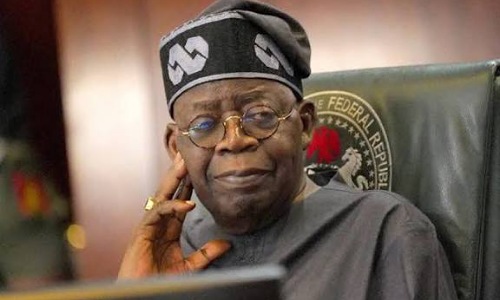
The Social Democratic Party (SDP) and the Inter-Party Advisory Council (IPAC) have disclosed details of their recent closed-door meeting with President Bola Tinubu, explaining that the engagement focused on strengthening Nigeria’s democratic process ahead of the 2027 general elections.
The clarification came amid speculation surrounding the meeting, which took place at the Presidential Villa in Abuja after leaders of several opposition parties attended an Iftar dinner hosted by the president earlier in the week.
ALSO READ: NNPC Secures Tinubu’s Approval for $20bn FID on Bonga Deepwater Project
Speaking during a gathering hosted in Abuja by the SDP’s former presidential candidate, Adewole Adebayo on Friday, the party’s National Chairman, Prof. Sadiq Gombe, said the meeting with Tinubu followed an official invitation from the Presidency and lasted about an hour.
According to Gombe, the discussion centred on the need to strengthen Nigeria’s electoral laws and restore public confidence in the country’s electoral process ahead of the 2027 polls.
He explained that the meeting provided an opportunity for party leaders to remind the president of the importance of conducting transparent, free, and credible elections.
Gombe noted that democracy can only thrive when governments listen to the concerns of citizens and ensure electoral processes that guarantee fairness and accountability.
The SDP chairman also expressed concern over growing voter apathy, pointing to the low turnout recorded in the recent Area Council election in the Federal Capital Territory.
He said the Abuja Municipal Area Council election witnessed only about seven per cent voter turnout, which he described as a clear sign that many Nigerians are losing confidence in the electoral system.
Gombe urged the government and members of the National Assembly to take urgent steps to review electoral laws and rebuild public trust in Nigeria’s democracy.
Also speaking, the National Chairman of IPAC, Dr. Yusuf Dantalle, said political parties used the meeting to raise concerns about aspects of proposed electoral reforms, particularly issues related to indirect primaries and the mandatory electronic transmission of results.
Dantalle explained that the parties appealed to the president to use his influence to encourage legislative review where necessary, noting that reforms should strengthen, rather than complicate, the democratic process.
He expressed optimism that Tinubu would consider the concerns raised and support necessary amendments that would improve the electoral system.
The IPAC chairman also called on the Independent National Electoral Commission (INEC) to strictly adhere to electoral guidelines as preparations for the next election cycle begin.
Earlier in his remarks, Adebayo cautioned political actors against turning the 2027 general elections into a do-or-die contest, stressing that the primary goal of democracy should be the progress and stability of Nigeria rather than personal political victories.
He urged leaders across political parties to encourage citizens to actively participate in the democratic process and ensure that elections are conducted peacefully and transparently.
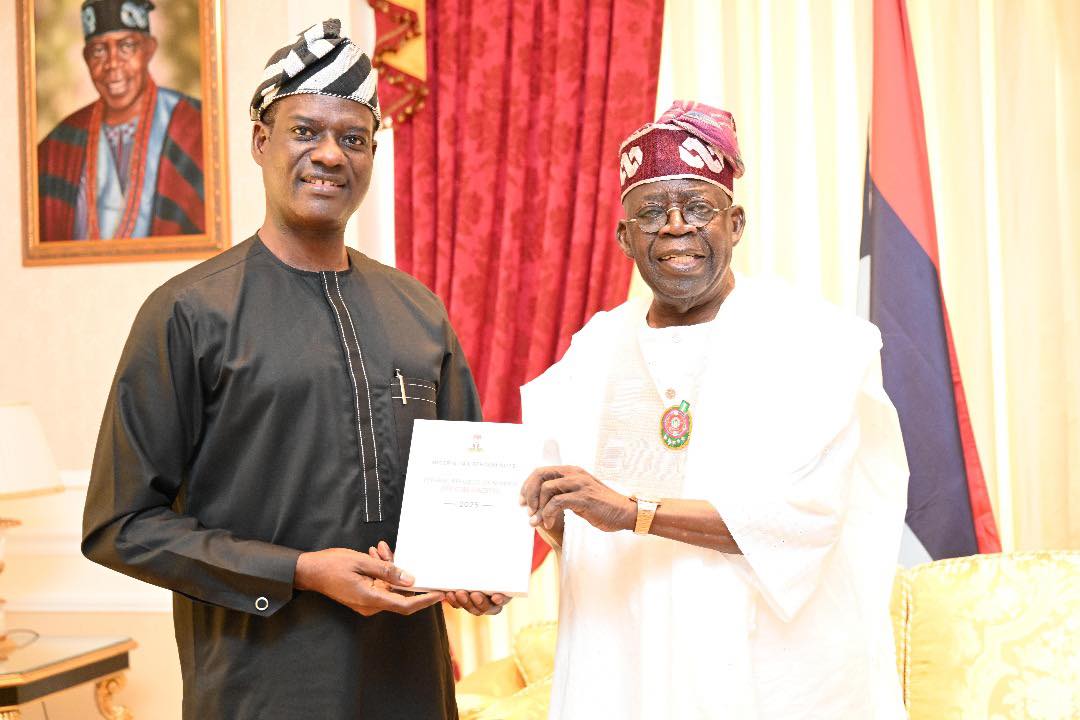
President Bola Tinubu and Mr. Taiwo Oyedele during his nomination on Wednesday.






Airfares Likely to Rise as Aviation Fuel Price Spikes by 80%

Shell Completes Turnaround Maintenance on FPSO, Resumes Production at Bonga

Sahara Group expands fleet with new 40,000 cbm LPG Carrier

NATO Shoots Down Third Iranian Missile in Turkey

Inside Tinubu’s Closed-Door Meeting With Opposition Leaders – SDP, IPAC Reveal Details

Defections Won’t Break PDP in Sokoto, Says Former Senator Gada

Trump’s Family Unveils New Cryptocurrency Platform

Reps Recommend 3-year Jail Term For Aviation minister

Dangote Cement Lights Up Benue Host Communities With CSR Initiatives

Senate Denies Receiving Petitions Against Tinubu’s Ambassadorial Nominees

Things To Know About Threads, Zuckerberg’s Twitter-like App
