
NEWS
Security Agencies Have Been Compromised – Gov Mutfwang

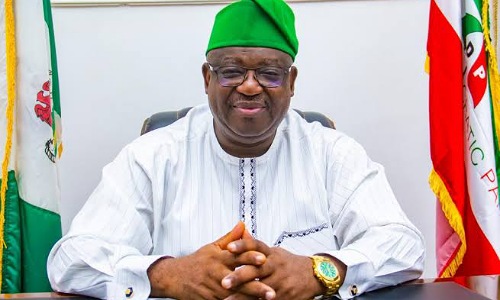
Plateau State Governor Caleb Mutfwang has expressed worry over the reported infiltration of security agencies by criminal elements.
He alleged that some officers are functioning as accomplices to criminals.
Mutfwang cited instances of security forces confiscating everyday tools like machetes from locals and emphasized the importance of reviewing the recruitment process to identify and remove any problematic individuals.
Additionally, he underscored the necessity for enhanced accountability and control concerning the possession of firearms within the security services.
He said, “We must be able to ensure balance. We can not just let people to possess guns without control; without accountability. There must be a registration process, we know who is holding what, where.
“But we have witnessed a lot of overzealousness by some of security agencies operating on ground who instead of cooperating with locals; when they find them sometimes with ordinary machetes, they confiscate them.
“And when engaged with their commanders, they say no this is not right. You should be able to boost the morale of those who start up to defend their communities and not arrest them, we have excesses which we have reported to the authorities.
“Let me also say this that the security agencies have been infiltrated, this is the fact we must confront as a nation. There are many people in the security agencies who should not be there, they are agents of these criminals and sometimes they even compromise their colleagues, that is why you have a lot of ambushes when these security agencies are going on operations.
“Therefore, the president must give a very firm directive to the security agencies that in the ongoing recruitment processes, diligence must be taken, diligence must be observed to ensure that wrong elements are not recruited into the security agencies.
“There must be also a mechanism to be able to fish out these bad eggs within the security services, it is only when we do that that we can ensure that there is professionalism and discipline.” he added


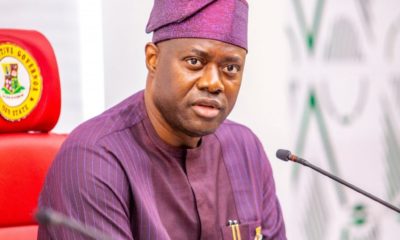





The Nigeria Police Force has rescued an abducted farmer, Nafi’u Abubakar Sarki, as security operatives continue efforts to locate 10 other farmers abducted by armed bandits in Maru Local Government Area of Zamfara State.
The rescue operation followed the abduction of 11 farmers at Kamfanin Madam Village, according to the police operational update issued on Sunday, October 18, 2026.
The police said tactical teams, working alongside local vigilantes, traced the escape route used by the suspected bandits in an effort to locate the victims.
SEE ALSO: Two Suspected Bandits in Police Net in Katsina
“Police Tactical Teams and local vigilantes successfully traced the escape route of armed bandits who abducted 11 farmers at Kamfanin Madam Village, Maru LGA,” the statement said.
It added that “one of the abducted victims, Nafi’u Abubakar Sarki, was safely rescued unharmed, while operations continue for the rescue of the remaining victims.”
The police identified the State Criminal Investigation Department (SCID) in Gusau as the unit investigating the incident.
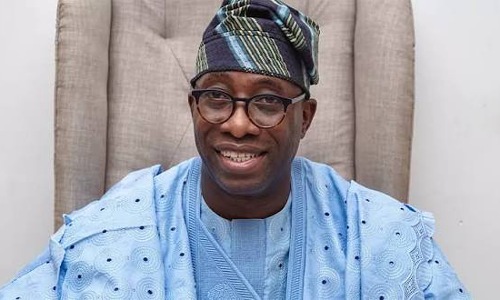
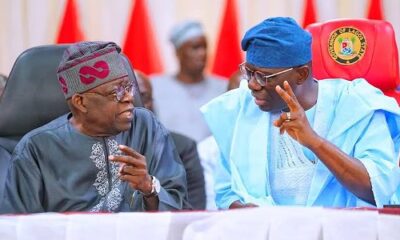
Otunba Segun Showunmi, a member of the Tinubu/Shettima Presidential Campaign Council (PCC) for 2027, has urged the South-East to assess President Bola Tinubu’s administration based on verifiable projects and measurable results rather than political propaganda.
Showunmi made the call in a statement posted on X on Saturday, urging Nigerians to evaluate the government’s performance based on infrastructure delivery, funds committed to projects and their impact on communities.
He said federal infrastructure initiatives targeting the South-East under Tinubu’s administration deserved serious scrutiny and factual assessment, adding that unfulfilled promises should continue to be pursued until the expected results were delivered.
SEE ALSO: 2027 Election: ‘Look Beyond the Noise’ – Showunmi Urges Nigerians to Give Tinubu More Time
“Our message is clear: We will not trade facts for propaganda, nor accountability for political loyalty!” he said.
The political figure challenged critics of the administration to provide evidence to support their claims, while urging those defending the government to present the projects and demonstrate their impact.
He also called on government officials to publish relevant figures, disclose project timelines and provide measurable results, insisting that no public official should be exempt from scrutiny.
According to Showunmi, the South-East deserves infrastructure that supports economic growth, including roads that connect markets, investments that create jobs and policies that expand economic opportunities.
He maintained that political representation must translate into tangible benefits for citizens, stressing that public office should deliver value to the people.
As part of his call to action, Showunmi urged Nigerians to scrutinise government records, challenge misinformation with evidence and demand the completion of outstanding projects.
He further called for public commitments to be matched by measurable delivery, arguing that leadership should be assessed by facts and results rather than political rhetoric.
Ending his statement with the slogan, “Asiwaju is a goal,” Showunmi called for accountability and greater inclusion of the South-East in Nigeria’s development.
Showunmi is associated with The Alternative and is a member of the Tinubu/Shettima Presidential Campaign Council for the 2027 elections.
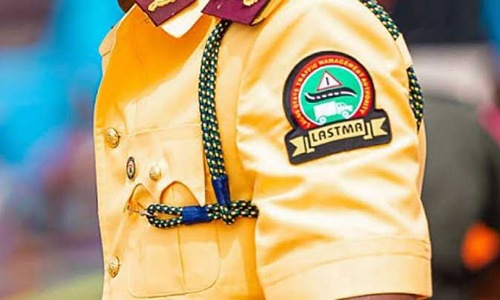
The Lagos State Traffic Management Authority (LASTMA) on Saturday announced a temporary road closure near Apostolic Church, inward Toll Gate, to allow engineers to install a beam on a height-restriction structure.
The agency said the installation was aimed at preventing high-rise trailers from accessing the newly constructed pedestrian bridge.
ALSO READ: LASTMA Alerts Motorists to Traffic Delays on Ogunnusi Road
“Currently, one lane has been occupied to facilitate the ongoing construction work, while the remaining two lanes are available to motorists,” LASTMA stated.
The agency advised road users to approach the affected corridor with caution and follow the directions of its personnel deployed to the area.
“Road users are advised to approach the affected corridor with caution and follow the directions of our personnel who are on ground to ensure the smooth flow of vehicular movement,” the statement added.
LASTMA also urged motorists to remain patient while the installation work continued.
“Motorists are encouraged to exercise patience while the installation work is in progress,” the agency stated.






Zamfara: Farmer rescued as search for 10 others continues

Showunmi Urges South-East to Judge Tinubu by Projects, Not Propaganda

2027: ‘North Has No Reason to Break Agreement’ — Gov Yusuf Backs Tinubu

Aircraft Averts Crash, After Losing Door Mid-Air in Abuja

Bandits Kill 70-Year-Old Man in Katsina, 27 Victims Rescued

‘Nigeria Is Doomed Under Tinubu’ — Kenneth Okonkwo Backs Atiku for 2027

Trump’s Family Unveils New Cryptocurrency Platform

Senate Denies Receiving Petitions Against Tinubu’s Ambassadorial Nominees

Dangote Cement Lights Up Benue Host Communities With CSR Initiatives

Reps Recommend 3-year Jail Term For Aviation minister

Tems Sets New Record On Billboard Hot 100 Chart
