
NEWS
Senate tinkers with Terrorism Act, outlaws payment of ransom to kidnappers

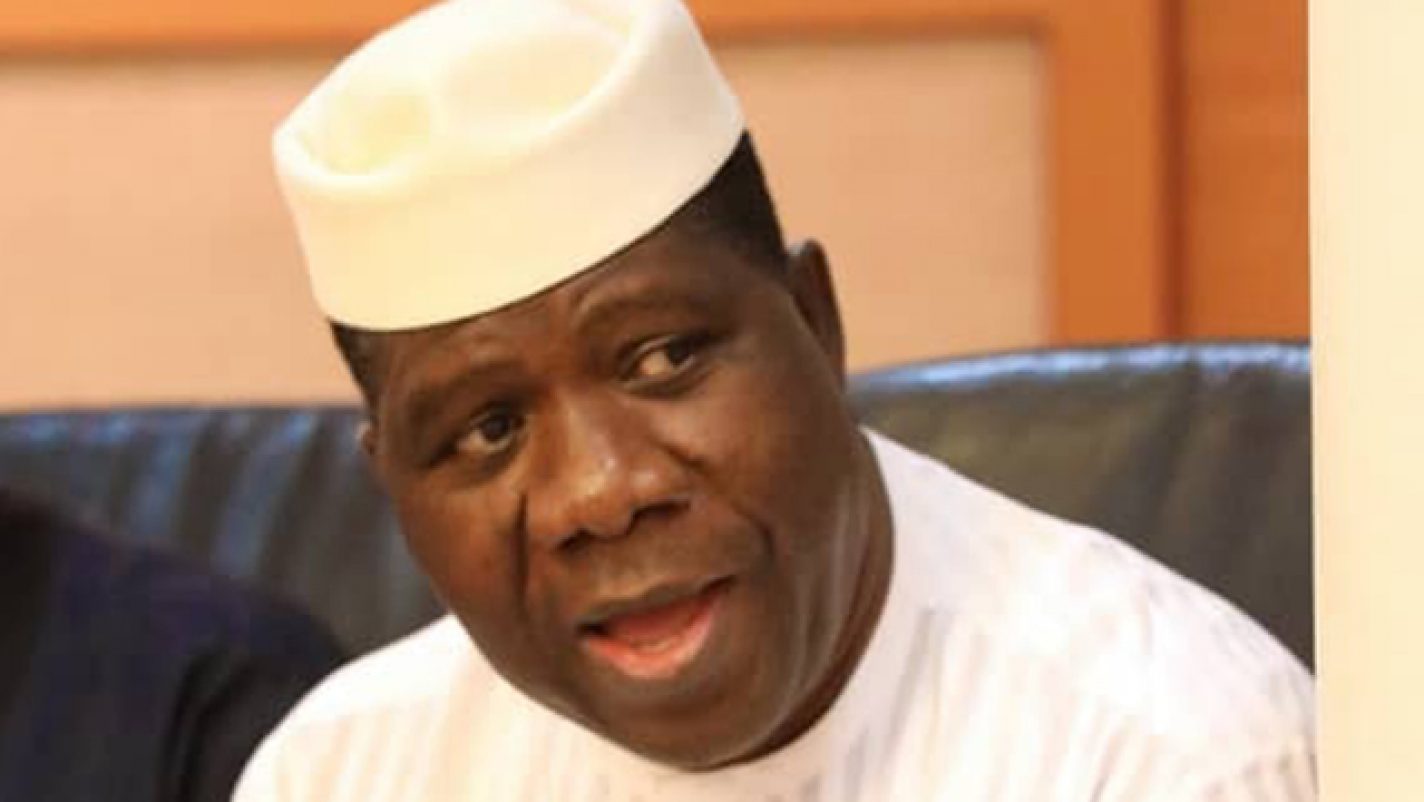
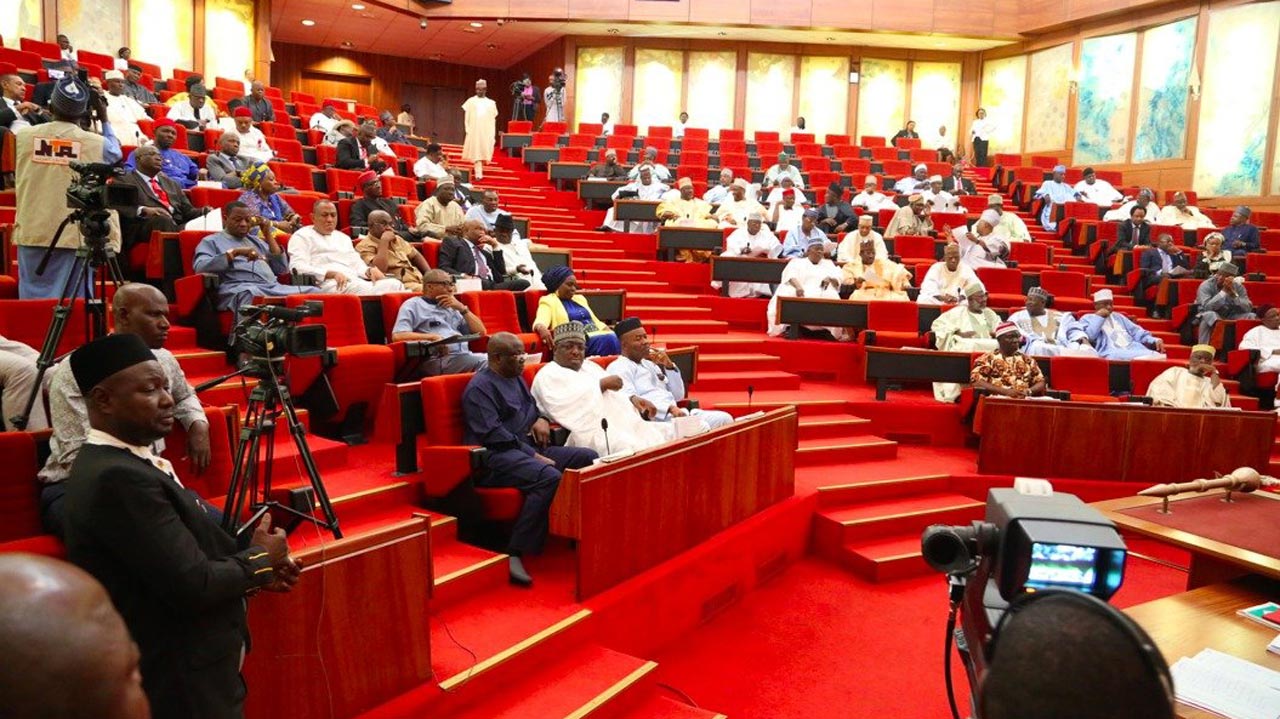
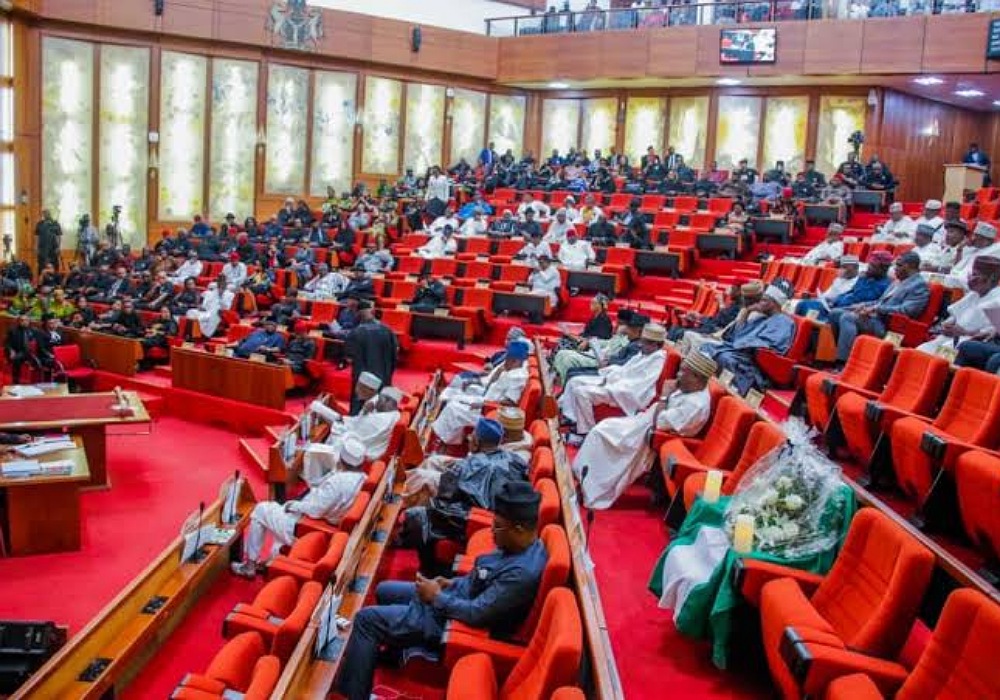
A bill seeking to amend the Terrorism (Prevention) Act, 2013, and prohibit the payment of ransom to kidnappers in Nigeria has been passed by the Senate on Wednesday.
The passage of the Terrorism (Prevention) Act 2013 (Amendment) Bill, 2022, came after the consideration of a report by the Committee on Judiciary, Human Rights, and Legal Matters.
The Committee’s Chairman, Senator Opeyemi Bamidele (APC, Ekiti Central), laid the report before consideration.
While presenting the report, he said the bill seeks to outlaw the payment of ransom to abductors, kidnappers, and terrorists for the release of any person who has been wrongfully confined, imprisoned, or kidnapped.
According to the lawmaker, “the overall import of this bill is to discourage the rising spate of kidnapping and abduction for ransom In Nigeria, which is fast spreading across the country”
He disclosed that in the memoranda presented to the Committee, a plethora of issues relating to the subject matter of terrorism and terrorism financing in line with global best practices were raised.
He assured that the amendment to the Terrorism Act would set standards and regulatory system intended to prevent terrorist groups from laundering money through the banking system and other financial networks.
He added that, “having policies in place to combat financing of terrorism will surely reduce or eliminate privacy and anonymity in financial and other sundry transactions as it relates to the subject in our society.”
He explained further that the need to comprehensively review the Terrorism Prevention Act arose from the unfavorable ratings of Financial Act Task Force (FATF) recommendations of Nigeria’s Mutual Evaluation Report and consequent placement of Nigeria in FATF’S International Cooperation and Review Group Process with its impending sanctions on Nigeria’s economy.
He stated that the National Task Force on improving Nigeria’s Anti-Money Laundering and Countering the Financing of Terrorism (AML/CFT) regime in Nigeria, a proposed improvement on the Act in order to address the deficiencies noted in its provisions so as to align with the required standard as obtainable in other jurisdictions.
He emphasized that the proposed repeal and enactment Bill was geared toward improving the effectiveness of countermeasures against terrorism, terrorism financing, and proliferation financing.
The lawmaker noted that the repeal is aimed at providing an adequate framework for improved international collaboration, inter-agency cooperation and freezing of terrorist funds/assets.
Read Also >> #EndSARS Panel Orders Police Commissioner’s Arrest
Bamidele said that “the passage of this Bill will save Nigeria from being included among countries in the Financial Action Task Force (FATF) Grey List with its attendant negative consequences, which might ultimately result to international sanctions that would affect the image of the country in the comity of nations.”
The Senate President, Ahmad Lawan, in his remarks after the bill was passed, said the bill would complement the federal government’s efforts in the fight against insecurity when signed into law by the President.
He said, “It is our belief here in the Senate, that this bill, by the time signed into an Act by Mr. President, will enhance the efforts of this government in the fight against terrorism, kidnapping, and other associated and related vices.
“This is one piece of legislation that can turn around not only the security situation in Nigeria but even the economic fortunes of our country.
“We have done so much as a government, in terms of infrastructural development across all parts of this country, but because the security situation is not the kind of situation that we all want, this tends to overshadow all the tremendous and massive developments in our country.
“I believe that the Executive will waste no time in signing this bill into law, and it is our hope that this additional piece of legislation will achieve the purpose for which it has been worked upon by the Senate, and, indeed, the National Assembly and, for the reason for which it would also be signed by Mr. President.
“Let me make it very clear here, that the fight against insecurity, whether it is kidnapping, terrorism or whatsoever, is not the sole role of a government.
“The contribution and support by citizens are essential because our security agencies need vital and critical information against terrorism and other things that make life difficult for us.”
The bill was passed by the chamber after it scaled third reading on the floor.
The Senate, thereafter, adjourned the plenary session till May 10, 2022, for the Sallah break.




The South-South Reawakening Group has opposed plans to align the proposed coastal road with the East-West Road, insisting that both projects should be constructed side by side.
The group’s convener, Joseph Ambakederimo, stated this during an interview on Arise TV on Sunday, arguing that the coastal road should be delivered as a separate infrastructure project rather than diverted to the existing East-West Road.
Ambakederimo said the coastal road had remained on the drawing board for many years and questioned why the project was now being considered for alignment with the East-West Road.
SEE ALSO: BREAKING: Joseph Boakai Takes Oath As Liberia’s President
“I posted on my LinkedIn handle when somebody posted the minister’s briefing. I said no. Mr. Minister, we want to see the coastal road side by side the East-West Road,” he said.
“We want to see that happen, not to do any alignment. Alignment of what? To where? We need that coastal road, and that road has been on the drawing board for so many years. So many, many years.”
He urged engineers to revisit their plans and address potential environmental challenges associated with constructing the road through the South-South region.
“I believe the feasibility of that road has been done. We know the processes of building roads, infrastructure all over the world. Pure and concrete feasibility would have been done. So let the engineers go back to the drawing board,” Ambakederimo said.
His comments come amid concerns over the proposed route of the coastal road and calls for the Federal Government to reconsider its approach to the project.
Ambakederimo maintained that the coastal road should be constructed alongside the East-West Road rather than aligned with it, stressing the importance of delivering the long-awaited infrastructure project to the South-South region.

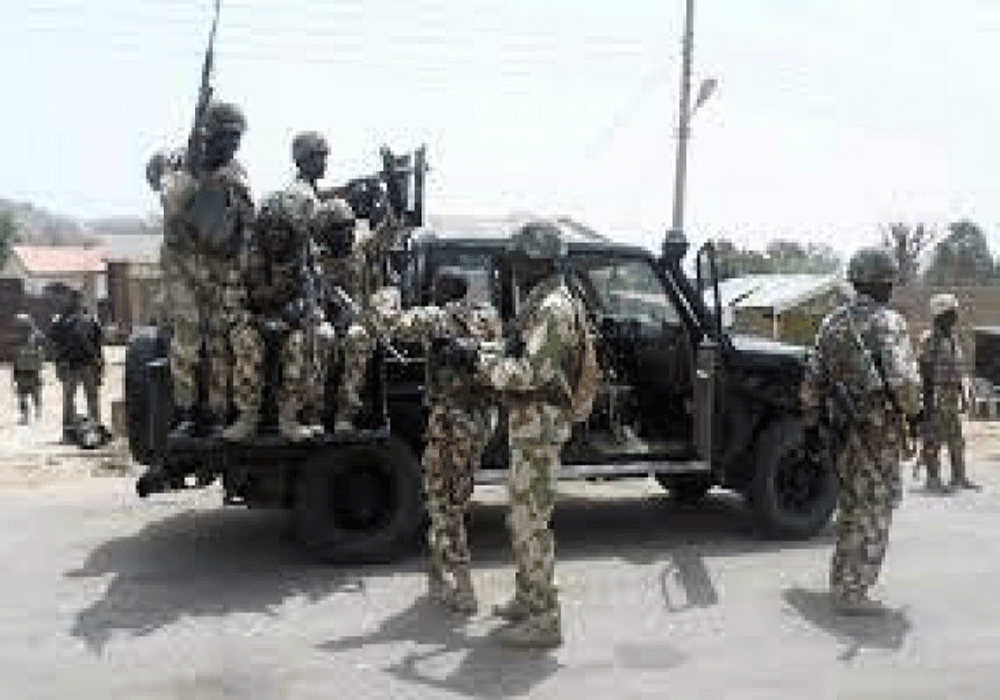
The Nigeria Police Force has rescued an abducted farmer, Nafi’u Abubakar Sarki, as security operatives continue efforts to locate 10 other farmers abducted by armed bandits in Maru Local Government Area of Zamfara State.
The rescue operation followed the abduction of 11 farmers at Kamfanin Madam Village, according to the police operational update issued on Sunday, October 18, 2026.
The police said tactical teams, working alongside local vigilantes, traced the escape route used by the suspected bandits in an effort to locate the victims.
SEE ALSO: Two Suspected Bandits in Police Net in Katsina
“Police Tactical Teams and local vigilantes successfully traced the escape route of armed bandits who abducted 11 farmers at Kamfanin Madam Village, Maru LGA,” the statement said.
It added that “one of the abducted victims, Nafi’u Abubakar Sarki, was safely rescued unharmed, while operations continue for the rescue of the remaining victims.”
The police identified the State Criminal Investigation Department (SCID) in Gusau as the unit investigating the incident.
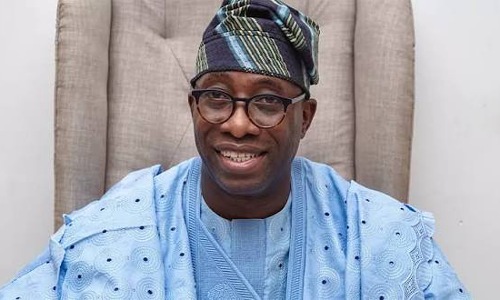
Otunba Segun Showunmi, a member of the Tinubu/Shettima Presidential Campaign Council (PCC) for 2027, has urged the South-East to assess President Bola Tinubu’s administration based on verifiable projects and measurable results rather than political propaganda.
Showunmi made the call in a statement posted on X on Saturday, urging Nigerians to evaluate the government’s performance based on infrastructure delivery, funds committed to projects and their impact on communities.
He said federal infrastructure initiatives targeting the South-East under Tinubu’s administration deserved serious scrutiny and factual assessment, adding that unfulfilled promises should continue to be pursued until the expected results were delivered.
SEE ALSO: 2027 Election: ‘Look Beyond the Noise’ – Showunmi Urges Nigerians to Give Tinubu More Time
“Our message is clear: We will not trade facts for propaganda, nor accountability for political loyalty!” he said.
The political figure challenged critics of the administration to provide evidence to support their claims, while urging those defending the government to present the projects and demonstrate their impact.
He also called on government officials to publish relevant figures, disclose project timelines and provide measurable results, insisting that no public official should be exempt from scrutiny.
According to Showunmi, the South-East deserves infrastructure that supports economic growth, including roads that connect markets, investments that create jobs and policies that expand economic opportunities.
He maintained that political representation must translate into tangible benefits for citizens, stressing that public office should deliver value to the people.
As part of his call to action, Showunmi urged Nigerians to scrutinise government records, challenge misinformation with evidence and demand the completion of outstanding projects.
He further called for public commitments to be matched by measurable delivery, arguing that leadership should be assessed by facts and results rather than political rhetoric.
Ending his statement with the slogan, “Asiwaju is a goal,” Showunmi called for accountability and greater inclusion of the South-East in Nigeria’s development.
Showunmi is associated with The Alternative and is a member of the Tinubu/Shettima Presidential Campaign Council for the 2027 elections.






‘Election Rulings Have Diminished Nigeria’s Judiciary’ – Utomi

NDLEA Arrests 85-Year-Old Woman With 179kg of Cannabis in Edo

Ambakederimo Questions NNPC Over Crude Oil Sales, Upfront Payments
South-South Group Opposes Coastal Road Alignment With East-West Road

Zamfara: Farmer rescued as search for 10 others continues

Showunmi Urges South-East to Judge Tinubu by Projects, Not Propaganda

Trump’s Family Unveils New Cryptocurrency Platform

Senate Denies Receiving Petitions Against Tinubu’s Ambassadorial Nominees

Dangote Cement Lights Up Benue Host Communities With CSR Initiatives

Reps Recommend 3-year Jail Term For Aviation minister

Tems Sets New Record On Billboard Hot 100 Chart
