
NEWS
Tinubu Sneaks-In N35,000 Minimum Wage, Claims Talks With Organised Labour

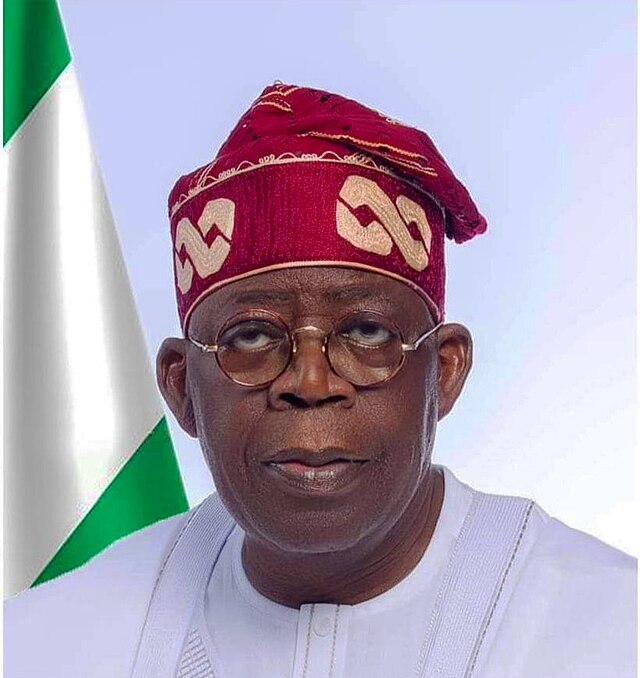
President Bola Ahmed Tinubu has revealed that his government is already paying a minimum wage of N35,000 already in talks with organised labour and other tiers of government to ensure uniform implementation in Nigeria.
He made the disclosure while speaking to Editors of The Nation newspaper, who voted him as Person of the Year.
He assured that when a formal agreement is reached with organised labour, the coming wage structure would be practical, sustainable and implementable by all layers of government.
On his journey so far as Nigeria’s President, he pointed to the economic reforms introduced by his government, which he claimed have been manifesting positive dividends.
These, according to him, include $616m in Foreign Direct Investment (FDI) pledges.
Reminded about the current cost-of-living crisis in the country caused by spiraling inflation, high petrol price, and currency devaluation, Tinubu said, “As your President, I am deeply aware of the economic crisis’s severe impact on Nigerians, and we are part of a global challenge with the rising costs of living.
“To help our people, my administration is taking proactive steps. We are focused on providing financial support to businesses and ensuring the availability and affordability of staple foods, which are essential for every Nigerian family.
“One of our key initiatives is the provision of N25,000 monthly to 15 million households, for a three-month period. To further support food security, we’re working with our partners, local and international, to improve agricultural practices and provide essential resources to farmers.
“In addition, the National Single Window Project is being implemented to enhance international trade efficiency.
“All these efforts are in line with our commitment to reducing the economic burden on our citizens, especially the working class and vulnerable groups.”
According to him, the reallocation of funds from the removal of the petrol subsidy is also “a strategic move to bolster our government’s finances, contributing to a stable economic environment for all.”
He added, “In our commitment to ease the economic strain on our citizens, particularly the working class and vulnerable groups, my administration is championing the shift to cleaner energy sources.
“We recognize the benefits of Compressed Natural Gas (CNG) in providing an affordable and cleaner mass transit system. To facilitate this, we have waived the Value Added Tax (VAT) on CNG purchases.
“Additionally, to reduce the costs in food transportation and manufacturing, we’ve also waived VAT on diesel for six months.”
He acknowledged that “these massively important reforms have been hard” but pointed out that they have started yielding positive results for the country.
His words, “The dividends are already manifesting, with even more in sight. We have already seen improvements in our economic outlook, as corroborated by the likes of Fitch and Moody’s. These may seem ‘academic’ to many but the impact on investor confidence is significant.”
Asked to respond to criticism of the cash transfer initiative of his government, which some see as superficial and incapable of addressing the level of poverty in the land, Tinubu insisted that he remains steadfast in “my belief in the efficacy of our cash transfer initiatives.”
He said, “These initiatives are a crucial part of our strategy to target and provide relief to the most vulnerable segments of our population, especially during the last three months of the year when the prices of basic items typically rise.
“This is not just about providing temporary support; it’s about strategically delivering assistance when it’s needed most. We continue to work closely with all key stakeholders – including state governments, civil society groups, international partners, and private sector entities like telcos and fintechs – to refine these programs. Moreover, we urge all Nigerians to be mindful of the current economic situation and avoid exploiting it for abnormal profits.
“In addition to these cash transfers, my administration is deeply committed to empowering micro, small, and medium-sized enterprises, along with nano businesses. Significant financial support is being directed to these enterprises to foster human capital development, economic growth, and financial inclusion.
“For instance, through the Ministry of Communications, Innovation, and Digital Economy, we launched the 3MTT programme, aiming to develop technical talent across Nigeria in fields such as software engineering and cloud computing. This program is designed not just to aid businesses but also to enable our youth to participate in the global gig economy, earning competitive wages while contributing to our nation’s growth.
“Our interventions extend beyond what some may call ‘cash handouts’. They are about creating a sustainable environment where Nigerians can innovate and thrive.
“By focusing on sectors like digital and creative industries, we are fostering growth and job creation, harmonizing efforts between monetary and fiscal bodies to build a stronger, more resilient Nigeria.”
On the planned new wage structure, why it is yet to take off and fears about the ability of some of the states to implement it when the last one has not even been fully adopted all over the country, the president said, “I understand the concerns regarding the unveiling of the new minimum wage and how states will manage these changes, especially those with fewer resources.
“To address this, my administration has approved a provisional increase in the federal minimum wage to N35,000 per month for a six-month period, two months of which have already been paid. This decision follows extensive consultations with the Nigeria Labour Congress (NLC) and Trade Union Congress (TUC).
“In managing the situation with the states, we are working closely with them to ensure the new wage structure is practical and sustainable. It’s important that each state’s unique financial situation is considered.
“We are focused on strategies to help states strengthen their economies, considering factors like tax efficiency and economic diversification.
“We are committed to ongoing dialogues with labour unions and state governments. This collaborative approach is crucial to ensure that the new minimum wage is fair, reasonable, and implementable across all states.
“Our goal is to balance the economic well-being of our workers with the overall financial health of the nation.
“We ask Nigerians to rest assured that my administration will not rest until we have delivered a sustainable solution in the best interest of Nigerians.”
Tinubu, in response to a question on the benefits of his economic missions to some parts of the world so far, said, “It is essential to place our initiatives within the broader context of our economic recovery and growth strategy. This strategy encompasses several key reforms, including the removal of fuel subsidies, the unification of the naira’s exchange rates, the adoption of the customs single-window, the streamlining of our tax system and enhancement and diversification of our revenues.
“These strategic moves are designed to enhance liquidity and create a more attractive investment environment for both domestic and foreign investors, thereby stimulating sustainable growth.
Foreign Direct Investment (FDI) is not ‘chicken change’. FDI is substantial, long-term financial commitments made by serious enterprises and investors.
“What is happening right now is that Nigeria is re-engaging with the global market – both foreign and domestic investors. We are telling the story of our significant and far-reaching reforms and rebuilding confidence in Nigeria as an accessible and safe investment.
“We are clearly communicating that ‘Nigeria is open for business’ and that the direction of travel is clear and fully committed.
“So far, our pursuit of foreign direct investment has been met with positive outcomes. We’ve secured a $500 million deal with Germany to fund renewable energy projects, particularly in rural Nigeria.
“Additionally, through local enterprises, Nigeria will supply LNG yearly to Germany, starting in 2026, solidifying our role as a key global energy partner. Our focused efforts to attract European FDI are yielding fruit, notably with the $116 million French investment in the I-DICE program, aimed at creating 65,000 start-ups and 150,000 jobs, particularly empowering women.
“As announced on the side-lines of COP28 in Dubai, we’re deploying 100 electric buses nationally, affirming our commitment to sustainable, eco-friendly initiatives and creating a platform for Public-Private-Partnerships in the mass transit category.
“Since this announcement we have received serious requests for co-investment opportunities from within Nigeria and across the world – Europe, India, China and the Middle East, key global markets my administration has been energetically engaging with.”






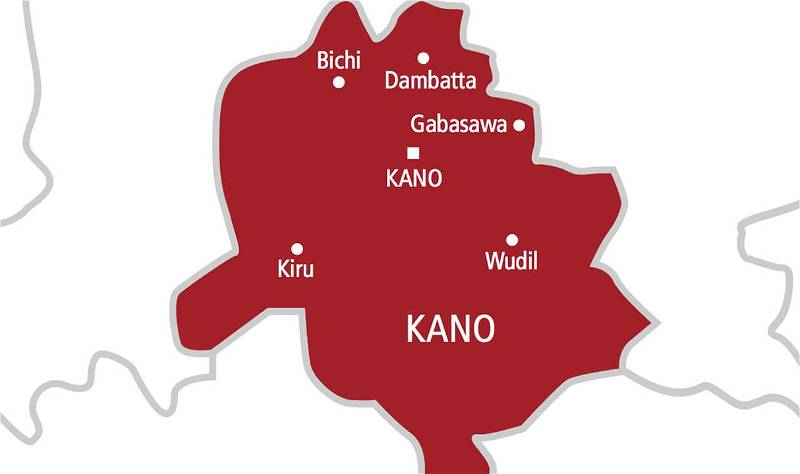
The Federal Road Safety Corps (FRSC), Kano Sector Command, has confirmed the death of two persons in a road crash involving a fully loaded tipper truck and a Mercedes-Benz car along the Kano-Zaria Road at Dangi Underpass.
The fatal crash occurred on Tuesday, October 20, 2026, and involved a Howo tipper truck with registration number RMG 332 XA, loaded with bitumen, and a Mercedes-Benz C180 with registration number ABJ 783 GB.
According to a statement signed by the FRSC Kano Sector Public Education Officer, Abdullahi Labaran, four male adults were involved in the crash, with two confirmed dead.
SEE ALSO: DPRP’s Free Fuel Delivery Expands to Kano, Imo, Nearly 10 More States
Preliminary reports indicated that the crash was caused by brake failure in the loaded tipper truck, resulting in the driver losing control of the vehicle.
The truck reportedly slid backwards and collided with the Mercedes-Benz behind it, leading to the fatal incident.
FRSC rescue personnel and other emergency responders evacuated the victims to Aminu Kano Teaching Hospital for medical attention.
Reacting to the incident, the Kano Sector Commander, Corps Commander Idris Mohammed Lawal, expressed condolences to the families of the deceased and prayed for the repose of their souls.
Lawal also urged the affected families to find the strength to bear the loss.
The Sector Commander warned motorists, transport unions, construction companies and fleet operators against neglecting regular vehicle maintenance, particularly the inspection and servicing of critical components such as braking systems and tyres.
He emphasised the importance of defensive driving, urging motorists to maintain safe following distances, remain alert to changing road conditions and ensure their vehicles are roadworthy before embarking on journeys.
Lawal stressed that regular vehicle maintenance, responsible driving and strict compliance with road safety regulations remain essential to preventing avoidable road crashes and saving lives.

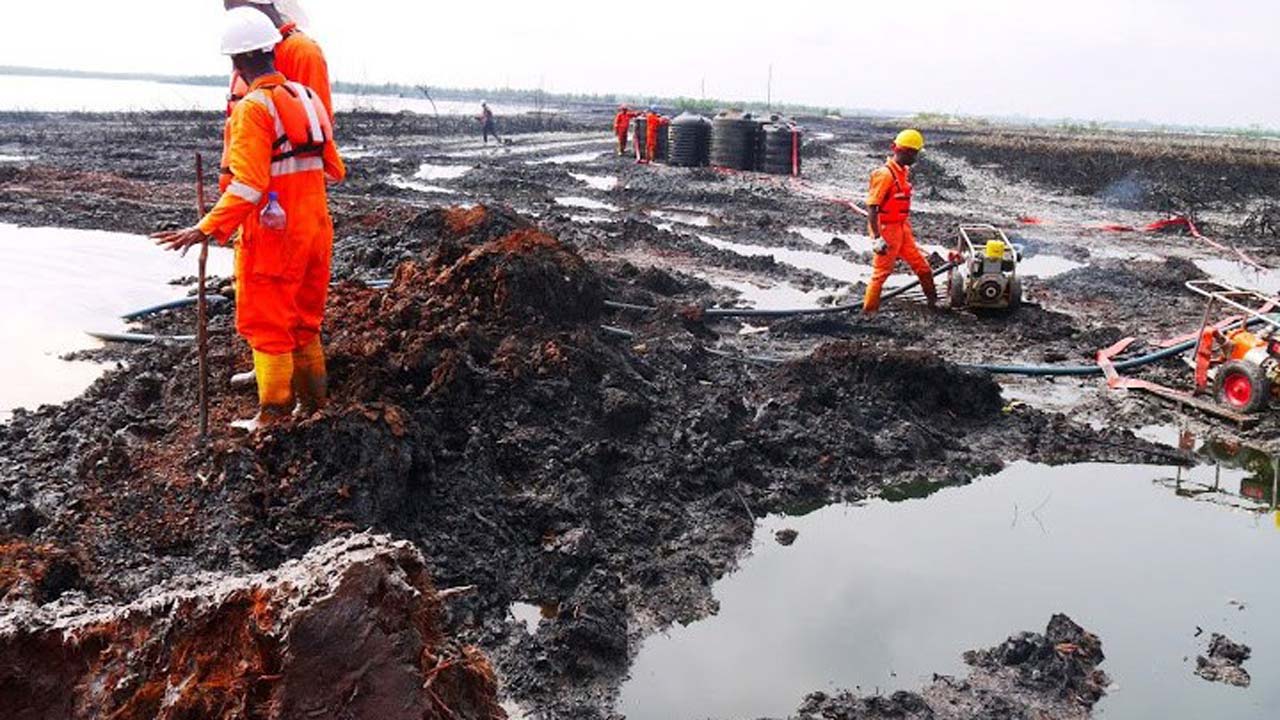
A call has gone to President Bola Tinubu, the Federal Government, the Ogoni Dialogue and Consultation (ODC) and the Nigerian National Petroleum Company Limited (NNPC Ltd) to ensure the inclusion of persons with disabilities in ongoing discussions on the future of Ogoniland.
While making the call, the Ogoni Association of Persons Living with Disabilities (OGAPWD) also demanded disability-inclusive employment opportunities and greater participation in development programmes linked to the proposed resumption of oil production in the area.
Speaking during a press briefing in Port Harcourt, OGAPWD President-General, Baridapdoo Ngo, said dialogue on Ogoniland’s future would be incomplete without the representation of persons with disabilities.
“We are not opposed to dialogue. We are not opposed to development. We oppose exclusion, discrimination and decisions that determine our future without our participation,” he said.
READ ALSO: NIPCO Gas Licences, NNPC Ltd Management Face Reps Probe
Ngo urged the ODC leadership to include nominated representatives of the association in its dialogue structures and relevant committees, stressing the need for accessible meeting venues and communication support.
He said persons with disabilities should participate meaningfully in discussions on environmental remediation, employment, security and community development rather than being invited merely for ceremonial purposes.
He pointed out that “Inclusion is not charity. Representation is not a favour. Accessibility is not a privilege. These are matters of rights, dignity and equal citizenship”.
On employment, OGAPWD expressed concern over reports that NNPC Ltd was offering 40 positions connected with Ogoni engagement under the Confidence Building Measures (CBM).
The association called on the national oil company to clarify the recruitment criteria and explain how qualified applicants with disabilities were being considered.
It demanded that at least five per cent of the 40 positions be allocated to qualified Ogoni applicants with disabilities, citing Section 29 of the Discrimination Against Persons with Disabilities (Prohibition) Act, 2018.
OGAPWD also requested a formal meeting with NNPC Ltd and asked the company to respond to its concerns within 15 days.
The association said it supported a responsible and lawful resumption of oil production, provided the process prioritised environmental protection, transparency, public health and the rights of affected communities.
It further urged the Federal Government to address the demand for Bori State through the appropriate constitutional process, describing the issue as central to its position on Ogoni self-determination.
OGAPWD appealed to traditional rulers, political leaders, youth organisations and community stakeholders to ensure that persons with disabilities benefited from employment, skills acquisition, business support and other development initiatives.
The association urged the Federal Government, ODC and NNPC Ltd to take concrete steps to ensure that persons with disabilities were represented in decisions affecting Ogoniland’s political, economic and environmental future.
“Our message is simple: no exclusion in dialogue, no discrimination in employment, no development without inclusion,” Ngo said.
The Nigerian Content Development and Monitoring Board (NCDMB), has flagged off a five-day capacity building programme for 200 primary and secondary school teachers drawn from all local government areas of the state.
Themed “Empowering Teachers for Effective Curriculum Delivery through Digital Innovation, Modern Pedagogy and Professional Excellence,” the training is centred on four pillars, namely, “Digital Literacy, ICT Skills and Digital Teaching Tools” (Pillar 1); Interactive Lesson Preparation, Presentation, and Learner Engagement” (Pillar 2); “NERDC [National Educational Research and Development Council] Curriculum Alignment and Competency-based Lesson” (Pillar 3), and “Positive Classroom Management, Discipline and Learner Support” (Pillar 4).
In his opening remarks at the event, the Executive Secretary of the NCDMB, Engr. Felix Omatsola Ogbe, represented by Assistant Manager, Institutional Relations and Entrepreneurship Development (IRED), in the Capacity Building Directorate (CBD) of the Board, Ms. Khadijah Jekhine, said the programme reflects NCDMB’s firm belief that sustainable Nigerian Content development begins with quality education and skilled human capital.
He described teachers as “the primary multipliers of knowledge,” adding, “When we invest in you – equipping you with digital tools, modern teaching methods, and professional excellence – we invest in thousands of young Nigerians who will become the engineers, technicians, innovators, and professionals our oil and gas industry and national economy urgently needed.”
The NCDMB boss explained that the goal of the Board is to strengthen the capacity of the teachers for effective curriculum delivery so that classroom learning becomes more practical, engaging, and aligned with the demands of the future of work. He enjoined the teachers to ensure that what they gained from the training cascades to their students, pupils and colleagues, thus raising the quality of education and building the foundation for greater indigenous participation in the oil and gas industry.
He expressed appreciation to the Imo State Government, the State Ministry of Primary and Secondary Education and all collaborating partners for the strong partnership that has made the programme possible.
The programme facilitator, Dr. Anayo Nzeribe, General Manager, R&M Networks Limited, said the intervention of the NCDMB in the educational system in the State was of inestimable value as it complements the Government’s efforts to improve access to quality education and provides essential facilities for learning and teaching.
He announced that the Board has made available digital tools and other teaching aids for distribution, that each of the 200 participants would receive a laptop and accessories, among other things. In addition, each of them would receive what he termed “a handsome stipend” at the end of the training programme on Saturday (17th October).
Dr. Nzeribe, on behalf of his company and the joyous teachers, expressed profound gratitude to the NCDMB for the initiative and assured that the tools donated would be put into adequate use to enhance teaching in the State.
READ ALSO: Showunmi Urges South-East to Judge Tinubu by Projects, Not Propaganda
The State Commissioner for Primary and Secondary Education, Professor Bernard-Thompson Ikegwuoha, represented by an official of the Ministry, Dr. (Mrs.) Benedicta Chinonye Okorie, was similarly appreciative of the contributions of the NCDMB to educational advancement in the State.
The Owerri capacity building initiative is following close on the heels of a Train-the-Trainer programme organised by the Board in Yenagoa, Bayelsa State, last month, for 88 teachers of vocational and technical schools. That programme centred on industry-relevant technical skills, digital technologies, and competency-based teaching methodologies.
On the NCDMB team at the Owerri event were the Zonal Coordinator for Imo and Abia States, Dr. Emma Ohaere, and other staff of the Owerri Liaison Office, as well as Ms. Salamatu Ibrahim, Assistant Manager, Corporate Communications Division (CCD), among others.






FRSC Warns Drivers After Brake Failure Kills Two in Kano Crash

AAC Seeks Tinubu’s Approval, Logistical Support for 5,000 at Campaign Event

Renaissance, Sterling Bank Back Indigenous Oil and Gas Contractors Financially
Group Demands Fair Share of NNPC Jobs for Ogoni Oil Exploration

NNPC Ltd Exploration Spending Down 87%
200 Imo Teachers Benefit from NCDMB’s Effective Curriculum Training

Trump’s Family Unveils New Cryptocurrency Platform

Senate Denies Receiving Petitions Against Tinubu’s Ambassadorial Nominees

Dangote Cement Lights Up Benue Host Communities With CSR Initiatives

Reps Recommend 3-year Jail Term For Aviation minister

Tems Sets New Record On Billboard Hot 100 Chart
